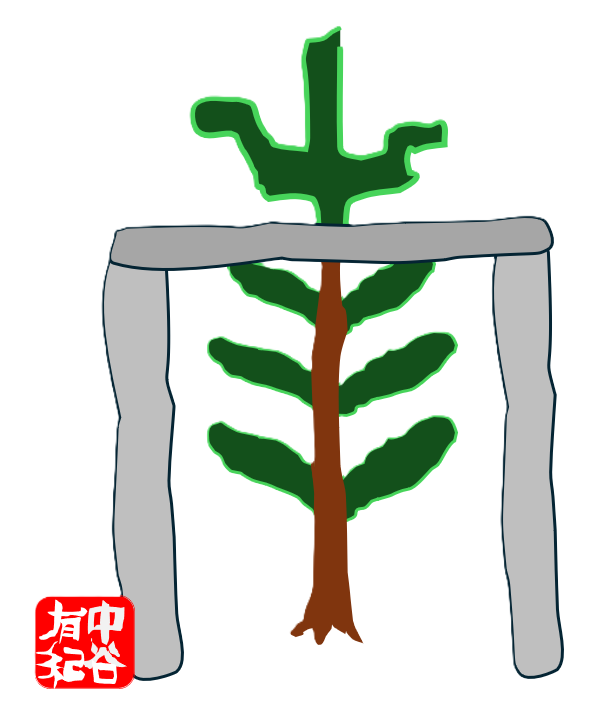
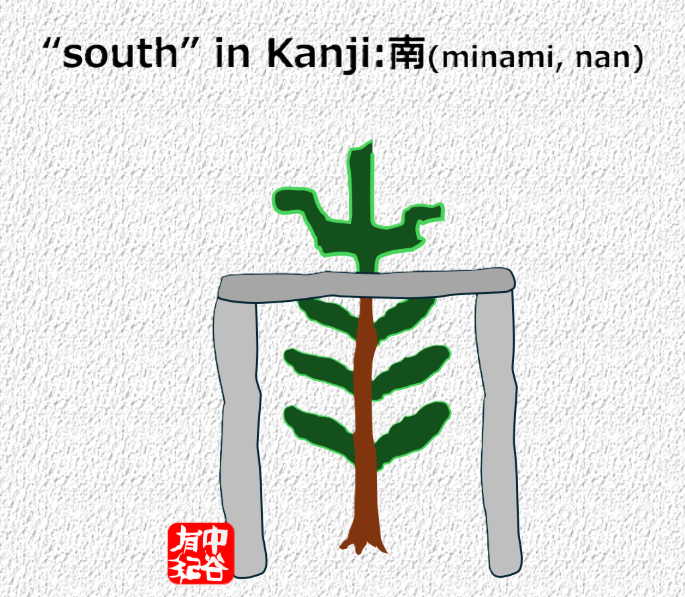
This kanji depicts trees visible through or above a gate. Because trees grow best facing the sun, this kanji represents the direction of optimal growth—which is “south.”
The short story of Kanji pictures
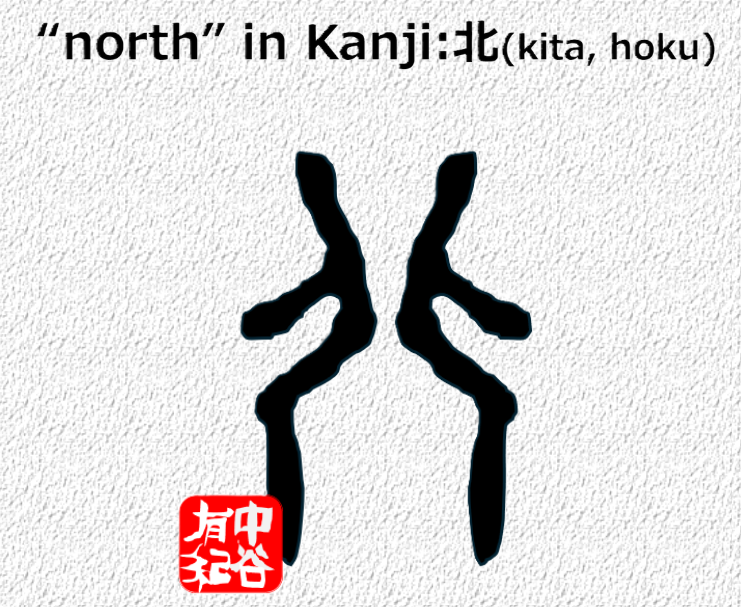

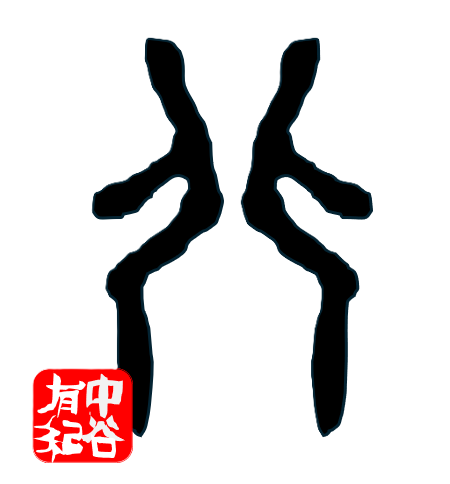
This kanji shows two people sitting back-to-back.
Originally, it meant “back.” That’s why you can still see this radical at the top of the kanji “背” (back).
Later, it came to mean “north.” This happened because ancient Chinese emperors always faced south when seated, so their backs were facing north.
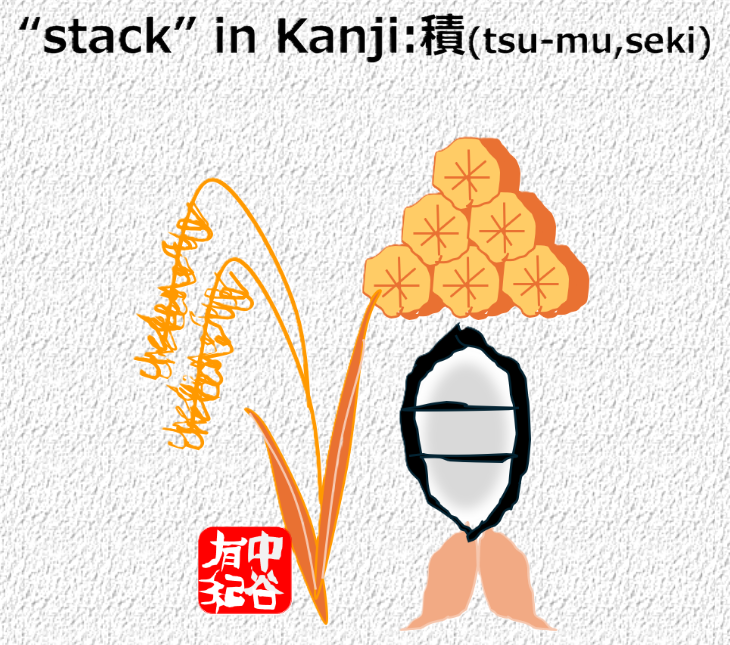

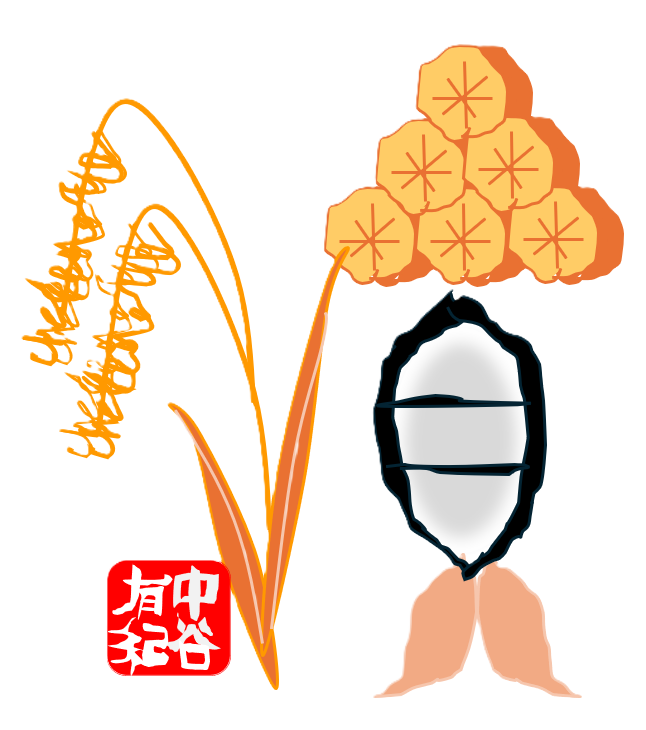
This kanji consists of three main elements. On the left is the “harvest” (grain) radical. On the top right is a symbol representing stacked rice bales, and on the bottom right is the “shell” radical, which served as currency in ancient times. Together, these elements depict taxes and valuable goods gathered from the people, creating the original meaning “to stack” or “to accumulate.” By extension, this kanji is now used for accumulating intangible valuables, such as gaining experience or building skills.
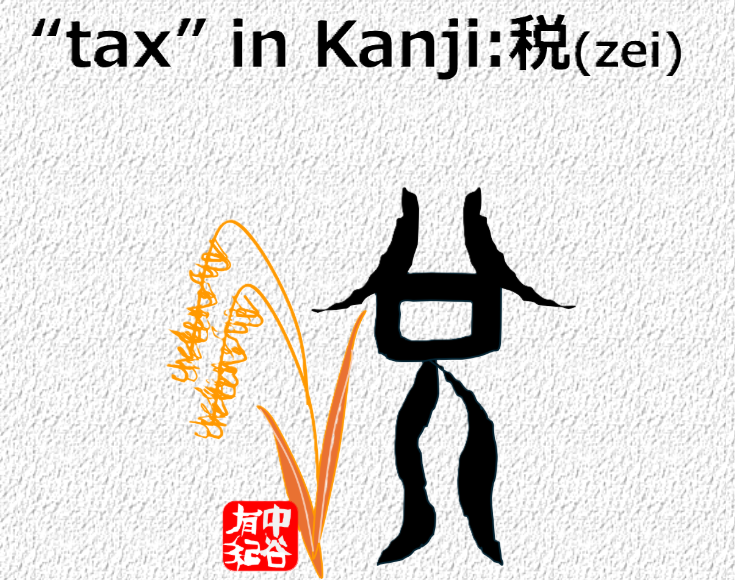

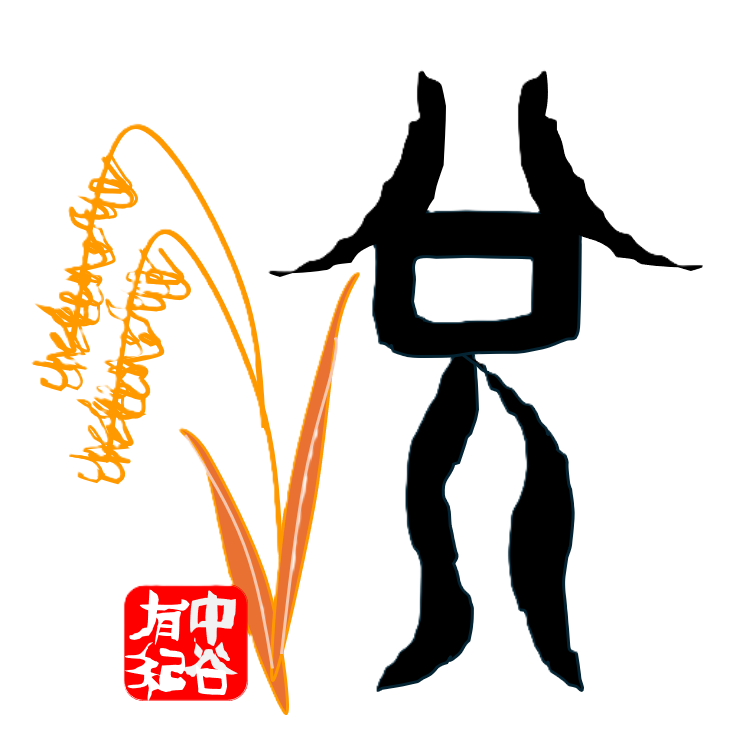
This kanji consists of two parts. On the left is the “harvest” (grain) radical, and on the right is a component representing shedding or taking away. Together, this kanji means “tax”—originating from the idea of crops being ruthlessly taken away as tax from the farmers who grew them.
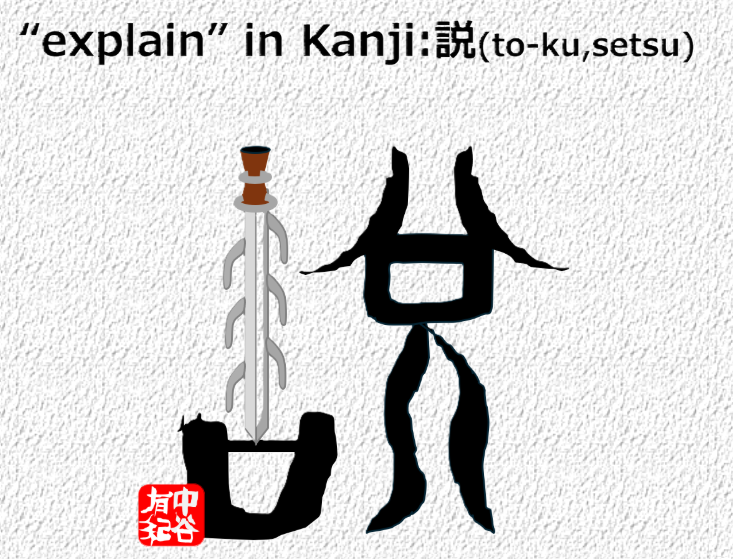

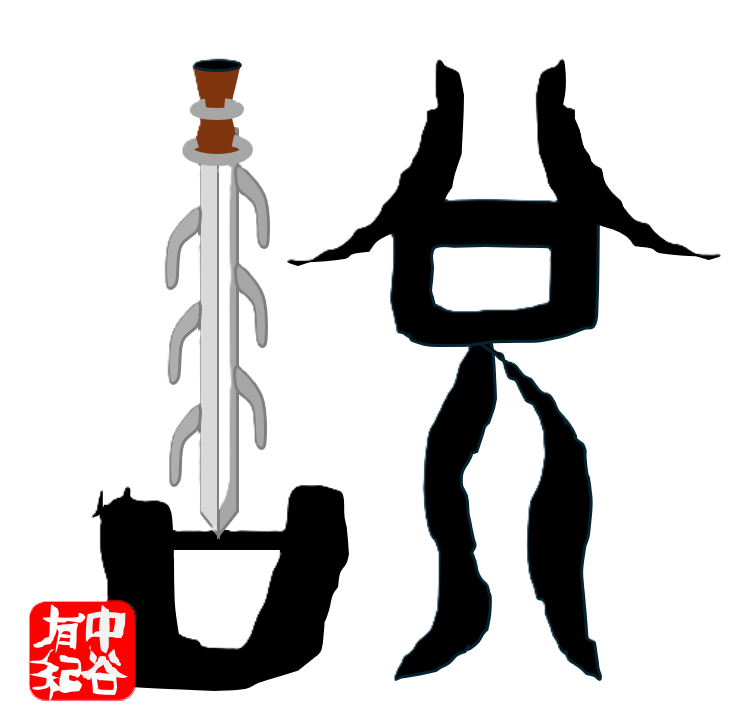
On the left side of this kanji is the “word” radical, which originally depicted a mouth and a sword, symbolizing a sacred promise made to God. On the right side is a component depicting a person removing or shedding their clothes. Together, this kanji means “to explain”—originating from the idea of untangling, melting away, or solving a problem through words.
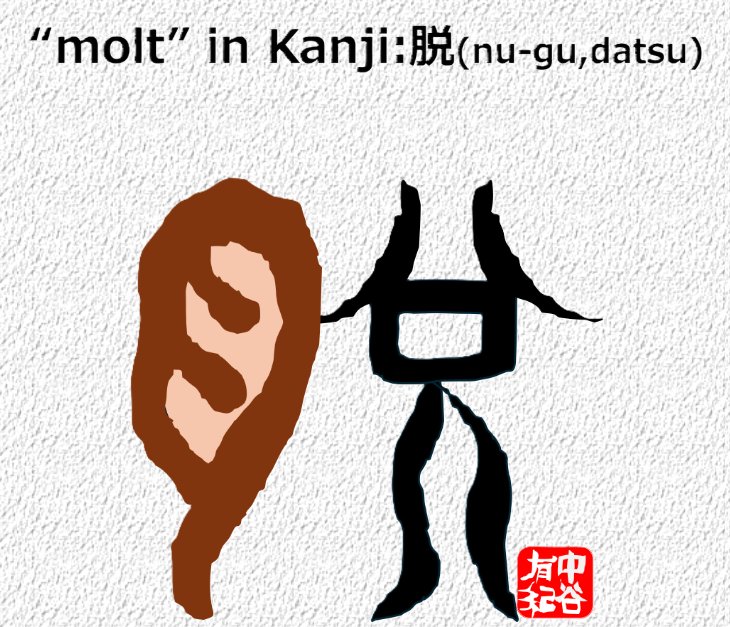

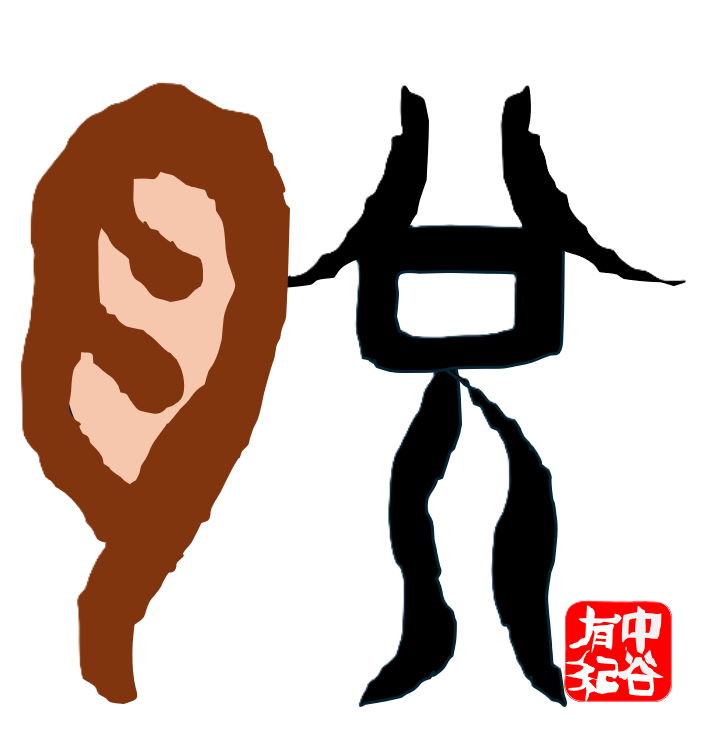
This kanji consists of two parts. On the left is the “body” radical, and on the right is a component depicting a person sloughing off or removing their clothing. Together, this kanji means “to shed,” “to molt,” or “to exit” from within.
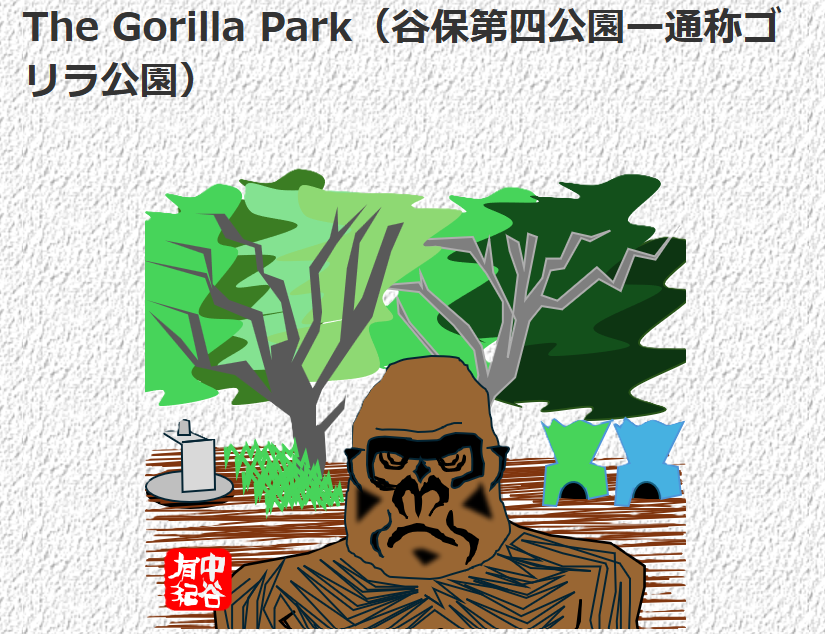
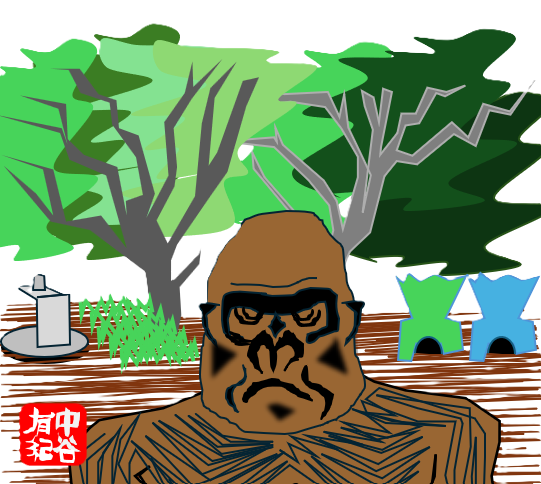
Yaho Park No. 4 is locally known as “Gorilla Park” because of its popular gorilla-shaped play monument. It is always bustling with children enjoying the various playground equipment. Thanks to its beautiful scenery, the park, along with the nearby Kunitachi City Hall, is frequently used as a filming location for movies and TV dramas.
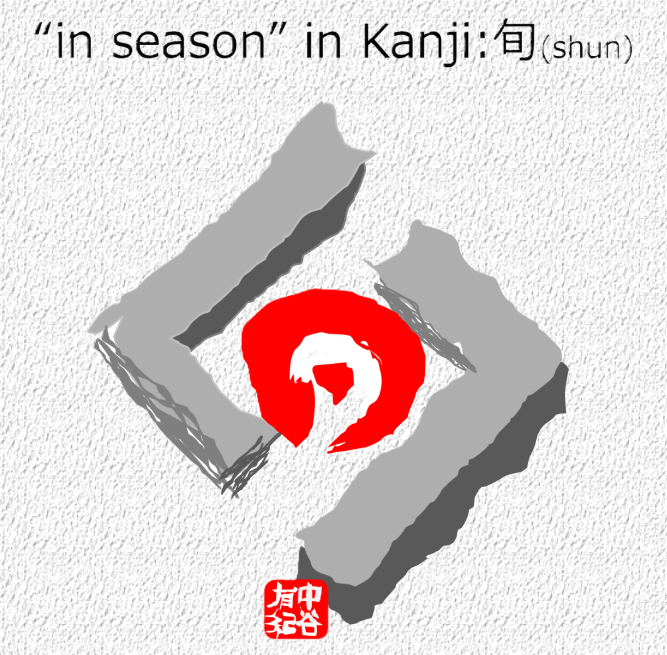

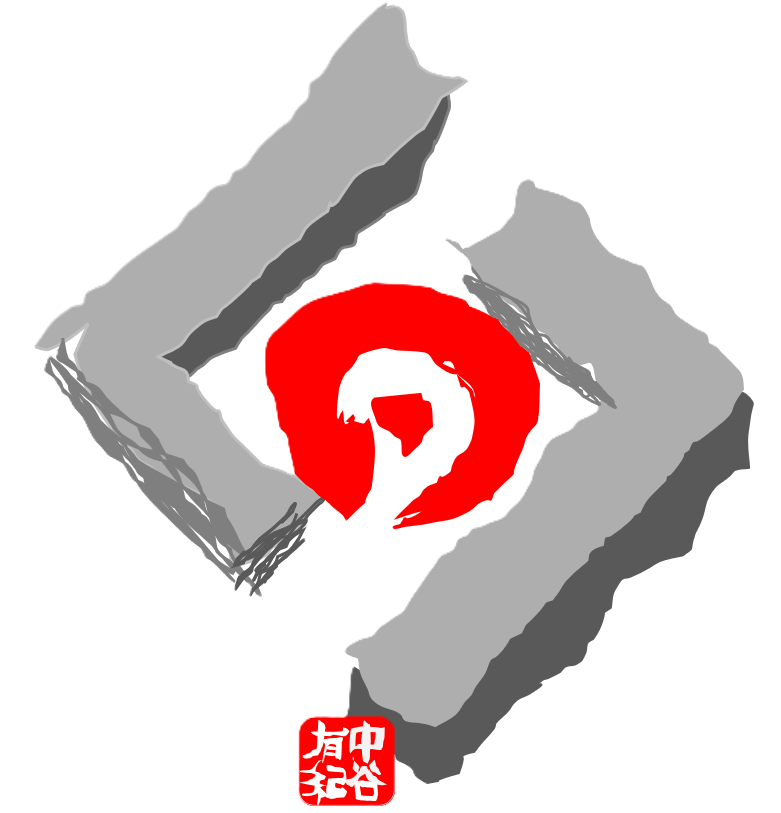
The kanji 旬 (shun) has no direct English equivalent. Depicting the sun enclosed within a frame, it captures a seasonal moment at its absolute peak—symbolizing Japan’s deep appreciation for nature’s seasonal gifts, from fresh food to changing landscapes.
Similarly, the kanji for Haiku (句) encloses a “mouth” instead of the “sun,” representing capturing the essence of the seasons into spoken verse (5-7-5 syllables).
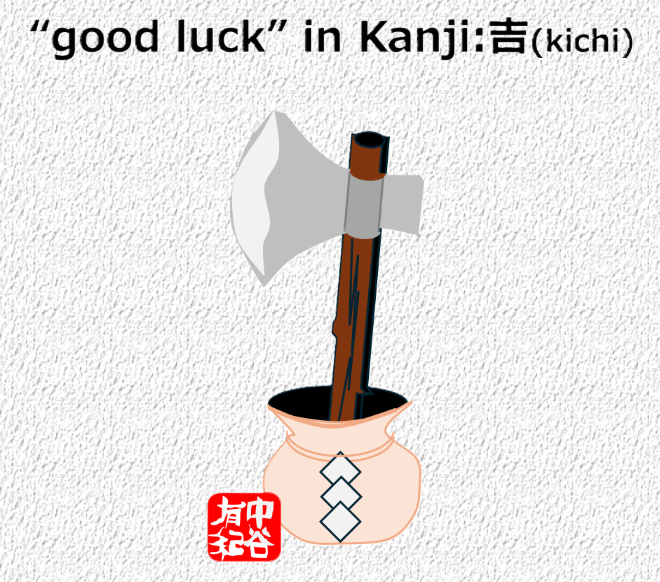
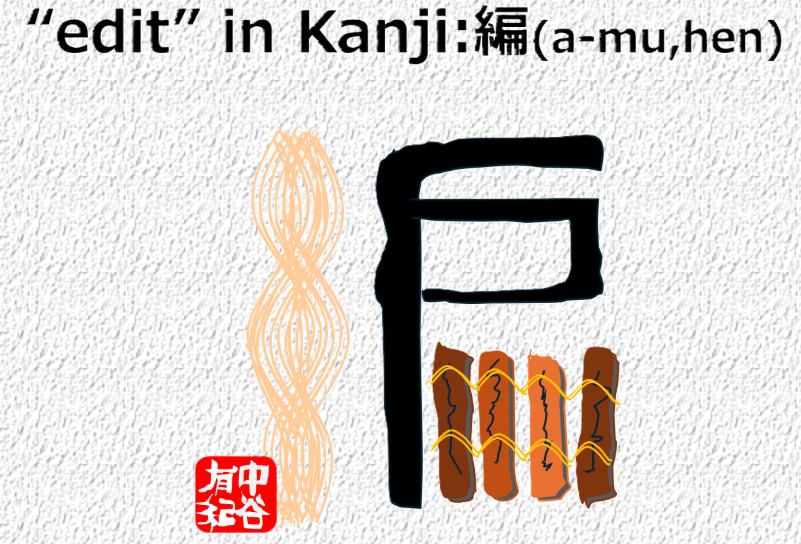

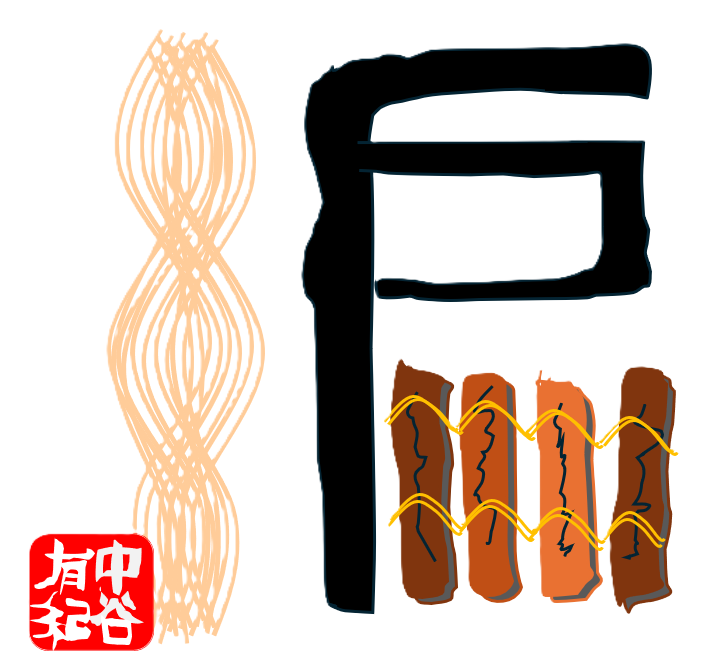
This kanji consists of two parts. On the left is the “thread” radical, and on the right is a component representing a sign or nameplate hung on a door. Together, this kanji originally depicted binding scattered wooden tablets or papers together with thread. By extension, it came to mean “to edit” or “to compile” books and documents.