
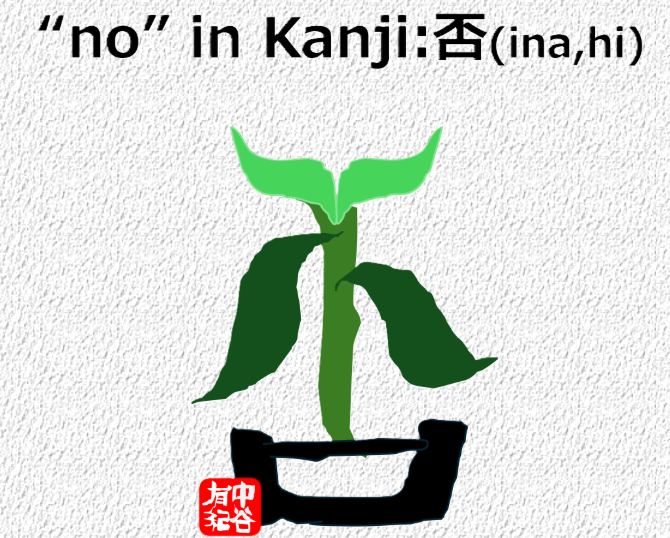

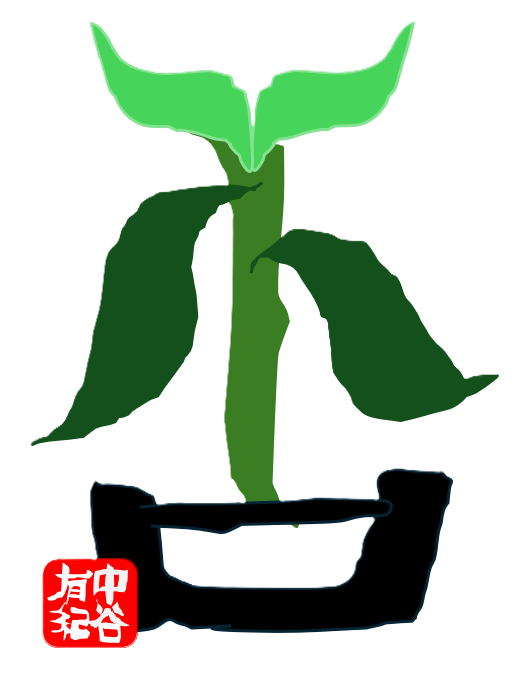
This kanji is composed of two parts. At the top is the “un-” or “non-” component, which originally depicted a flower calyx without any petals or fruit. Because of this, it came to serve as a negative prefix meaning “not” or “without.” Below it is the “mouth” radical. Combined, they signify closing one’s mouth against what has been said, or refusing to acknowledge someone’s words. By extension, the kanji means to say no, deny, or refuse.
Words & Phrases
- 否応なく(iyaou-naku):whether one likes it or not
- 否認(hinin):denial,deny