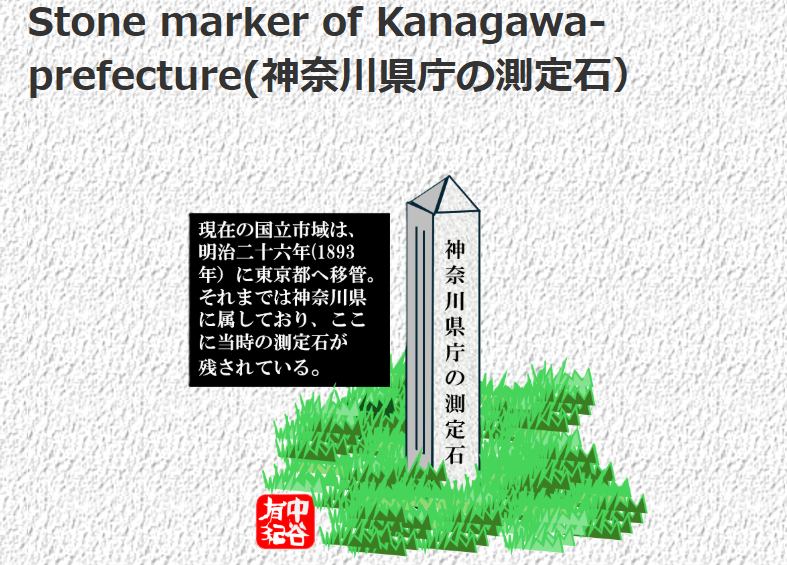
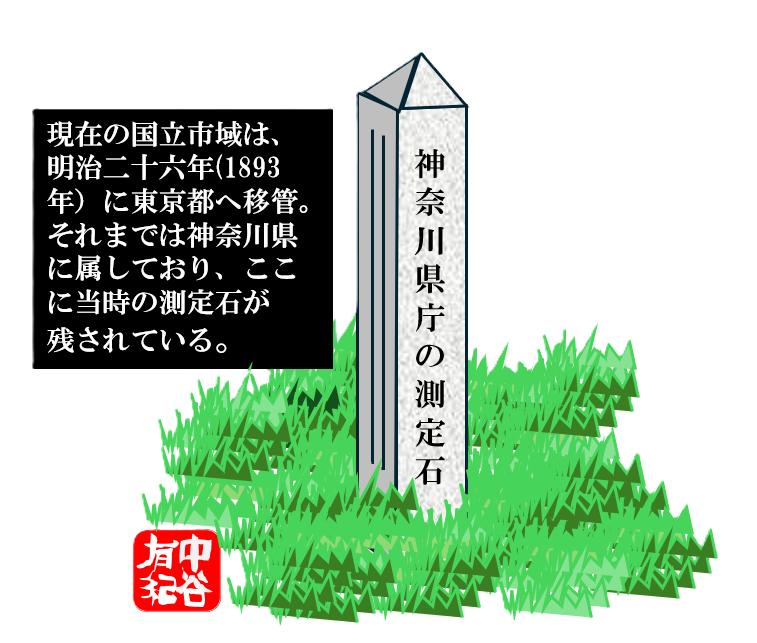
Stone marker of Kanagawa-prefecture(神奈川県庁の測定石)

Along the old Kōshū Kaidō highway and around the grounds of Yaho Tenmangu Shrine, several stone structures and survey markers used for road surveying and leveling benchmarks of that era can still be found; they stand as valuable historical relics that convey the time when the present-day city of Kunitachi was once part of Kitatama District in Kanagawa Prefecture.

Where is Yaho?

Where is Yaho?

Town

Town

Culture

Culture

Nature

Nature

Yabo Tenmangu

Yabo Tenmangu

History

History


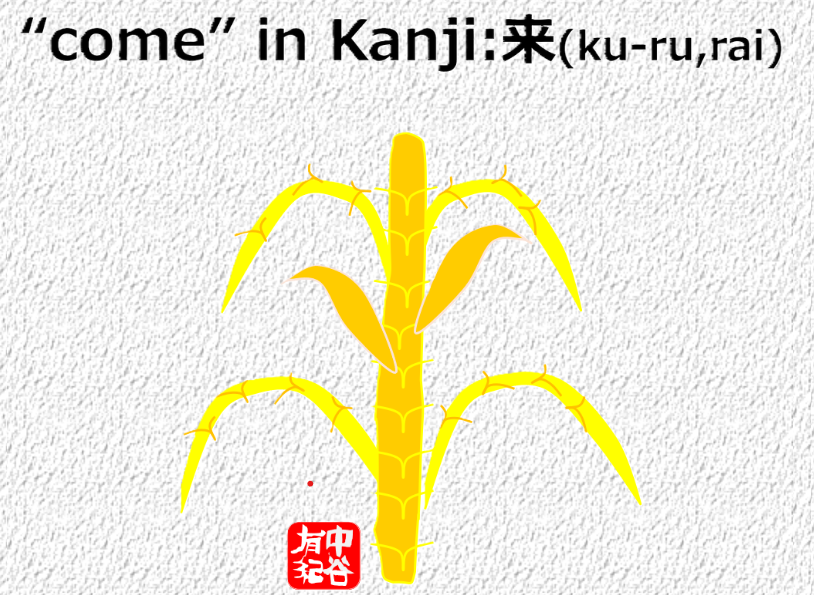
come(来)

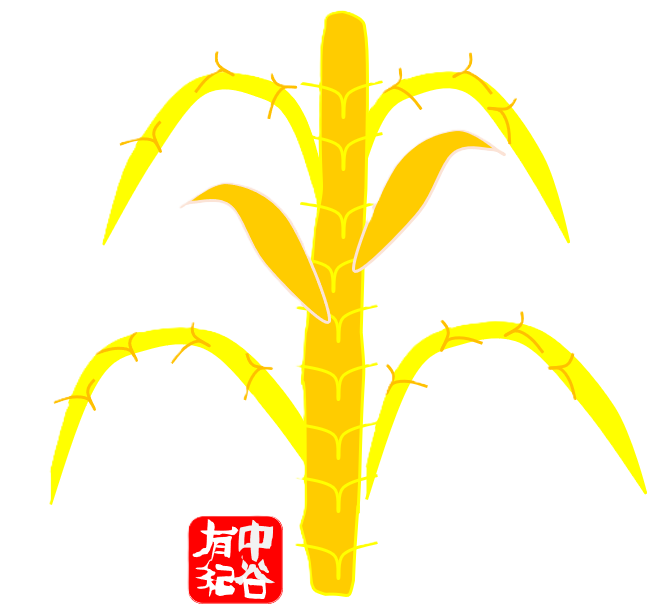
This kanji originally depicted wheat bowing its head under the weight of its grains. In ancient times, wheat was brought from the West to Asia and quickly became an essential food for the people. Because of this, the character for wheat came to symbolize a gift from heaven. By extension, it came to mean ‘to come.’

Words & Phrases

  • 来訪(raihou):The act or occasion of someone coming to visit one’s home or presence.
  • 来客(raikyaku):A guest or visitor who comes to call on someone at their home or place.
  • 来る者は拒まず去る者は追わず(kurumonoha kobamazu,sarumonoha owazu):Refuse none who come, pursue none who leave.

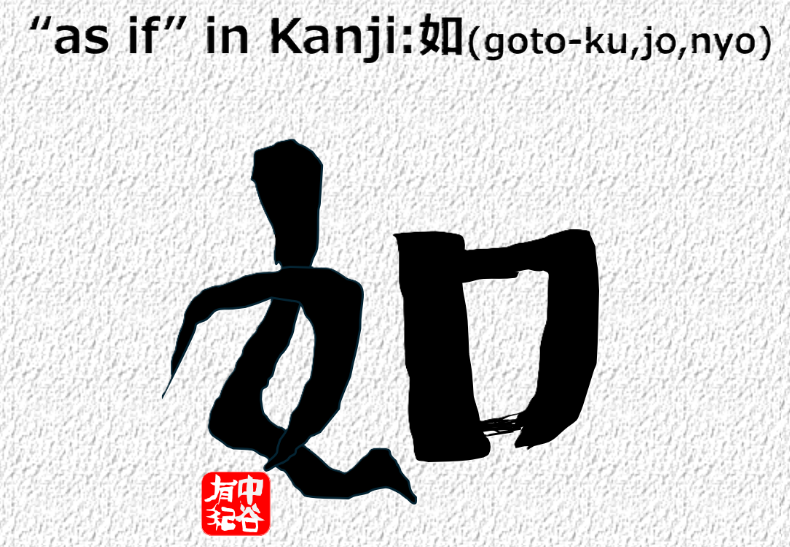
as if(如)

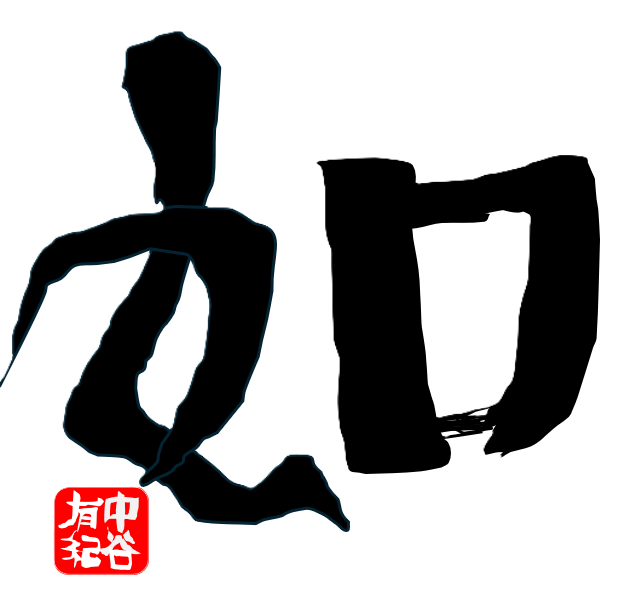
This kanji is made of two parts. On the left is the ‘woman’ radical, representing a female shaman kneeling in prayer. On the right is the ‘mouth’ radical, representing words received from the gods. Combined, this kanji originally depicted a shaman speaking on behalf of a deity—acting as if she were the god herself. Over time, it came to mean ‘as if’ or ‘like.’

Words & Phrases

  • 如何(ikaga):The progression of events or how a situation develops and turns out; the course of events.
  • 如雨露(jouro):Watering pot

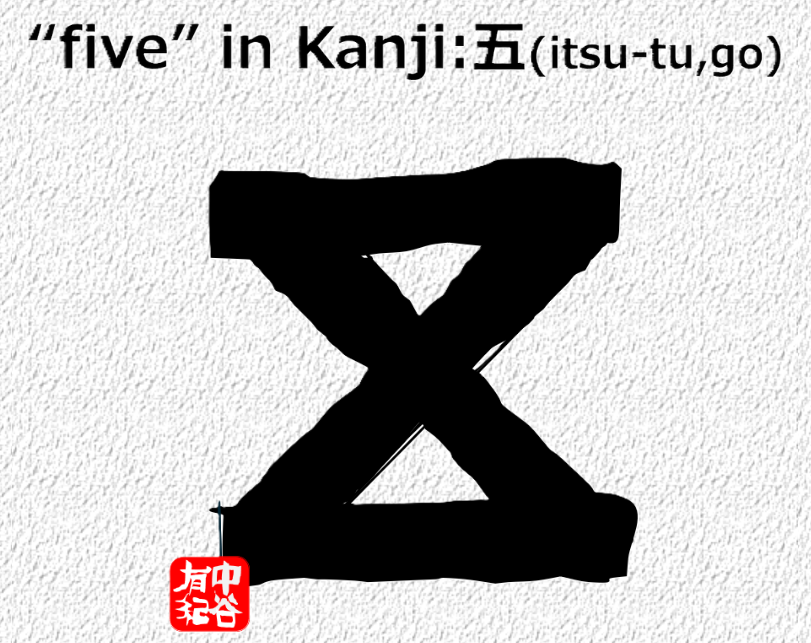
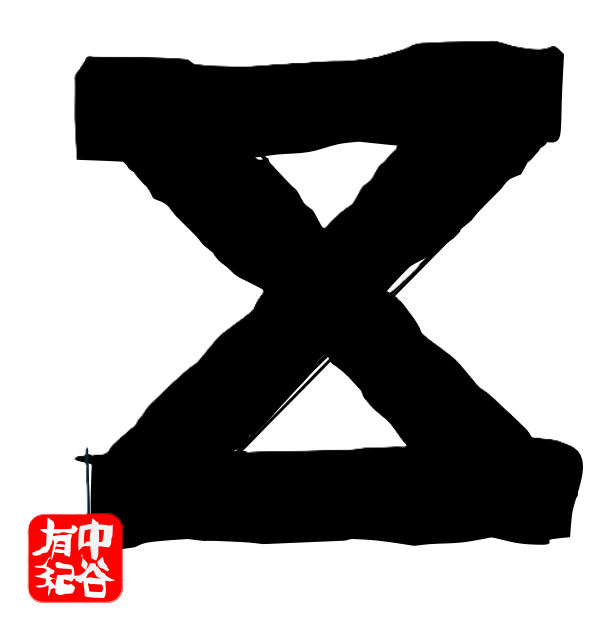
five(五)

The exact reason why this kanji means ‘five’ is actually unknown, and several different theories have been passed down since ancient times. One story suggests that it depicts an open hand showing all five fingers. Can you see it in this kanji?

Words & Phrases

  • 五感(gokan):The five human senses: sight, hearing, smell, taste, and touch, perceived through the eyes, ears, nose, tongue, and skin.
  • 五十歩百歩(gojuppo,hyappo):An idiomatic saying denoting that two flaws or errors are essentially the same, differing only in minor degree; originating from the classical Chinese parable of a retreating soldier who ran fifty paces ridiculing another who ran a hundred paces
  • 五里霧中(gorimutyu):The Japanese idiom “Gori-muchu” (五里霧中), meaning to be completely lost or bewildered, originates from the ancient Chinese text “Book of the Later Han” . It comes from the story of Zhang Ba, a scholar who used Taoist magic to create a five-li-wide fog to hide from unwanted visitors. Over time, this literal magical fog evolved into a metaphor for being stuck in a confusing situation without knowing what to do next.

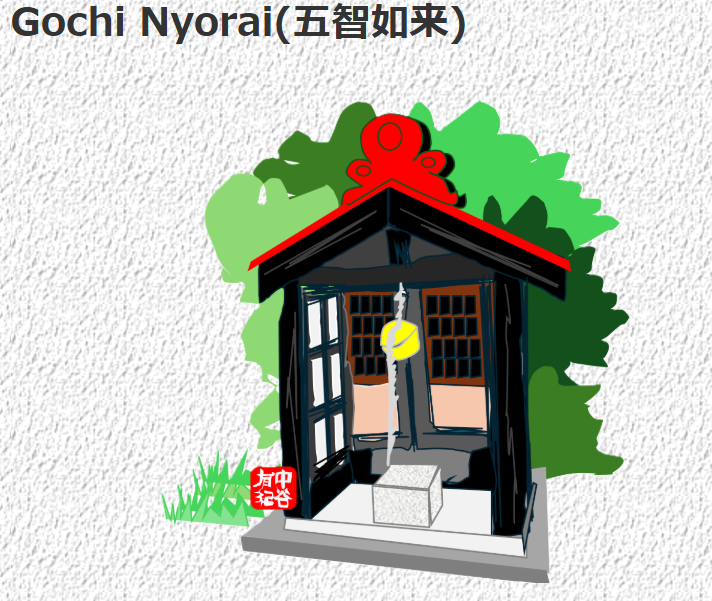
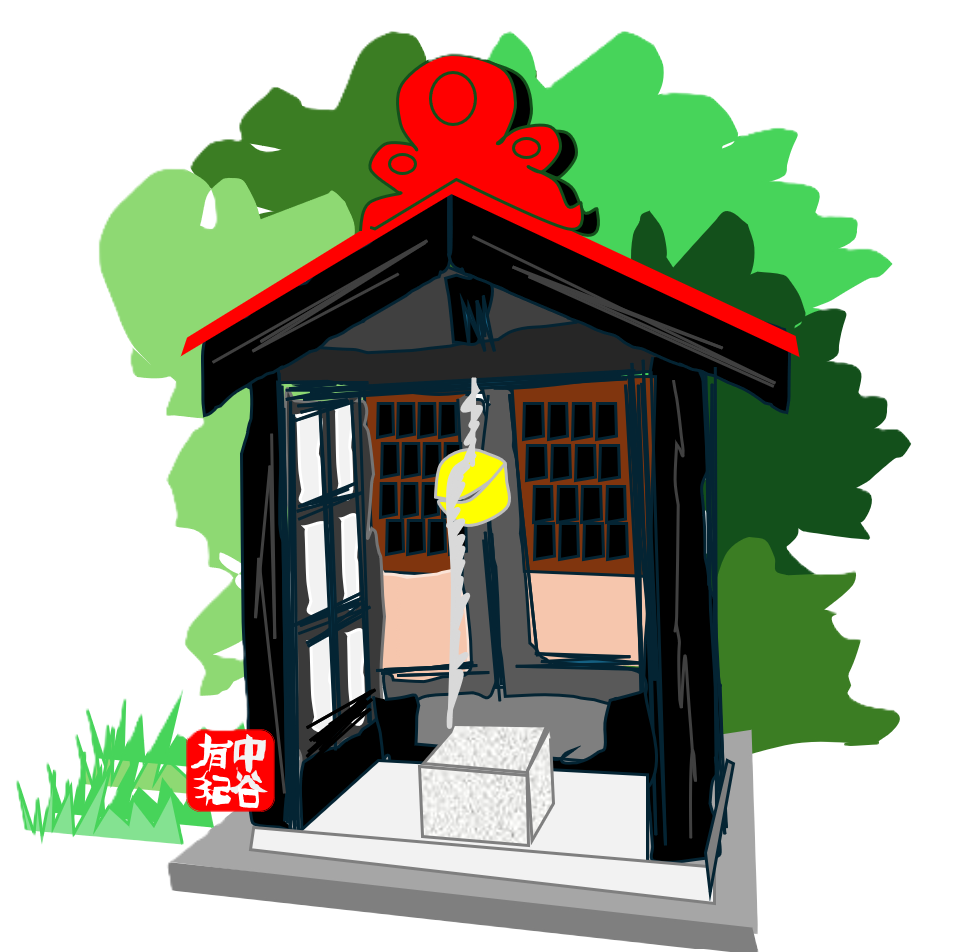
Gochi Nyorai(五智如来)

Where the Yagawa River crosses the Koshu-kaido Highway once stood Yagawa Bridge, a beloved local landmark during the Edo period. Nearby stands this small temple, known as ‘Gochi Nyorai,’ which was built by people who migrated here from Hachioji. Even today, local residents gather once a year in October to hold a small ceremony to honor and pray at this temple.

Where is Yaho?

Where is Yaho?

Town

Town

Culture

Culture

Nature

Nature

Yabo Tenmangu

Yaho Tenmangu

History

History


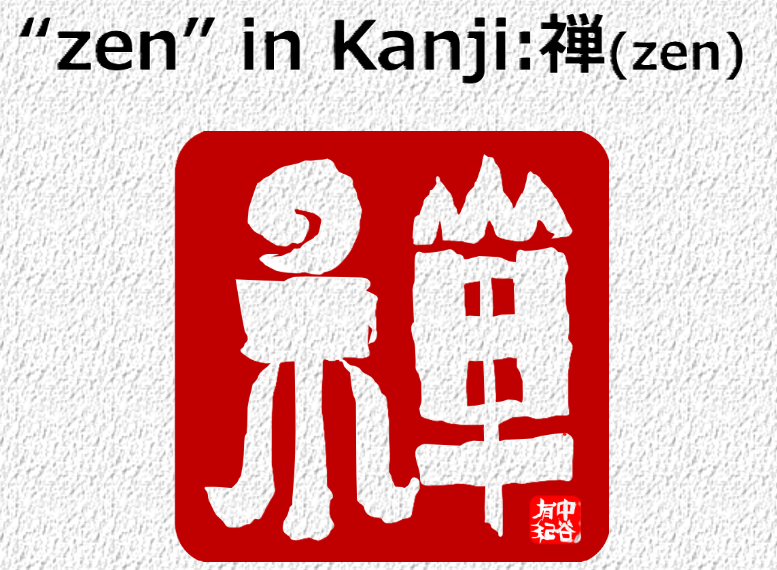
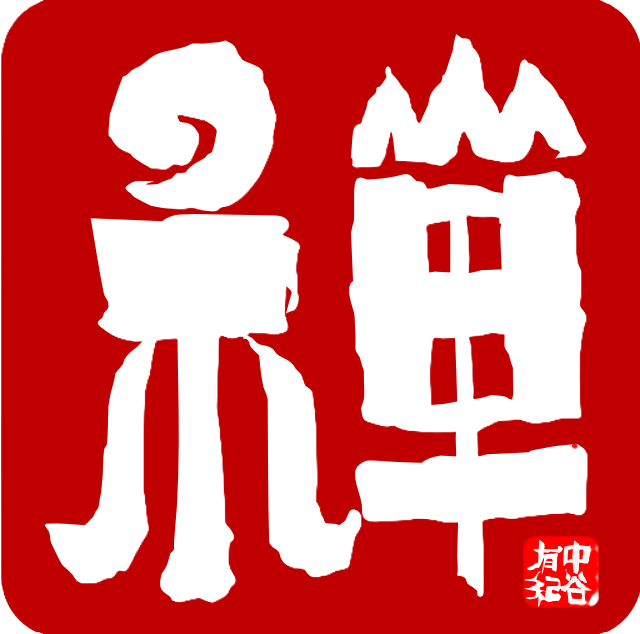
zen(禅)

This kanji is made of two parts. On the left is an altar dedicated to the gods, and on the right is a mound of earth raised in gratitude for a bountiful harvest and good health. Therefore, this kanji represents ‘Zen’—a mindset of gratitude for everything.

Words & Phrases

  • 禅宗(Zen-Shuu):A school of Buddhism that seeks enlightenment through meditation, valuing intuitive spiritual connection rather than words or theory.

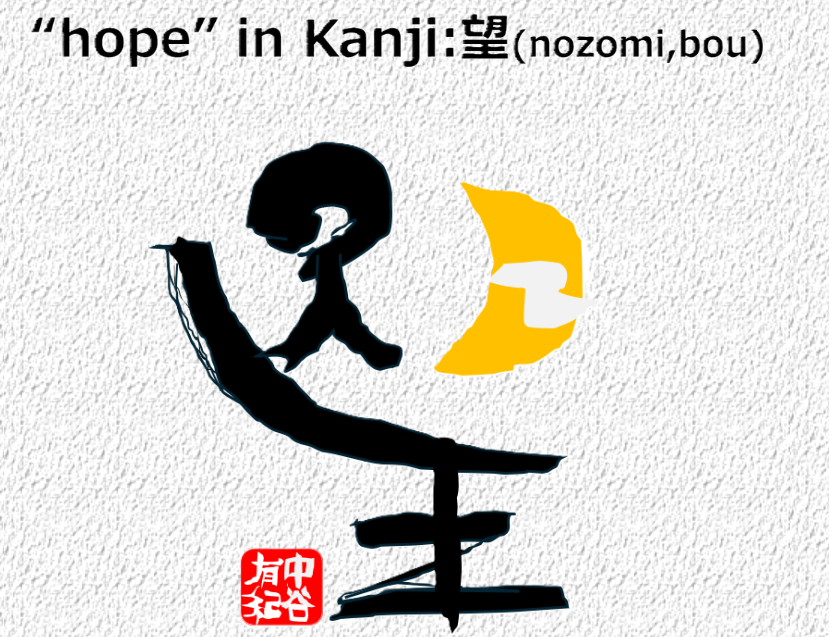
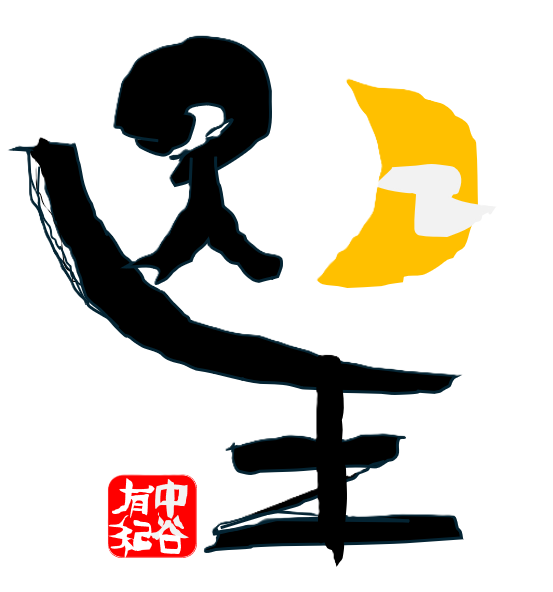
hope(望)

This kanji originally depicted a person on top of a tower, keeping watch into the distance day and night. Because of this, the kanji came to mean ‘hope’—the kind that never gives up and seeks a way to break through difficult situations.

Words & Phrases

  • 望遠(bouen):A device that uses lenses to make distant objects appear larger.
  • 望郷(boukyou):Missing one’s hometown
  • 希望(kibou):Wishing for a better future, both in who you want to become and what you hope for others.

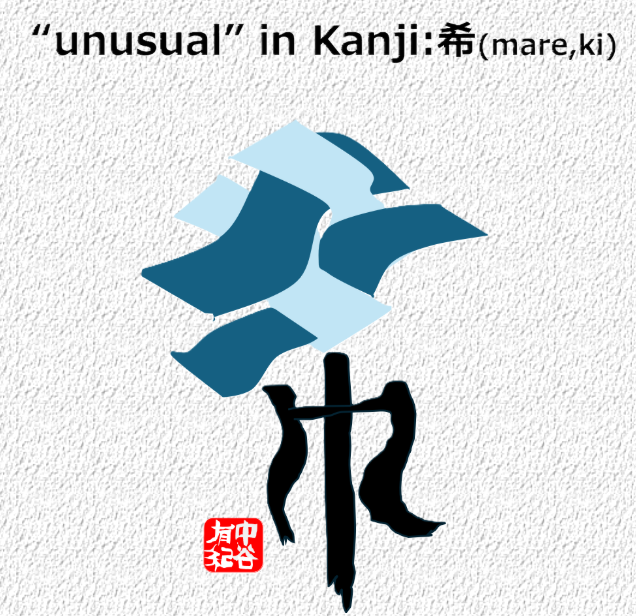
unusual(希)

This kanji is made of two parts. At the top is an element showing crisscrossed threads, representing a thin cloth with a loose, open weave—something so difficult to craft that it was considered very rare. At the bottom is the ‘cloth’ radical. Combined, this kanji originally represented a rare, loosely woven fabric. Over time, it came to mean ‘rare’ or ‘scarce,’ and by extension, ‘to wish for’ or ‘hope’ for something precious.”

Words &Phrases

  • 希少(kisyou):Something that happens very seldom, or exists in extremely small numbers.
  • 希望(kibou):Wishing for a better future, both in who you want to become and what you hope for others.

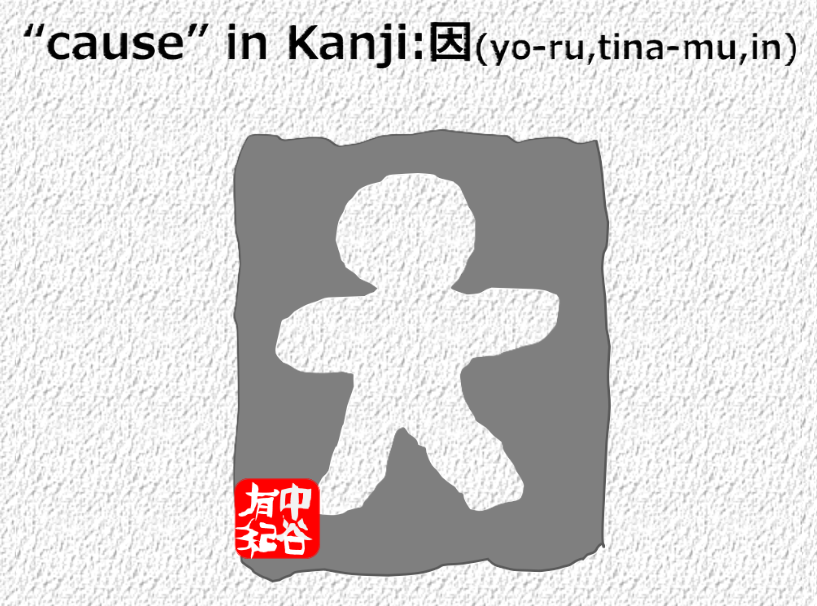
cause(因)

This kanji depicts a person lying down on a mat or bed. Over time, this idea of depending or resting on something evolved to mean ‘cause,‘’root’ ‘origin,’ or ‘the reason behind something.’

Words and phrases

  • 因果(inga):The idea that everything is determined by your actions in a past life.
  • 因果応報(inga-ouhou):Good deeds bring good results, and bad deeds bring bad results.