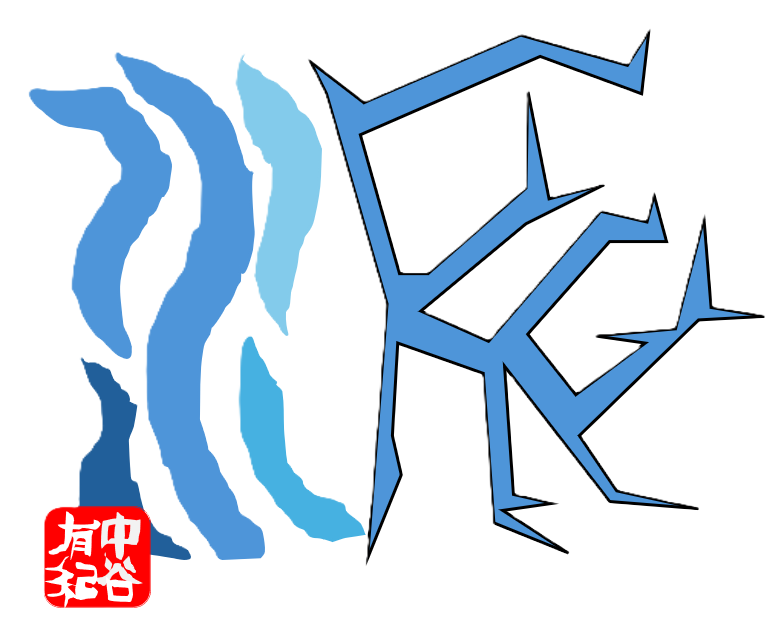
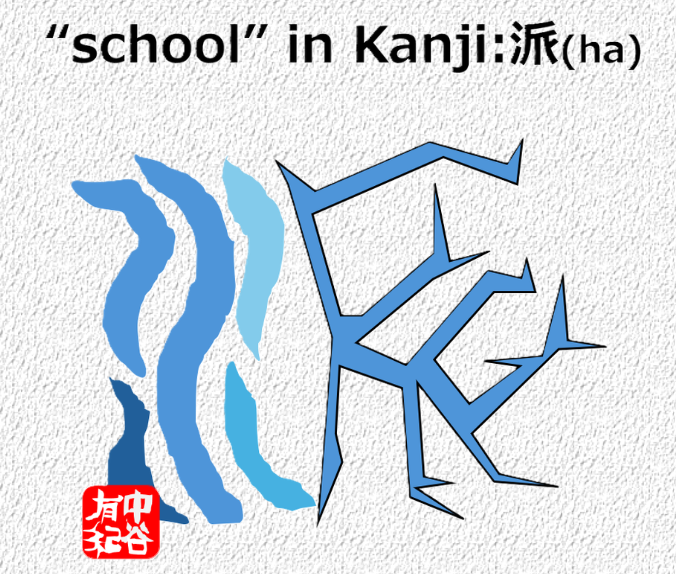
This character contains the radical for flowing water on the left, and a symbol for water pathways on the right. Because streams naturally split into separate paths, this character came to mean a “school” or “branch” of thought.


The short story of Kanji pictures
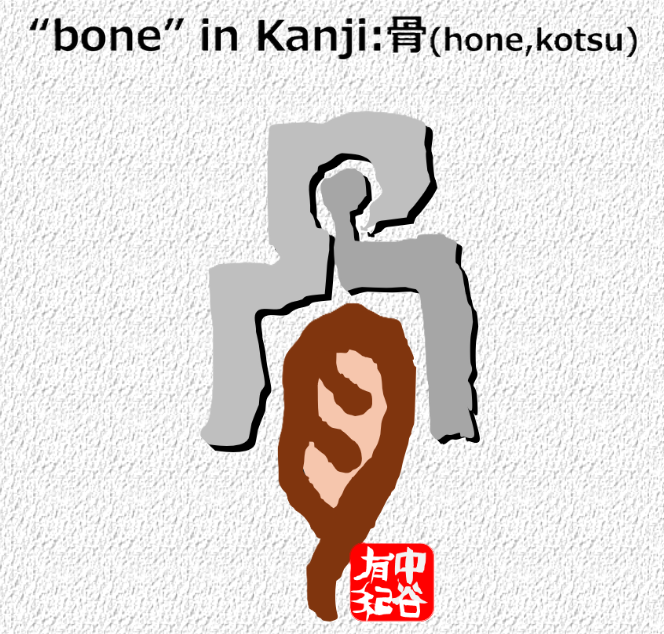

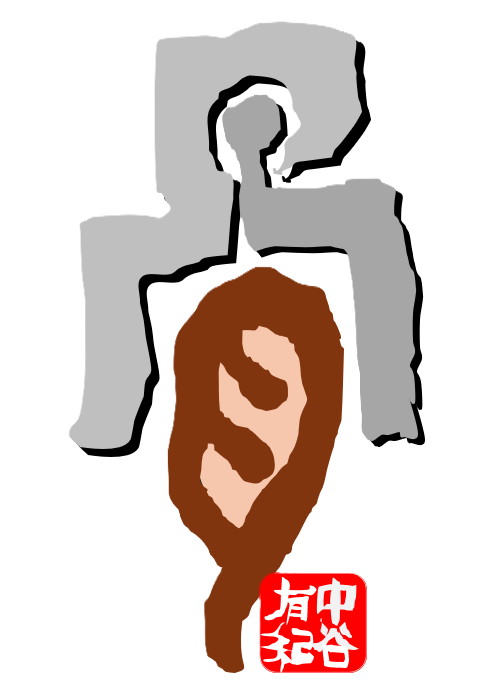
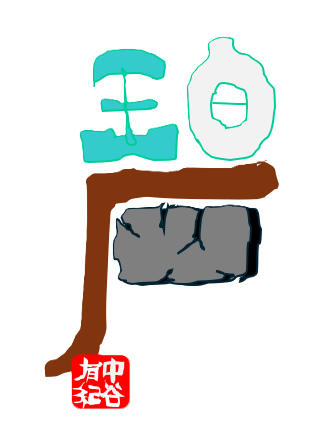
This kanji has two parts: the top radical represents a bone joint, and the bottom radical means “muscle” or “body.” Together, it originally meant a physical “bone.” Over time, its meaning expanded to describe the ability to move your body effectively, just as you imagine.
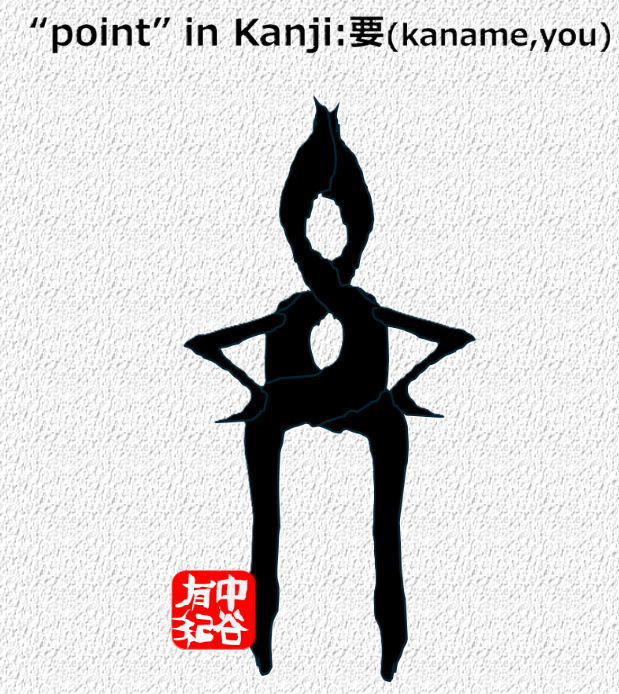
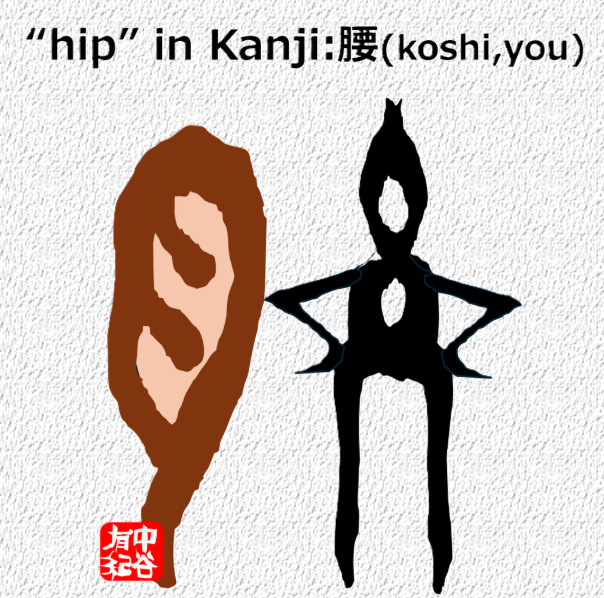

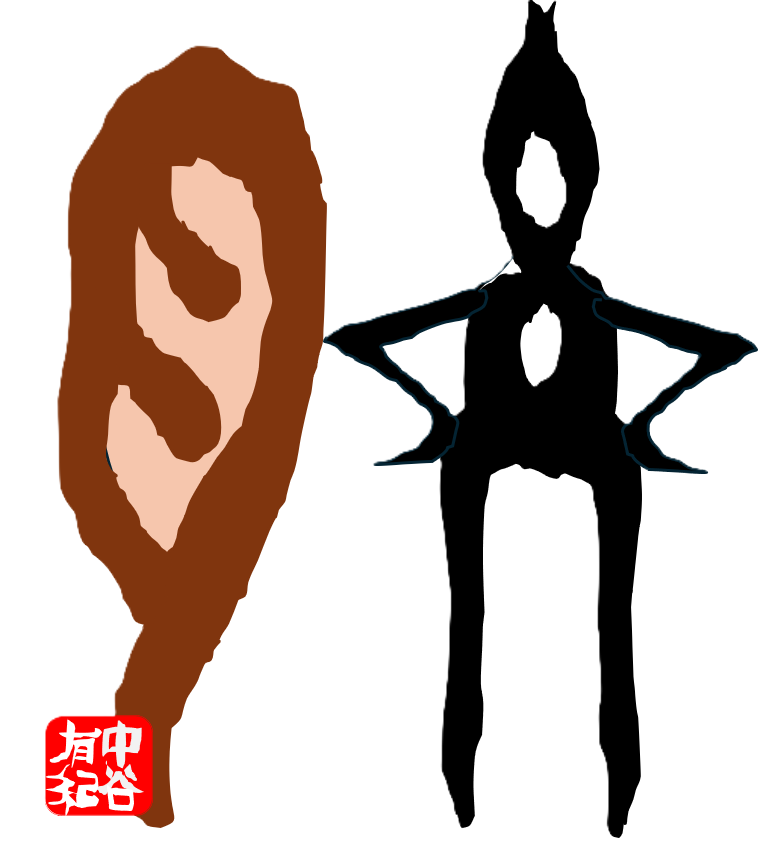
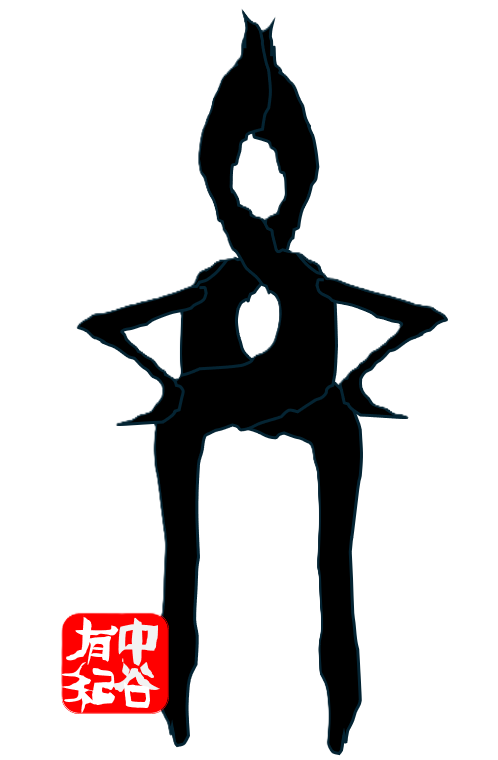
This kanji consists of two parts. On the left is the “body” radical, and on the right is a woman with her hands on her hips, which represents the body’s most important part. Together, this kanji means “hip” or “the most vital physical point.”
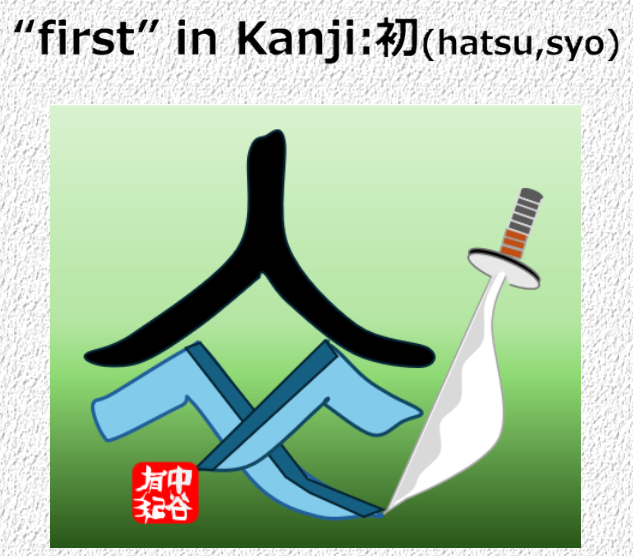

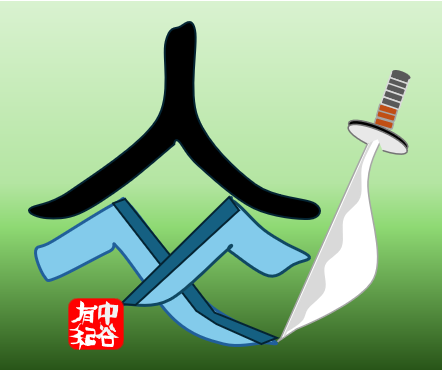
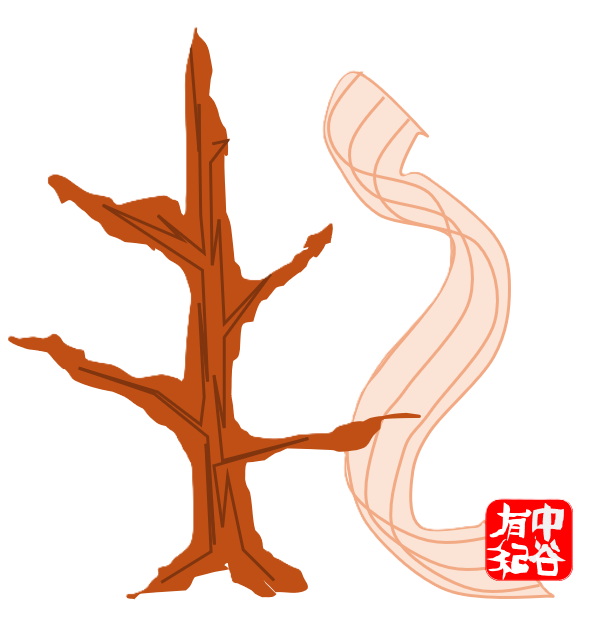
This kanji consists of two parts: the clothing radical on the left, which depicts a person wearing a kimono, and the knife radical on the right.
Together, these components form the kanji meaning “first” or “at first,” originally referring to cutting fabric to make clothes.
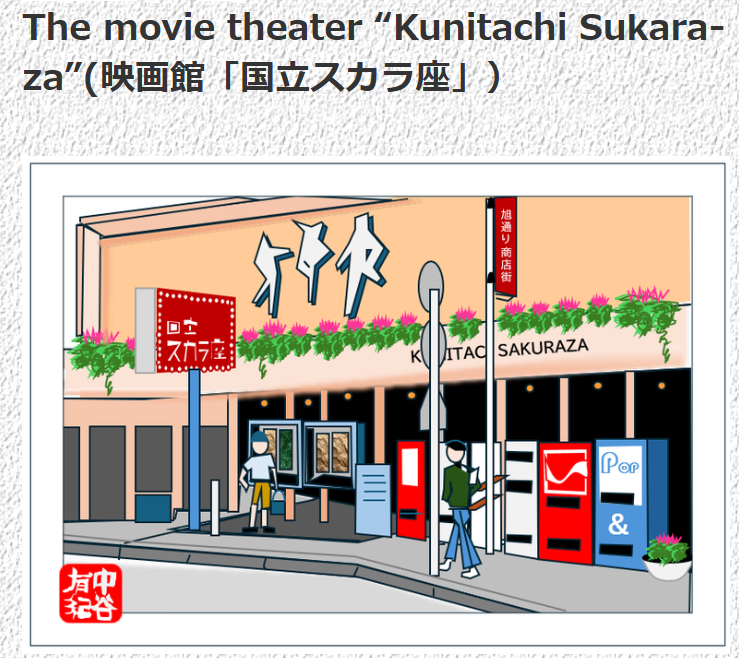
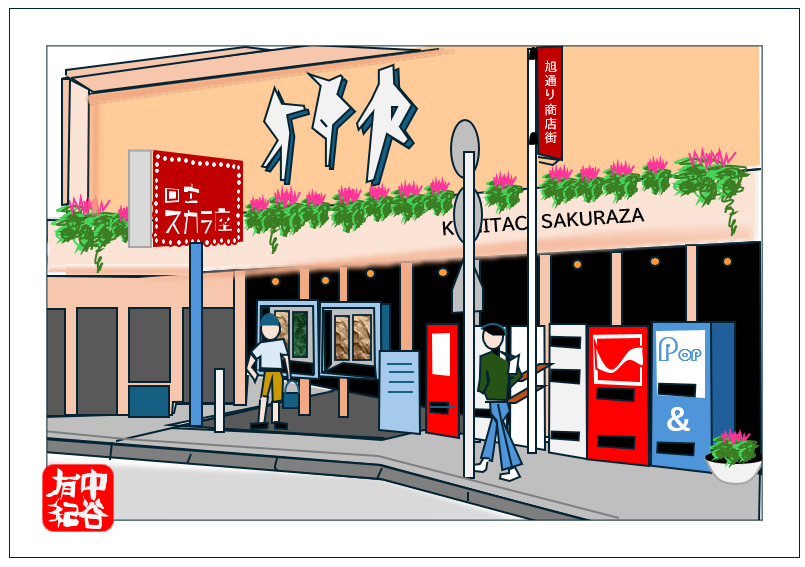
Even today, only a few people know that there used to be a movie theater on Asahi Street in Kunitachi City.
It first opened in 1956 under the name “Kunitachi Koni Theater” (国立コニー劇場). The theater showed domestic films and gained popularity among local residents. However, around the time of the 1964 Tokyo Olympics, television grew in popularity, leading to a decline in movie theater attendance. As a result, the theater closed in 1965. For a while after its closure, the abandoned building was rumored to be a haunted house.
In 1967, the theater was renovated and reopened as “Kunitachi Sukara-za” (国立スカラ座). It regained its popularity, drawing around 1,000 visitors every day by 1975. However, as home video and video rentals later became mainstream, attendance dropped again, and the theater permanently closed in 1987.
Since then, there have been no movie theaters in Kunitachi City. However, citizen groups frequently host pop-up movie events here in Kunitachi.
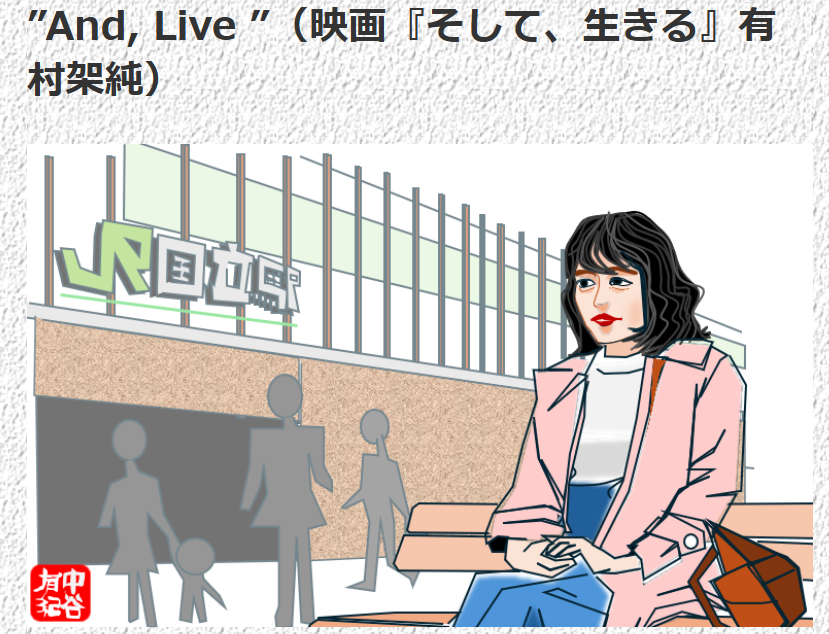
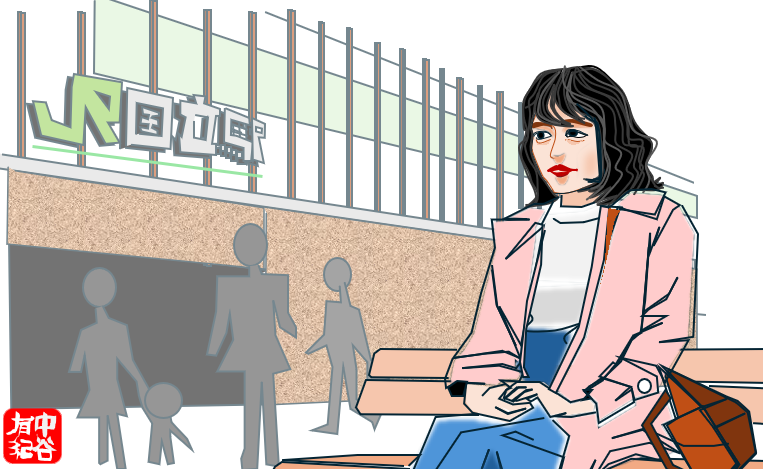
The movie” And, Live (Soshite, Ikiru)” is a 10-year story that follows three university students who randomly meet while volunteering after the Great East Japan Earthquake. As they enter society and face the turns of fate, they struggle and mature while trying to find their own paths in life.
The lead actress, Kasumi Arimura, plays a character who steps off at Kunitachi Station and walks through the town in search of her missing lover. The newly renovated Kunitachi Station building and Daigaku-dori (University Avenue) are symbolically captured on screen.
Originally broadcast in 2019 as a 6-episode drama series on WOWOW, it was later re-edited and released as a feature film.