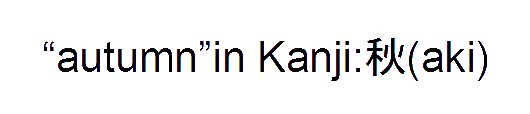
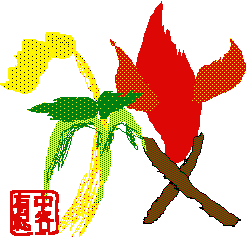
This kanji has a rice plant on the left and a fire on the right. It shows the process of harvesting rice from the fields and drying it to store for later. This traditional scene represents autumn in Japan.
The short story of Kanji pictures
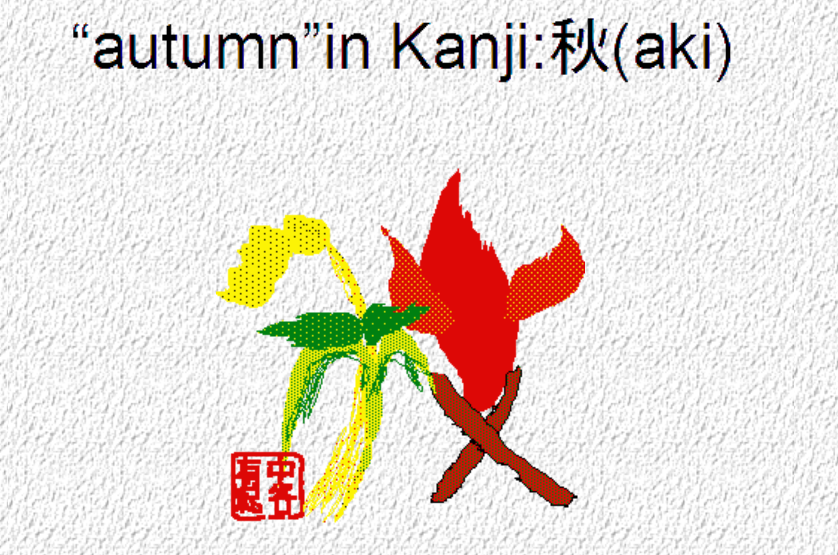
This kanji has a rice plant on the left and a fire on the right. It shows the process of harvesting rice from the fields and drying it to store for later. This traditional scene represents autumn in Japan.
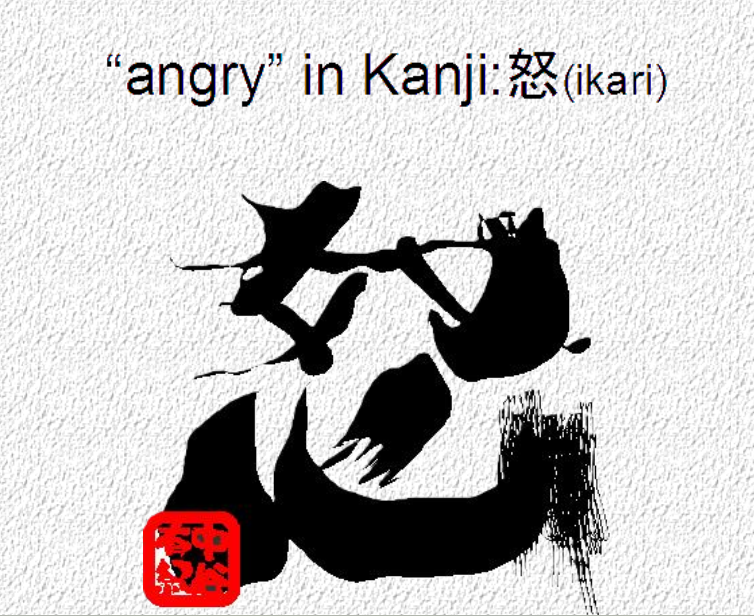
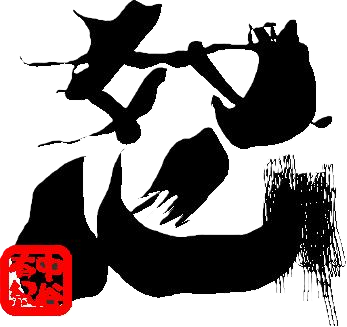
This kanji is made up of three parts. The top-left means ‘woman,’ the top-right means ‘hand,’ and the bottom means ‘heart.’ Together, I think this kanji symbolizes a primal emotion that a man feels when his woman is taken by someone else—angry.
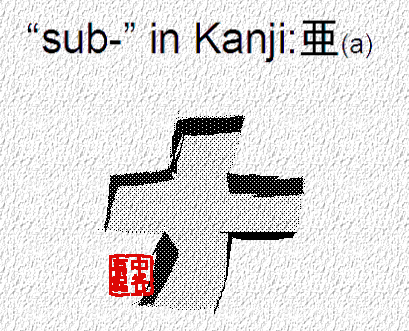
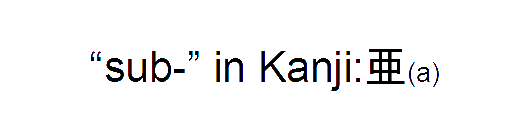
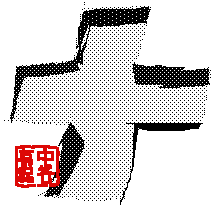
Ancient people dug up the ground like this to make houses and tombs. Since this work was exhausting, they often couldn’t dig enough. Therefore, this kanji represents being “not quite enough” or “slightly incomplete”,”sub-“.
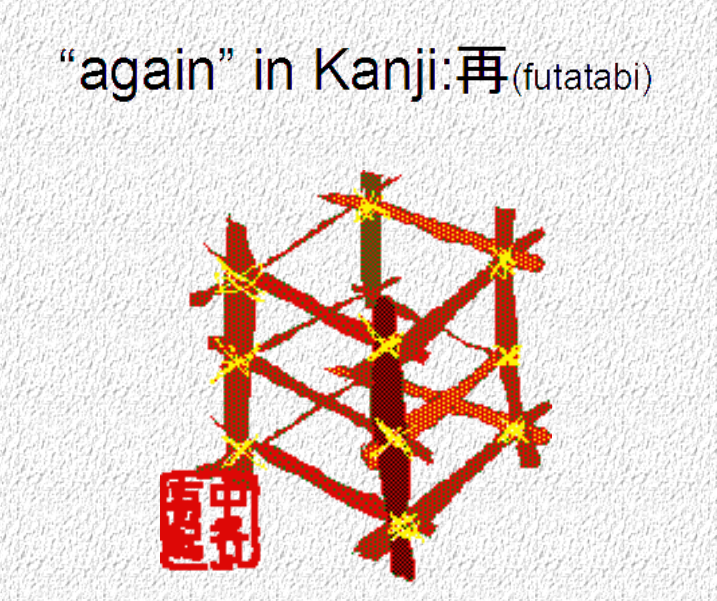
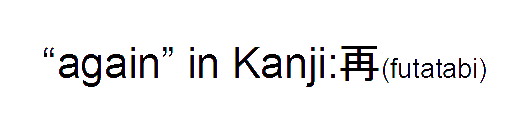
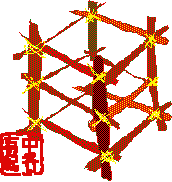
“You can see a structure made of many wooden posts in this drawing. It represents the act of assembling the same materials repeatedly—which is why this kanji means ‘again.'”
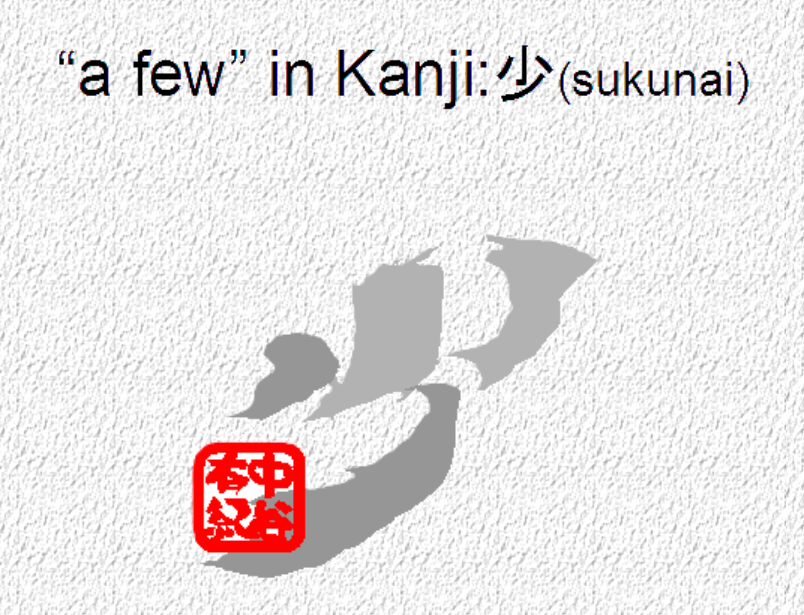
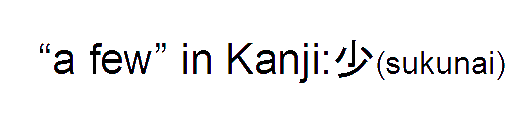
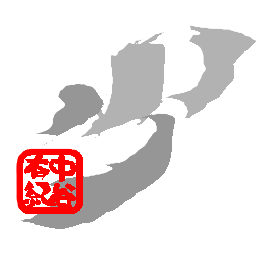
By making a sharp cut into a shape, a piece is taken away so that there is less than before. Therefore, this character naturally carries the meaning of ‘a few’.