believe(信)

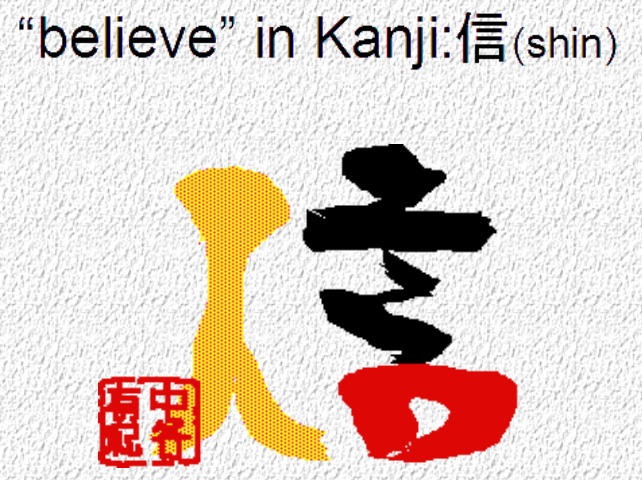
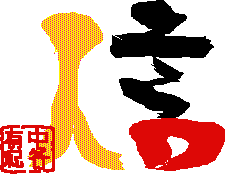
This character carries the meaning of ‘believe.’ On the left side of this figure, you can see the symbol for a person, and on the right, someone speaking with their mouth open. Therefore, it expresses the beautiful idea that a person’s words are truly worth believing!

この漢字は、左側は「人(にんべん)」、右側は口から発する「言葉(言)」を表しています。人の言葉には嘘がなく、大切にする価値があるという考えから、「信じる・信用する」という意味になりました。

Words & Phrases

  • 信義(shingi):Fulfilling promises faithfully and conscientiously doing what one ought to do as a human being; acting with fidelity and integrity.
  • 信頼(shinrai):Entrusting a task, matter, or responsibility to someone with full faith and confidence in them.
Related Posts

back(背)

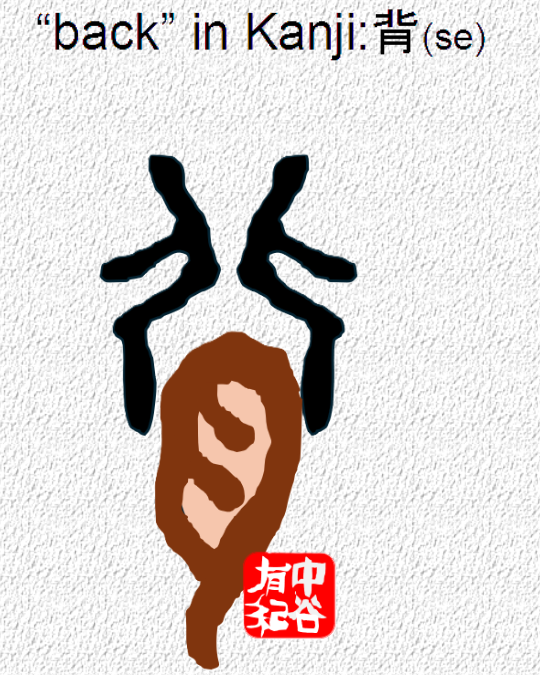
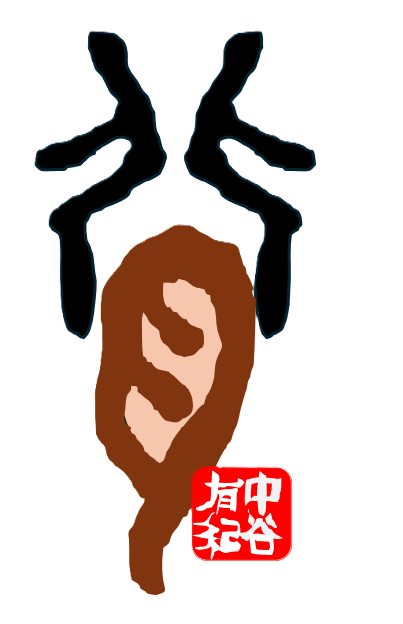
This kanji consists of two parts. The top radical represents two people sitting back-to-back, which originally meant “back.” Later, it came to mean “north” because ancient Chinese emperors always faced south when seated, putting their backs to the north. To restore and clarify the original meaning, the radical for “muscle” or “body” was added to the bottom, creating the kanji that means “back.”

もともと「北」という字は2人の人が背中を向け合っている姿を描いており、「背中」を意味していました。しかし皇帝が南を向き、背中が北側になることから「北(きた)」の方角を指すようになったため、身体を表す「肉(月)」を下にくっつけて「背(せ・せなか)」という漢字が作られました。

Words & Phrases

  • 背景(haikei):background
  • 背く(somuku):to disobey,to go against

balance(両)

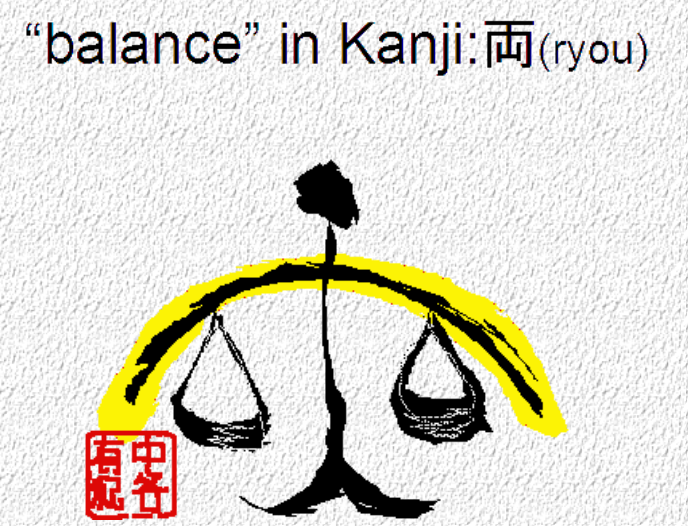
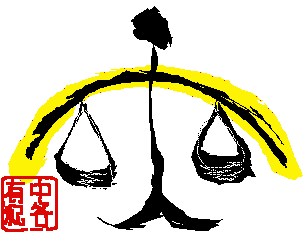
This character carries the meaning of ‘balance’ or ‘both,’ as you can clearly see the distinct shape of a balance scale within its form.

左右に均等にバランスをとる「天秤(てんびん)ばかり」の形をそのまま描いた漢字です。左右の釣り合いがとれていることから、「両方(りょうほう)」や「バランス」を意味します。

Words & Phrases

  • 両親(ryoshin):parents
  • 両立(ryoritsu):to be compatible with
  • 車両(syaryou):train car