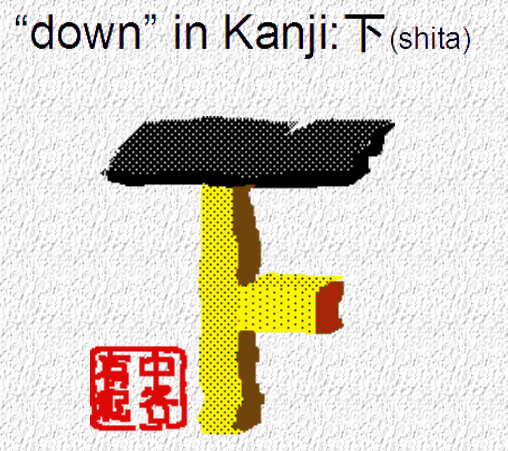
The character for the sun is remarkably simple. As you can see, it is represented by nothing more than a basic round mark.
The short story of Kanji pictures
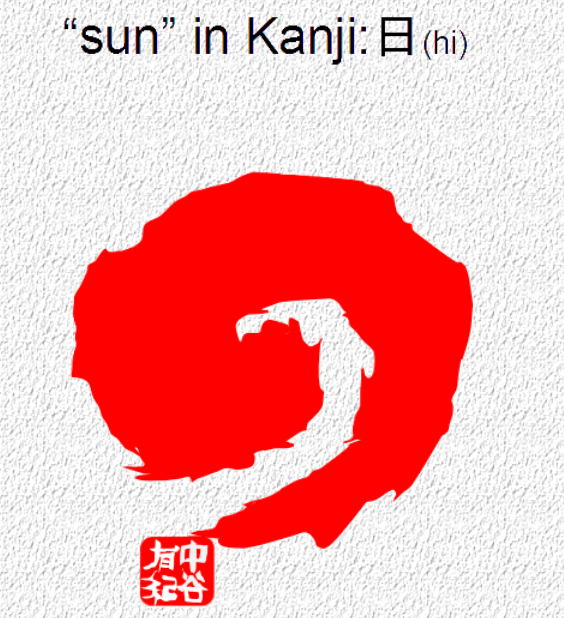
The character for the sun is remarkably simple. As you can see, it is represented by nothing more than a basic round mark.


Can you tell what this character means at a first glance? On the left side, you can find a generous amount of food served on a tall tray, and on the right, a person sitting down—completely full. Yes, this character expresses the exact meaning of ‘already enough’.
この漢字は、食事の器を前にして、お腹がいっぱいになり「もう十分食べた」と顔を後ろに向けている人の姿を描いています。物事がすでに終わっていることから「すでに(もう)」という意味になりました。
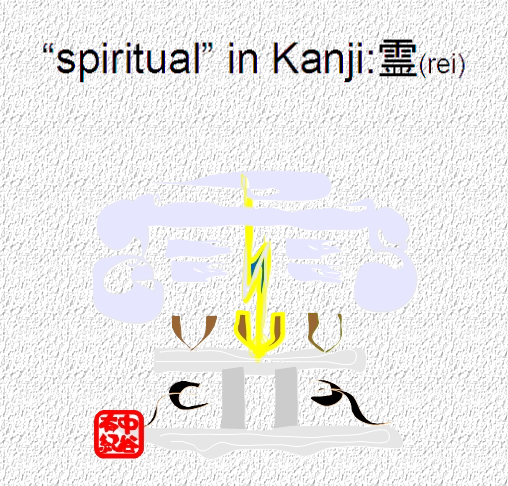
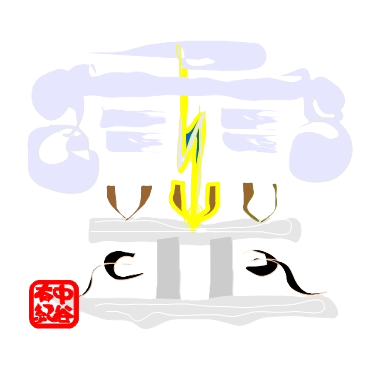
This character depicts a cloud with a thunderbolt striking one of the clay pods devoted to God. Ancient people prayed and sought to hear divine messages through sacred ceremonies like this, which is why it now carries the meaning of ‘spiritual’.


On the right side of this figure, you can see a pile of blocks, while the left features a stand for sacred offerings. Therefore, this character beautifully symbolizes an ‘ancestor’—representing those who built and piled up their lives through the generations.
この漢字は、左側は神様を祀る祭壇(しめすへん)、右側はお供え物を積み重ねた台や先祖の位牌を描いたものです。一族の始まりであり、祀るべき対象である「先祖・おじいさん」を意味します。
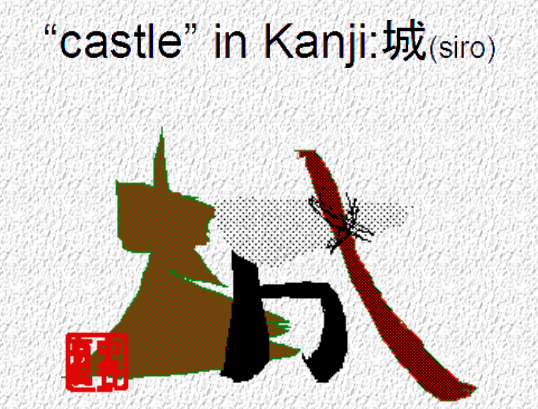
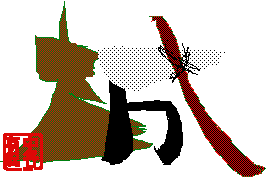
On the left side of this figure, you can find the symbol for land, and on the right, a sword. Therefore, this character represents a place built upon the earth and protected by weapons—meaning a ‘castle’.
この漢字は、左側は材料である「土」、右側は武器(戈)を持って敵を防ぎ完成させる様子(成)を表しています。土を固めて城壁を築き、武器で固めて外敵から守る場所であることから、「城(しろ)」を意味します。
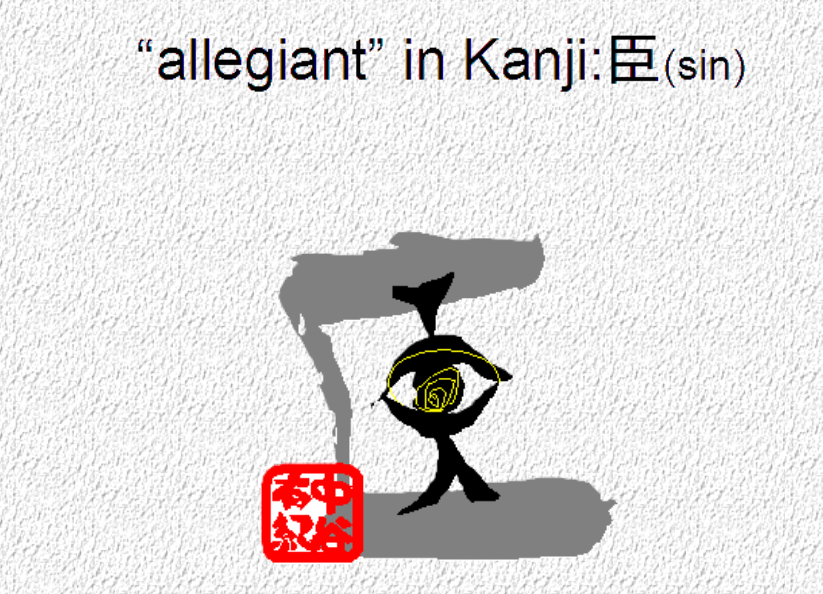
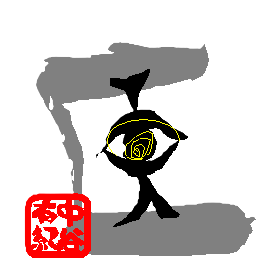
This character describes a man keeping a watchful eye and standing guard for his king. Therefore, it carries the profound meaning of an ‘allegiant’ or a ‘liege man’.
主君に対して首を垂れつつ、警戒を怠らずにじっと見つめている家臣の目を描いた漢字です。主君に仕えて見張りをし、忠誠を尽くす「家来・臣下」を意味します。
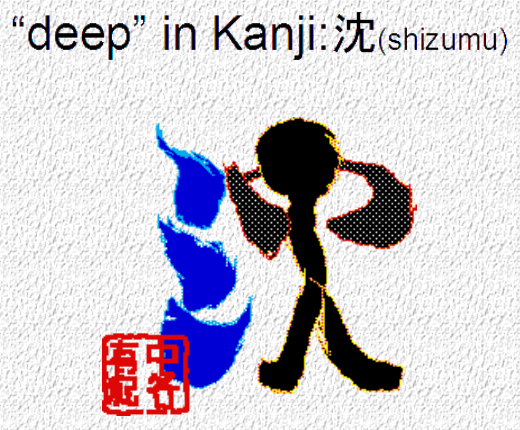
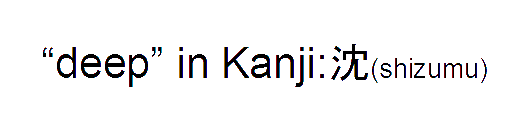
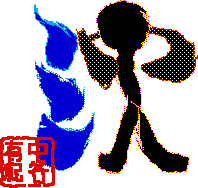
On the left side of this figure, you can see a splash, which represents water. And on the right… what do you think it is? It is a grim depiction of a person with a heavy object, like a stone or iron, fastened around their neck. This visualizes a severe ancient penalty or ritual where someone was weighted down and cast into the water. Therefore, this character carries the meaning of ‘sink’ or ‘submerge’.
この漢字は、左側は水しぶき(水)を表しています。右側は、首に石や鉄などの重りを巻きつけられた人の姿です。大昔の過酷な刑罰や儀式で、重りをつけて水の中に沈めた様子を描いており、「しずむ(沈む・沈没)」という意味になりました。