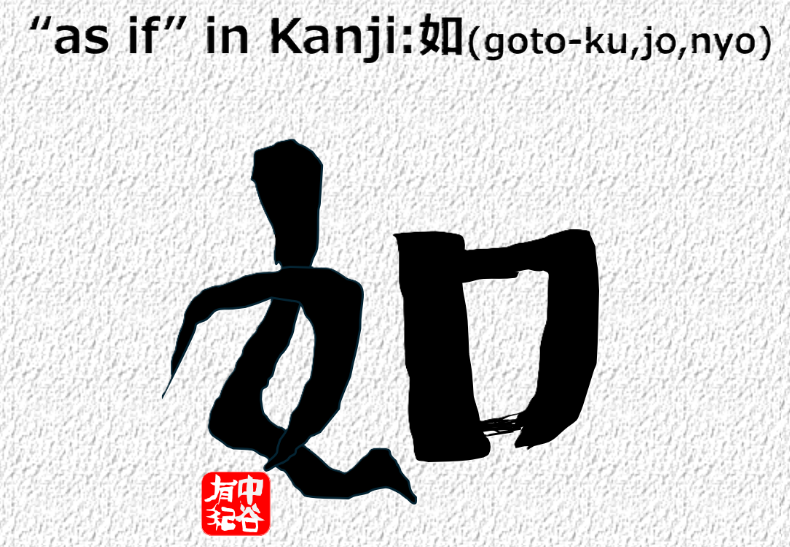

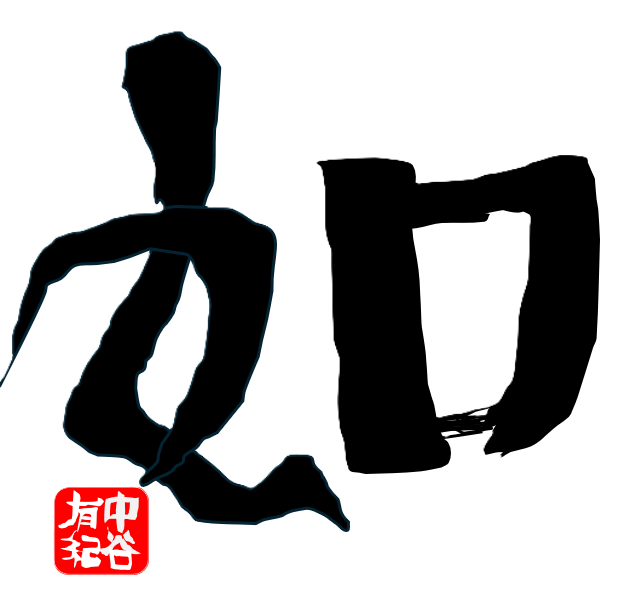
This kanji is made of two parts. On the left is the ‘woman’ radical, representing a female shaman kneeling in prayer. On the right is the ‘mouth’ radical, representing words received from the gods. Combined, this kanji originally depicted a shaman speaking on behalf of a deity—acting as if she were the god herself. Over time, it came to mean ‘as if’ or ‘like.’
Words & Phrases
- 如何(ikaga):The progression of events or how a situation develops and turns out; the course of events.
- 如雨露(jouro):Watering pot