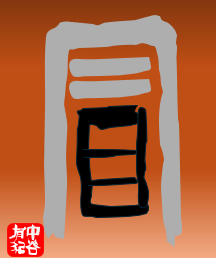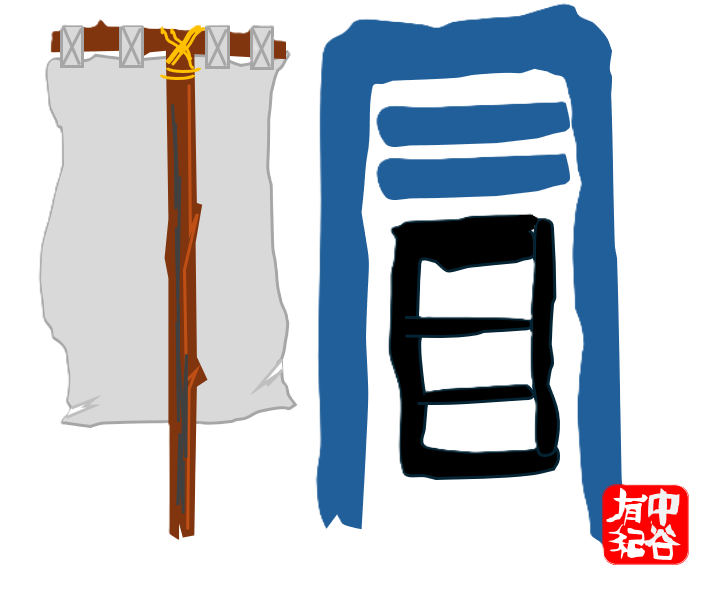
This kanji consists of two parts. On the left is the “cloth/flag” radical, and on the right is “venture”—which depicts someone moving forward with their eyes covered. Together, they represent a cap or hat made of cloth.
The short story of Kanji pictures
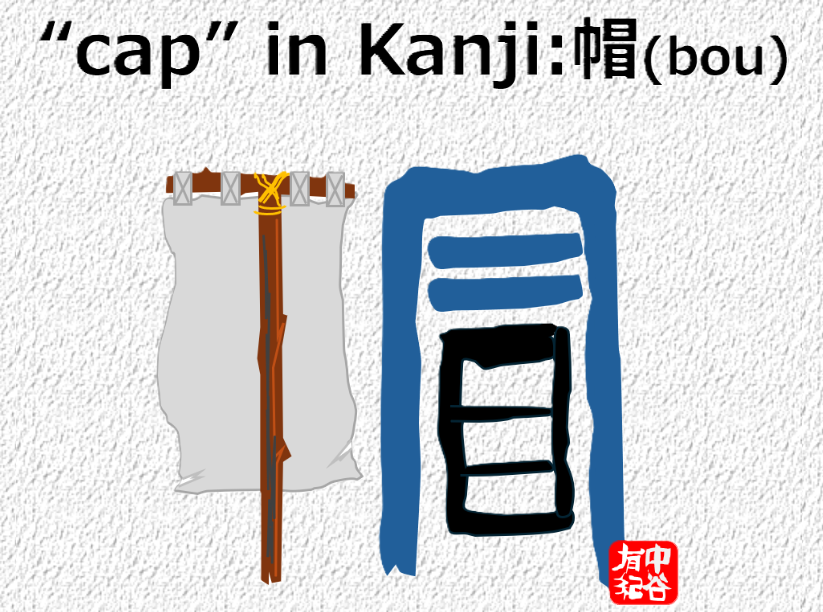
This kanji consists of two parts. On the left is the “cloth/flag” radical, and on the right is “venture”—which depicts someone moving forward with their eyes covered. Together, they represent a cap or hat made of cloth.
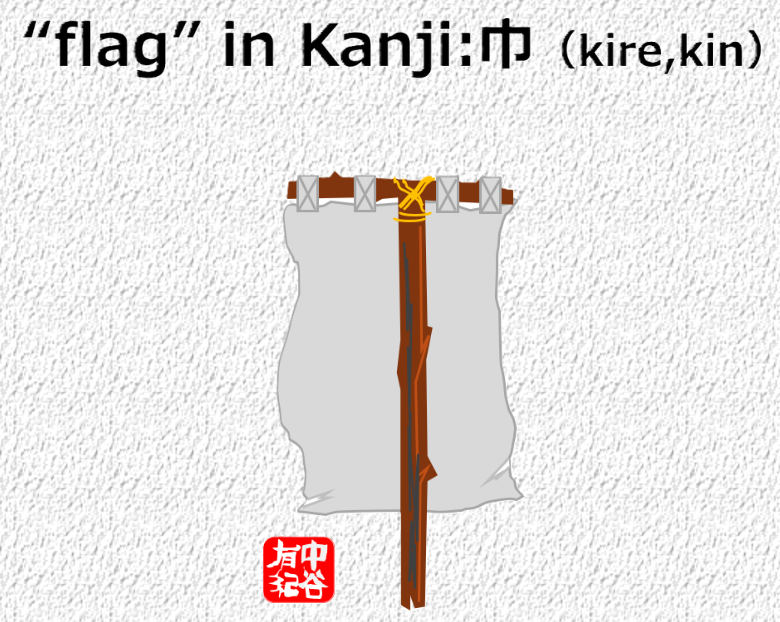

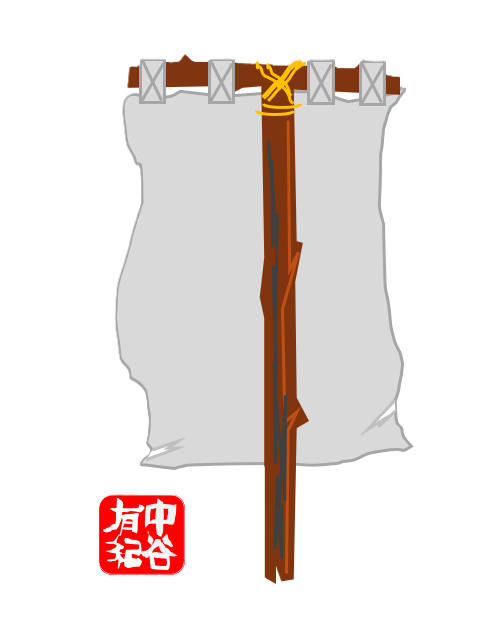
This kanji simply depicts a flag attached to a tall pole. As you can see, it originally refers to a “flag” or “banner“,”clothe”.
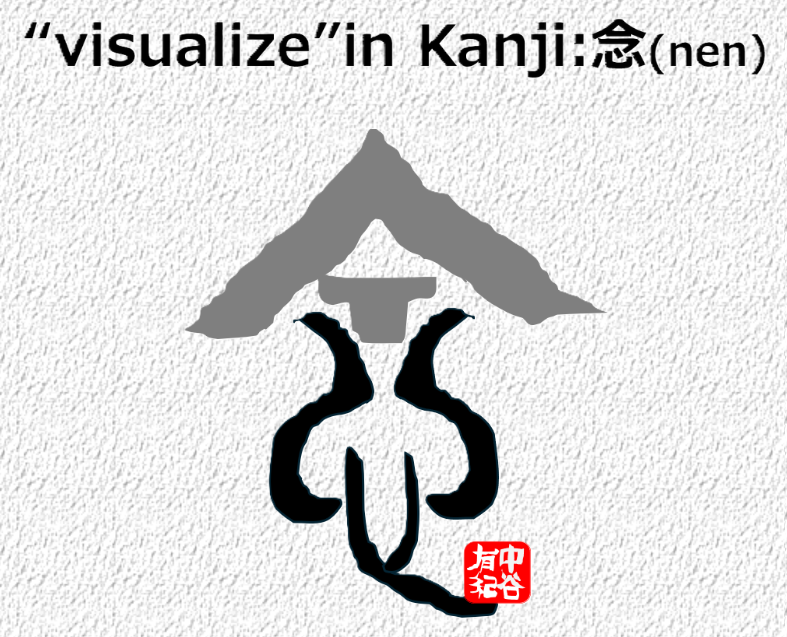

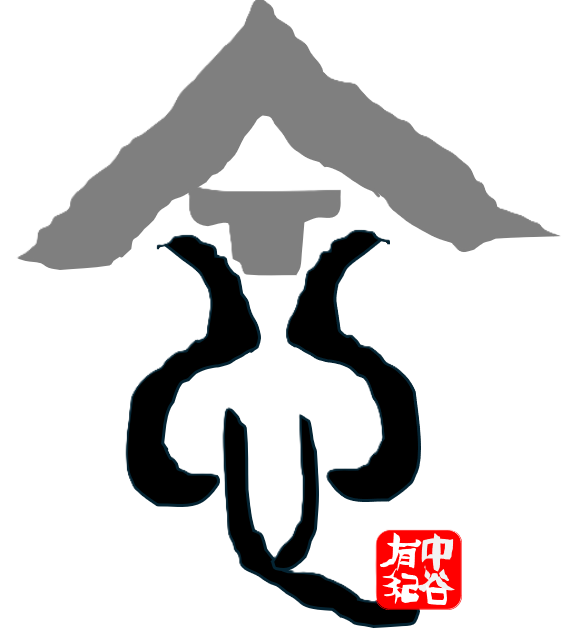
This kanji is made of two parts: a “cap” (or “now”) on top and a “heart” below, depicting a heart contained within oneself. It symbolizes keeping thoughts inside without speaking them aloud—essentially meaning “to hold in one’s mind” or “to visualize.”
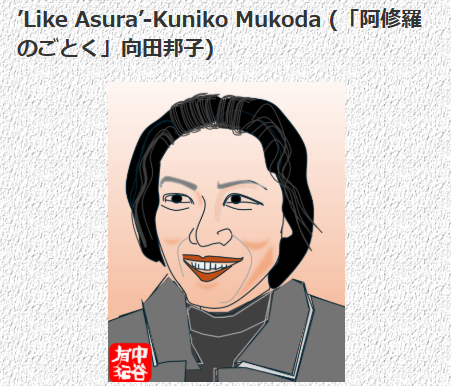
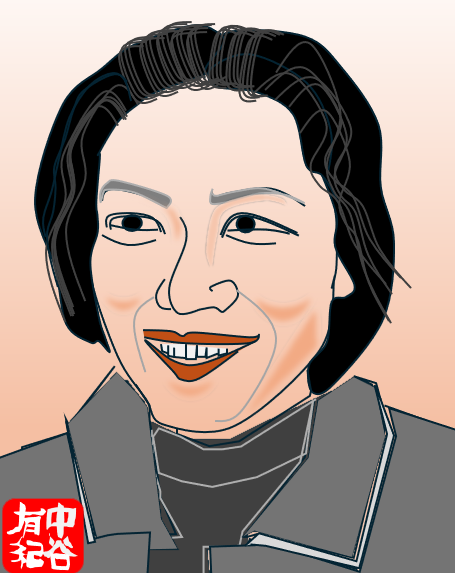
Like Asura (Ashura no Gotoku) is widely considered a masterpiece of domestic drama. Written by acclaimed screenwriter Kuniko Mukoda (1929–1981), the story follows four sisters whose brutally honest interactions reveal the Asura-like ego and obsession lurking deep within the human heart. The story is originally set right here in Kunitachi City.
Originally broadcast as an NHK television drama in 1979, the classic has been adapted multiple times over the decades:
1979: Original NHK TV Drama
2003: Feature Film (directed by Yoshimitsu Morita)
2004: Stage Play
2025: Netflix Series (directed by Hirokazu Kore-eda)
| Netflix Homepage | https://about.netflix.com/ja/news/asura-streams-january-9 |
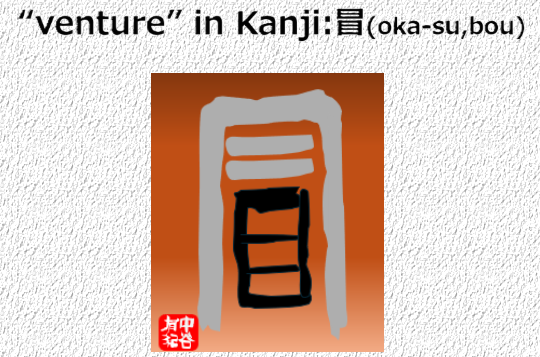
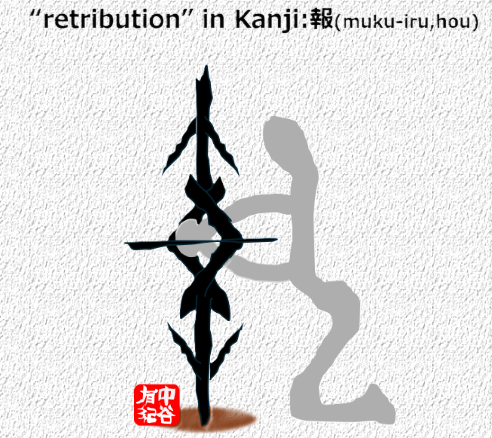

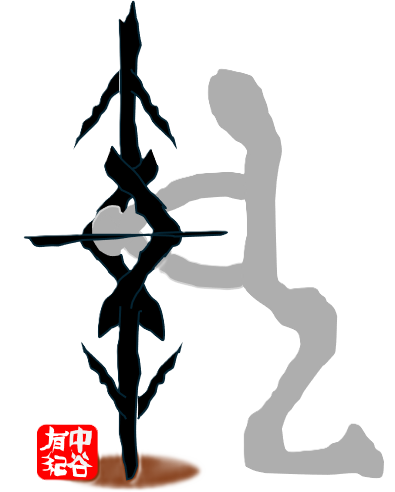
This kanji depicts a captured person bound in manacles, an ancient torture device. Therefore, this kanji came to mean ‘retribution’ or ‘punishment’ for a crime committed.
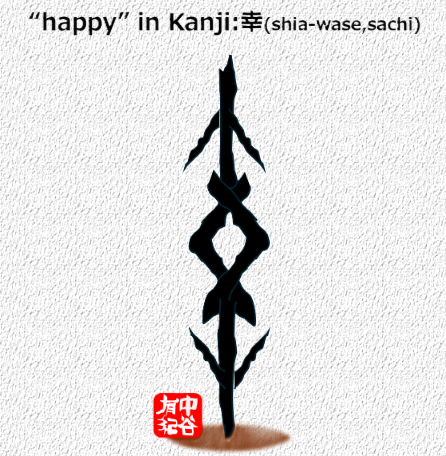

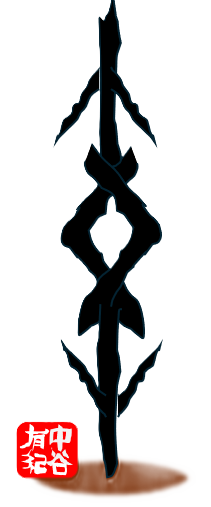
This kanji depicts manacles, an ancient torture device. Many people wonder why a symbol for manacles came to mean ‘happy’? The center of the kanji shows the empty hole where a hand should be, symbolizing the good fortune of narrowly escaping torture.
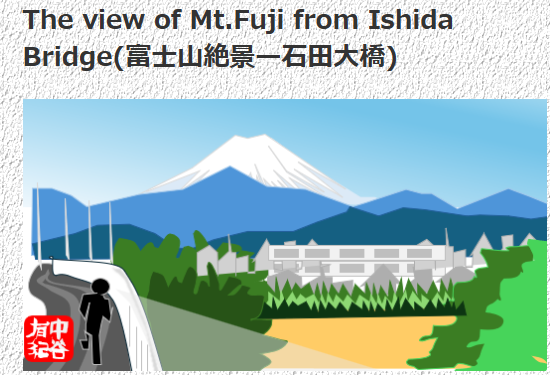
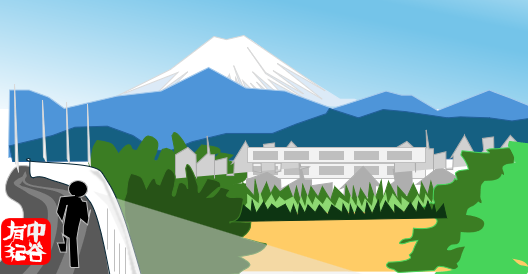
Ishida Bridge crosses the Tama River between Kunitachi and Hino. On a sunny day, you’ll see lots of runners out enjoying the great view of Mt. Fuji!
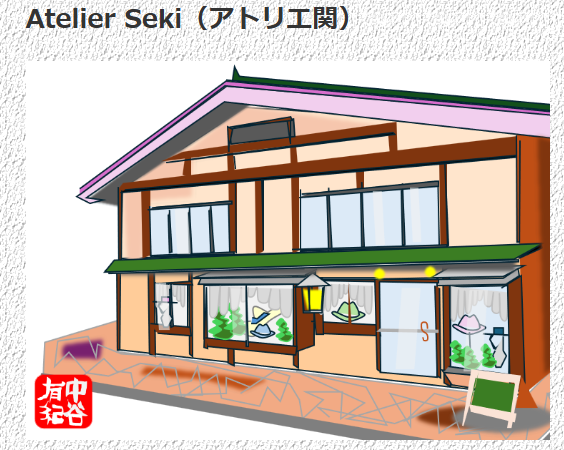
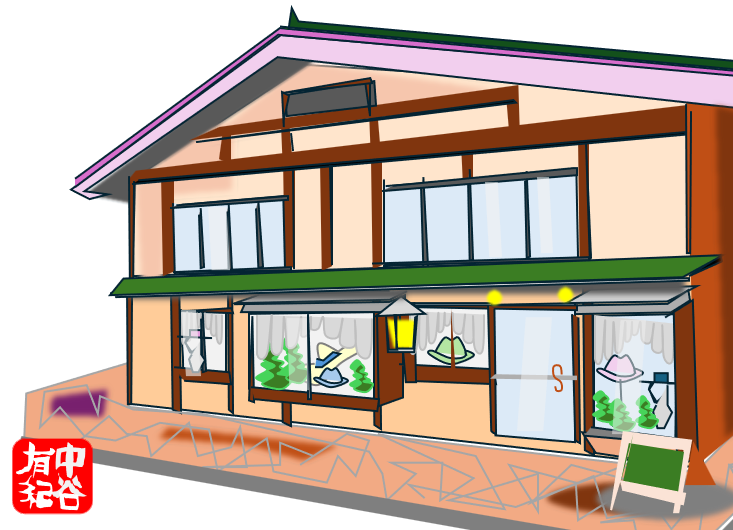
Tami Seki (1919–2010) was a hat designer who supported her husband, Gantei Seki, throughout her life. She opened her own hat atelier here in Kunitachi in 1967, which continues to be run by her students today. This atelier is also famous for inspiring the hat shop featured in Studio Ghibli’s movie Howl’s Moving Castle!
| 名称 | Atelier Seki/アトリエ関 |
| 所在地 | 東京都国立市中2−2−1 |
| Homepage | https://atelierseki.jimdofree.com/ |
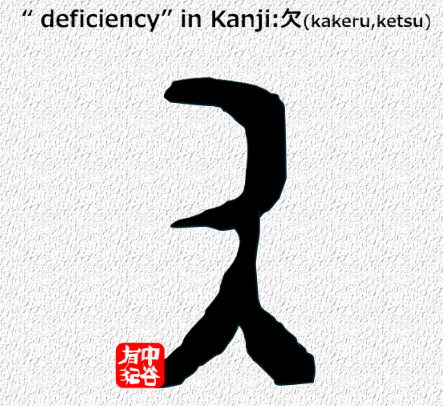

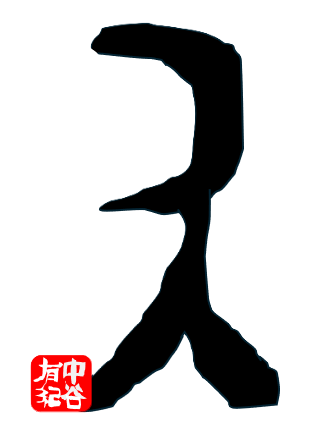
This kanji depicts a person opening their mouth wide, as if yawning. Therefore, it came to mean a lack or deficiency of something.