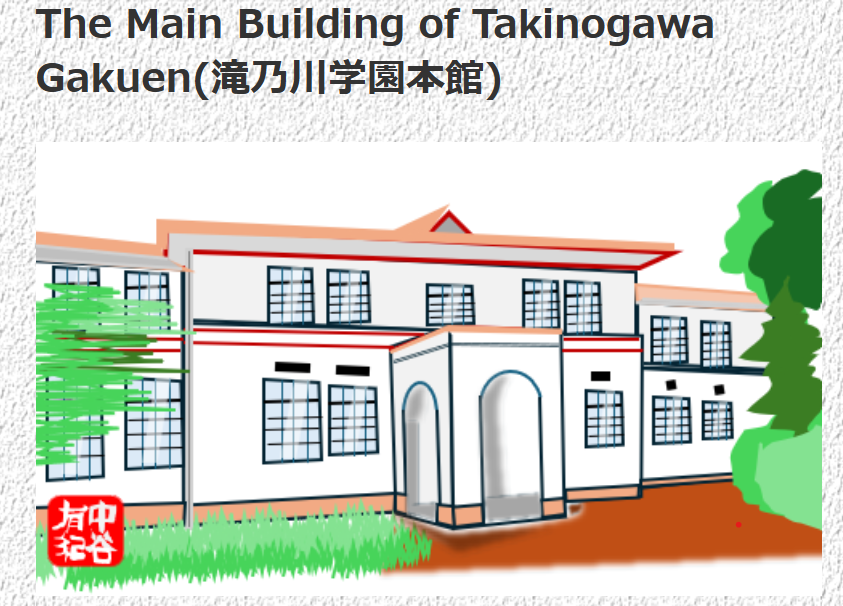
The Main Building of Takinogawa Gakuen(滝乃川学園本館)

The Main Building of Takinogawa Gakuen was built in Yaho in 1928 specifically for the education of children with intellectual disabilities.

Following a tragic fire eight years prior, Fudeko and her husband, Ryoichi, designed this facility with safety and ease of evacuation in mind—featuring wide corridors, low-step slopes with rubber guards, and large windows.

Today, this Main Building is registered as a National Tangible Cultural Property.

名称滝乃川学園 本館(石井亮一・筆子記念館)
所在地〒186-0015 東京都国立市矢川3丁目16番地の1
Homepagehttps://www.takinogawagakuen.jp/
Where is Yaho?

Where is Yaho?

Town

Town

Culture

Culture

Nature

Nature

Yabo Tenmangu

Yabo Tenmangu

History

History


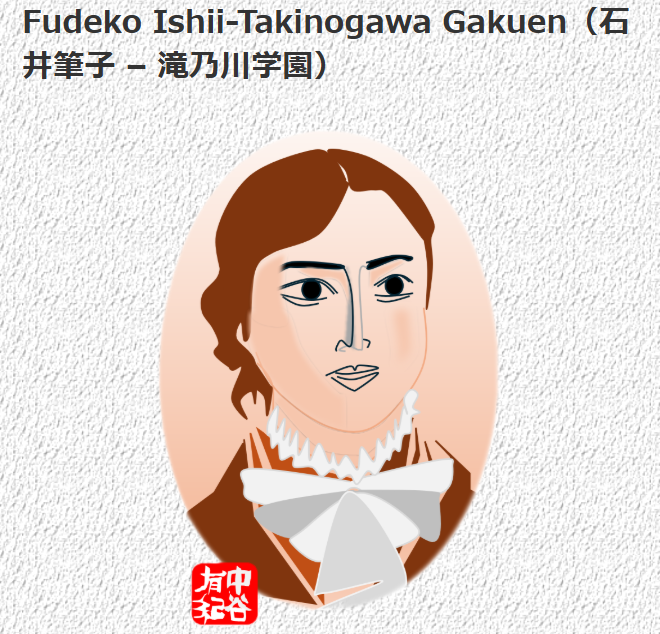
Fudeko Ishii-Takinogawa Gakuen(石井筆子 – 滝乃川学園)

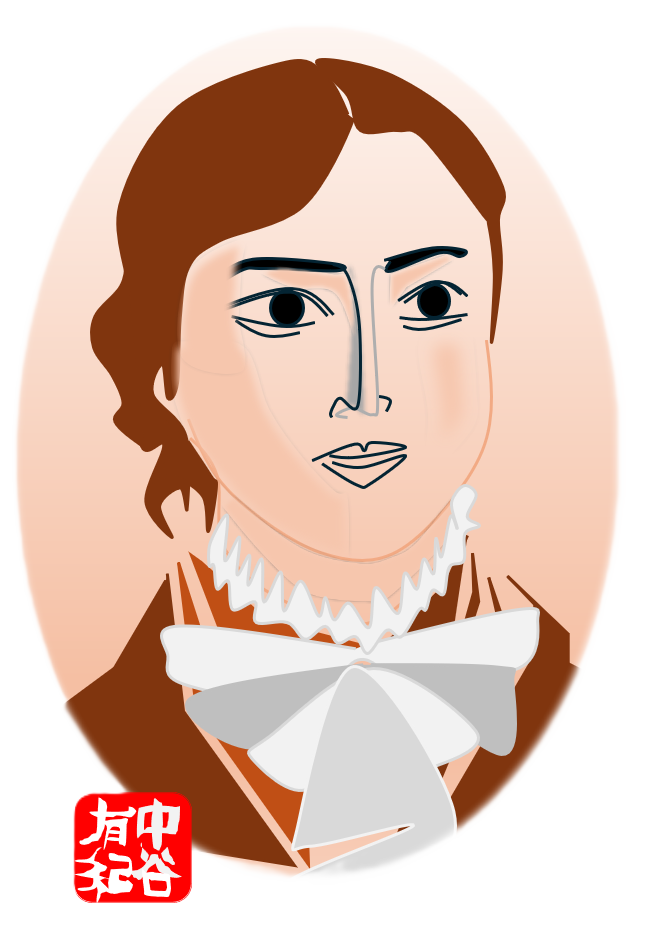
Fudeko Ishii (1861–1944) was a pioneering female educator and the co-founder of Takinogawa Gakuen, Japan’s first school for children with intellectual disabilities, located right here in Yaho.

Born into a samurai family in Kyushu, she grew up to become one of Japan’s first female study-abroad students to Europe, alongside Umeko Tsuda.

After returning to Japan, fluent in three languages and versed in European social etiquette, she was celebrated as “the flower of Rokumeikan society.”

However, tragedy struck her personal life: she lost her husband and two of her three children to illness, while her surviving child had an intellectual disability. Driven by these experiences, she developed a deep devotion to special education.

She went on to found Takinogawa Gakuen, dedicating the rest of her life to educating children with intellectual disabilities.

Her dramatic life was adapted into the 2007 feature film “Fudeko’s Love” (Fudeko no Uta), starring Takako Tokiwa.

滝乃川学園 Homepagehttps://www.takinogawagakuen.jp/
映画「筆子その愛 天使のピアノ」Homepagehttps://www.gendaipro.jp/fudeko/index1.html
Where is Yaho?

Where is Yaho?

Town

Town

Culture

Culture

Nature

Nature

Yabo Tenmangu

Yabo Tenmangu

History

History


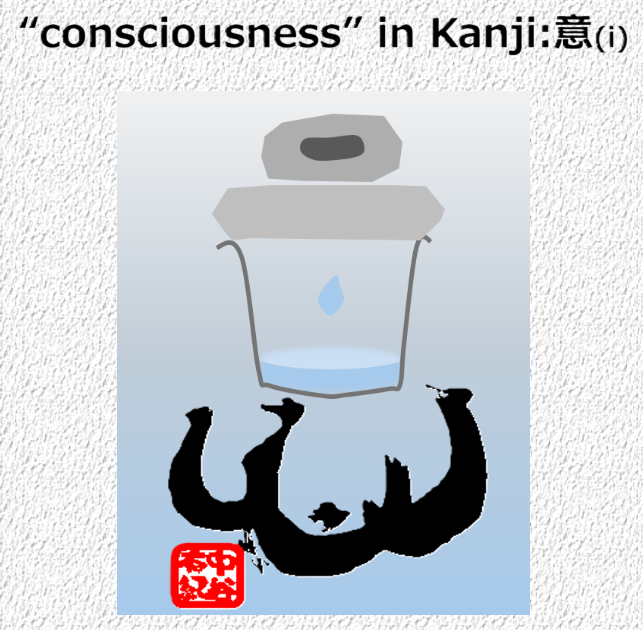
consciousness(意)

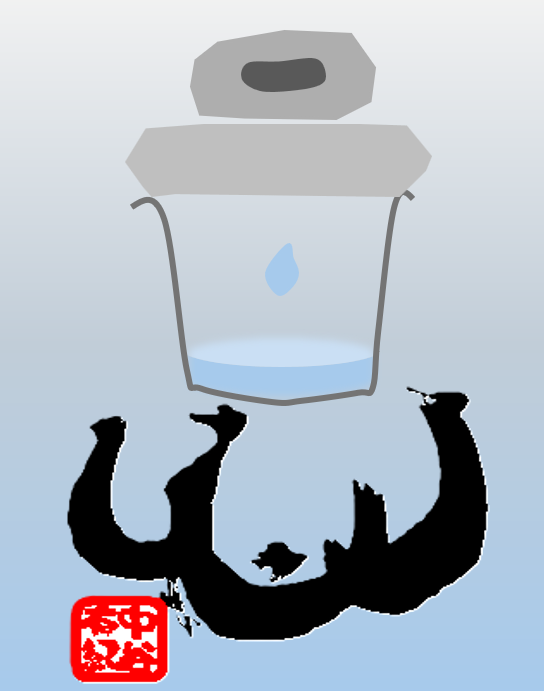
This kanji consists of two parts. The top part is “SOUND,” which originally depicted a vessel producing a sound. Below it is “HEART.” Together, they express a word or thought inside one’s heart that hasn’t been spoken aloud. Therefore, this kanji means “consciousness,” “thought,” or “intention.”

この漢字は。上部は楽器や器から出る響きを表す「音」、下部は「心」です。声に出して口からは言わないけれど、心の中で静かに鳴り響いている考えや気持ちを表し、「意識・思い・考え」という意味になりました。

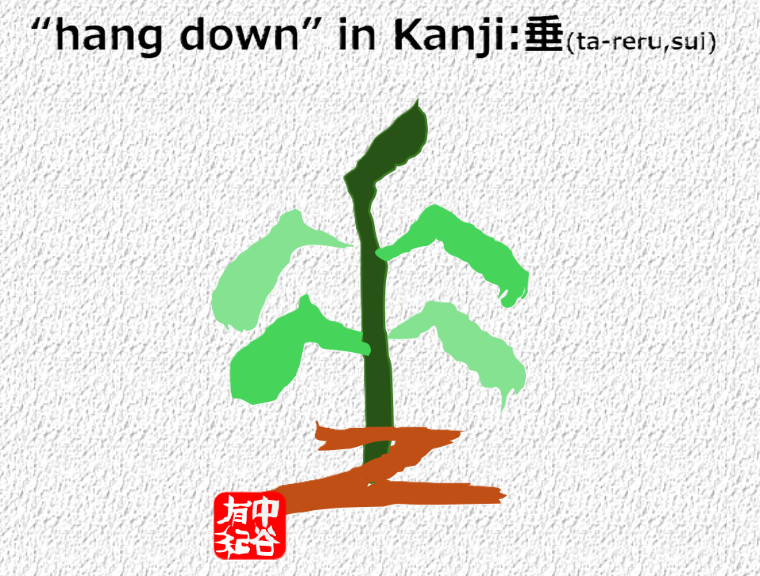
hang down(垂)

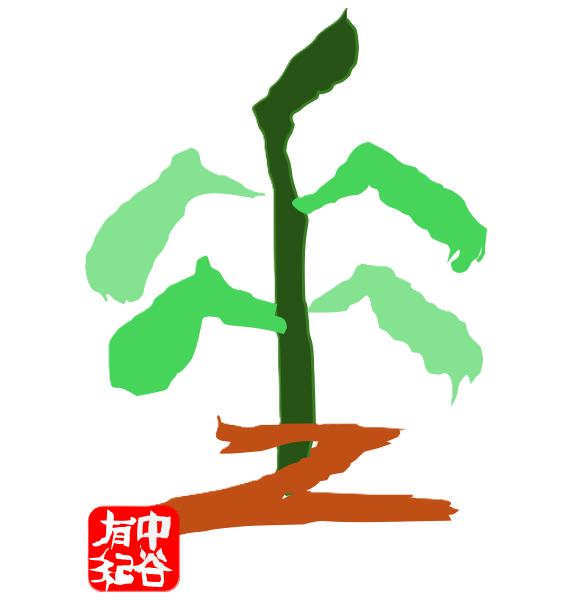
This kanji depicts a plant growing up from the soil, with its branches and leaves hanging down. Therefore, this kanji came to mean ‘to hang down’ or ‘to droop.’

土からまっすぐ伸びた植物が、生い茂る枝や葉の重みで下へと垂れ下がっている様子を描いた漢字です。重力で下へだらりと下がる「垂れる(たれる)」「垂れ下がる」という意味を表します。

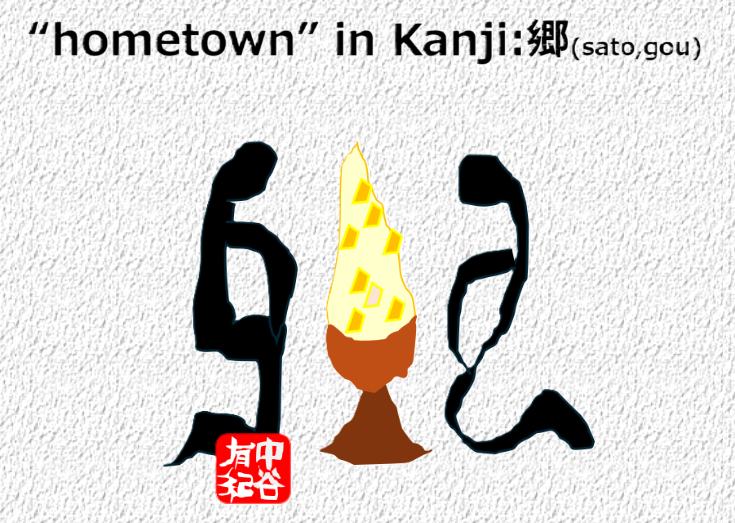
hometown(郷)

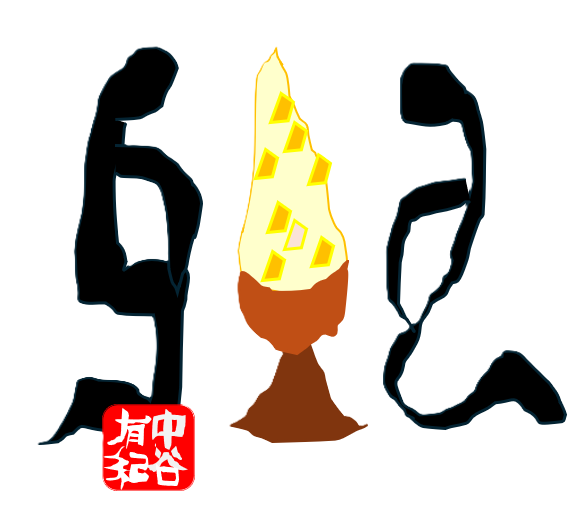
This kanji depicts two people sitting opposite each other with a plate of food between them. Therefore, this kanji came to mean ‘hometown’—a place where people gather to eat and live together.

ごちそうを盛った器を真ん中に挟んで、2人の人が向かい合って座っている様子を描いた漢字です。人々がひとつ屋根の下に集まり、共に食事をして暮らす温かい場所を表し、「ふるさと(故郷・郷里)」という意味になりました。

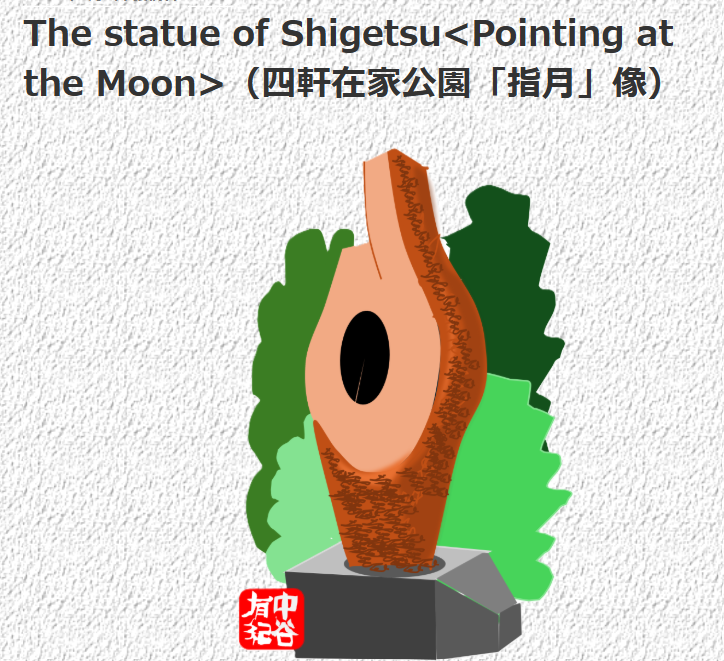
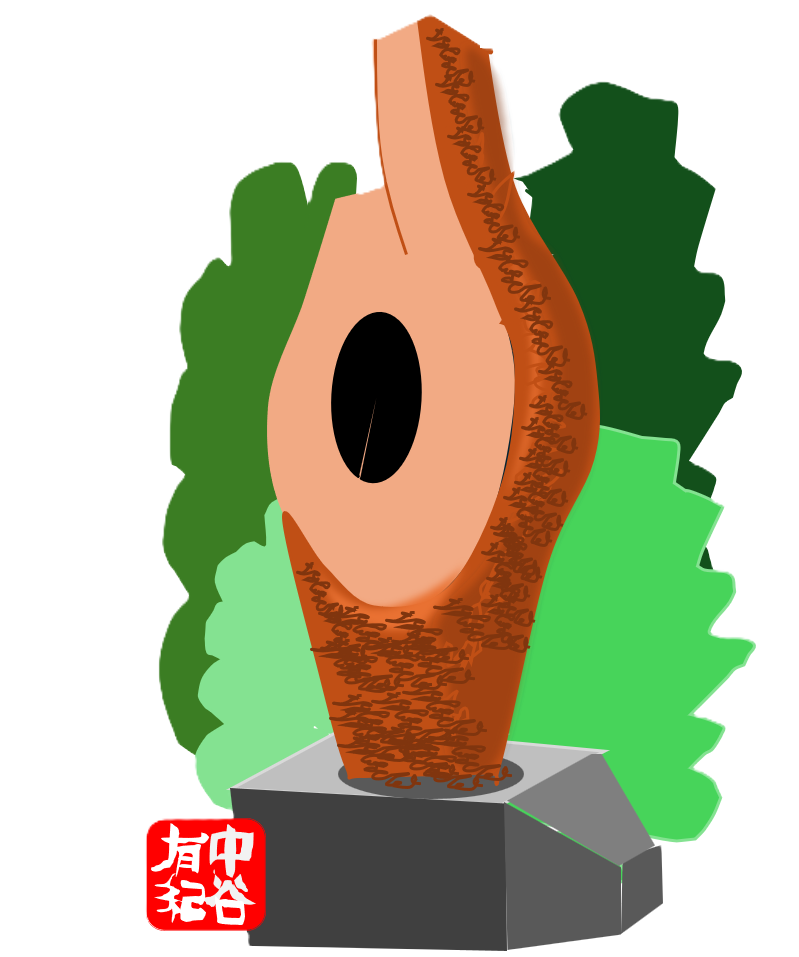
Statue of Shigetsu<Pointing at the Moon>(四軒在家公園「指月」像)

This stone statue was made by Seki Bin at Shikenzaike Park in 2003. The title of this statue, “Shigetsu” (Pointing at the Moon), describes the foolishness of looking only at the finger pointing to the moon, rather than at the moon itself. It cautions us against getting so caught up in the means—such as words or written letters—that we lose sight of the ultimate truth and essential meaning behind them.

名称四軒在家公園
所在地〒186-0015 東京都国立市矢川3丁目10
Where is Yaho?

Where is Yaho?

Town

Town

Culture

Culture

Nature

Nature

Yabo Tenmangu

Yabo Tenmangu

History

History


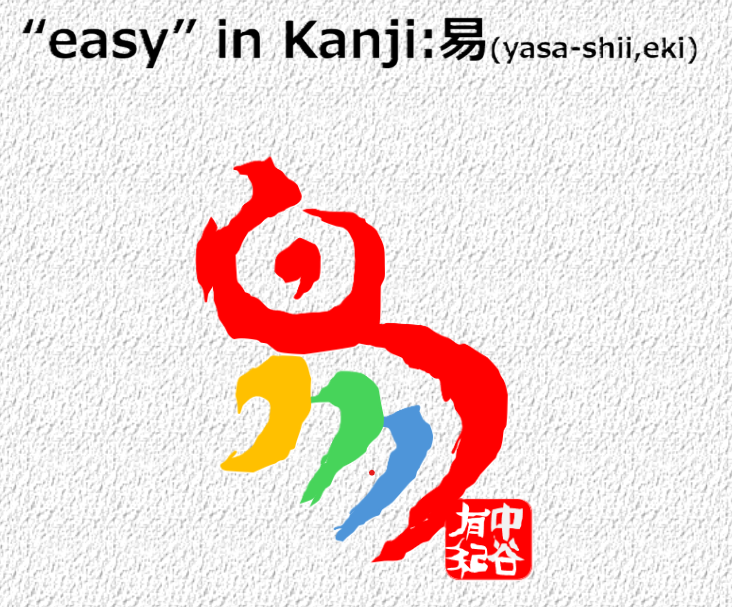
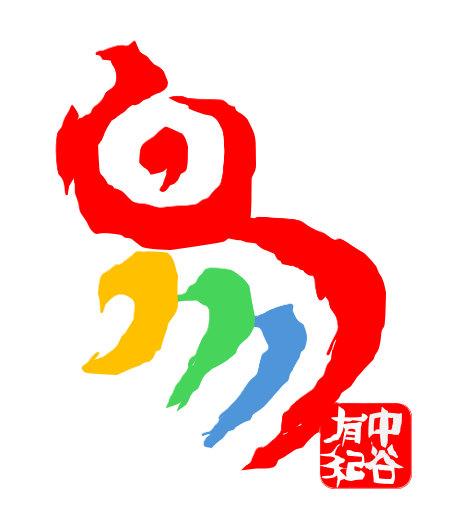
easy(易)

This kanji depicts the sun radiating bright light. Depending on your perspective, the light appears in various colors. Because of this, the kanji came to mean “easy to change” or “easy.”

太陽が明るい光を放っている様子を描いた漢字です。見る角度によって光の色がさまざまに移り変わることから、「変わりやすい」という意味になり、そこから転じて「簡単・やさしい(平易・容易)」という意味を表すようになりました。

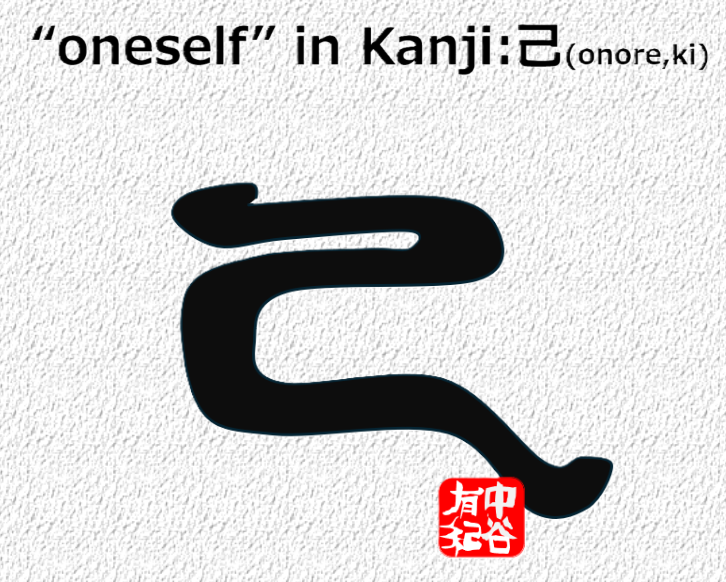
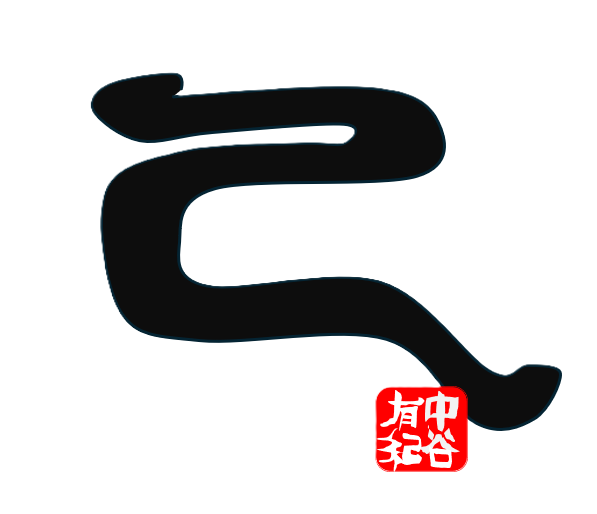
oneself(己)

This kanji depicts the abstract shape of something coiled or compressed that holds a strong spring-like energy. By extension, it came to represent ‘oneself’—a human being with boundless potential within.

Related Posts

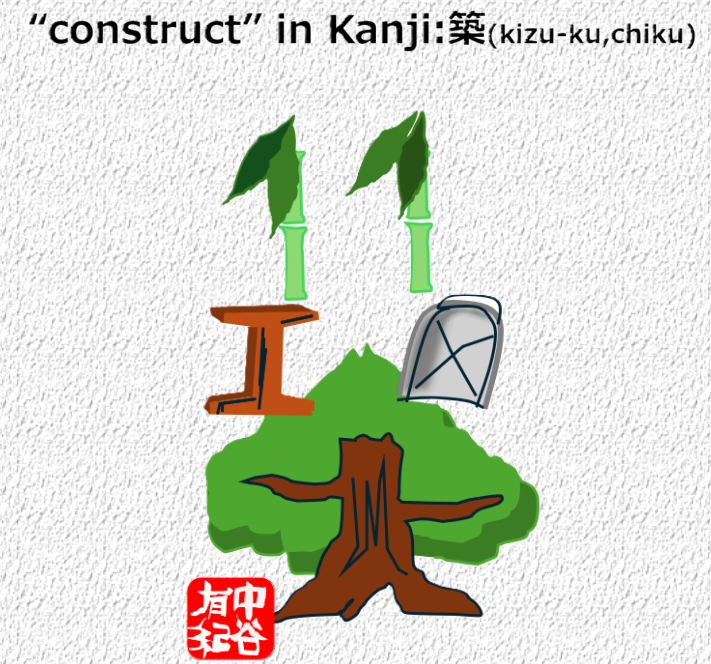
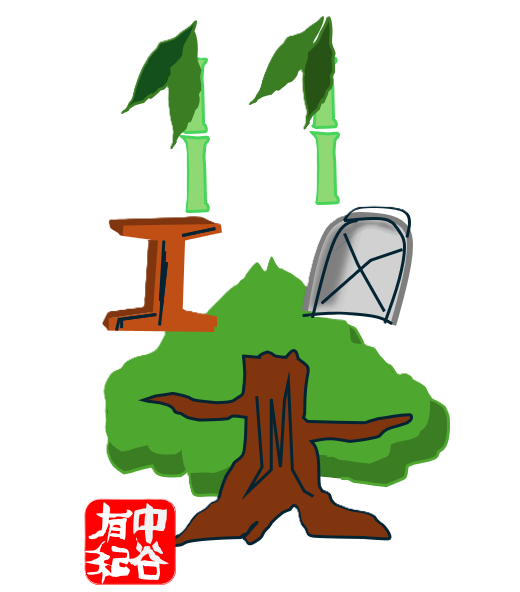
construct(築)

This kanji consists of several components used when building something, such as bamboo, a hammer, a tray, and wood. Therefore, this kanji came to mean ‘to build’ or ‘to construct’ using tools and materials.

この漢字は、建物を建てるために必要な「竹」「木」、土を運ぶ皿(凡)、そして土を突き固める木づち(工・殳)が組み合わさっています。資材や道具を使って土台をしっかり固め、頑丈な建物を「造る・築く(きずく)」という意味を表します。

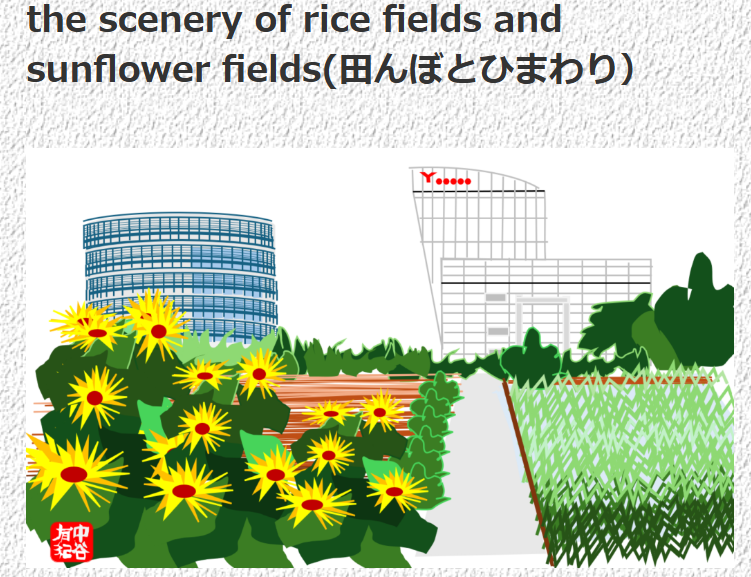
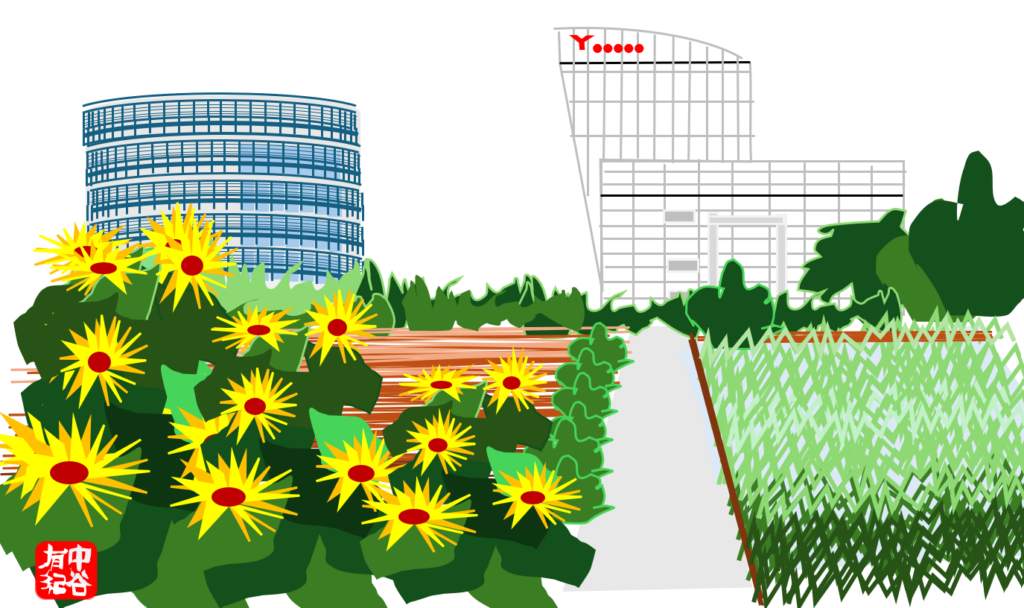
The view of rice paddies and sunflower fields(田んぼとひまわり)

From July to August in Yaho, you can enjoy the view of rice paddies and sunflower fields at the same time. Thanks to the region’s abundant water, this clean resource supports not only local agriculture, but is also used by the biotech company Yakult to develop new products.

名称ヤクルト中央研究所
所在地〒186-0012 東京都国立市泉5丁目11
Homepagehttps://institute.yakult.co.jp/
Where is Yaho?

Where is Yaho?

Town

Town

Culture

Culture

Nature

Nature

Yabo Tenmangu

Yabo Tenmangu

History

History