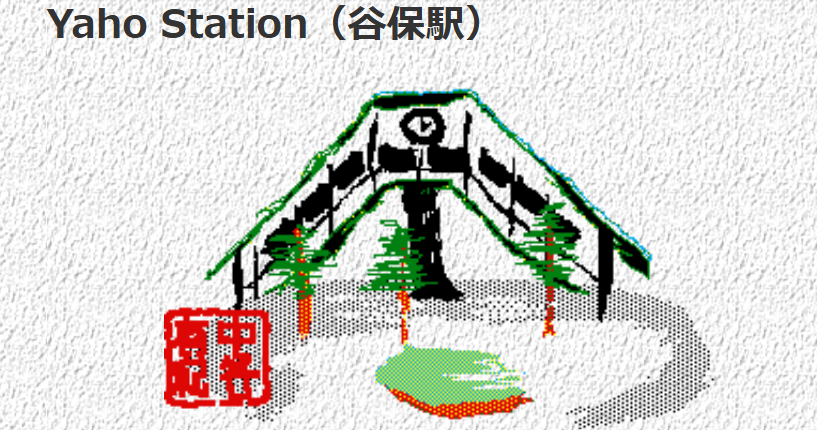
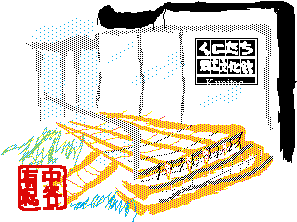
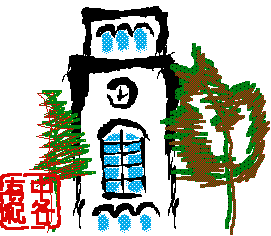
Yaho Station is one of the stops on the JR Nambu Line, which runs between Tachikawa and Kawasaki. While the station building itself has a simple, classic design, stepping outside puts you right at the gateway to the breathtaking nature of the ‘Yaho World’!
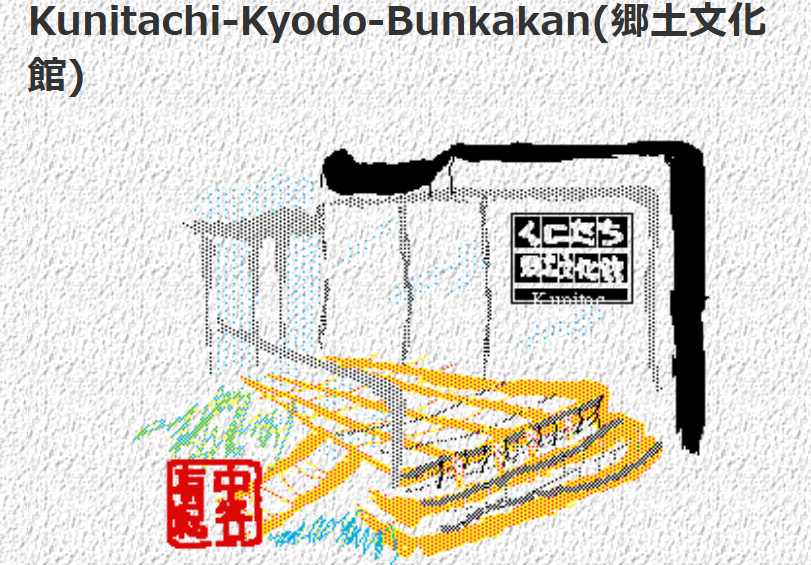
Right here is the Kunitachi Museum, which beautifully exhibits the rich historical heritage of the Yaho and Kunitachi areas. The museum itself is widely renowned for its unique and striking architecture. It is truly worth a visit, offering a wonderful journey through local history combined with breathtaking views of the surrounding landscape.
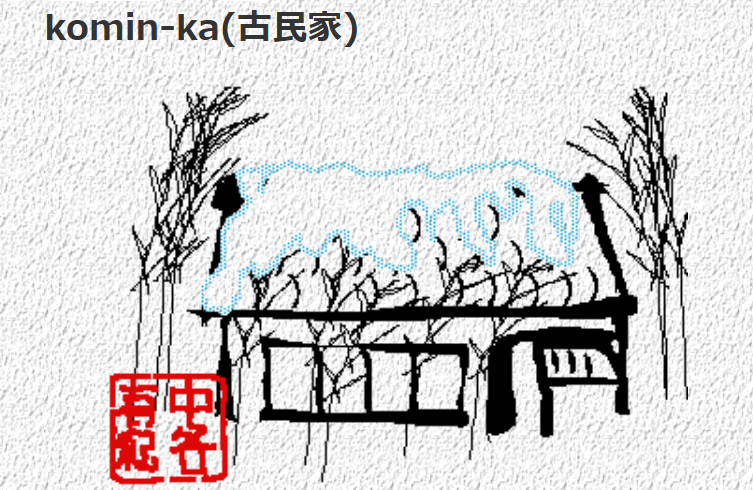
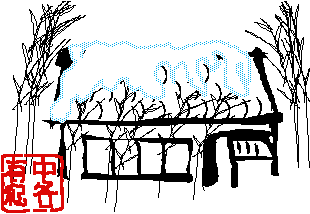
This traditional Edo-era farmhouse was recently moved here from the Aoyagi district. It beautifully showcases a time when Japanese farmers lived closely with their horses and cattle, sharing their home with them as if they were family.
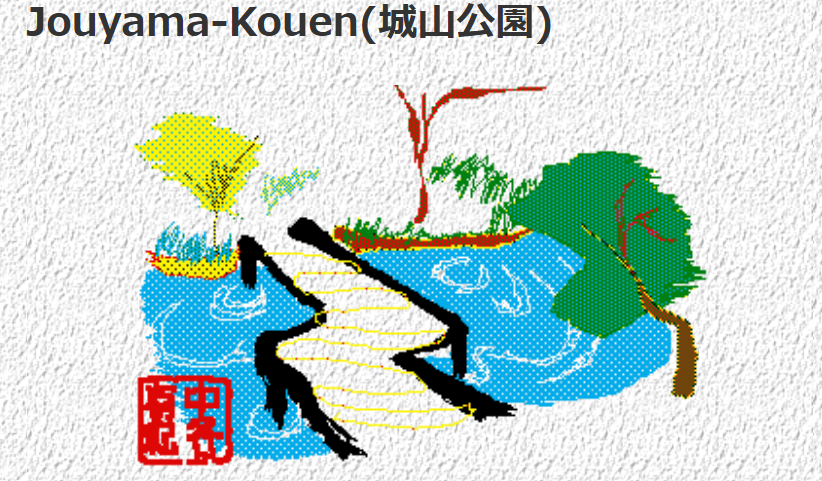
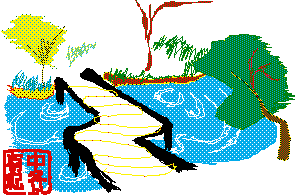
Now a scenic park, Joyama was once the site of a great 14th-century fortress, giving the area its name, which means ‘Castle Mountain.’ The small river still flowing past this park today carries a deep history, as it marks the true origin of Yaho Village.
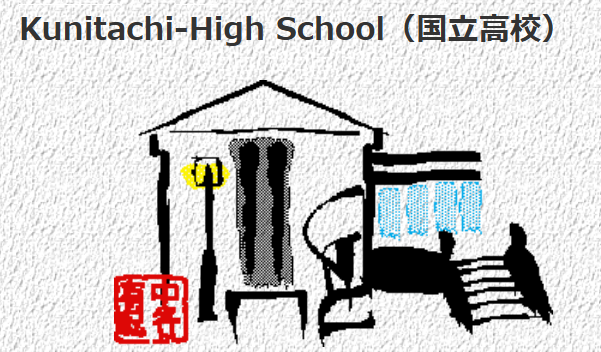
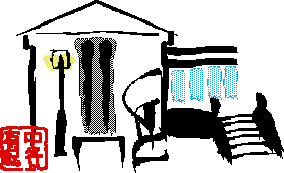
Situated along Daigaku Street among the cherry trees, Kunitachi High School is renowned for its excellent education and baseball. They have even achieved the rare feat of playing in the famous Koshien games in the past!
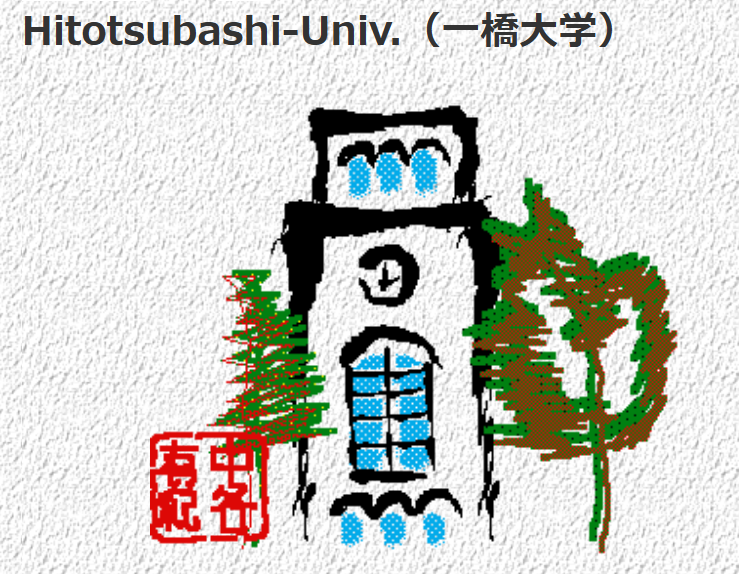
This is Hitotsubashi University, and it is exactly because of this campus that the grand avenue in front of it is proudly called ‘Daigaku Street’—meaning University Street.
SideStory:A Campus Guarded by Mystical Monsters(一橋大学には魔除けがいっぱい)
ーLook closely at the historic buildings of Hitotsubashi University, and you will discover a hidden world of ancient protectors. Mysterious sculptures of lions, mythical birds, and wolf-like beasts are tucked away beneath rooflines, along pillars, and above grand archways.
At the main administration building’s carriage porch, a pair of male and female stone lions guard the entrance. Interestingly, they incorporate the traditional Japanese concept of “A-un” (the cosmic beginning and end)—the male lion on one side holds his mouth open (“A”), while the female on the other keeps her mouth firmly closed (“Un”).
Meanwhile, the university library is covered with even more bizarre, imaginative creatures, looking like a strange cross between a wolf and a crocodile.
Just like the original Kunitachi Station, these campus buildings were designed in the grand Romanesque architectural style. Because of this European heritage, the architects adorned the structures with these guardians—similar to the gargoyles of Western cathedrals—to spiritually protect the educational spaces from evil.
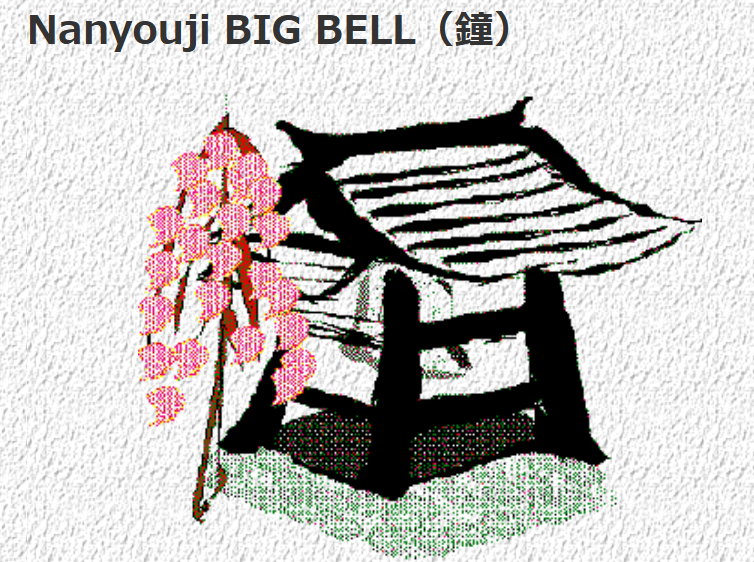
Nanyoji is a historic temple that was built back in the 18th century. From that ancient time until this very day, its massive bell has continuously rung out to let the local community know the time.
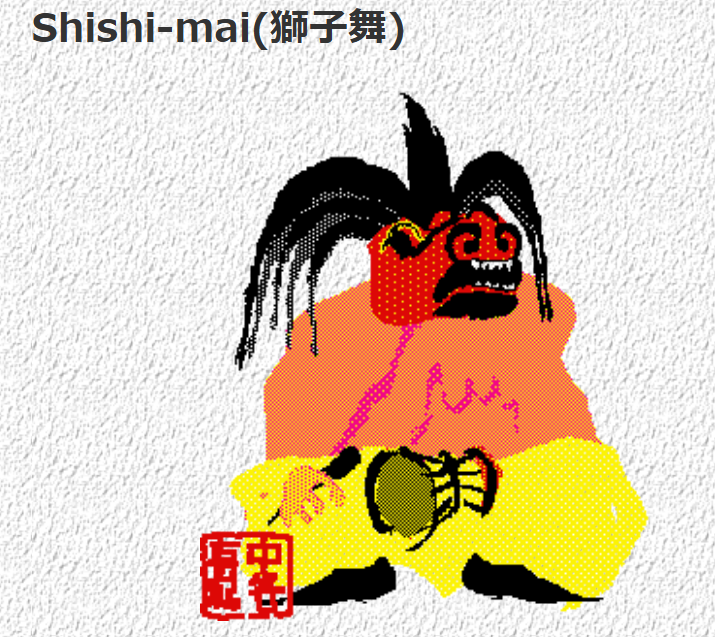
Every September, Yabo Tenmangu Shrine hosts its grand annual festival, known as ‘Reitaisai.’ The celebration comes alive with traditional cultural performances, including the dynamic lion dance (Shishi-mai), powerful Japanese drumming, and much more.
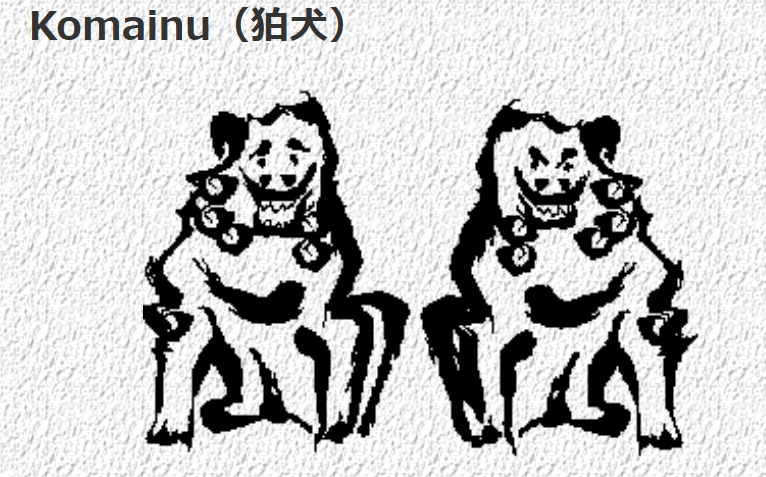
These two wooden guardian dog sculptures are located in Yabo Tenmangu. Because of their profound importance to Japanese heritage, these statues are protected by the government and hold the distinction of being designated as Japan’s first national treasures.
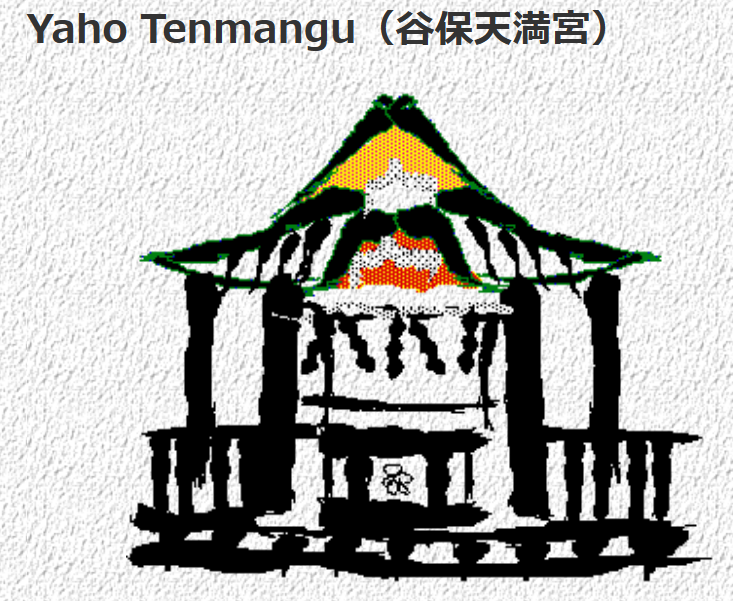
Yabo Tenmangu is a historic shrine with roots dating back to the 13th century. It is widely believed that those who visit this sacred space are blessed with the power of knowledge, as it serves as the home to a revered God of education.
SideStory1:The Secret Link Between “Yabo Ten” and a Famous Japanese Slang(野暮天は谷保天?)
ーHave you ever heard the Japanese word “Yaboten”? In standard dictionaries like the Kojien, it is a well-known, old-fashioned slang word used to mock someone who is incredibly “uncool,” “unrefined,” or lacking in fashion sense (similar to calling someone a “country bumpkin” or “hopelessly out of touch”).
Surprisingly, this famous insult from the Edo period is said to have originated right here at Yaho Tenmangu Shrine!
Back in the Edo era, Yaho Village and its shrine found themselves desperately short on funds. Hoping to raise donations from wealthy Tokyoites, the priests packed up their sacred treasures and traveled to the bustling district of Mejiro in central Edo (modern-day Tokyo) to host a special public exhibition.
Watching this display, the legendary and witty Edo satirical poet, Ota Shokuzan, couldn’t resist poking fun at them. He brushed a famous, biting poem:
“If you were a true God, you should have traveled to the grand province of Izumo… yet here you are, hosting a side-show in Mejiro, you country-bumpkin Tenjin of Yaho!”
(Note: This was a brilliant multi-layered pun in Japanese, playing on the word “Yabo,” which means both the place name Yaho and the word for “uncool/rustic.”)
Word traveled fast. Thanks to the Edo people’s love for sharp-tongued humor, the shrine’s nickname “Yabo-Ten” quickly morphed into the popular slang “Yaboten” to describe anything hopelessly unrefined. It is a delightfully human, cheeky piece of local history hidden behind the serene beauty of the shrine today!
SideStory2:The Mystery of the Descending Path: Why Does the Shrine Go Down?(なぜ参道が下がっていくのか?)
Usually, when you visit a Japanese shrine, the main hall sits high upon a hill or elevated ground. However, at Yaho Tenmangu, you will experience something incredibly rare: the sacred path actually leads down a flight of stairs to reach the main hall. In fact, it is said that this is the only shrine in all of Japan to feature such a unique, sunken structure.
The secret behind this mystery lies in the shifting lines of history and transportation.
When the shrine was originally built, the ancient Koshu-kaido (the main highway) ran along the south side of the grounds, down in the lower valley area near the river. Therefore, coming from the old highway, visitors naturally walked up into the shrine.
However, during the Edo period, the dynamic leader Tokugawa Ieyasu shifted the entire highway northward to its current location—a massive civil project rumored to commemorate his monumental victory at the Battle of Sekigahara. Because the main road moved to the higher ground on the north side, the modern entrance now forces us to walk down into the historic, lower sanctuary.
SideStory3:The Secret of the Plum Grove: Why Does the Shrine Bloom with Umé?(梅林があるのはなぜ?)
ーSugawara no Michizane, the revered scholar who became the Deity of Learning (Tenjin), possessed a profound love for plum blossoms (Umé), leaving behind countless poems dedicated to their beauty.
Among his works, his most legendary poem was written in a moment of heartbreak, just as he was being unjustly exiled from the capital to distant Dazaifu. Saying a painful farewell to his beloved plum tree, he brushed these famous lines:
“When the eastern wind blows, send your fragrant scent across the land, oh plum blossoms. Even though your master is gone, never forget the spring.”
It is said that the tree loved him so deeply in return that it miraculously flew through the air in a single night to follow him to his place of exile—a legend known as the “Flying Plum” (Tobiume).
To honor this eternal bond between the God of Learning and his sacred blossoms, the grounds of Yaho Tenmangu are adorned with over 100 brilliant red and white plum trees, filling the air with their sweet fragrance every spring.