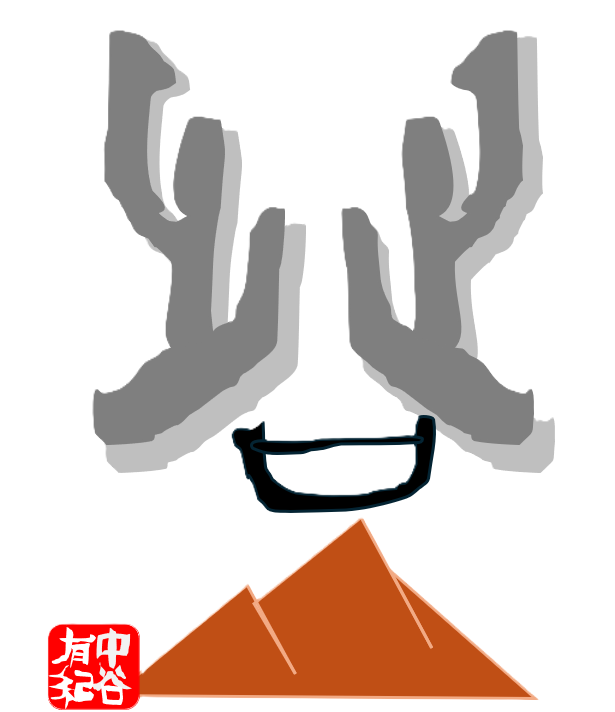

left(左)

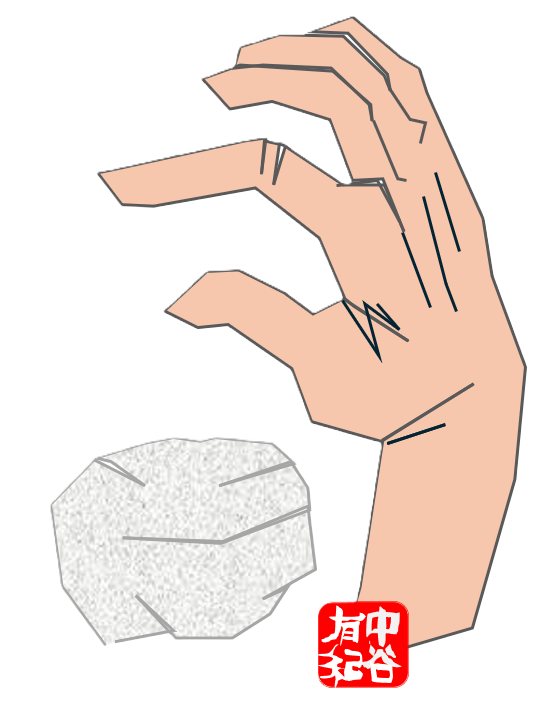
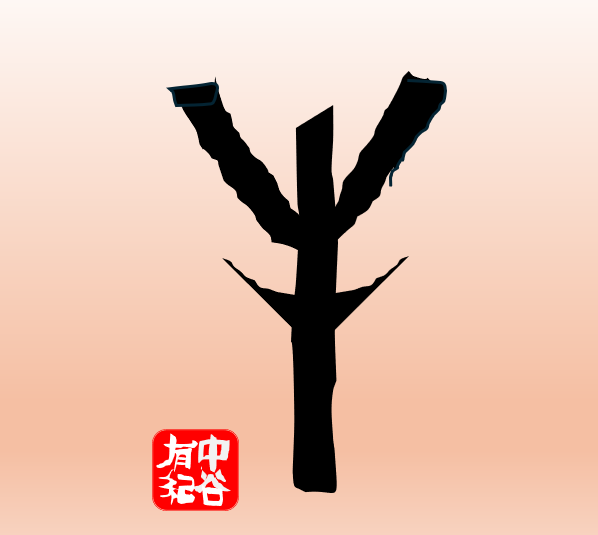
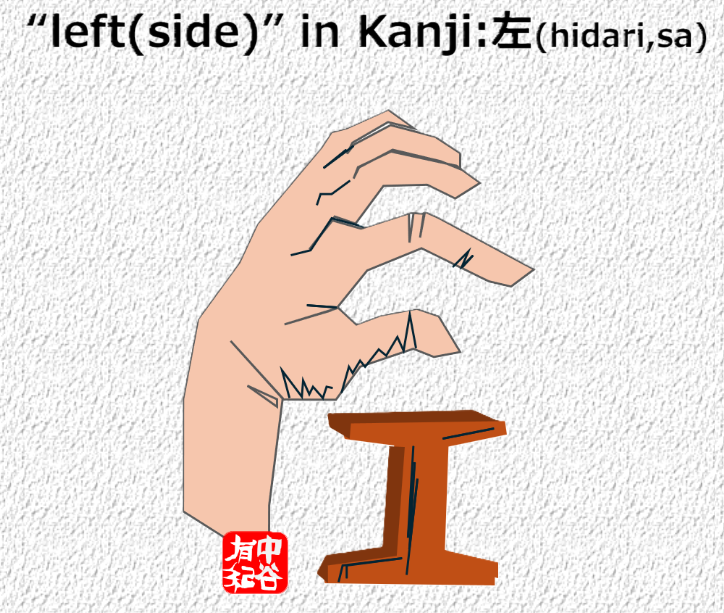
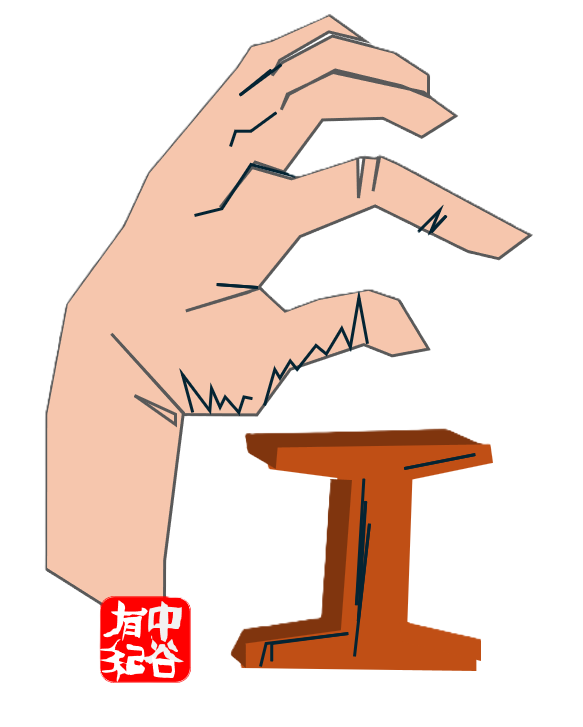
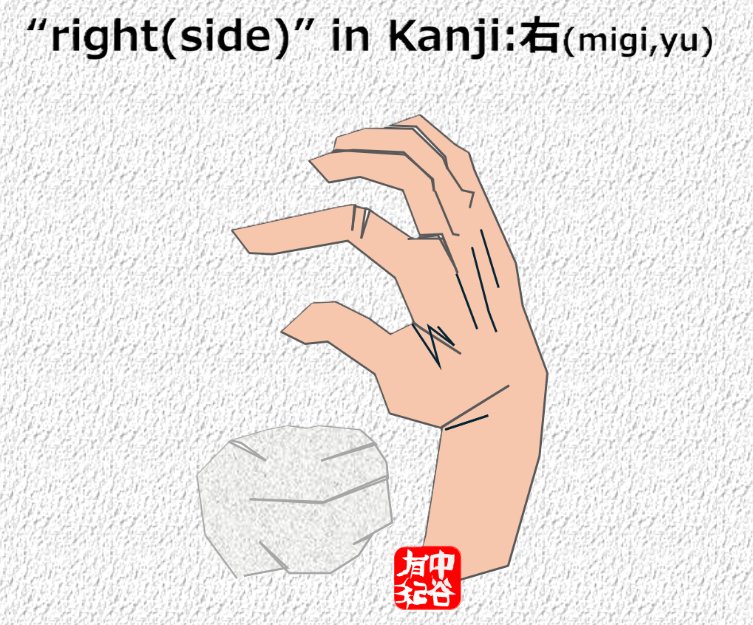
This kanji depicts a left hand holding a tool. Ancient people recognized that the left hand was much better than the right hand at holding objects steady or making delicate adjustments. Therefore, this kanji came to mean ‘left.’

手に道具(定規や祈りの器)を持っている「左手」の形を描いた漢字です。古代の人々は、繊細な作業をするときに左手が物をしっかりと支えるのに優れていることを知っていました。その支える側の手を指す「左(ひだり)」を表します。

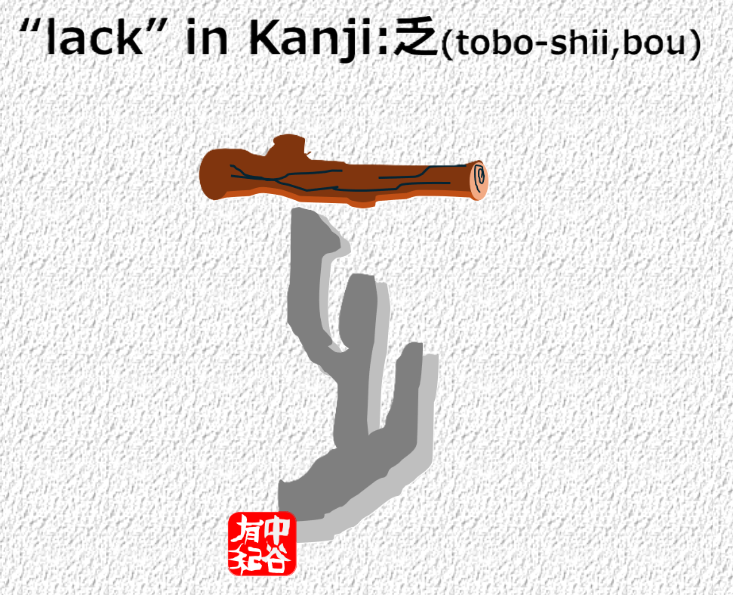
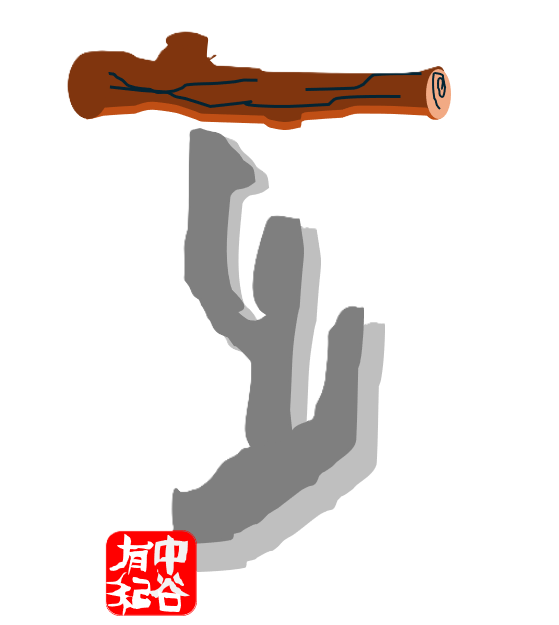
lack(乏)

This kanji is actually an inverted (mirror-image) version of the kanji for ‘right’ or ‘correct.’ Therefore, it came to mean ‘incorrect’ or ‘lacking.’

「正(正しい)」という漢字を、鏡のように左右反対(反転)にした形からできています。正しい道から外れてしまうことや、あるべきものが欠け落ちている状態を表し、「足りない」「乏しい(とぼしい・欠乏)」という意味になりました。

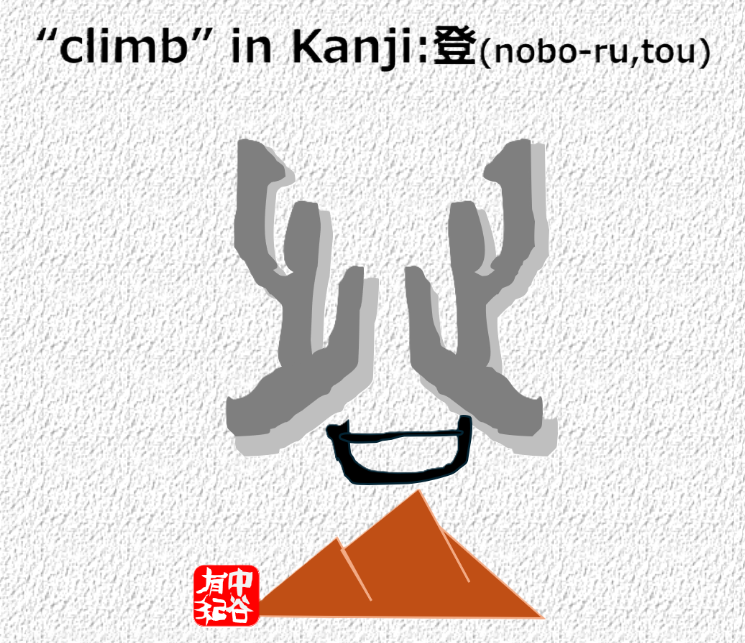
climb(登)

This kanji consists of three parts: footprints at the top, a breathing mouth in the middle, and a mountain (or slope) at the bottom. As you might imagine, it depicts someone breathing heavily while stepping up a mountain, which is why this kanji means ‘to climb.’

この漢字は、上部は左右の足跡(癶)、真ん中は持ち上げる手、下部は台や山を表しています。足で力強く大地を踏みしめながら、高い山や壇へと上がっていく様子から、「登る・上がる」という意味になりました。

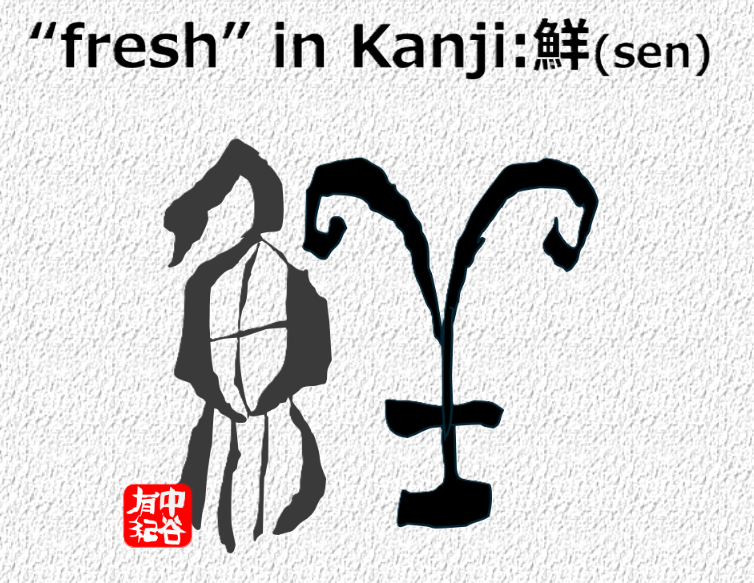
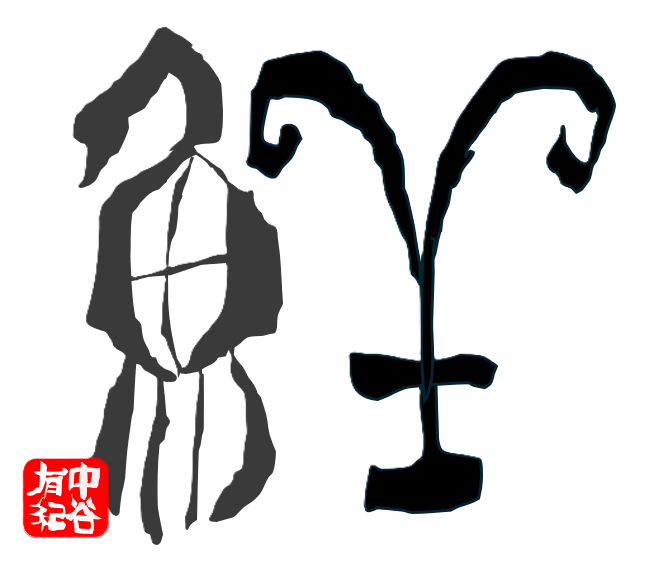
fresh(鮮)

This kanji depicts a fish on the left and a sheep on the right. Both were essential food ingredients for ancient people, and freshness was key to making them taste delicious. Therefore, this kanji came to mean ‘fresh.’

左側に「魚」、右側に「羊」を描いた漢字です。どちらも古代の人々にとって生きていくために欠かせない大切なごちそうで、美味しく食べるには何よりも「鮮度の良さ(あたらしさ)」が一番大切でした。このことから、この漢字は「新鮮(いきがいい・あざやか)」という意味を表すようになりました

Related Posts

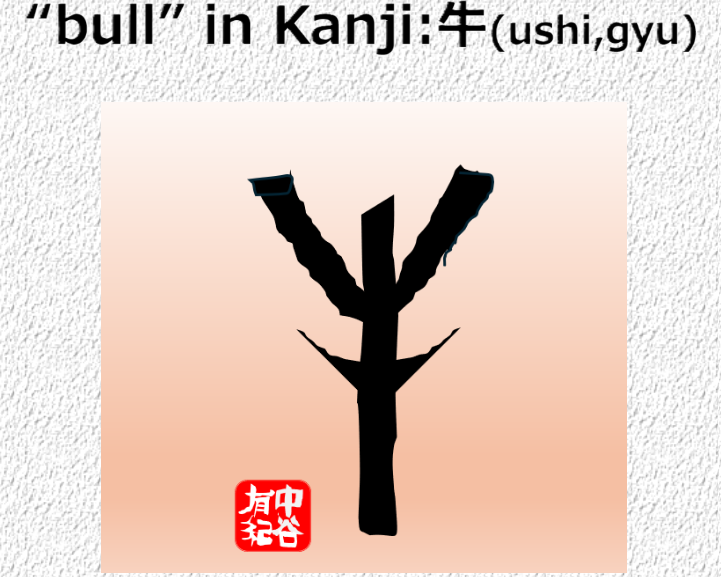
bull(牛)

This kanji is a stylized representation of a bull’s face. In the modern kanji, only one horn is visible.

角(ツノ)を持った「牛(うし)」の顔をかたどった漢字です。現代の漢字では一本の角が強調された形になっています。

Words & Phrases

  • 牛乳(gyu-nyu):cow milk
  • 鶏口となるも牛後となる勿れ(keikou tonarumo,gyugo tonarunakare):Better to be the head of a chicken than the tail of a cow.

supervise(監)

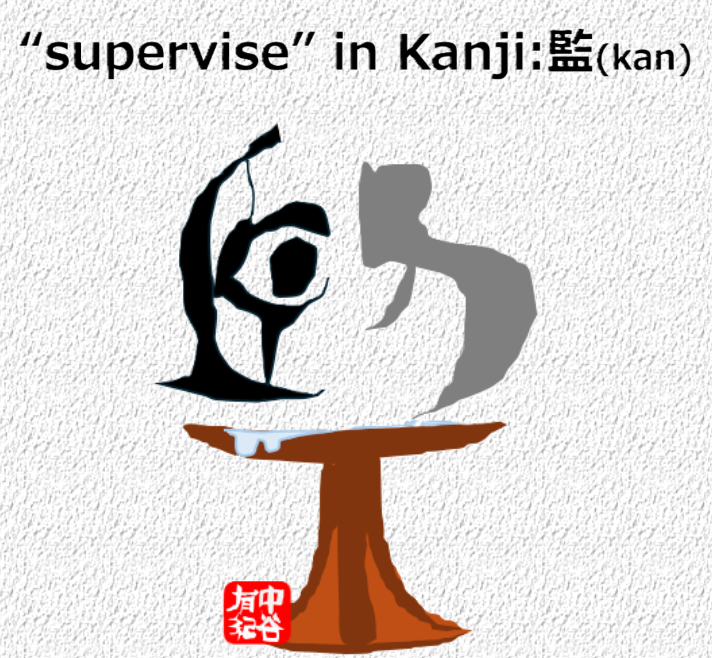
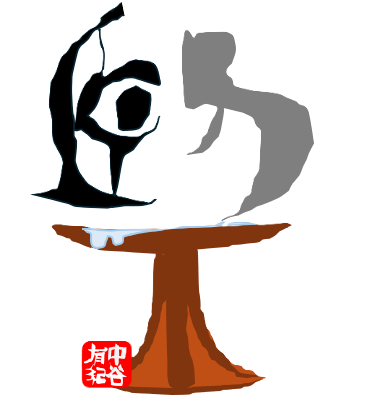
This kanji consists of three parts: a looking-down eye on the top left, a bending person on the top right, and a dish filled with water below. It depicts a person looking into a water mirror to inspect their reflection. By extension, this kanji came to mean ‘to supervise’ or ‘to monitor’ by examining everything closely.

dish(皿)

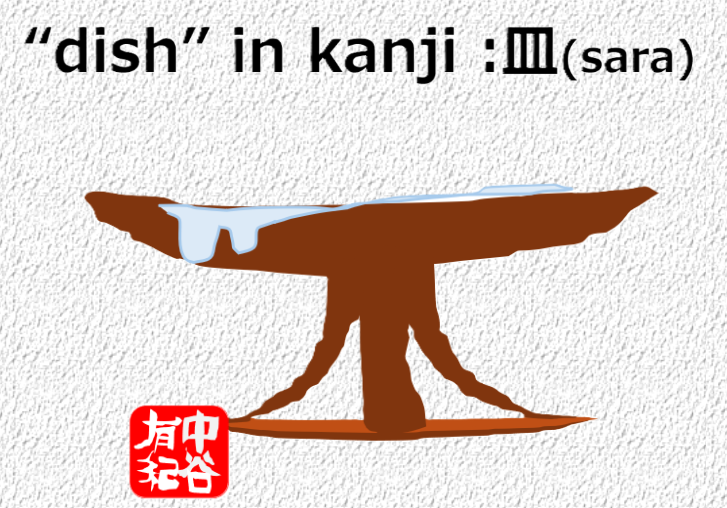
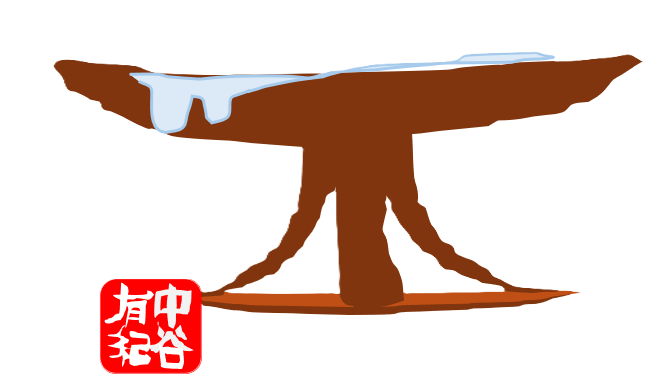
This kanji originally depicted a tall, stemmed dish used for drinking sake or making offerings to the gods. Today, we use it to mean a general ‘dish’ or ‘plate’ for holding all kinds of food and drinks.

脚のついた浅い器(うつわ)の形をそのまま描いた漢字です。もともとは神様へのお供え物やお酒を盛る器でしたが、現代では広く食事を盛り付ける「皿(さら・食器)」を表します。

can(缶)

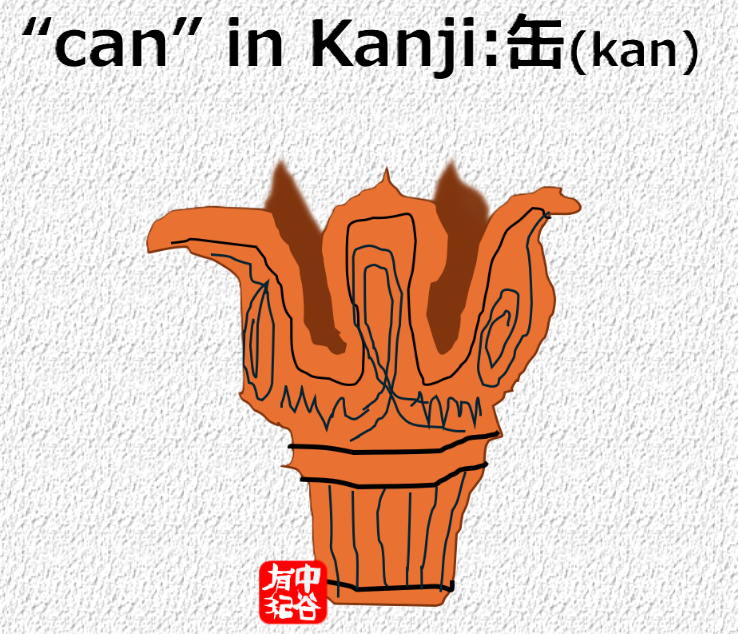
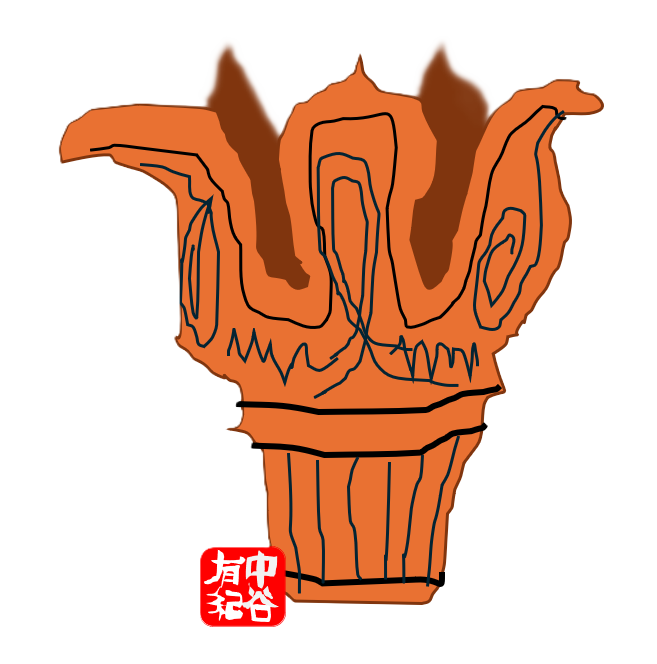
This kanji originally depicted an ancient clay pot or jar used for storing food and sake. Today, we use it to mean ‘can’ or ‘tin’—a metal container for food and drinks.

もともとは古代に酒や水、食べ物を蓄えておくために使われた素焼きの土器・壺(かめ)の形を描いた漢字です。現代では金属でできた保存容器である「缶(かん・空き缶)」を意味するようになりました。