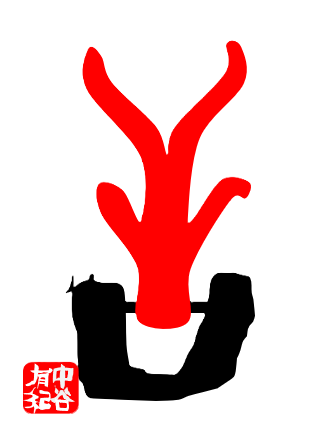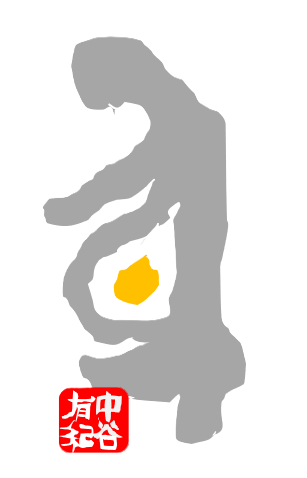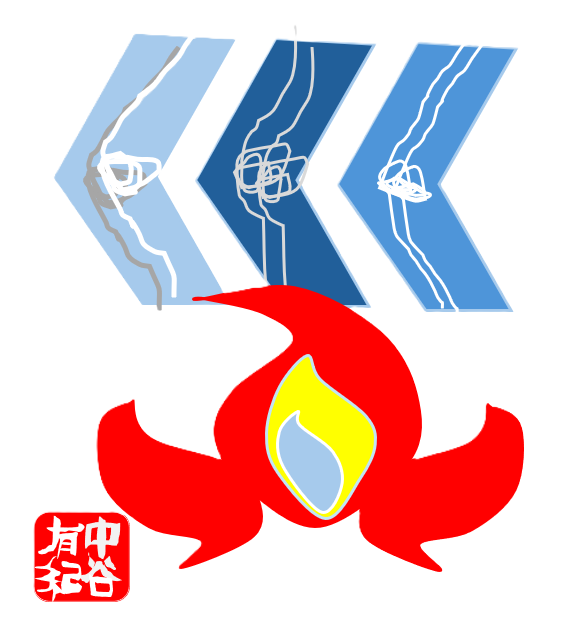
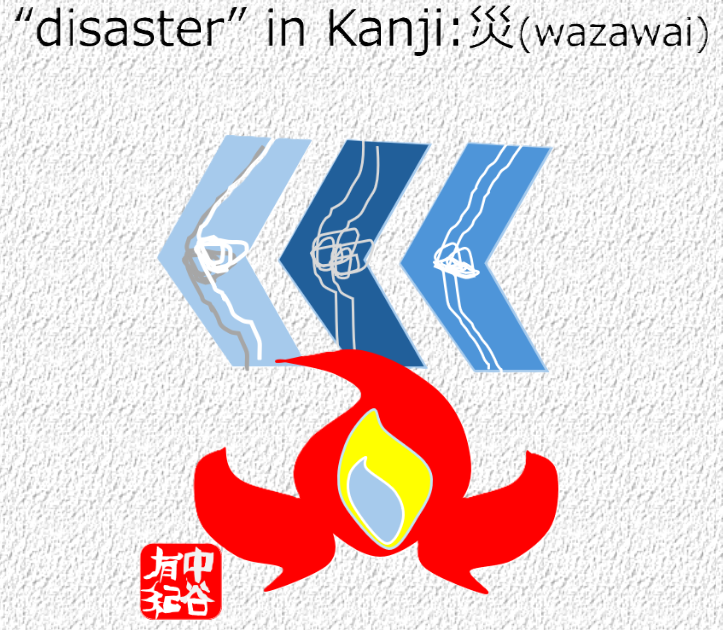
This kanji depicts two major natural elements: river and fire. Since ancient times, both have brought disasters into human life.
The short story of Kanji pictures
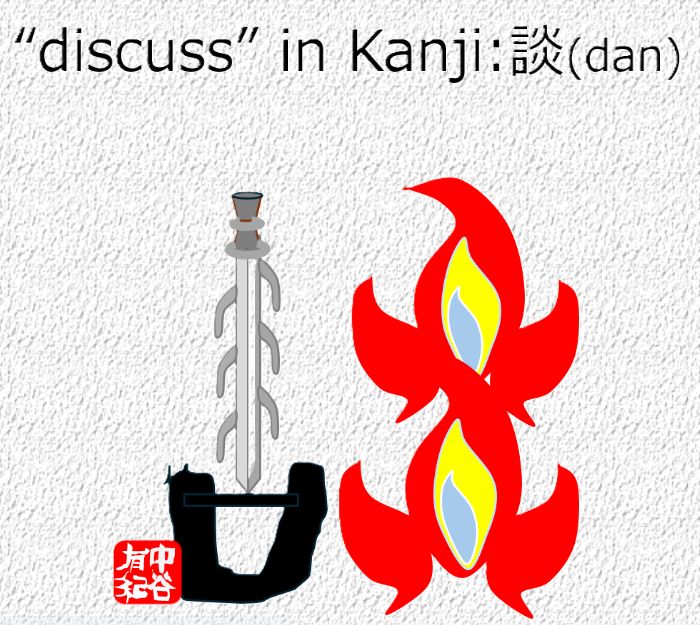

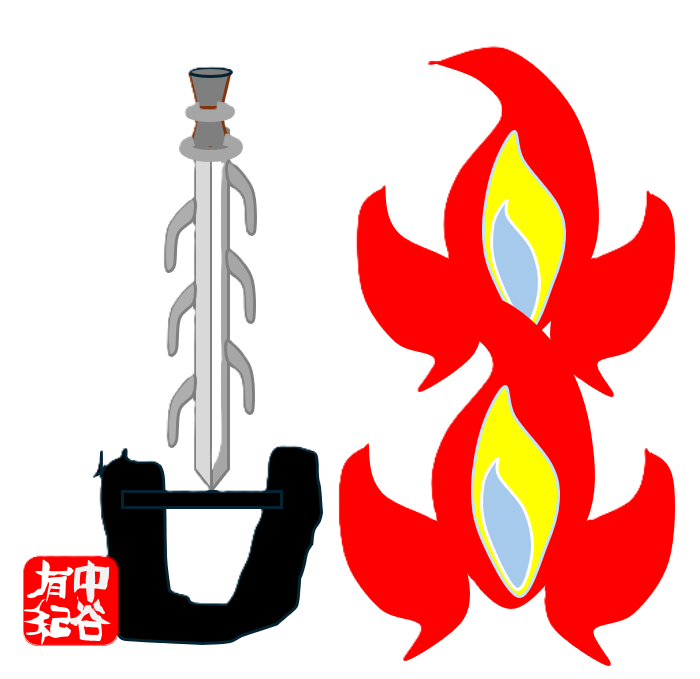
This kanji is composed of two parts: ‘speech’ on the left and ‘fire’ on the right. Therefore, it carries the meaning ‘to discuss’—representing people speaking with a passionate fire in their hearts.
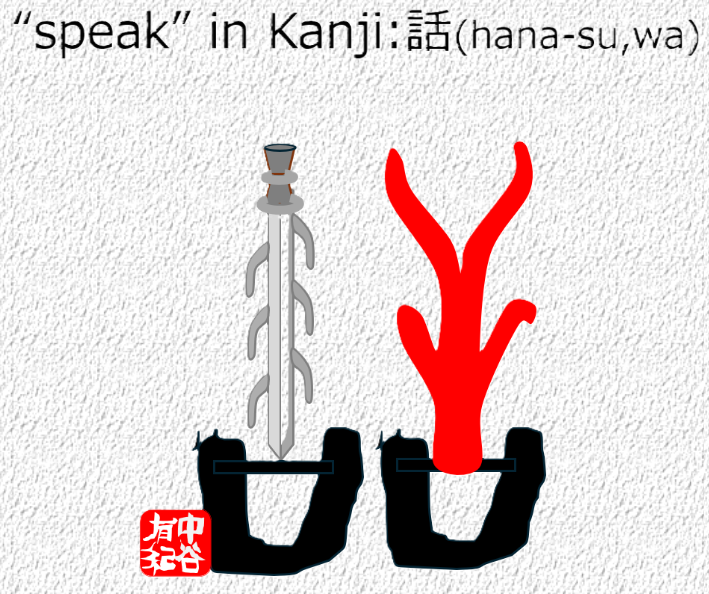

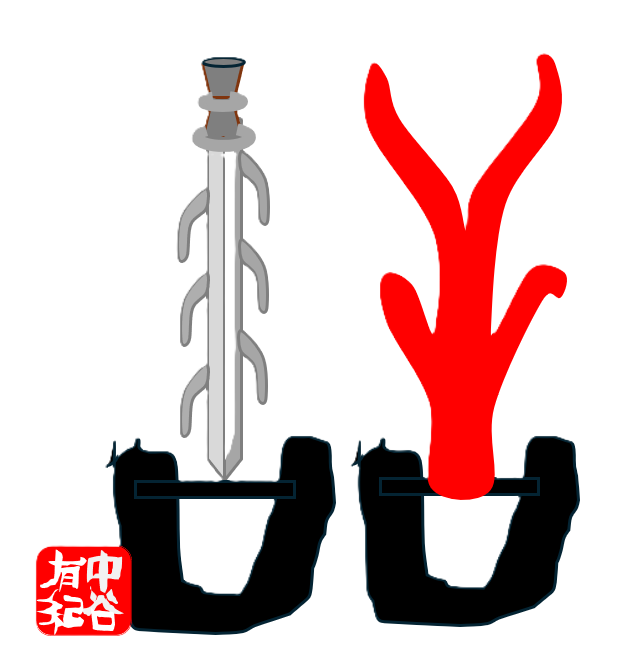
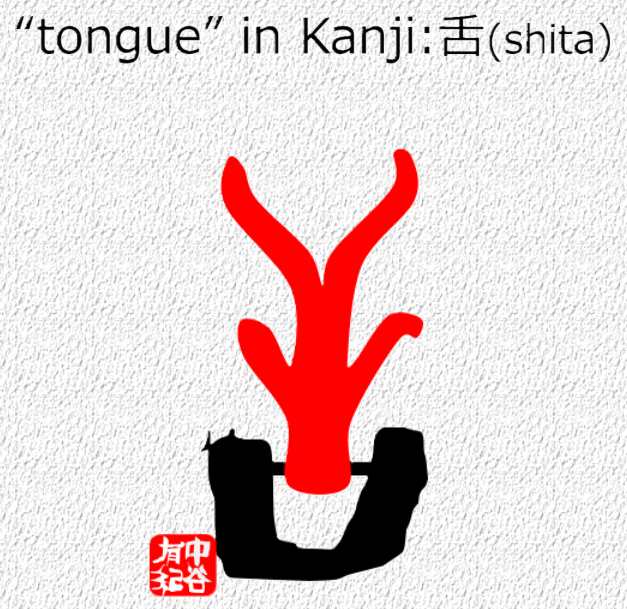
This kanji is composed of two parts: ‘words’ on the left, which signifies a sacred promise to God made with a sword and a mouth, and ‘tongue’ on the right, which shows a tongue coming out of a mouth. Therefore, the combination of these elements creates the meaning ‘to speak’.
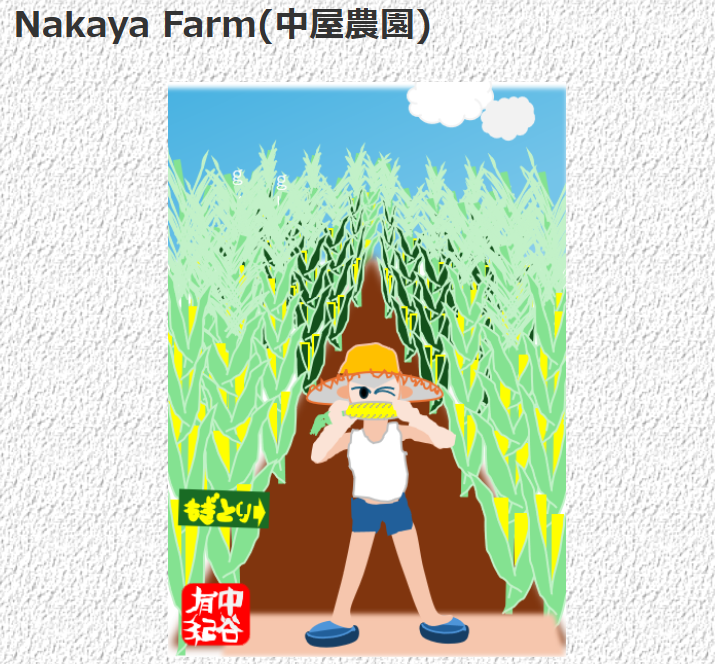
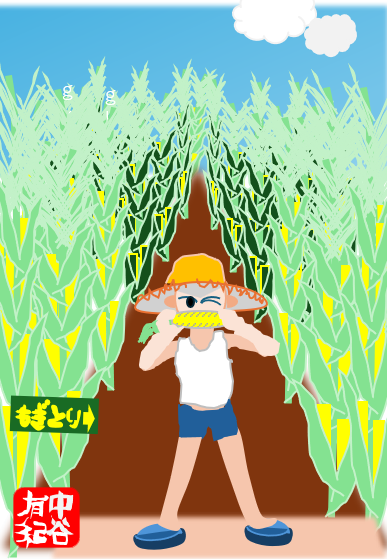
Nakaya Farm is famous for its ‘Picnic Corn,’ which is so sweet that you can eat it completely raw, straight from the summer field.
| 名称 | 中屋農園(6月下旬から7月中旬まで) |
| 所在地 | 〒186-0011 東京都国立市谷保6039 |
| Homepage | https://nakayafarm.amebaownd.com/ |
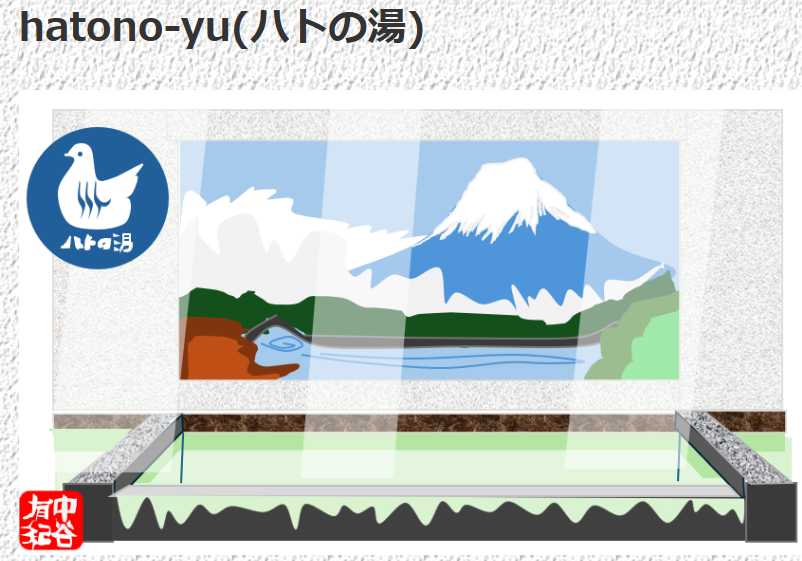
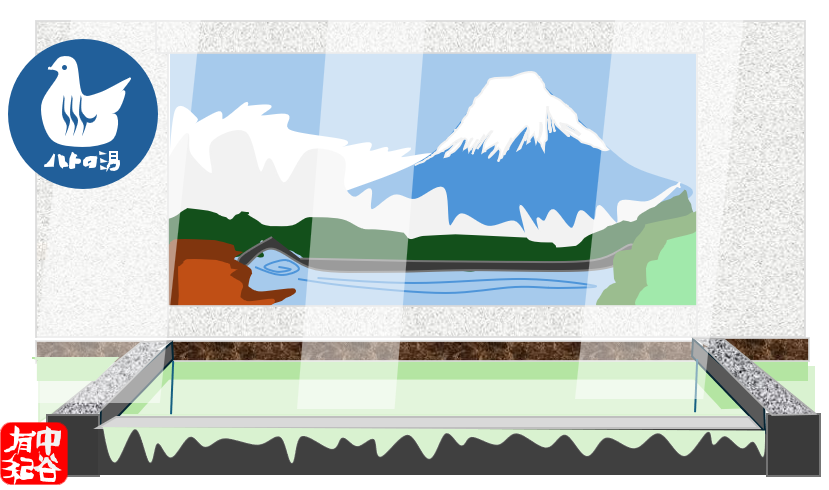
Opened in 1958, ‘Hatono-yu’ is currently the only public bath (sento) remaining in Kunitachi City, having been completely renovated in 2020.
The main bathroom features a traditional Japanese wall painting of Mount Fuji, beautifully crafted by the master sento artist, Kiyoto Maruyama.
Loved by local residents, Hatono-yu is also famous for its appearance in the movie ‘Summer Blooms,’ where the lead actress, Aki Asakura, is seen taking a relaxing bath!
| 名称 | 鳩の湯 |
| 所在地 | 〒186-0002 東京都国立市東2丁目8−19 |
| Homepage | http://hatonoyu.jp/index.html |
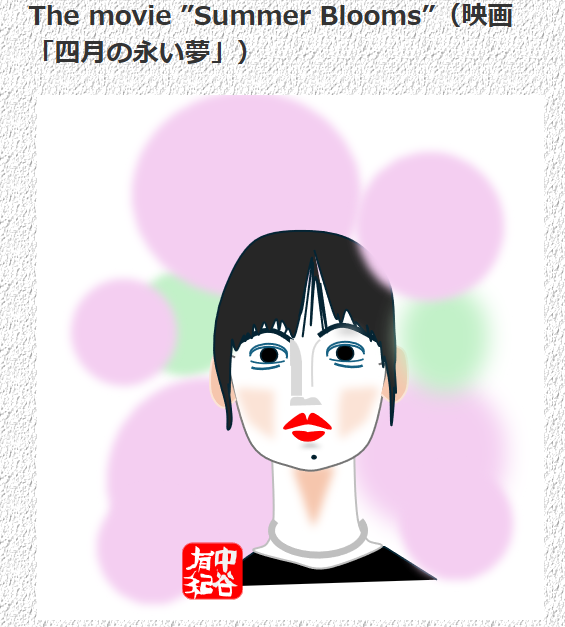
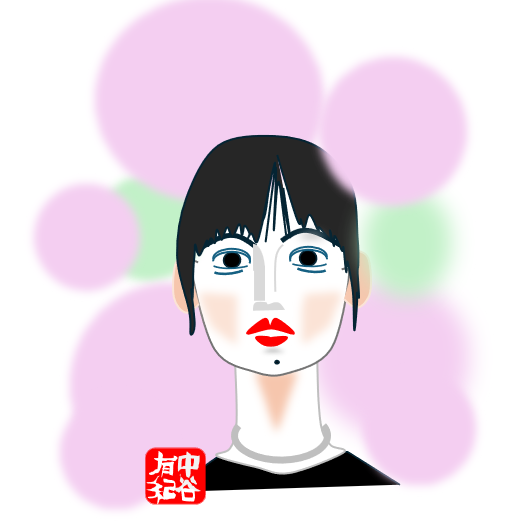
The movie Summer Blooms (literally “April’s Long Dream”) is a love story set in Kunitachi. It beautifully captures the everyday moments of a woman (played by Aki Asakura) who has lost her lover, as she gradually frees herself from grief and her inner pain. In June 2017, it made Japanese cinema history by winning two major awards at the Moscow International Film Festival!
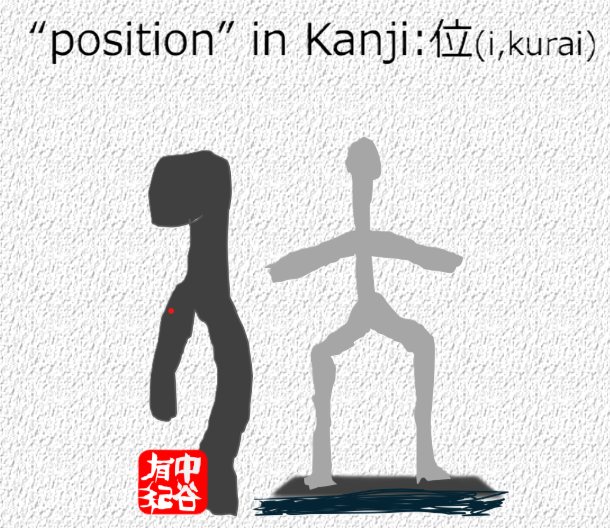

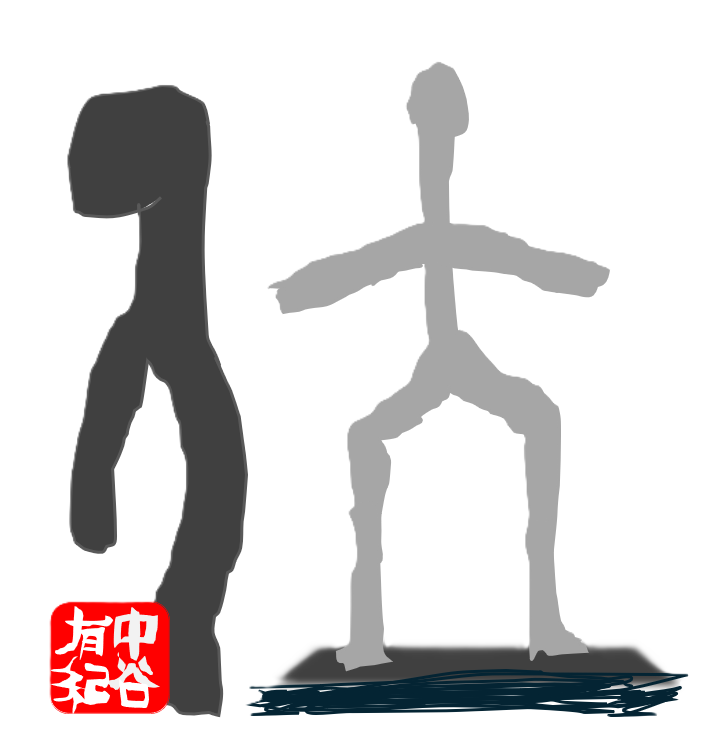
This kanji depicts a person standing firmly on the ground among other people. Therefore, it represents one’s ‘position’ or status within society or an organization.
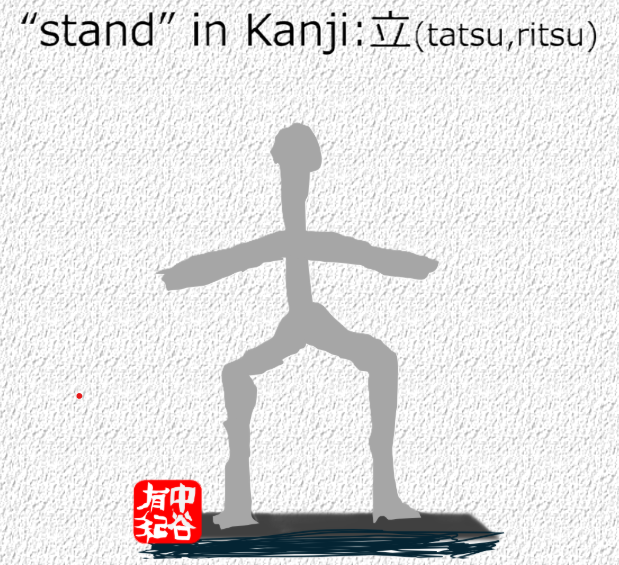

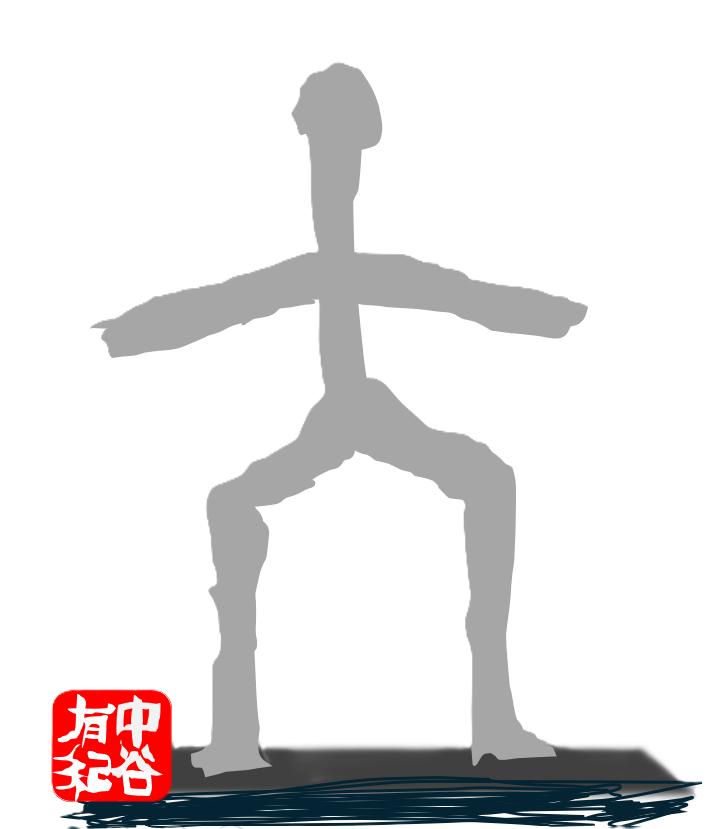
This kanji shows a person with their legs spread wide on the ground. That is why this kanji means to ‘stand’.