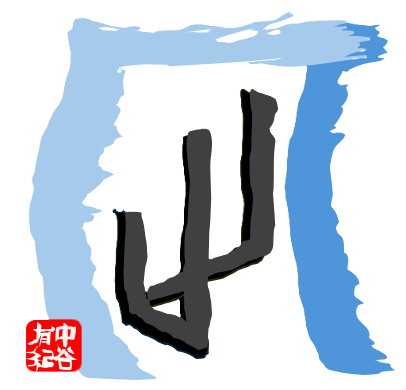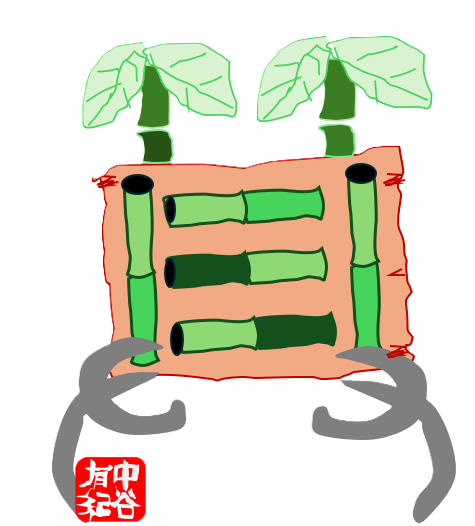
This kanji depicts holding bamboo sticks in both hands to calculate. By extension, it has come to mean ‘calculate’ or ‘mathematics’.
The short story of Kanji pictures
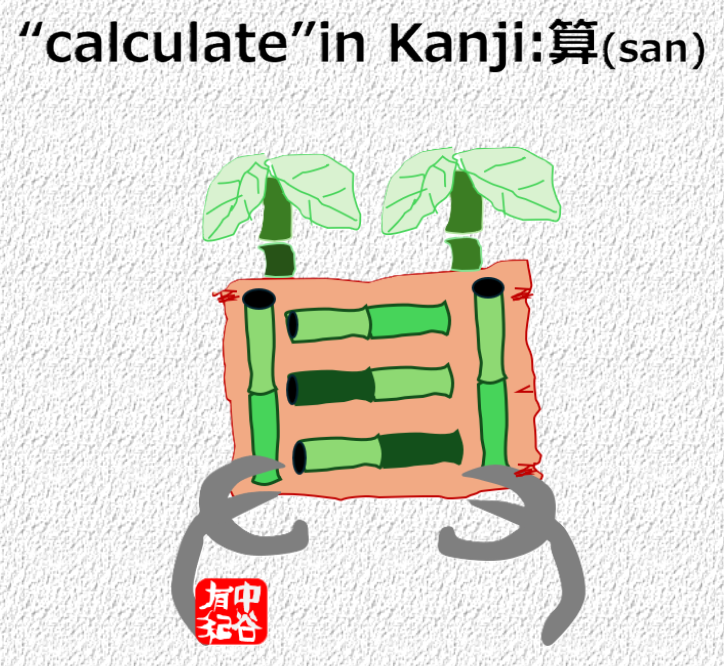
This kanji depicts holding bamboo sticks in both hands to calculate. By extension, it has come to mean ‘calculate’ or ‘mathematics’.
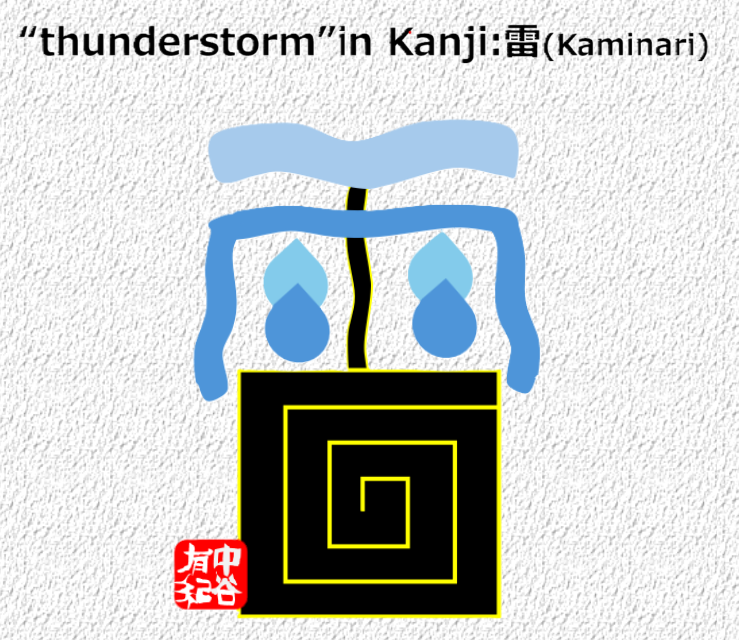

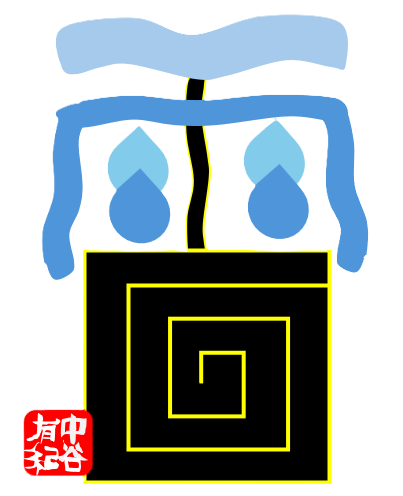
This kanji combines the radical for ‘rain’ at the top with the symbol for flashing lightning at the bottom. Therefore, this kanji carries the meaning of ‘thunder’ or ‘lightning’.
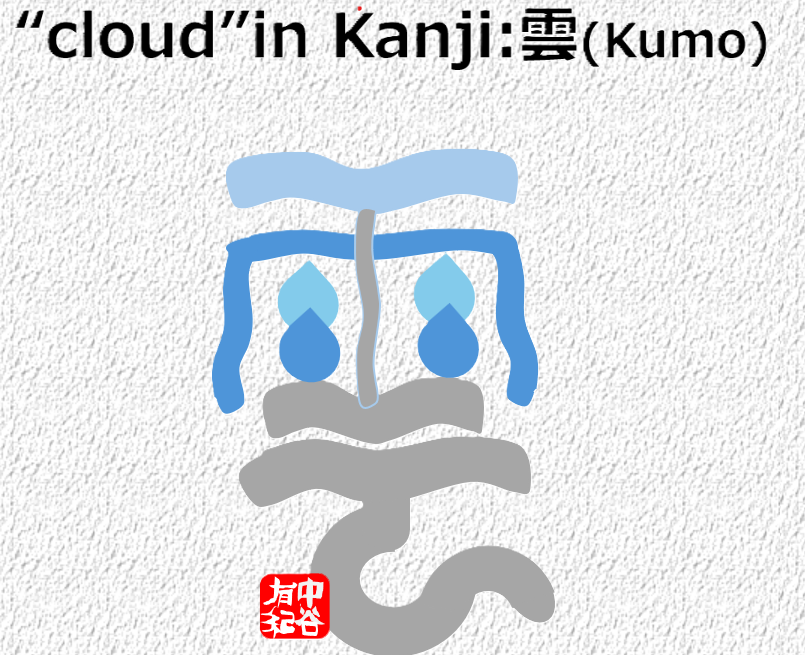

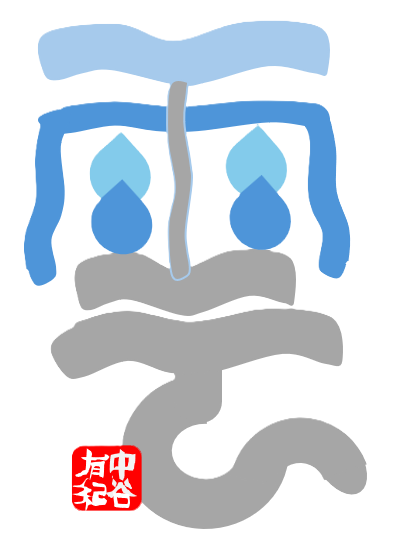
This kanji combines the radical for ‘rain’ at the top with the symbol for a moving cloud at the bottom. Therefore, this kanji carries the meaning of ‘cloud’.
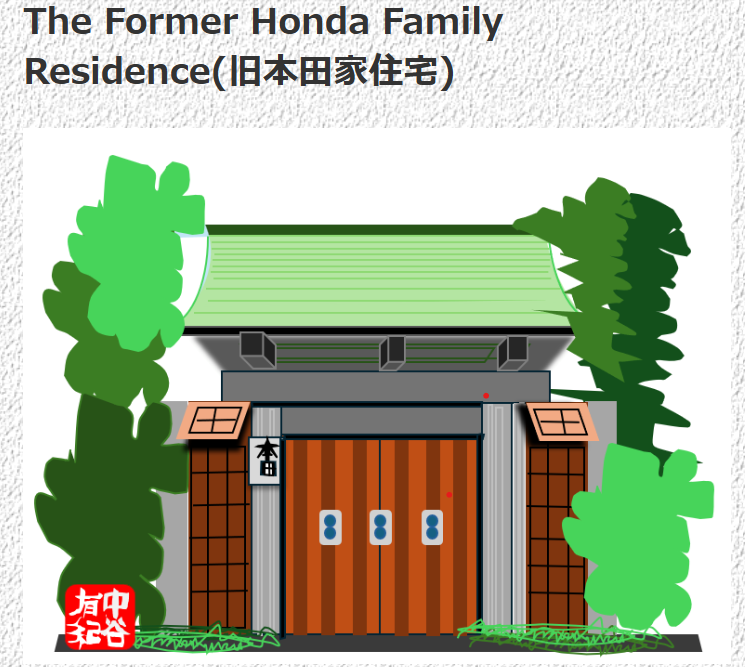
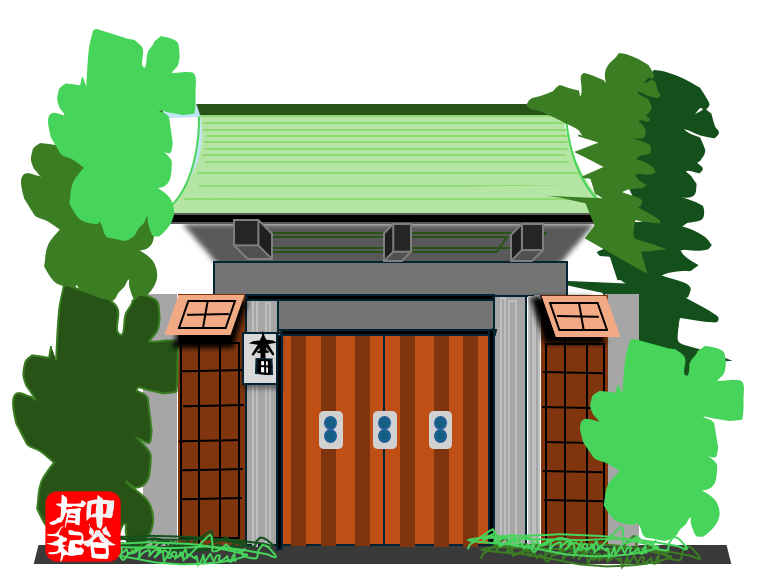
The Honda family has resided here in Yaho for over 300 years. As prominent local leaders, they historically supported the community as both veterinarians and physicians.
Since the Hondas were related to the Hijikata family, a young Toshizo Hijikata frequently visited this house to study literature and learn about world affairs.
The Former Honda Family Residence still stands today. Even now, you can see the grand gate, which was specially built with extra height so that doctors could ride through it on horseback.
| 名称 | 旧本田家住宅(※修復工事中) |
| 所在地 | 〒186-0011 東京都国立市谷保5122 |
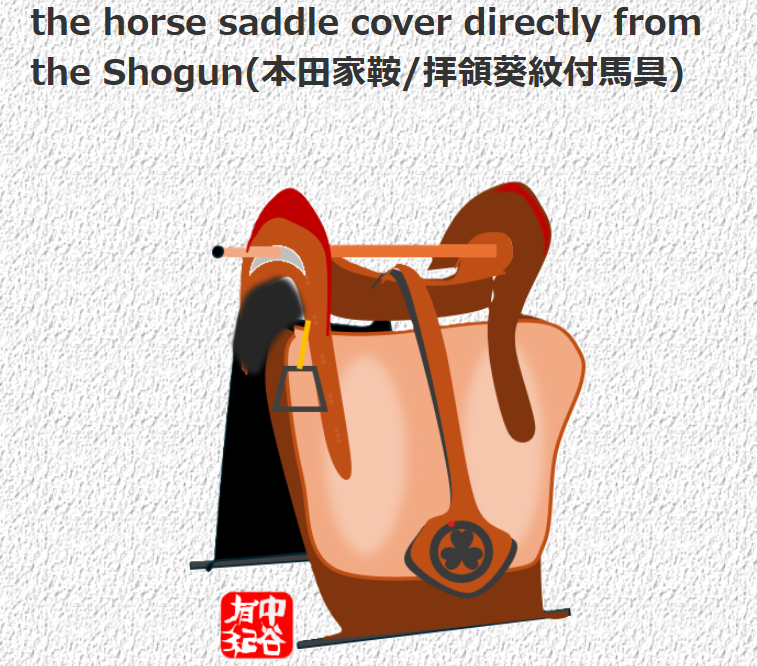
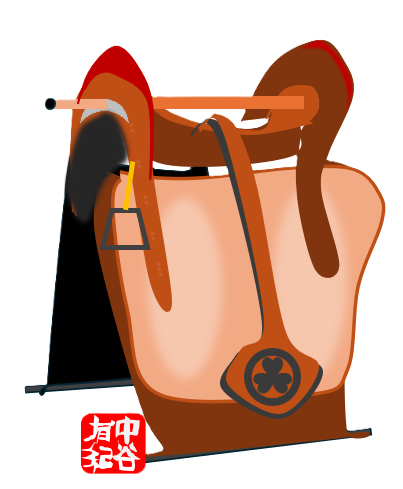
Originally, the Honda family served as horse trainers and veterinarians in Kawagoe during the Edo period. The second head of the family showed such exceptional dedication to the Tokugawa Shogun that he was honored with a gifted saddle cover (kura-ooi) directly from the Shogun.
Later, in 1621, the family relocated to Yaho by the Shogun’s direct order.
| 名称 | 旧本田家住宅(※修復工事中) |
| 所在地 | 〒186-0011 東京都国立市谷保5122 |
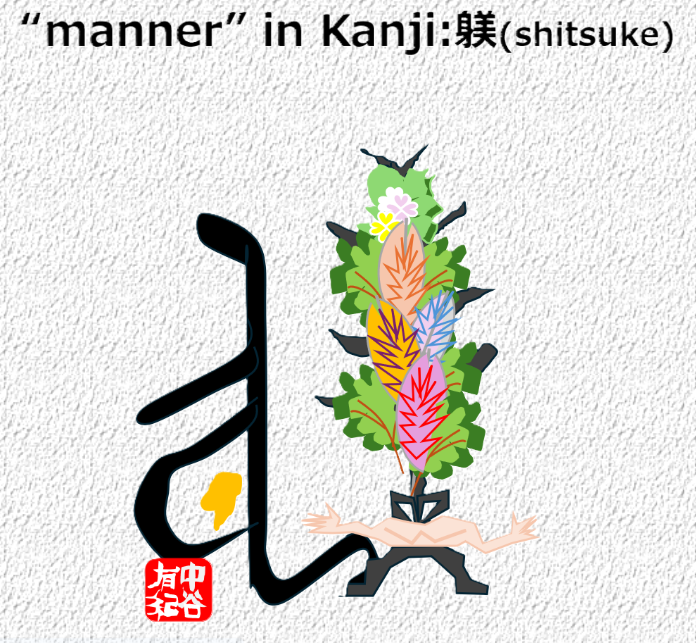

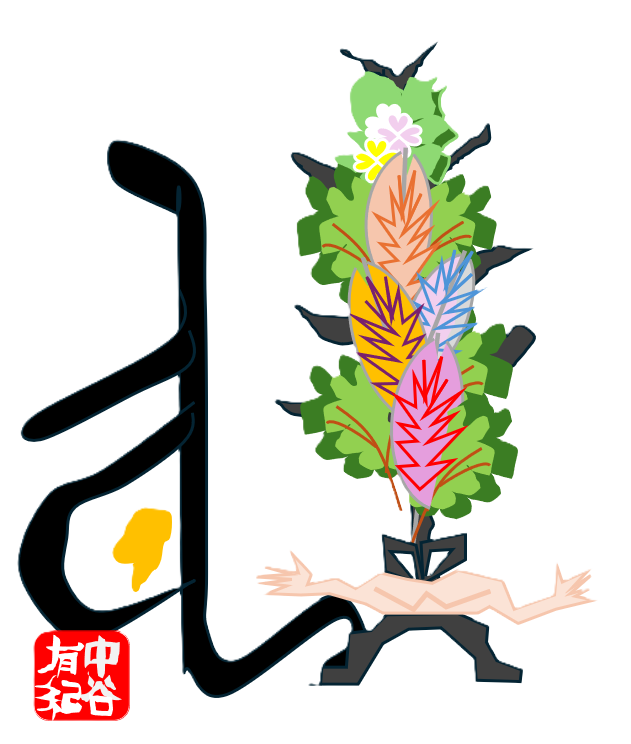
This kanji is made up of two components. The left side means “body” (originally depicting a pregnant woman), and the right side means “beautiful” (showing a person dancing with flowers and feathers). Therefore, this kanji represents “manners,” carrying the meaning of training yourself to behave beautifully and elegantly from childhood.
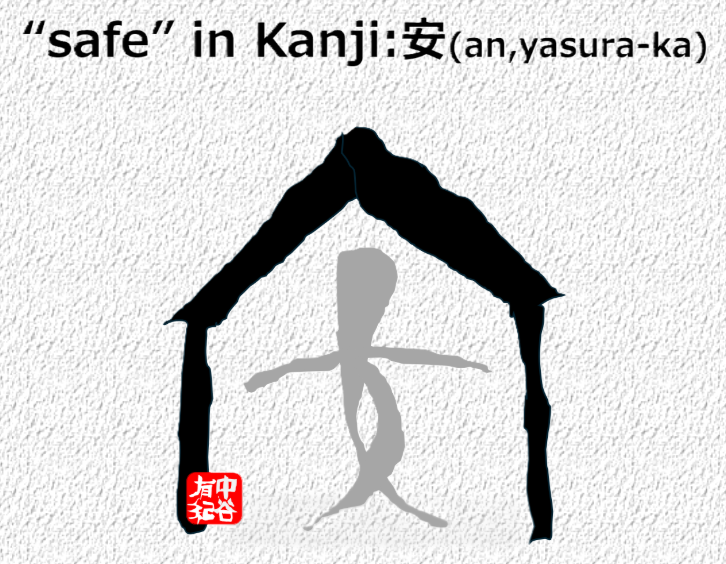

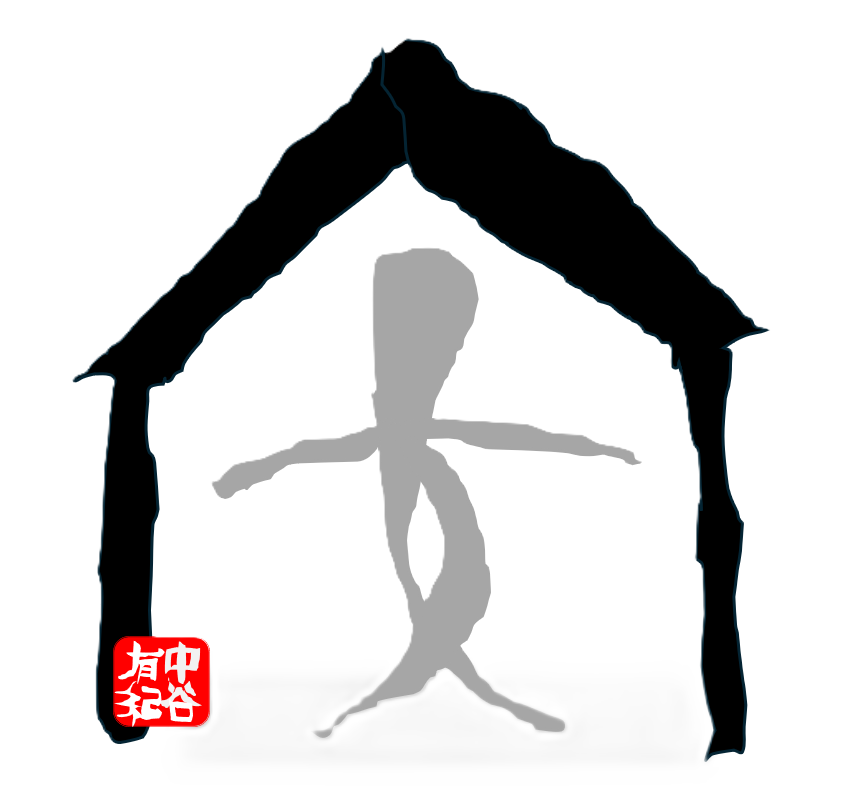
This kanji depicts a woman feeling relaxed under the roof of a house. Therefore, it carries the meaning ‘safe’ or ‘peaceful’.
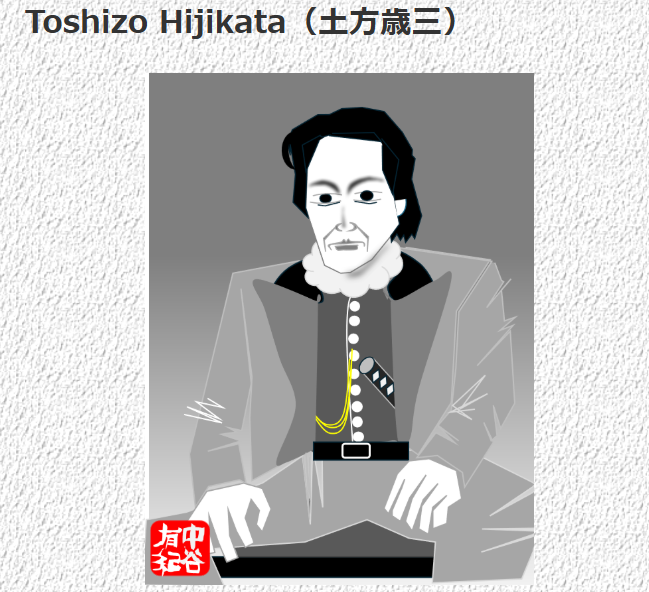
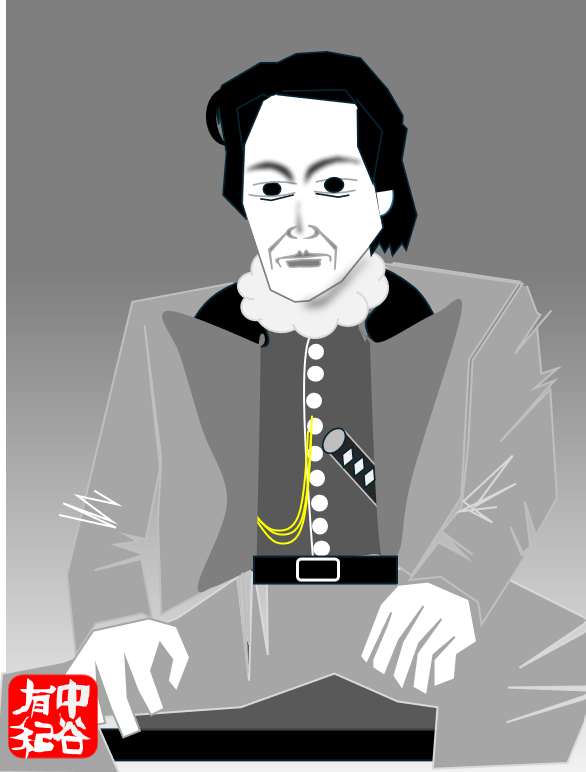
Toshizo Hijikata(1835-1869), who formed the Shinsengumi in 1863 to protect the Tokugawa shogunate, used to visit his relatives in Yaho to study literature and learn about world affairs.
Later in life, he came to be known as the ‘Last Samurai.’ It was during his younger days here in Yaho that his samurai spirit was truly forged.
| 名称 | 土方歳三資料館 |
| 所在地 | 〒191-0021 東京都日野市石田2丁目1−3 |
| Homepage | https://www.hijikata-toshizo.jp/ |
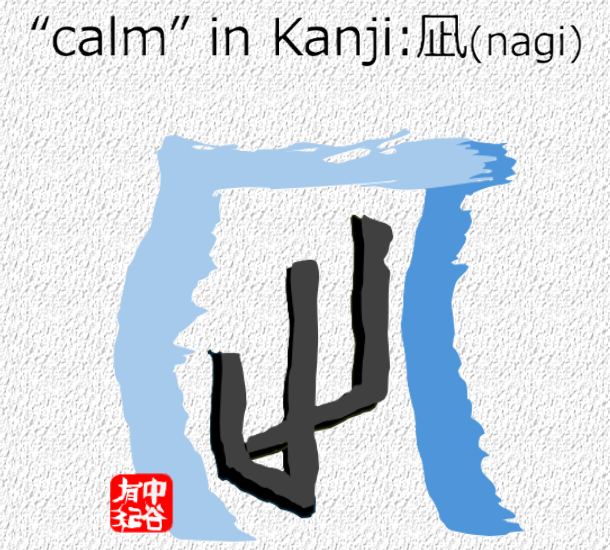
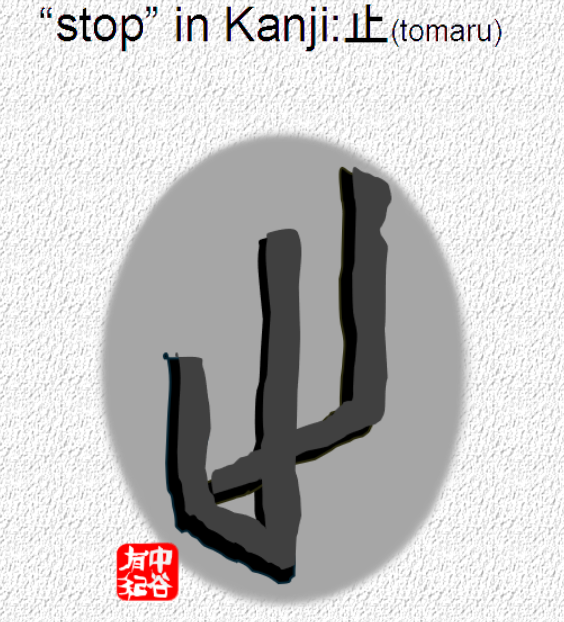

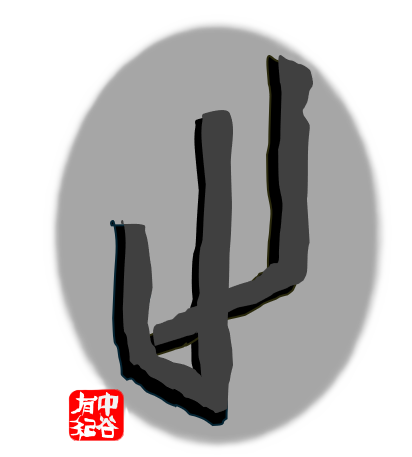
This kanji depicts a footprint left in the sand. Therefore, it carries the meaning ‘to stop’—staying in the same place.