This kanji consists of ‘water’ on the left and an ‘eye’ on the right. As you can see, the combination of water and the eye creates the meaning of ‘tear’.
The short story of Kanji pictures
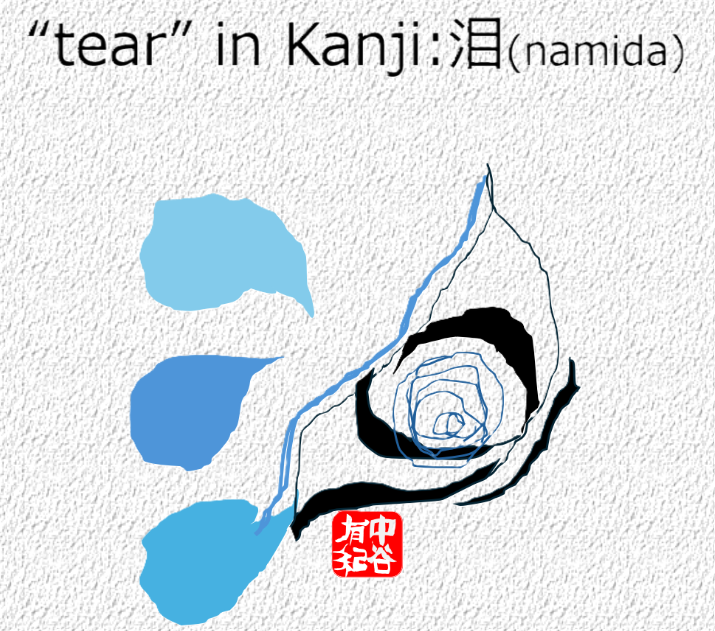
This kanji consists of ‘water’ on the left and an ‘eye’ on the right. As you can see, the combination of water and the eye creates the meaning of ‘tear’.
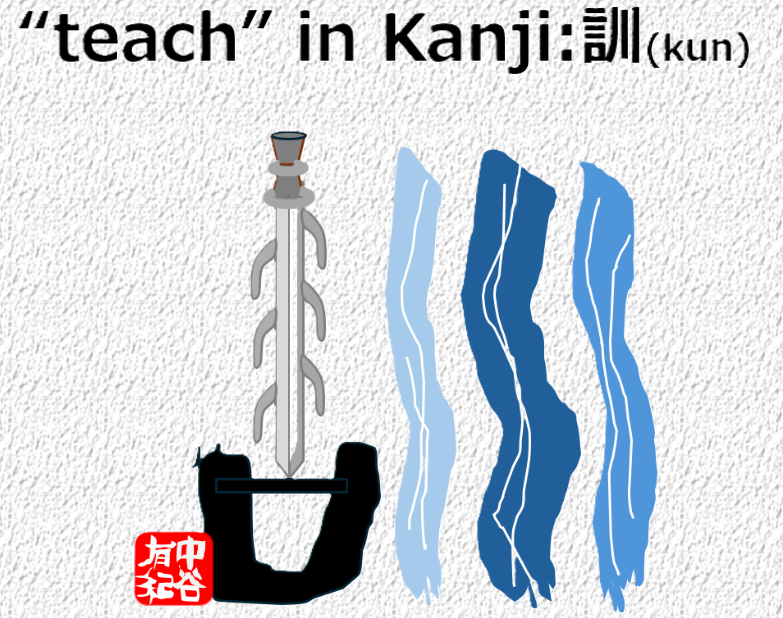

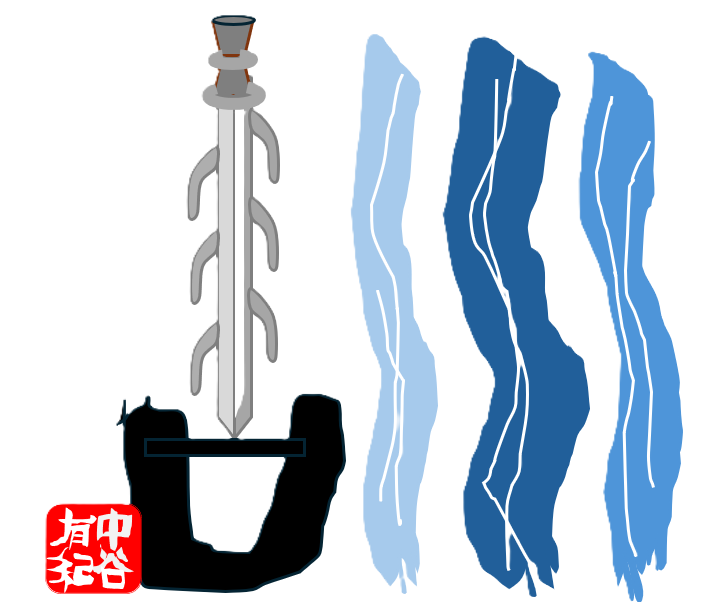
The kanji combines the radical for “speech” with the character for “river”. This implies explaining things kindly by flowing along with and gently embracing people’s natural emotions, just like a river.
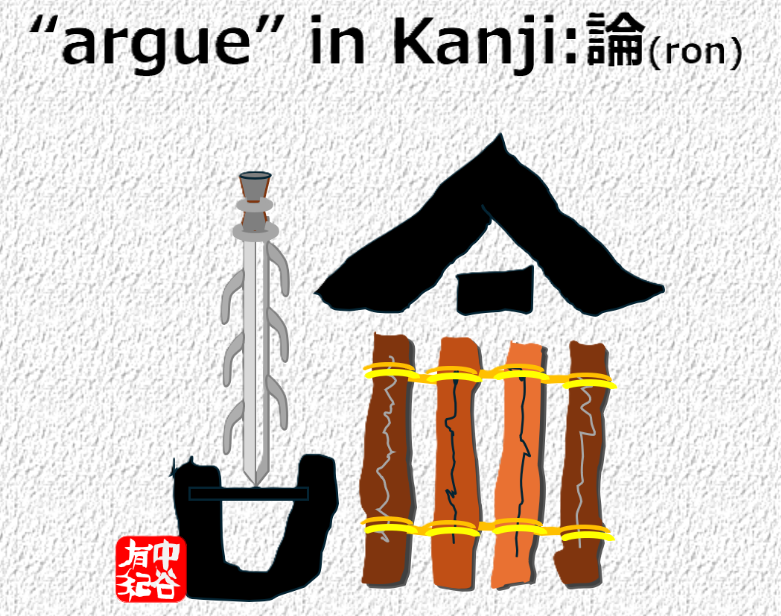

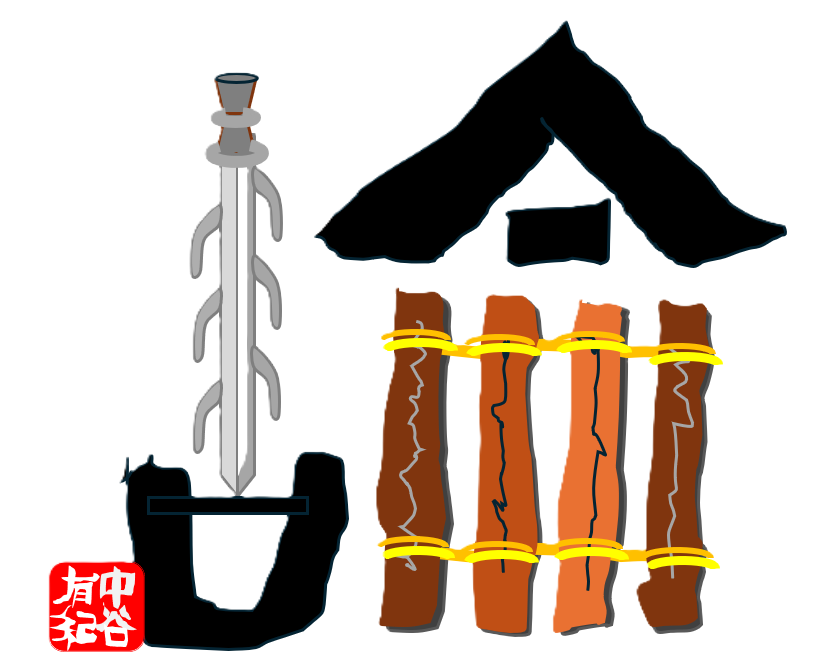
The kanji is composed of the radical for “speech” in the left,and elements representing a legal code written on wooden tablets in the right. This signifies explaining things to someone by following established rules and principles of the world. So this kanji means’argue’.
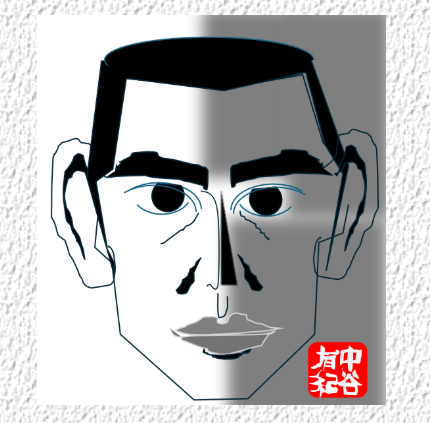
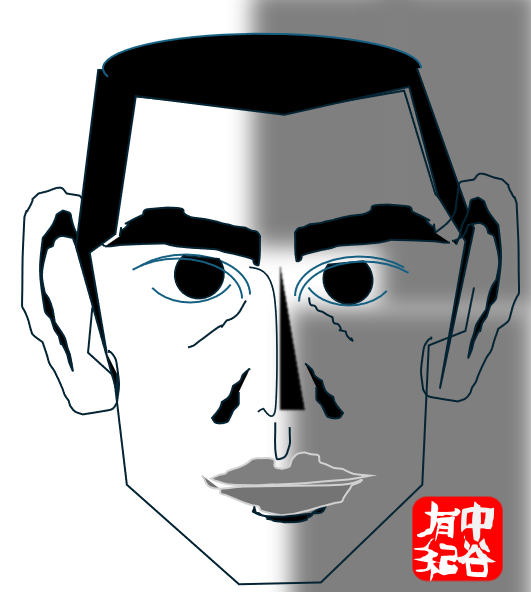
The movie ‘Izakaya Choji’ was based on a novel by Hitomi Yamaguchi, a writer who dearly loved Yaho. The story portrays the intersecting lives of the various people who gather at a tiny bar called ‘Choji’ near Yaho Station. Starring the legendary actor Ken Takakura, the film brought a sense of drama and romance to the town of Yaho.
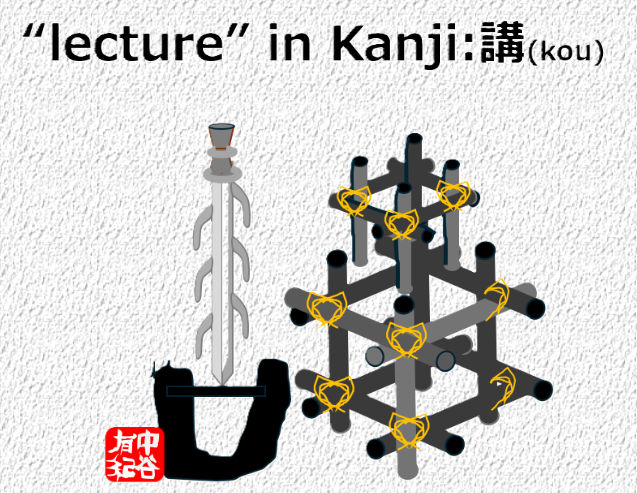

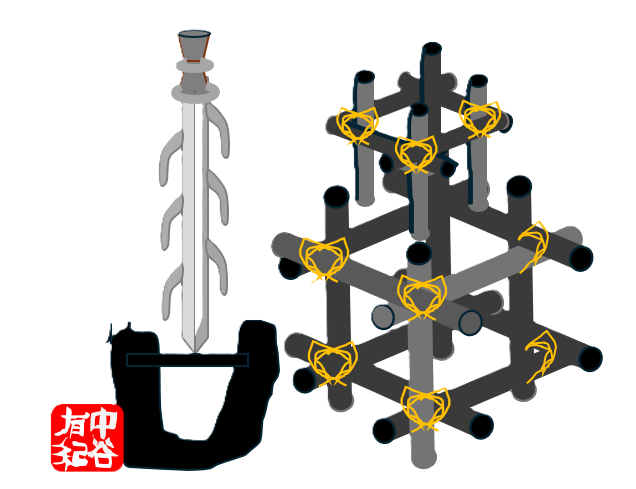
The left side of this kanji features ‘word,’ a symbol combining a sword and a mouth to represent a sacred promise to God. The right side represents a structured framework. Therefore, this kanji means ‘lecture’—speaking in detail using well-structured words.
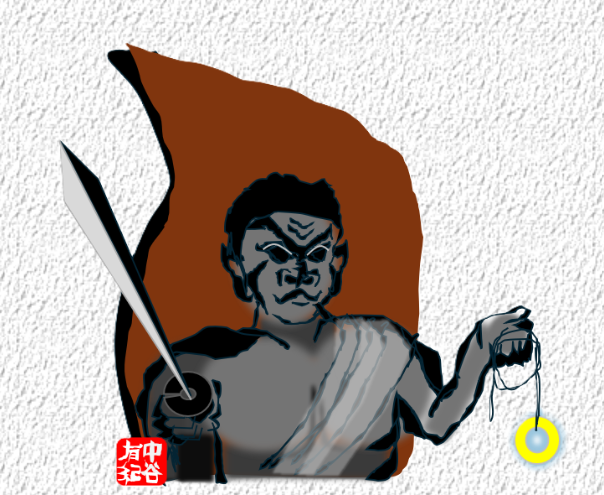
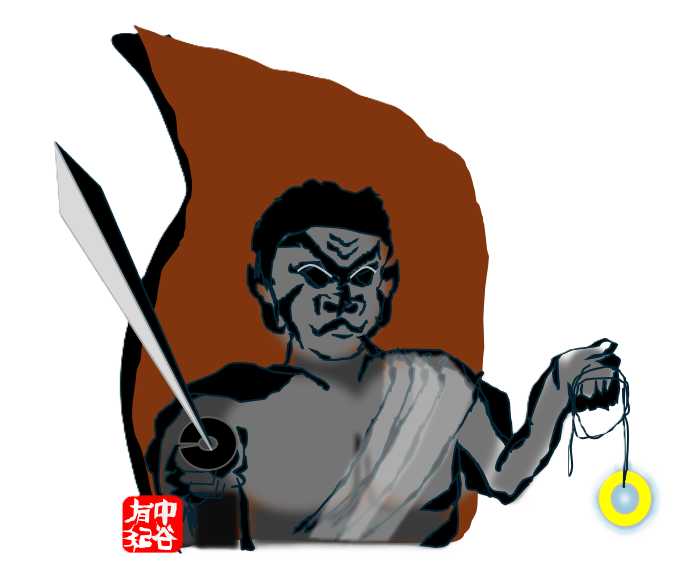
Seki Gantei (1919–2020) was born in Yaho village and dedicated his entire life to working as a sculptor and painter. He often inscribed his personal philosophy onto his artwork: ‘Live life effortlessly. Do not worry. Be like the wind; be like the water.You can see some of his art pieces like this Budda statue(Fudo-Myouou)at the Sato Meiso-joukikan in Kunitachi now.
| 名称 | ザ・サトウ明窓浄机館(めいそうじょうきかん) |
| 所在地 | 〒186-0004 東京都国立市中2丁目4−3 |
| Homepage | https://meisoujoukikan.net/ |
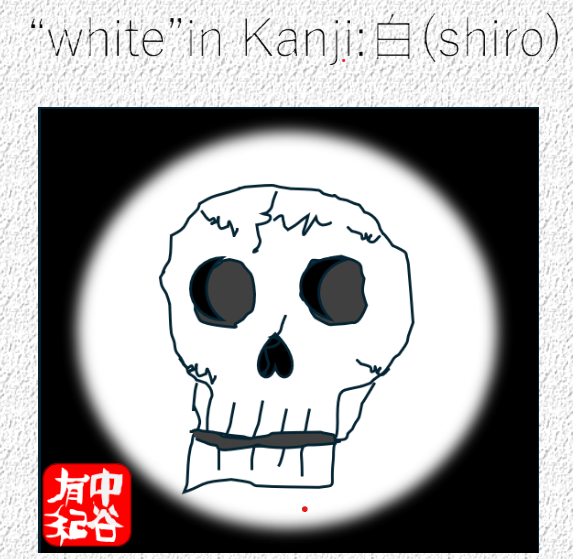

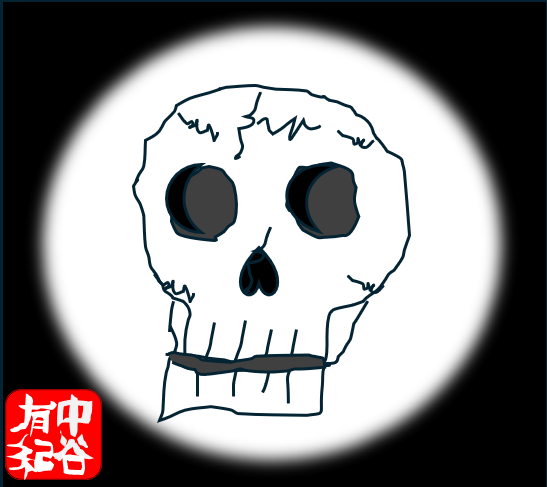
This kanji depicts a human skull. Because bones are white, it carries the meaning of the color ‘white’.
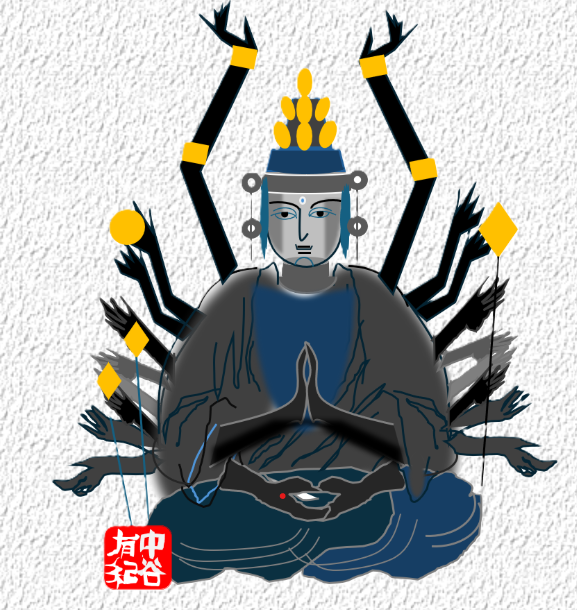
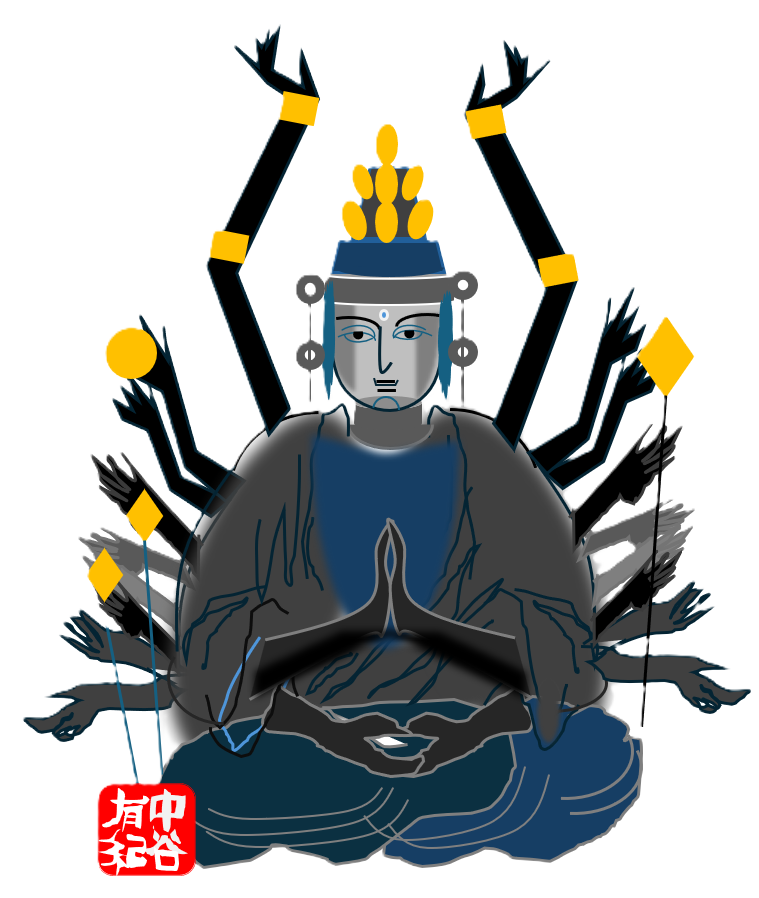
“This Buddha statue shows the style of the famous Kei school of sculptors. It is the main image of worship at Nanyou-ji Temple’s Daihi-den Hall. It was made between the Kamakura period and the early Muromachi period. This merciful Buddha uses its eleven faces and one thousand hands to save all people.
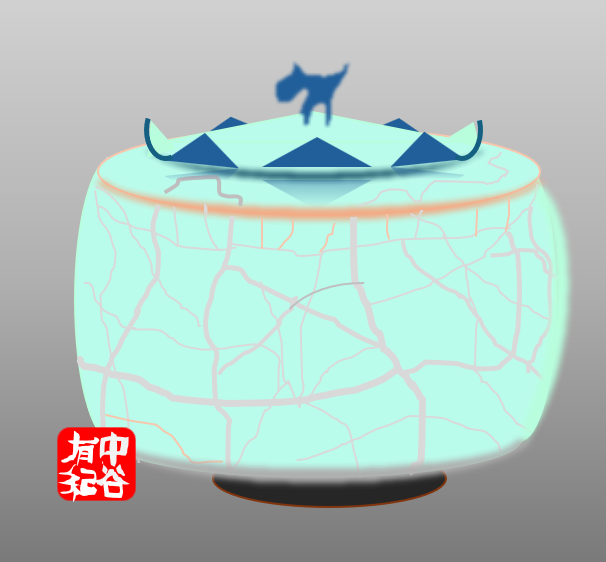
Koheiji Miura (1933–2006) lived in Kunitachi. In 1997, he became Japan’s first master of Seiji (celadon) pottery to be named a Living National Treasure.
Seiji is known for its mysterious blue color and unpredictable crack lines. It is so beautiful and hard to make that people say celadon lovers would lose all their money and sacrifice their lives just to have it.
When he was young, Miura saw an exhibition of Chinese celadon and often said, ‘If I can make Seiji like this, I will become a National Treasure.’ At the end of his long journey, he made it happen!
| 名称 | 人間国宝 三浦小平二 記念館 |
| 所在地 | 〒186-0002 東京都国立市東4丁目3−29 |
| Homepage | https://www.miurakoheiji.com/index.html |