
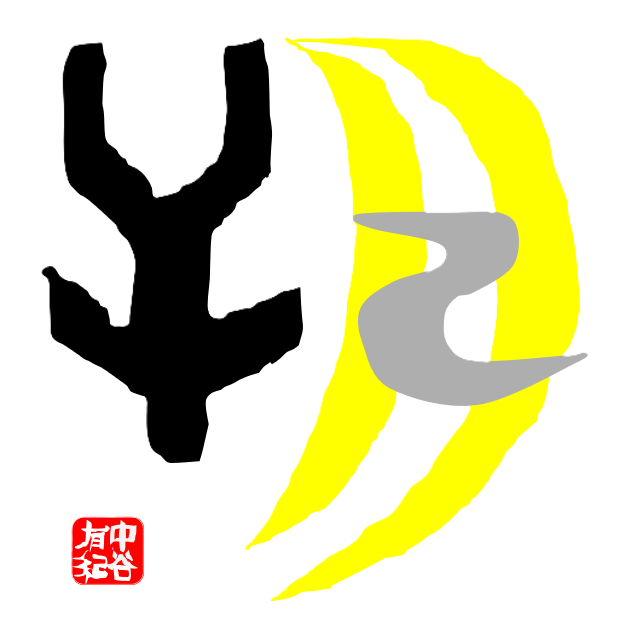
new moon(朔)

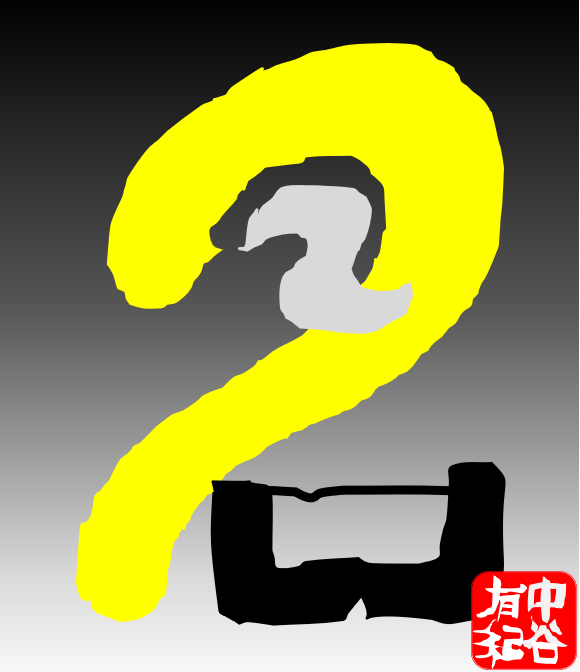
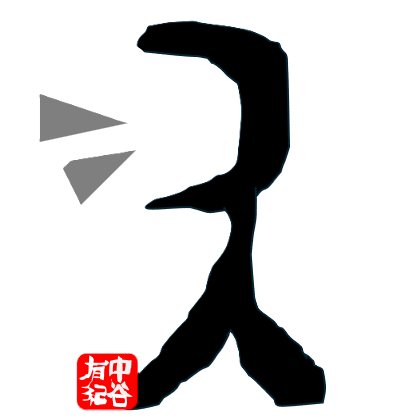
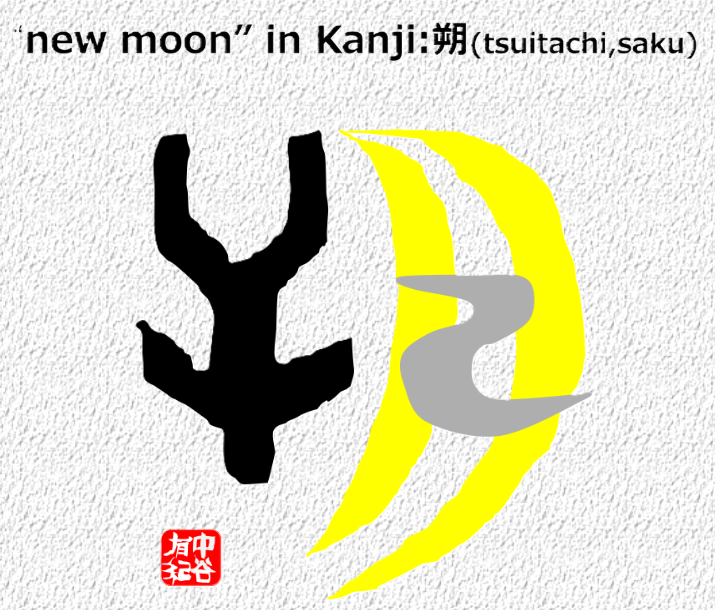
This kanji consists of two parts: an inverted human figure on the left, symbolizing ‘returning to the start,’ and the ‘moon’ radical  on the right. Combined, they depict the lunar cycle resetting, giving the character the meaning of ‘new moon’ or ‘the first day of the month.’ By extension, it has come to symbolize ‘a fresh beginning’ or ‘a pioneer’—much like a ‘first penguin’ taking the initial leap.

この漢字は2つの部分からできています。左側は逆さまになった人の姿から「最初に戻ること(逆行・回帰)」を表す「屰」、右側は天体の月を表す「月(つき)」です。これらが組み合わさり、月の満ち欠けのサイクルがぐるりと一周して振り出しに戻る様子を描いたことから、「新月」や「月の第一日(ついたち)」という意味になりました。そこから転じて、新しい物事の始まりや先駆けとなる人(ファーストペンギンのように最初に飛び込む開拓者)の象徴としても使われています。
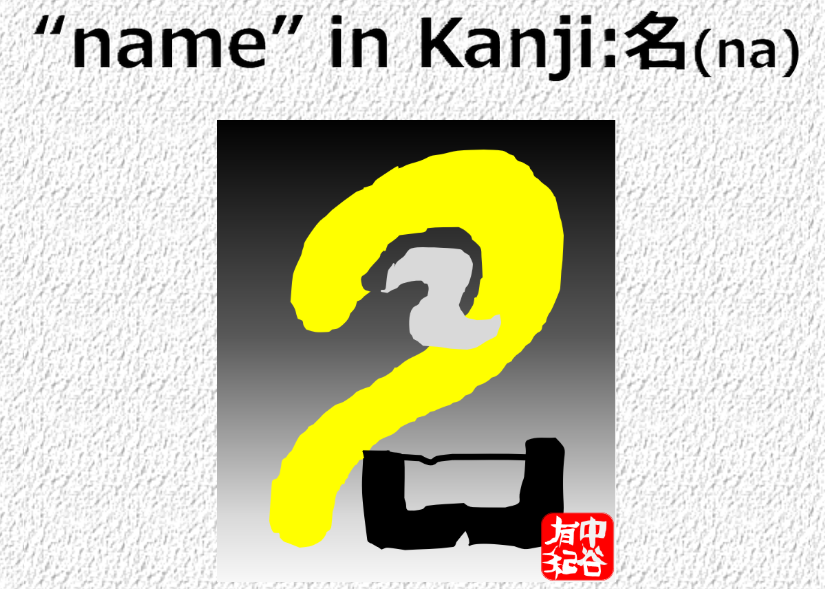

name(名)

This kanji consists of two parts: the ‘evening’ component on top (originally a crescent moon) and the ‘mouth’ radical below. Together, they depict calling out one’s identity at dusk, when darkness makes it difficult to recognize faces. From this practice of speaking aloud to identify oneself, the character came to mean ‘name.’

この漢字は、上部の「夕(夕方・三日月)」と、下部の「口」の2つからできています。薄暗くなってお互いの顔が見分けにくくなる夕暮れ時に、口で声を出して「私はだれそれだ」と名乗ったことから、自分を表す「なまえ(名前・氏名)」という意味になりました。

Words & Phrases

  • 名前(namae):A name given to a person, object, or place to distinguish it from others.
  • 名詞(meishi):noun
  • 名所(misho):A place that is well known for its beautiful scenery or historical significance; a scenic spot or historic site.

no(否)

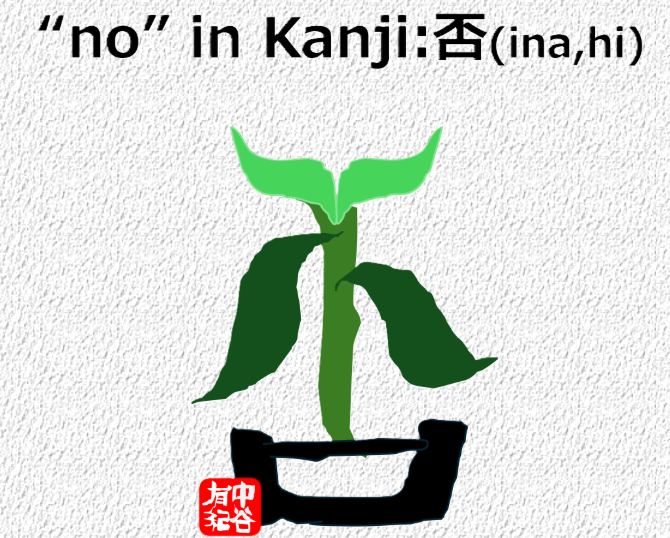
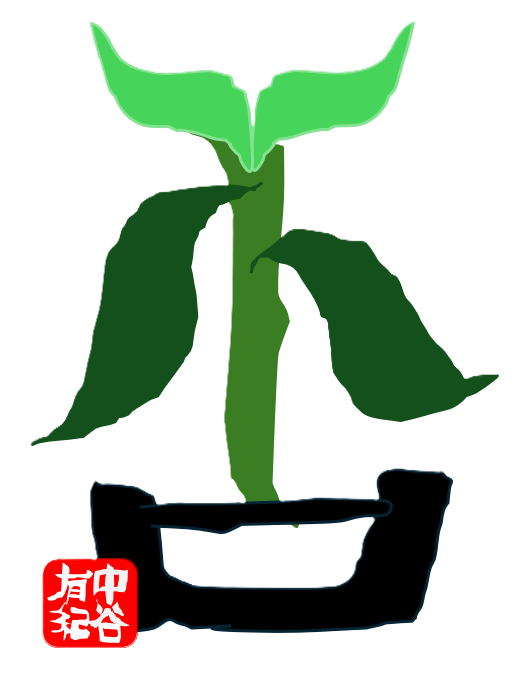
This kanji is composed of two parts. At the top is the “un-” or “non-” component, which originally depicted a flower calyx without any petals or fruit. Because of this, it came to serve as a negative prefix meaning “not” or “without.” Below it is the “mouth” radical. Combined, they signify closing one’s mouth against what has been said, or refusing to acknowledge someone’s words. By extension, the kanji means to say no, deny, or refuse.

この漢字は、上部は花びらのない花のガクを描いて「〜ではない」を表す打ち消しの記号、下部は「口」です。言われたことに対して口を閉ざしたり、相手の言葉を受け入れず拒む様子を表しており、「いいえ」「拒む・否定する」という意味になりました。

Words & Phrases

  • 否応なく(iyaou-naku):whether one likes it or not
  • 否認(hinin):denial,deny

Related Posts

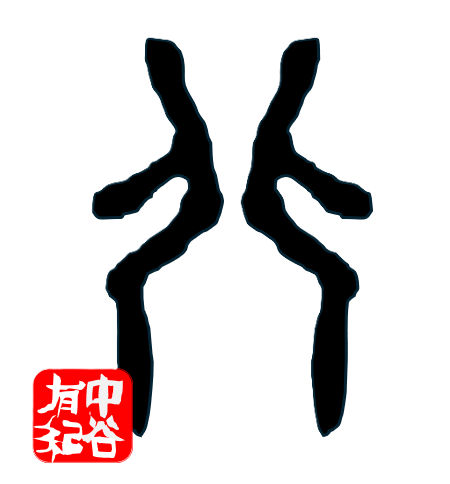
north(北)

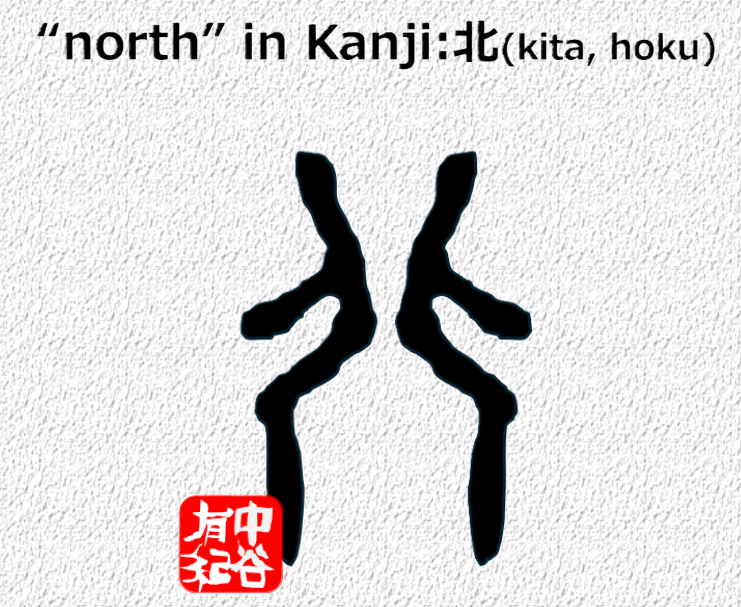
This kanji shows two people sitting back-to-back.
Originally, it meant “back.” That’s why you can still see this radical at the top of the kanji “背” (back).
Later, it came to mean “north.” This happened because ancient Chinese emperors always faced south when seated, so their backs were facing north.

2人の人が背中を向け合って座っている姿を描いた漢字です。もともとは「背中」を意味していましたが、皇帝が南を向き、背中側が北を向くことから方角の「きた(北)」を表すようになり、背中の意味は「背」の字へと引き継がれました。

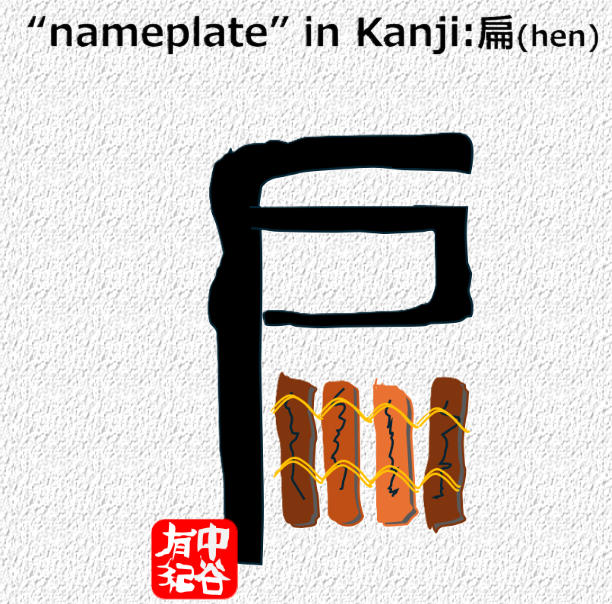
nameplate(扁)

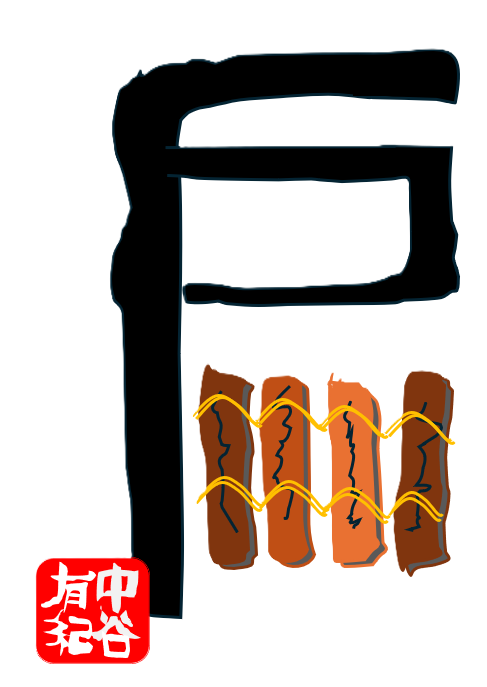
This kanji consists of two parts. On top is the “door” radical, and below it is a radical representing bound wooden strips, which were used like a notebook before paper existed. Together, this kanji means a nameplate or sign hung on a door.
By extension, this kanji came to mean anything thin and flat, like a plate or a sheet.

この漢字は、上部は片開きの「戸(ドア)」、下部は紙のない時代に使われた木札を紐で束ねた形を表しています。戸口に掛けて身元を示す表札や看板を表し、そこから薄くて平らな板や平たい形状(扁平)を意味するようになりました。

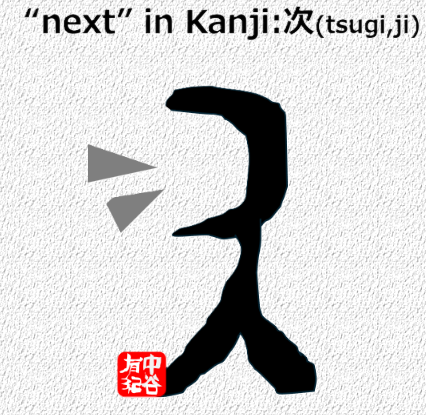
next(次)

This kanji depicts a person opening his mouth wide, as if letting out a sigh. Combined with the symbol for ‘two,’ it came to mean ‘to move on to the next’ or ‘second in order.’

人が口を大きく開けて「はぁ」とひと息ついている姿に、「2(二)」の印を添えた漢字です。一仕事終えてひと休みし、2番目の段階へと移る様子から、「つぎ(次・順番)」という意味になりました。

non(非)

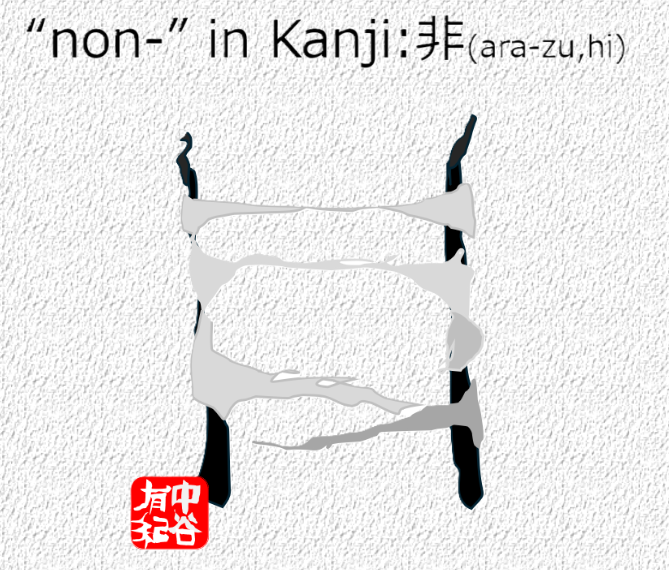
This kanji shows a torn flag or cloth. That is why it means ‘not’ or represents a denial.

引き裂かれた旗や、左右に背き合っている鳥の羽の形を描いた漢字です。左右が反対を向いて食い違っていることから、正しくないことや打ち消しを表す「〜ではない・背く(非行・否定)」という意味になりました。

near(近)

This character depicts an ax placed right beside a road used for hunting. It signifies a short distance where you barely need to move to reach something, beautifully capturing the exact meaning of ‘near’.

獲物を追う道のすぐ脇に、おの(斤)が置かれている様子を描いた漢字です。ほんの少し足を動かせばすぐに手が届くような短い距離感を表し、「ちかい(近い・近所)」という意味になりました。

nest(巣)

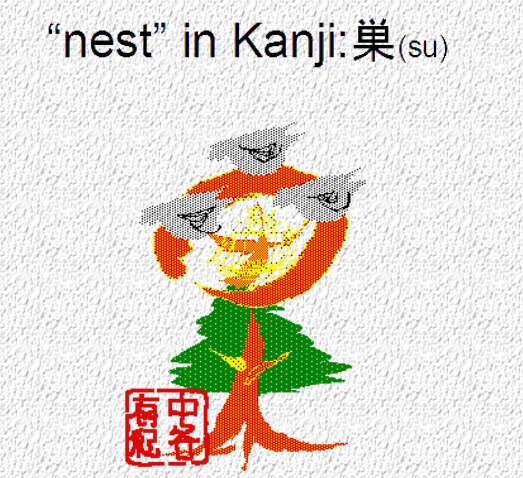
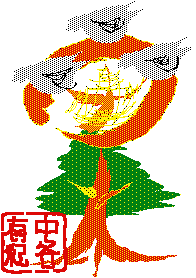
At the top of this figure, you can see three birds resting comfortably on their tree. Just as you can see, this character simply and beautifully means ‘nest’.

木のてっぺんの枝の上に、3羽の鳥が仲良く寄り添って羽を休めている様子を描いた漢字です。鳥たちが安心して暮らす「す(鳥の巣・住処)」を表しています。

nation(國)

This character shows a national border drawn as a large square, defended by a large sword. Inside the square is another symbol, which likely represents the emperor’s palace. Therefore, since ancient times, this character has meant ‘Nation’.

国境を表す大きな四角い枠(囗)を、大きな矛(戈=武器)で外敵からしっかり守っている様子を描いた漢字です。枠の中には王や宮殿を象徴する印があり、人々が暮らすひとつの領土・国家である「くに(国・国家)」を表します。