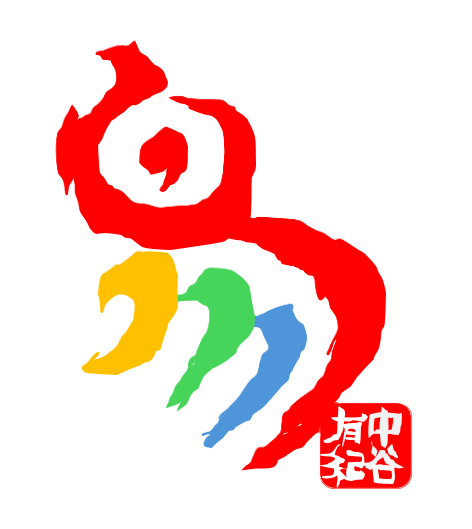
This kanji depicts the sun radiating bright light. Depending on your perspective, the light appears in various colors. Because of this, the kanji came to mean “easy to change” or “easy.”
The short story of Kanji pictures
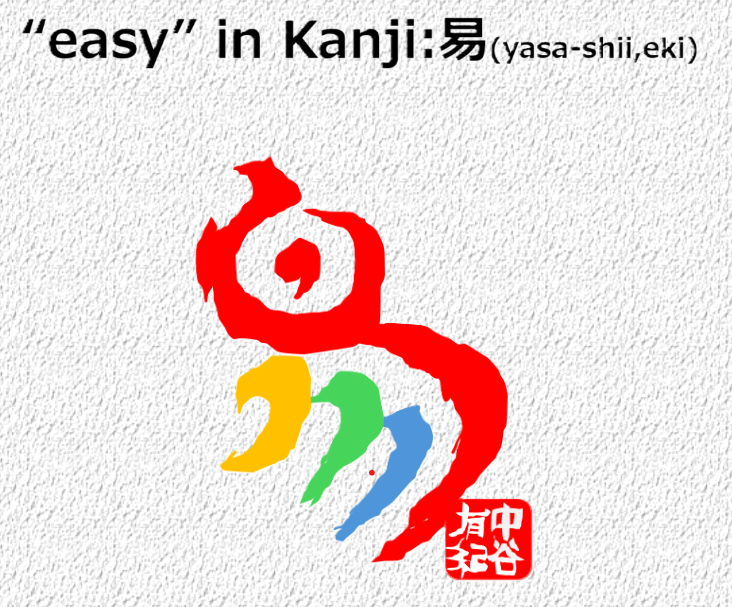
This kanji depicts the sun radiating bright light. Depending on your perspective, the light appears in various colors. Because of this, the kanji came to mean “easy to change” or “easy.”
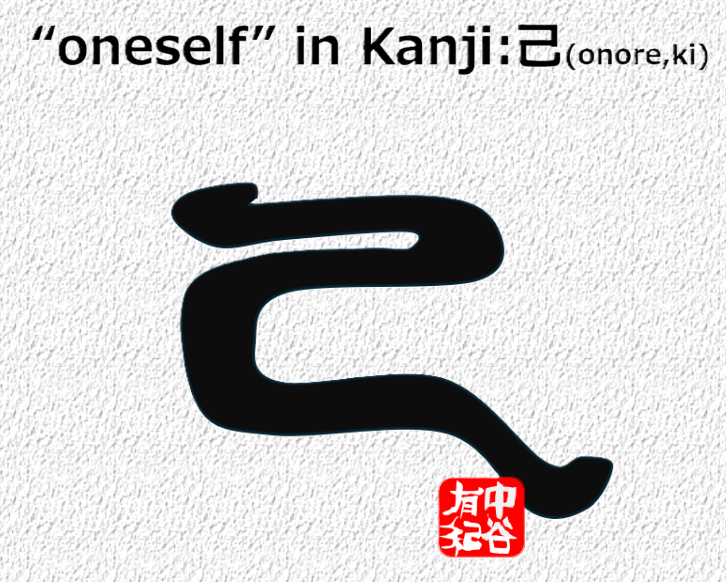

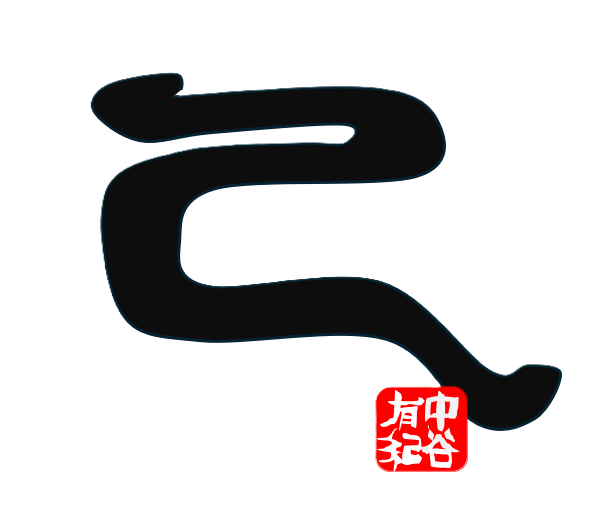
This kanji depicts the abstract shape of something coiled or compressed that holds a strong spring-like energy. By extension, it came to represent ‘oneself’—a human being with boundless potential within.
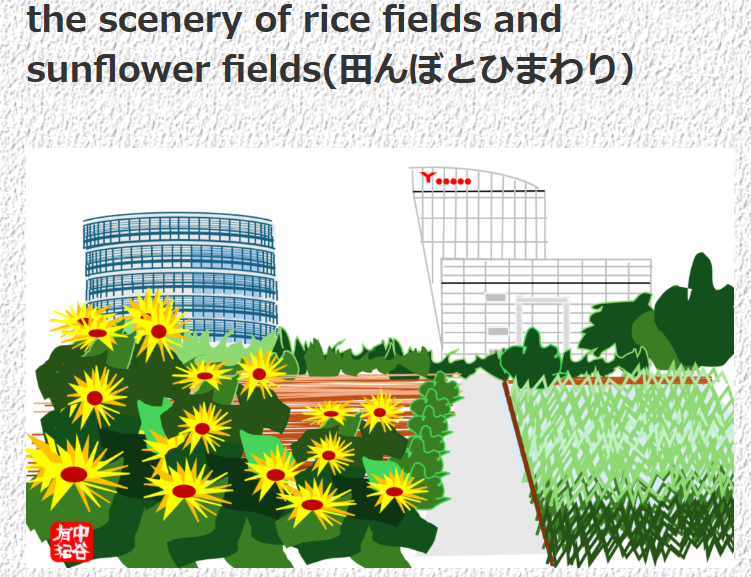
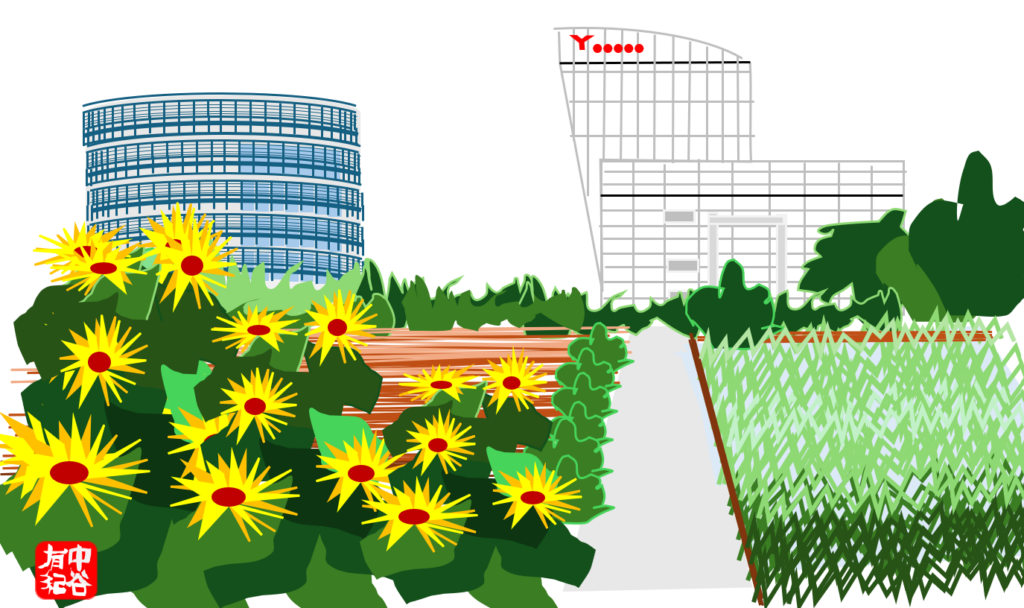
From July to August in Yaho, you can enjoy the view of rice paddies and sunflower fields at the same time. Thanks to the region’s abundant water, this clean resource supports not only local agriculture, but is also used by the biotech company Yakult to develop new products.
| 名称 | ヤクルト中央研究所 |
| 所在地 | 〒186-0012 東京都国立市泉5丁目11 |
| Homepage | https://institute.yakult.co.jp/ |
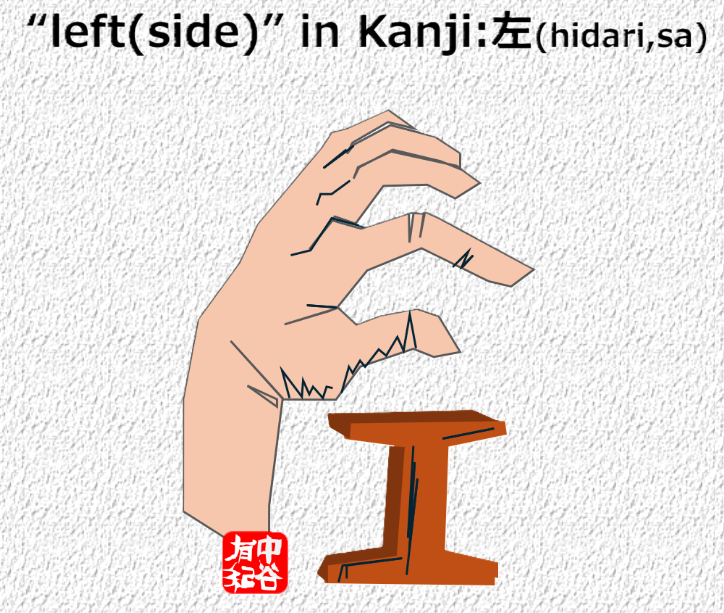

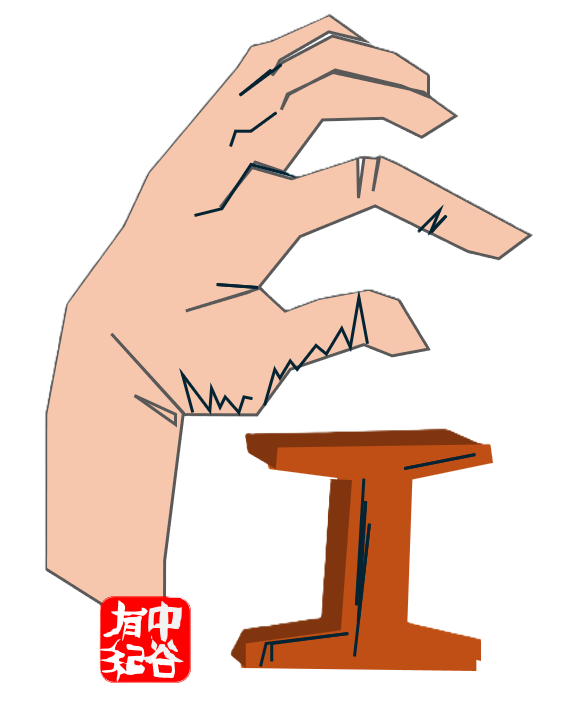
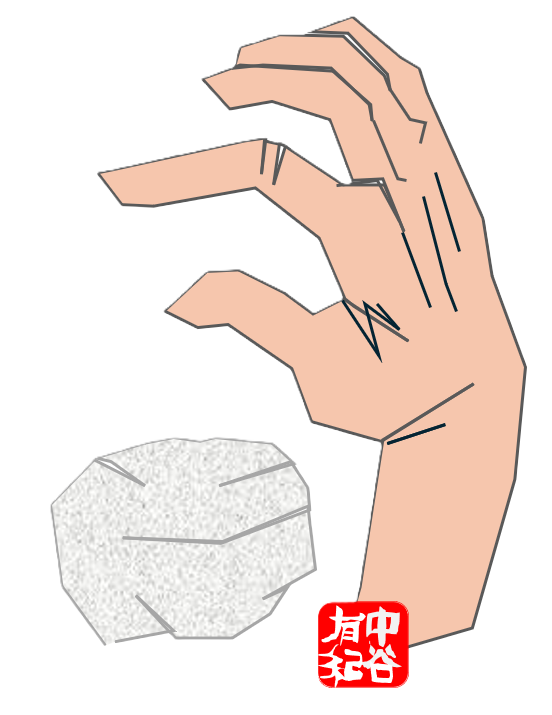
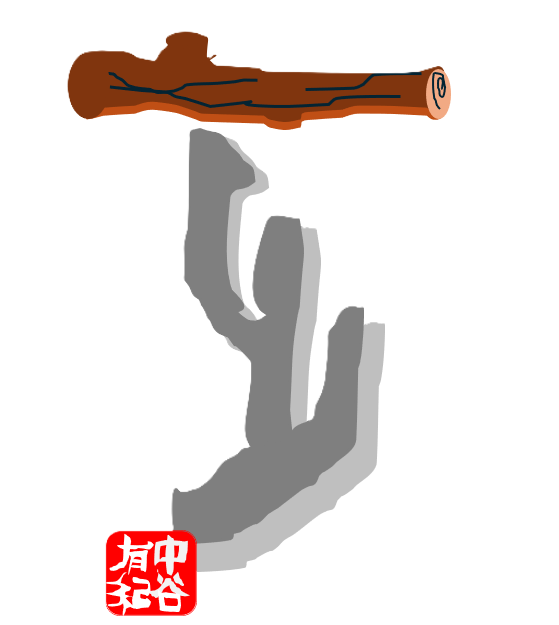
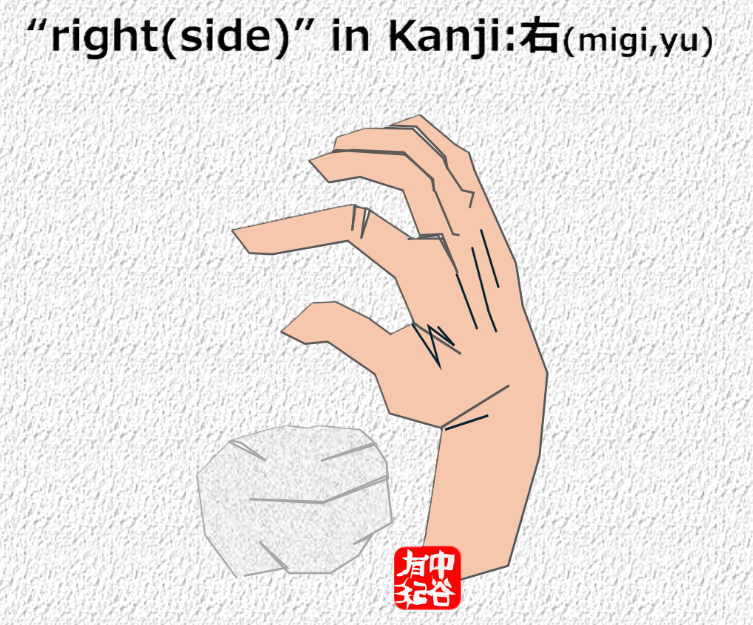
This kanji depicts a left hand holding a tool. Ancient people recognized that the left hand was much better than the right hand at holding objects steady or making delicate adjustments. Therefore, this kanji came to mean ‘left.’
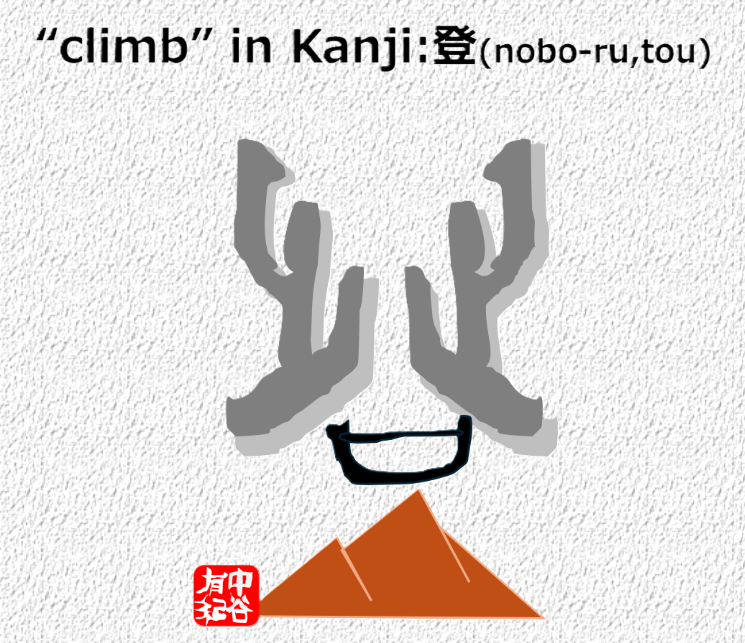

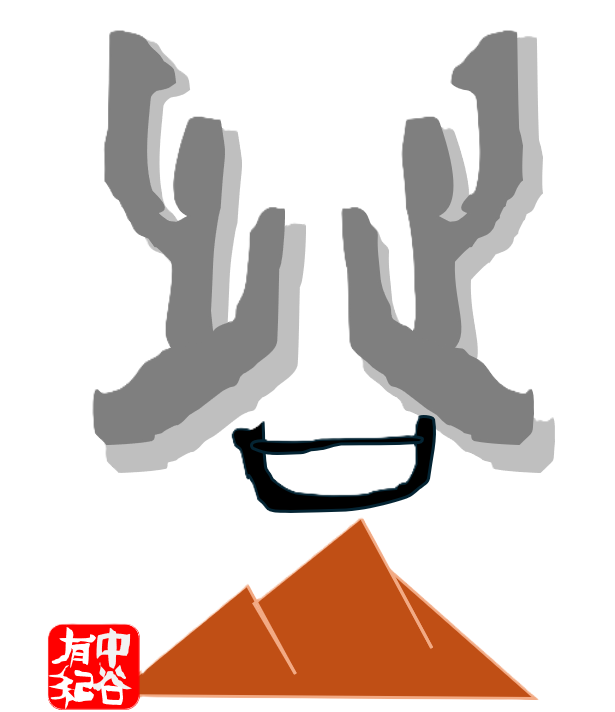
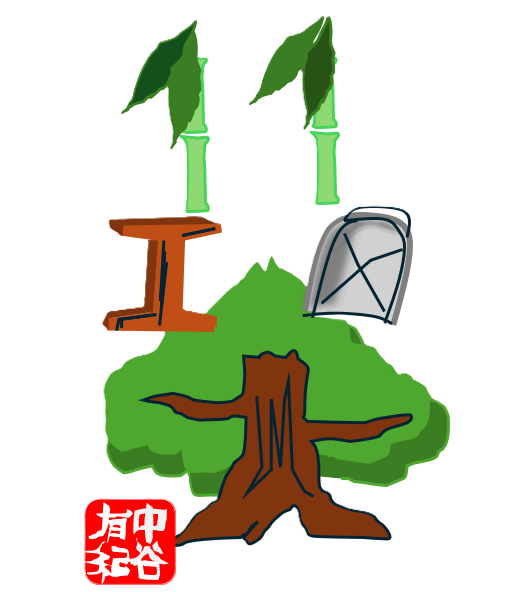
This kanji consists of three parts: footprints at the top, a breathing mouth in the middle, and a mountain (or slope) at the bottom. As you might imagine, it depicts someone breathing heavily while stepping up a mountain, which is why this kanji means ‘to climb.’