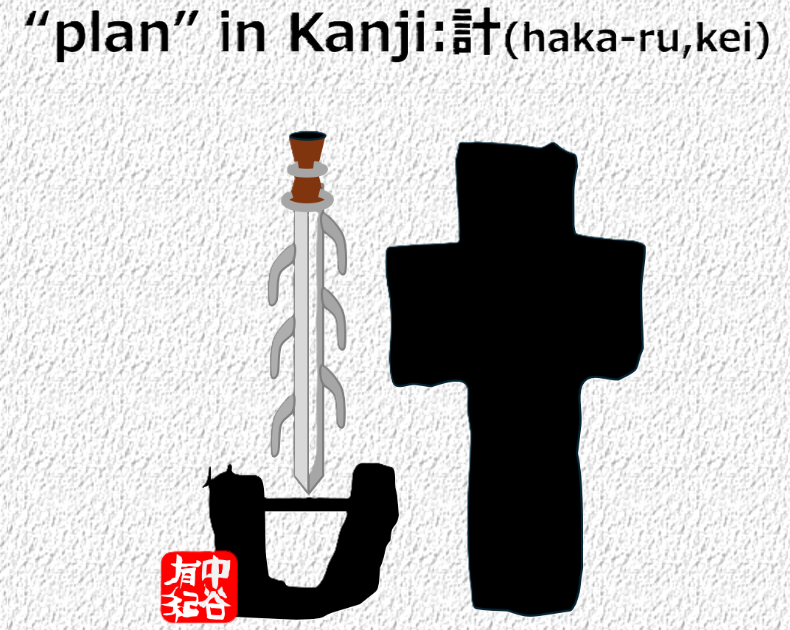

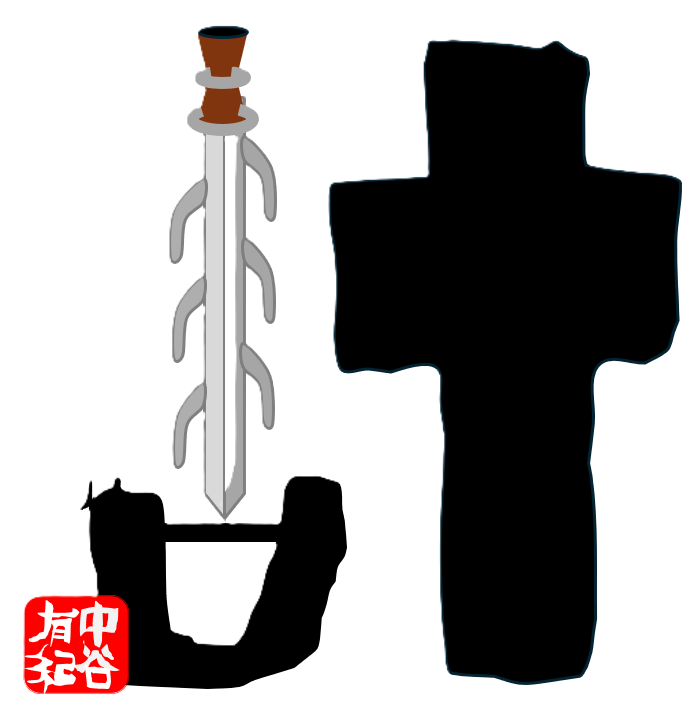
plan(計)

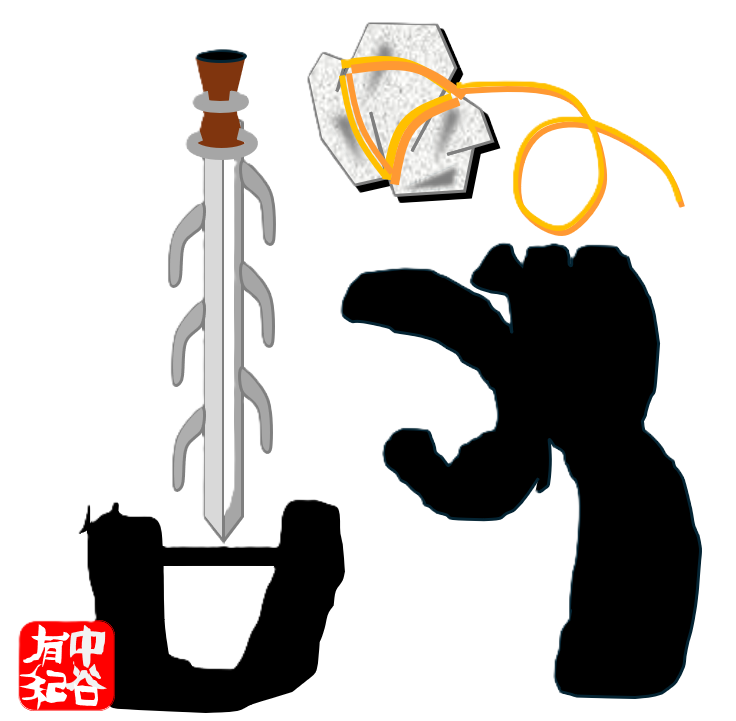
This kanji consists of two parts. On the left is the ‘word’ radical, which originally represented a sacred oath made before God—one so absolute that breaking it meant punishment by the sword. On the right is the radical for the number ten. Together, the kanji originally meant to count aloud using words. Over time, its meaning expanded to measuring, calculating, and planning.
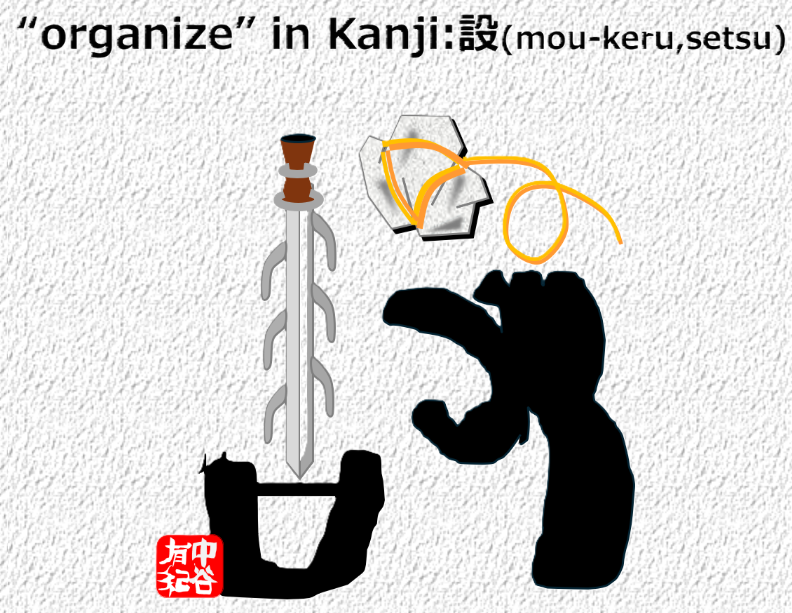

organize(設)

This kanji consists of two parts. On the left is the ‘word’ radical, which originally represented a sacred oath made before God—one so absolute that breaking it meant punishment by the sword. On the right is an element showing a hand holding a tool or weapon to strike a target. Together, the kanji originally meant to direct people using words. Over time, its meaning expanded to organizing, establishing, or building something.

bird(隹)

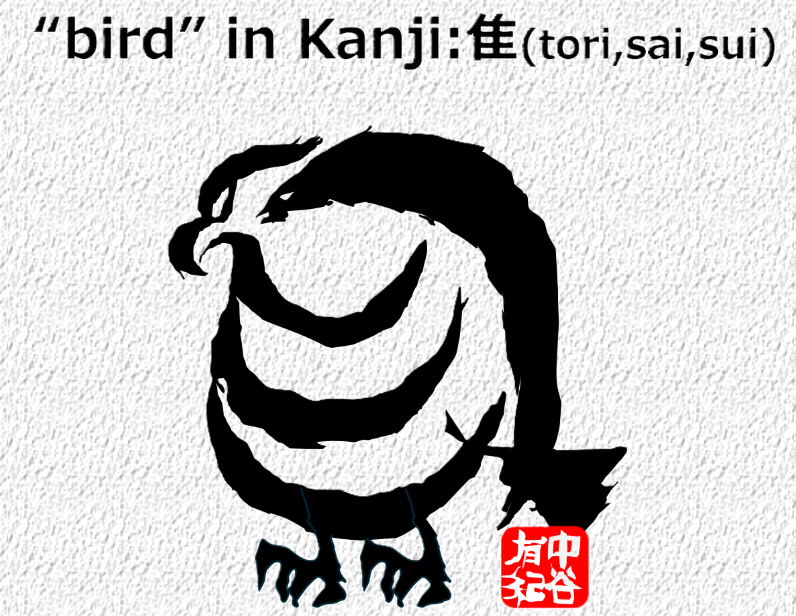
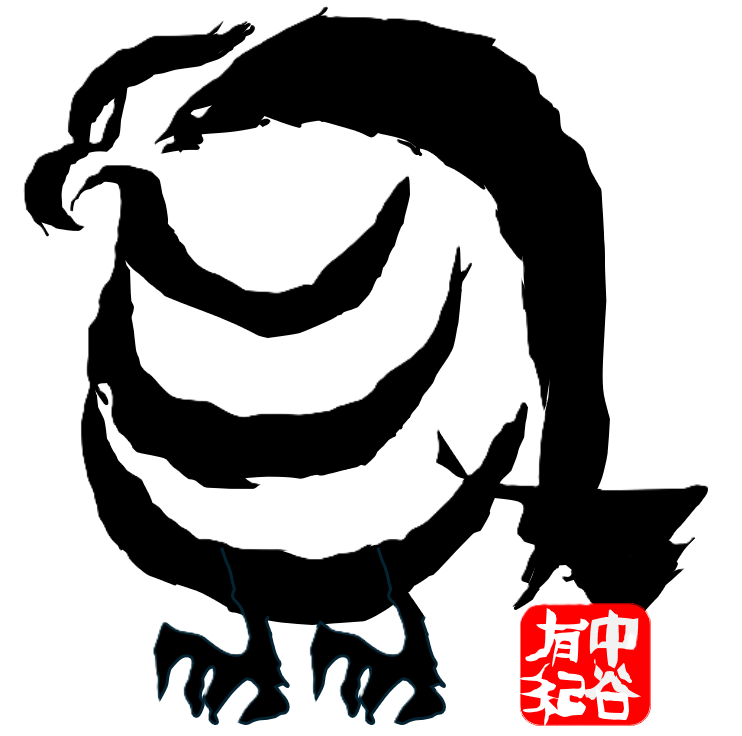
This kanji shows a hawk as a symbol for birds. It used to mean ‘bird’ in the past, but nowadays we use a different kanji (鳥) for birds in general.

タカなどの鳥の姿をかたどった漢字です。昔は鳥全般を指す文字として使われていましたが、現在では一般的な鳥を表す際には別の漢字(鳥)が使われるようになりました。

Related Posts

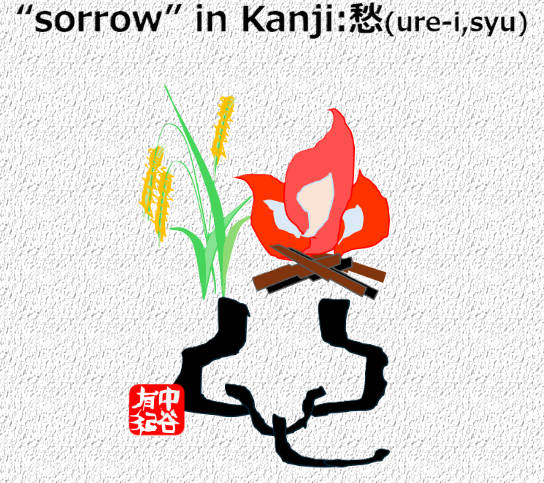
sorrow(愁)

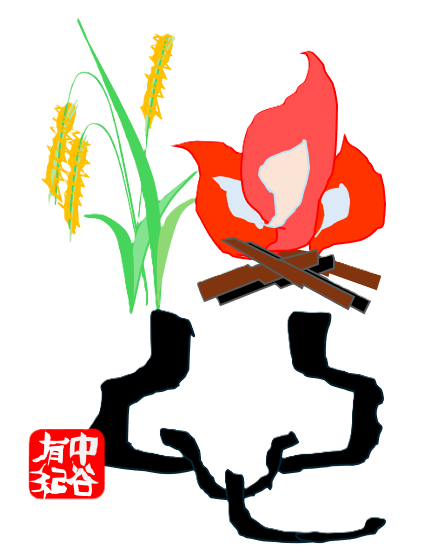
This kanji consists of two parts. At the top is the “autumn” character, which is made of “rice plant” and “fire,” representing the process of harvesting rice and drying it for storage. Below is the “heart” radical. Together, this kanji means to feel sorrow or grief as harvest ends and winter approaches.