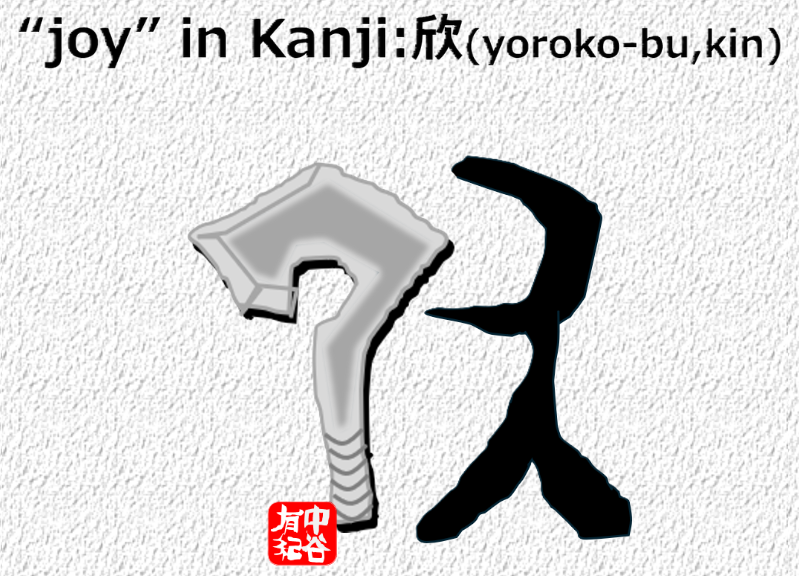
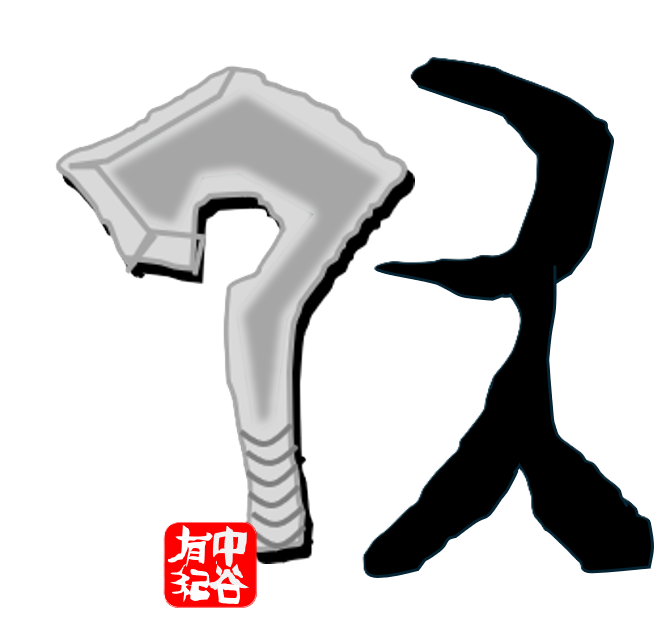
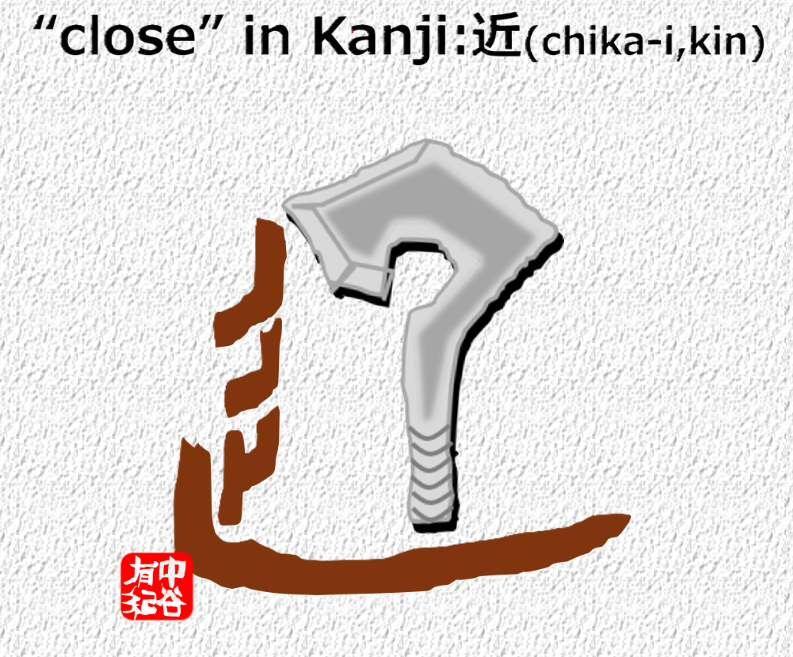
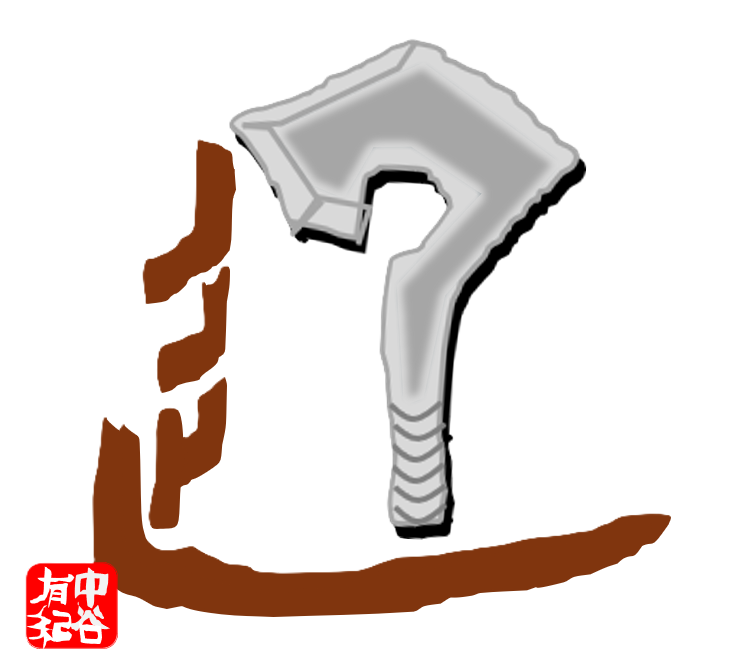
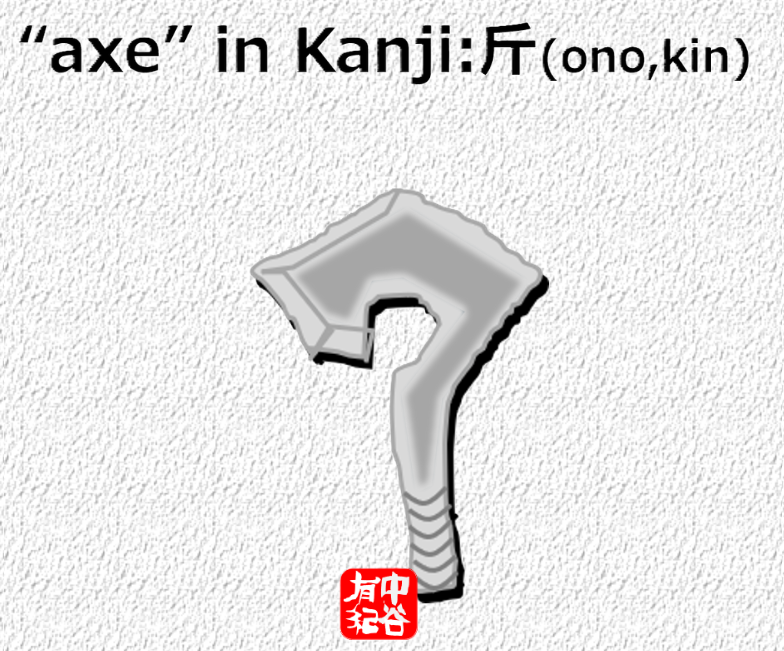
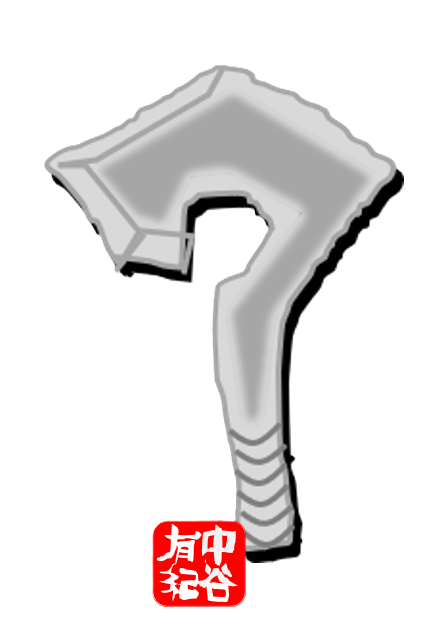
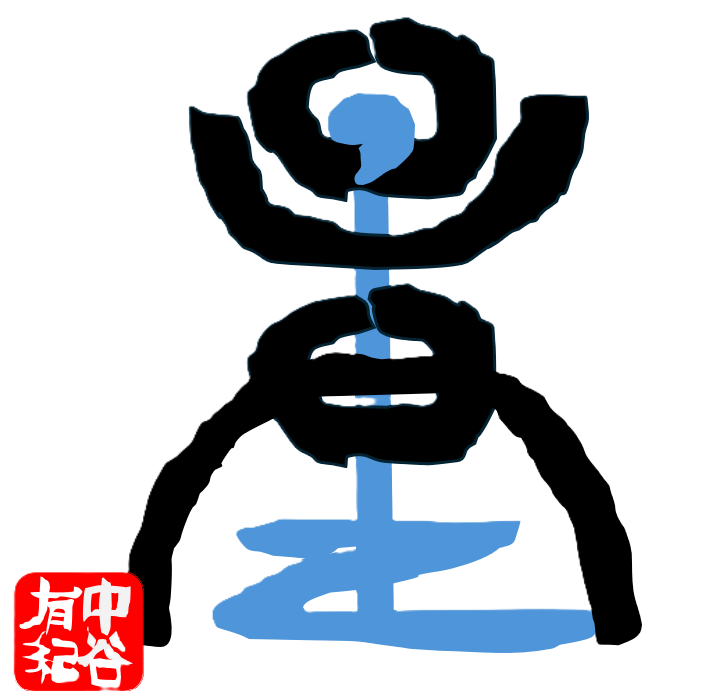
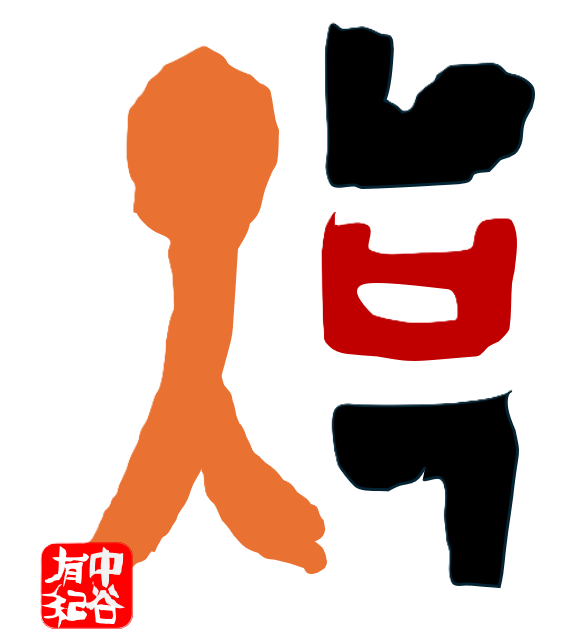
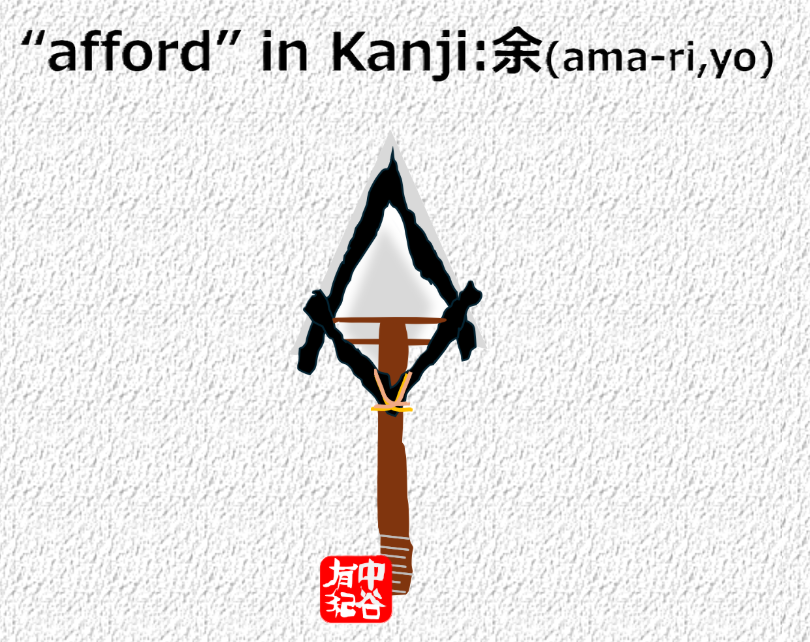
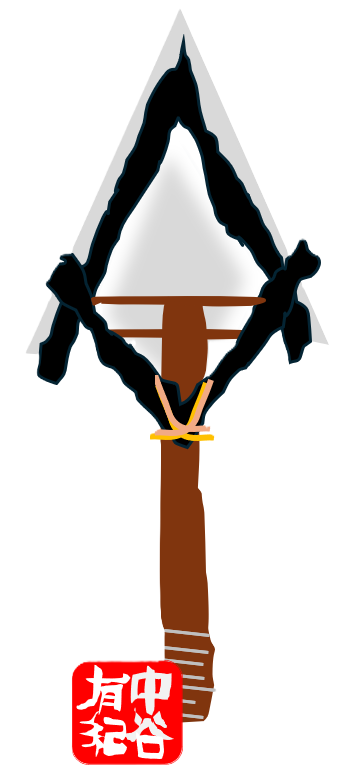
This kanji is said to depict an ancient farming tool that could dig deep into the soil and clear wide areas of land. Although exact historical details are unclear today, we know that this tool brought abundance and happiness to the people. Over time, this kanji came to represent extra space, surplus, or having enough to afford something.
この漢字は、古代に土を深く耕して広い土地を切り開いた農具の形を描いたものとされています。この道具によって作物がたくさん実り、人々に豊かさをもたらしたことから、しだいに場所や物、お金に「余裕がある・余る」という意味を表すようになりました。
Words &Phrases
- 余韻(yoin):The lingering sound that remains after a bell is struck.
- 余興(yokyou):A performance or party trick done to entertain guests at a banquet or gathering.
- 余剰(yojou):What is left over after a part has been used, taken, or divided.
- 余談(yodan):A side topic or comment that is separate from the main subject.