
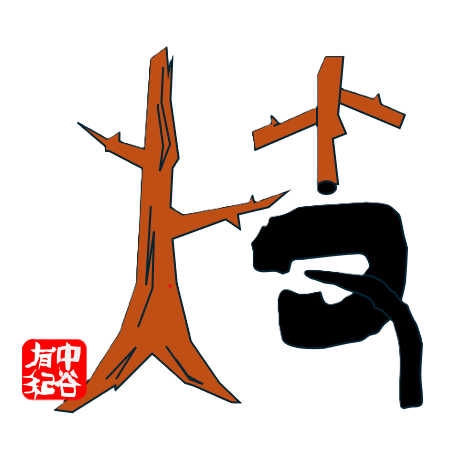
This kanji consists of two parts: the ‘tree’ radical on the left, and a hand holding a branch on the right. Originally, it referred to a tree branch itself. By extension, it came to mean ‘something that branches off from the main stream.’
The short story of Kanji pictures
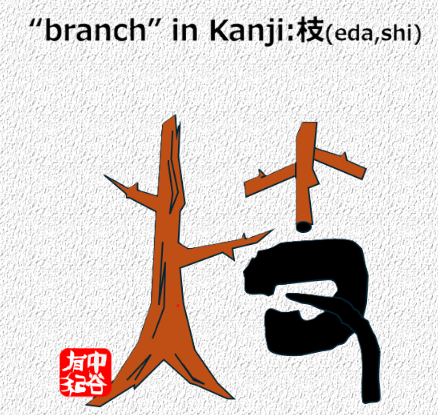
This kanji consists of two parts: the ‘tree’ radical on the left, and a hand holding a branch on the right. Originally, it referred to a tree branch itself. By extension, it came to mean ‘something that branches off from the main stream.’
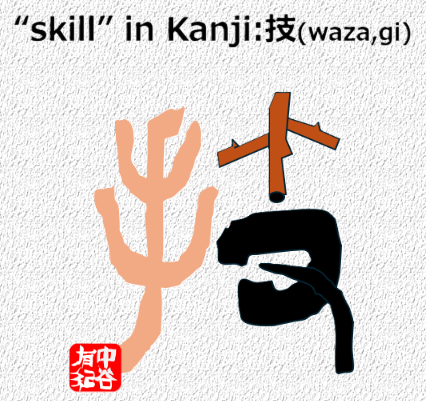

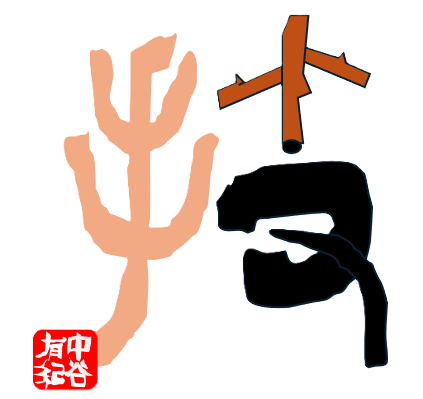
This kanji consists of two parts: the ‘hand’ radical on the left, and a hand holding a branch on the right. Therefore, this kanji came to mean ‘skill’ or ‘technique’—referring to the human ability to craft things meticulously by hand.
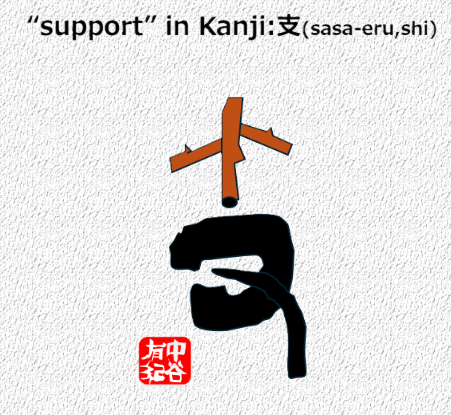

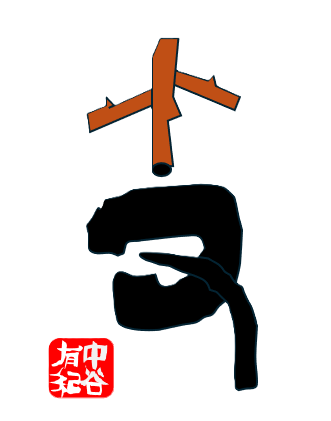
This kanji depicts a hand holding a tree branch. Originally, it had two main meanings: first, ‘a point where a path or stream branches off,’ and second, ‘to support something.’
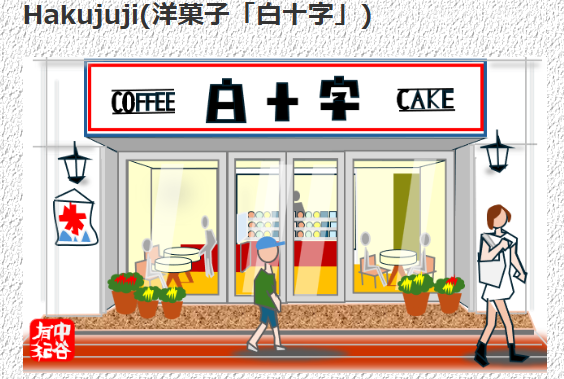
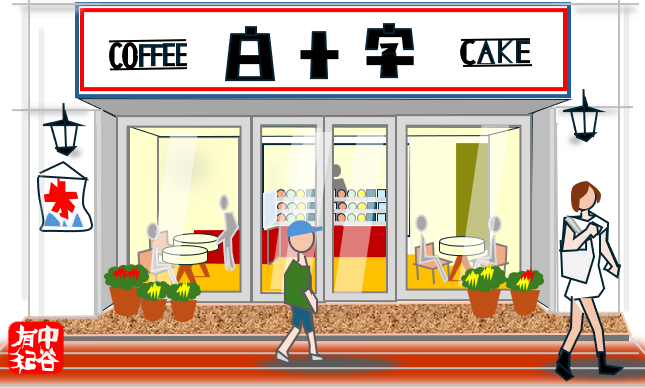
Hakujuji is a traditional confectionery and coffee shop that has been a landmark of Kunitachi City since 1955. It is such an iconic symbol of the city that it has appeared in films like “Summer blooms” and “Wolf Children” just as it is.
| 名称 | 洋菓子店 白十字 |
| 所在地 | 東京都 国立市中1-9-43 くにたちさくらビル1階 |
| HomePage | https://sakuracake.jp/ |
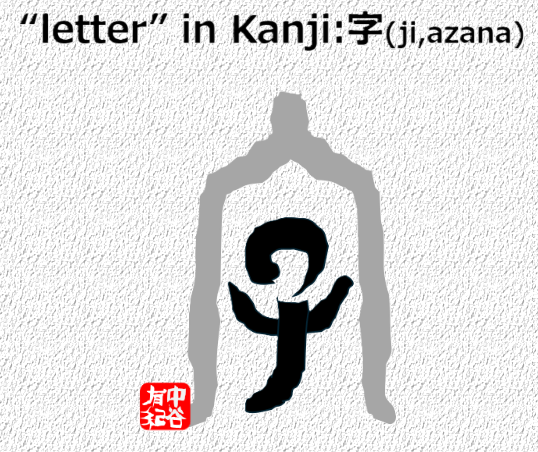

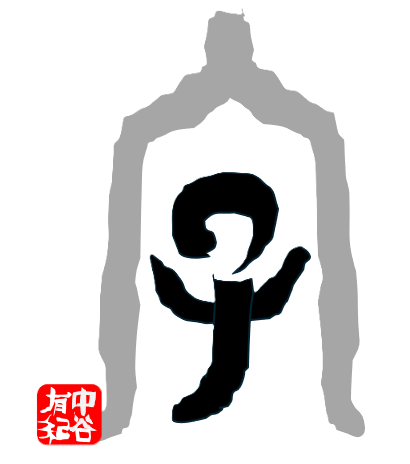
This kanji depicts a baby inside a house under a roof. Originally, it meant ‘to raise or nurture a child.’ By extension, it came to mean the name given to a child, and eventually came to refer to written characters or ‘letters’ as we know them today.
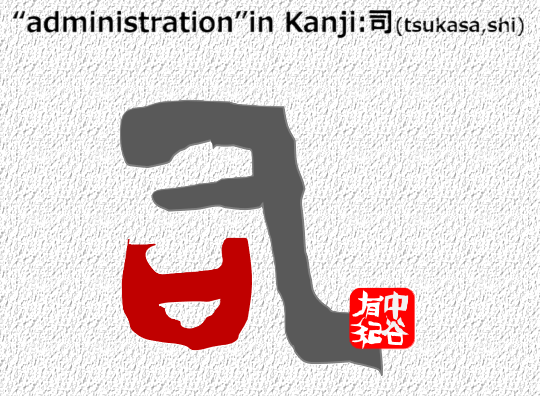

The character is originally a mirror image of the kanji“后” (kou)that represents a person carefully listening to the words of their predecessor.
While “后(kou)” implies internal succession, this kanji means a successor who handles external affairs and public administration.Therefore, it came to mean “to govern,” “to manage,” or “an official in charge.”
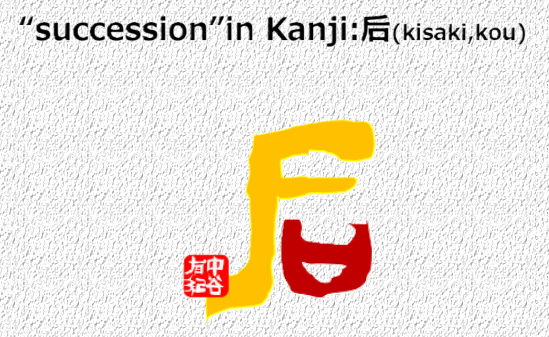

The Kanji originally represented a person carefully listening to the words of their predecessor.From this visual origin, its meaning evolved into “the successor who carries on the work of the founding ruler.“Later, this concept of a crucial royal successor led to its modern meaning of “queen” or “empress.”
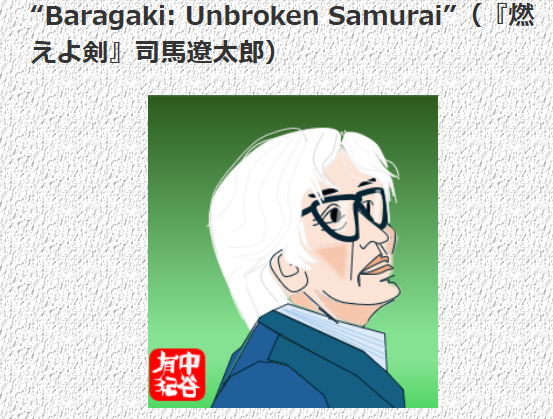
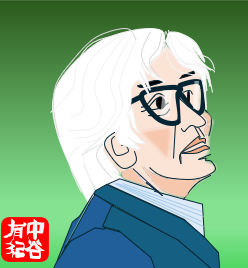
“Baragaki: Unbroken Samurai” (Moeyo Ken)
Written by Ryotaro Shiba, this famous historical novel follows Toshizo Hijikata, vice-commander of the Shinsengumi. The story actually begins right around here, as a young Toshizo travels from Ishida Village through Yaho to a night festival in Fuchu, looking to meet girls!
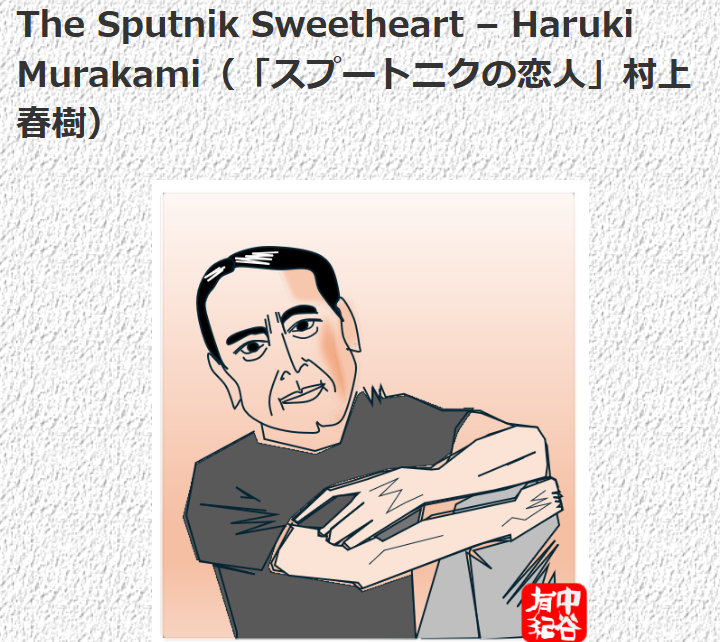
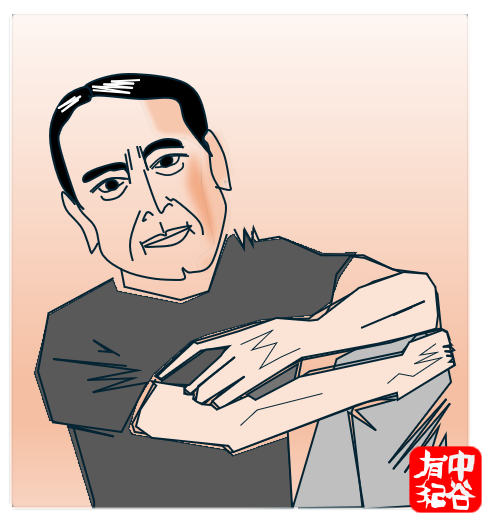
Written by Haruki Murakami in 1999, this romantic fantasy story begins right here in Kunitachi City, travels all the way to Greece in Europe, and suddenly leaves readers with an unforgettable mystery. It is such a page-turner that you will completely lose track of time.
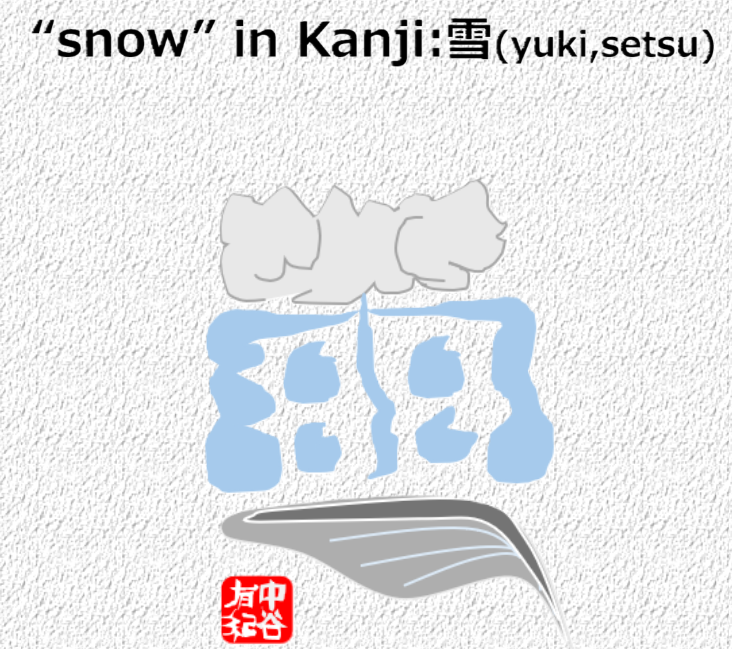

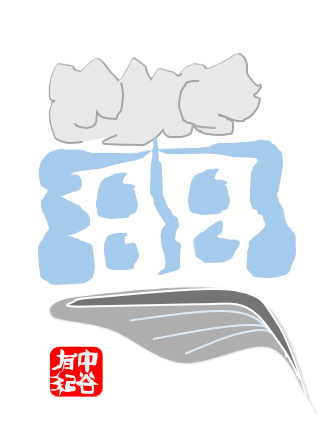
This kanji consists of two parts: the radical for ‘rain’ at the top, and ‘feathers’ below. Therefore, this kanji means ‘snow’—depicting rain that freezes and falls softly through the air like fluffy feathers.