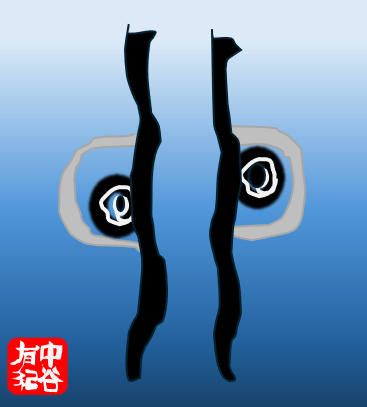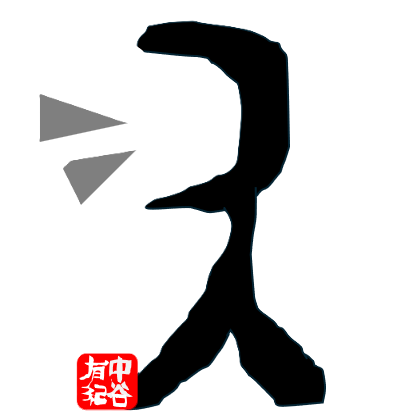
This kanji depicts a person opening his mouth wide, as if letting out a sigh. Combined with the symbol for ‘two,’ it came to mean ‘to move on to the next’ or ‘second in order.’
The short story of Kanji pictures
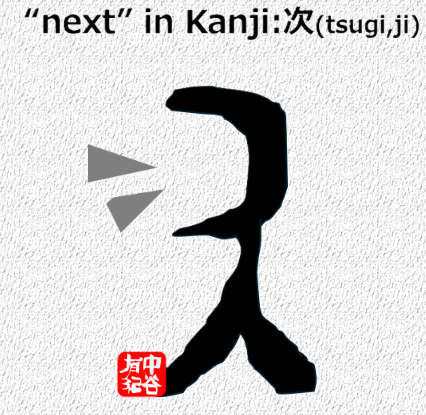
This kanji depicts a person opening his mouth wide, as if letting out a sigh. Combined with the symbol for ‘two,’ it came to mean ‘to move on to the next’ or ‘second in order.’
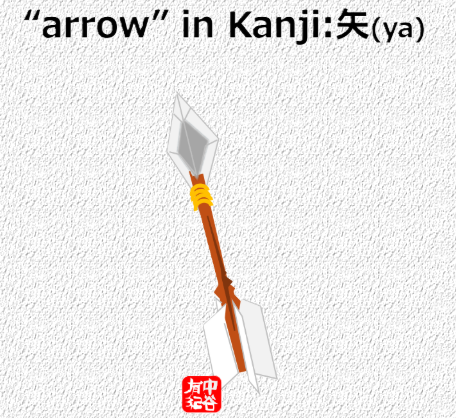

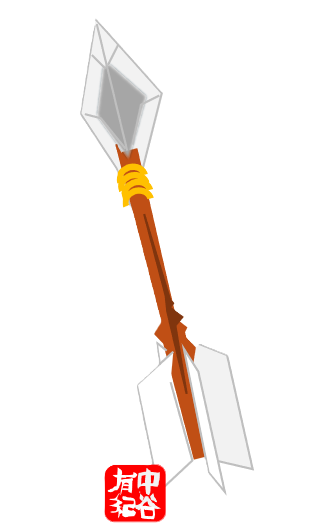
As you can see, this kanji depicts an arrow. Therefore, this kanji means ‘arrow.’ By extension, it came to be used to describe things that move fast, such as a swift river or heavy rain.


This kanji depicts an outline of dog lying its head upside.So this kanji means “dog”.And in case of this kanji is used as the radiclal with other parts of kanji, it comes to mean “animals”.


This kanji is composed of the ‘roof’ radical (representing a grand palace or hall) and a symbol representing sound or wind spreading widely. It abstractly depicts a voice or proclamation echoing throughout a large room. Originally, it meant to proclaim an official decree throughout a palace, which eventually came to mean ‘to declare’ or ‘to announce’ publicly.

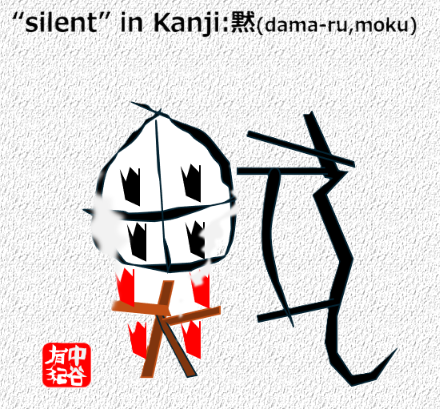

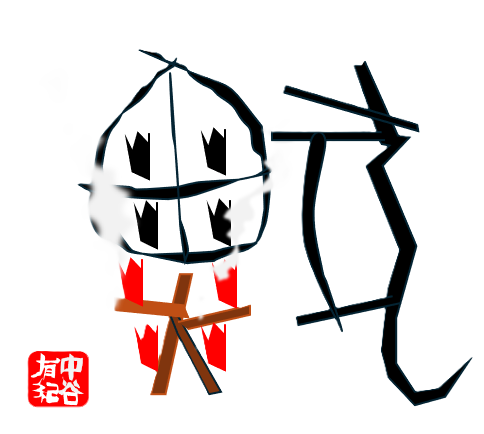
This kanji consists of two parts: the ‘black’ radical on the left (representing a vessel filled with soot) and the ‘dog’ radical on the right. It depicts a dog staying quiet in the dark, and therefore came to mean ‘to be silent’ or ‘to keep quiet.’
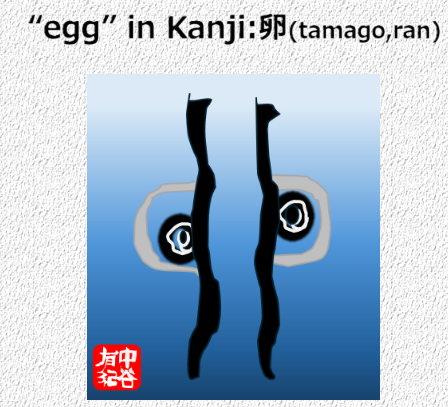


This kanji symbolically depicts a sword and the cut line it leaves behind. Therefore, this kanji means ‘to cut.’
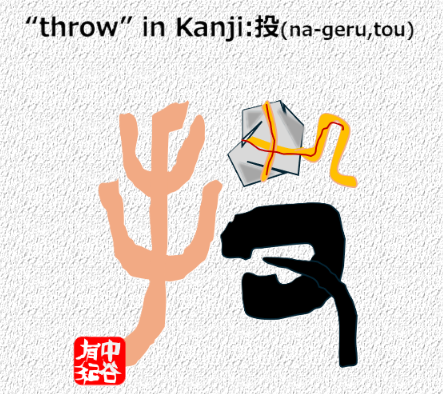

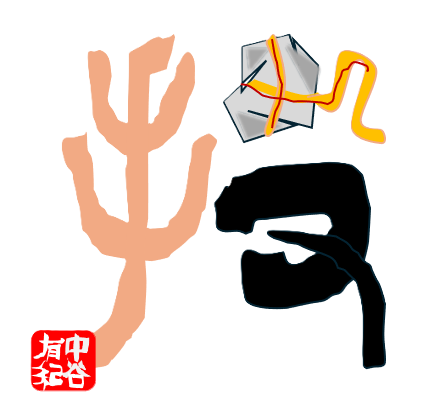
This kanji consists of two parts: the ‘hand’ radical on the left, and a hand holding a weapon or tool to strike or hurl at a target on the right. Therefore, this kanji came to mean ‘to throw’—referring to the action of hurling or tossing something by hand.