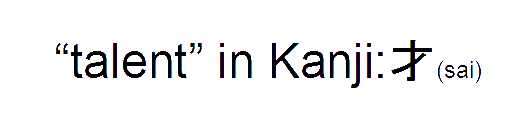
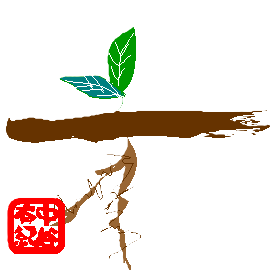
The image of nature growing back continuously beautifully symbolizes ‘a new talent’ rising up with endless potential.
The short story of Kanji pictures
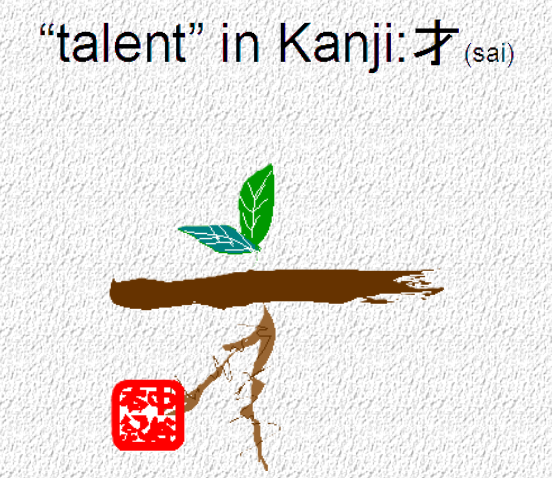
The image of nature growing back continuously beautifully symbolizes ‘a new talent’ rising up with endless potential.
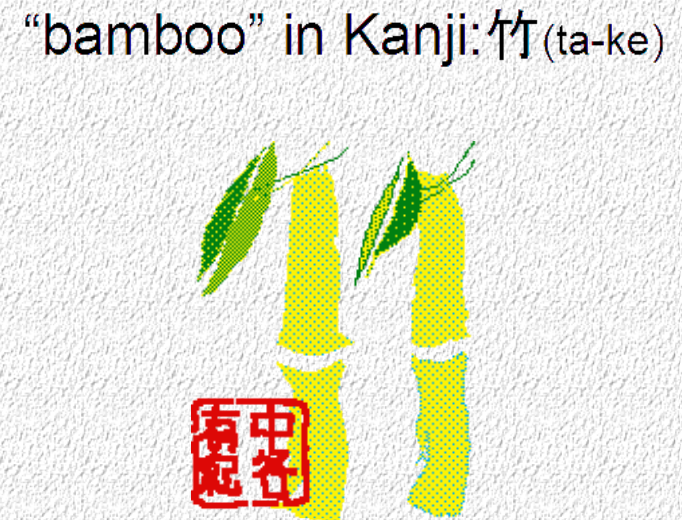
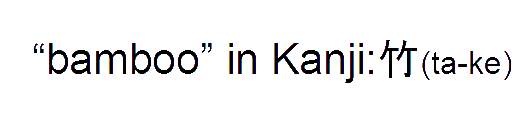
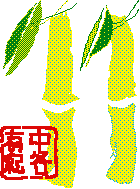
This character represents ‘bamboo,’ as you might already know. The shape is simply the plant itself!.
地面からすくすくと育ち、左右に葉を茂らせている「竹(たけ)」の姿をそのままかたどって作られた漢字です。
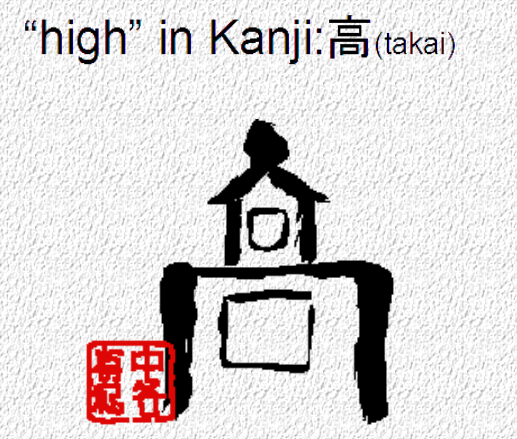
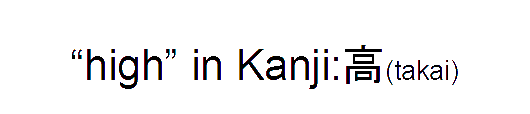
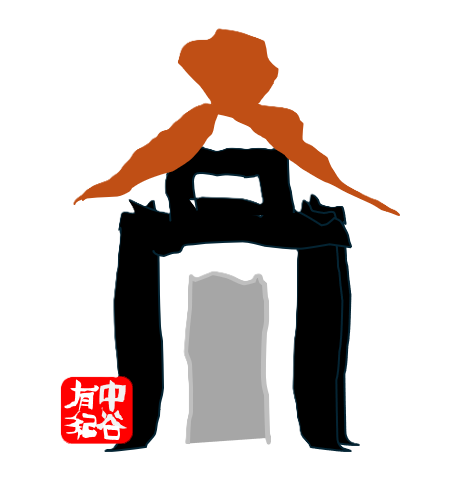
You can easily spot the shape of a castle in this figure. Evolving over time, this character has come to represent the concepts of ‘tall’ and ‘high’.
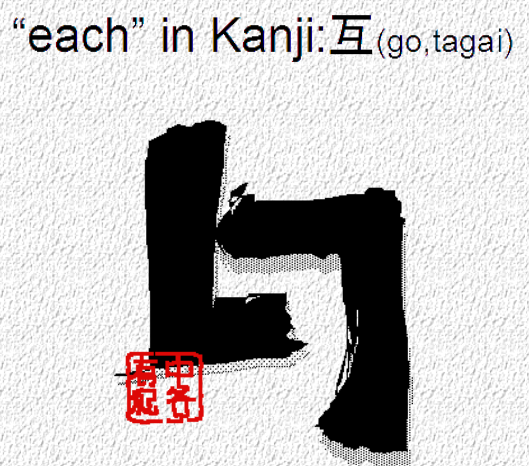
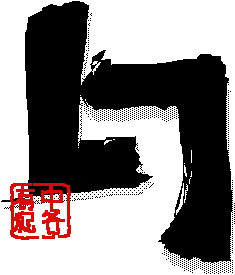
In this figure, you can see something like blocks. Two complementary pieces are fitting perfectly into each other from above and below. Yes, this character expresses the exact meaning of ‘each other’ or ‘mutual’.
積み木のような2つの部品が、上と下から互い違いにぴったりと噛み合っている様子を描いた漢字です。双方が組み合わさることから、「たがいに(お互い・相互)」という意味を表します。
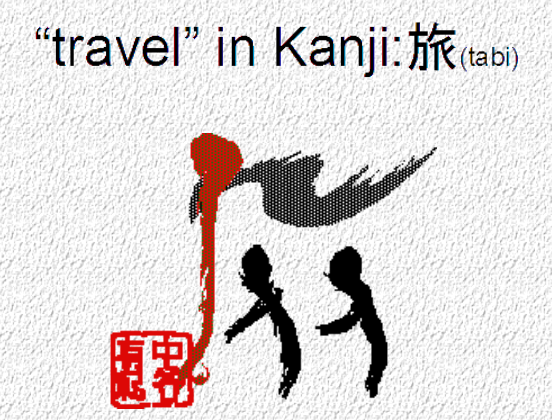
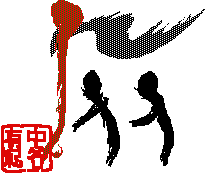
The origin of this character is quite fascinating. It depicts two people walking toward the left, right in front of a tall, grand pole bearing a large flag. In ancient times, people on a journey would travel exactly like this—marching together under a massive flag.
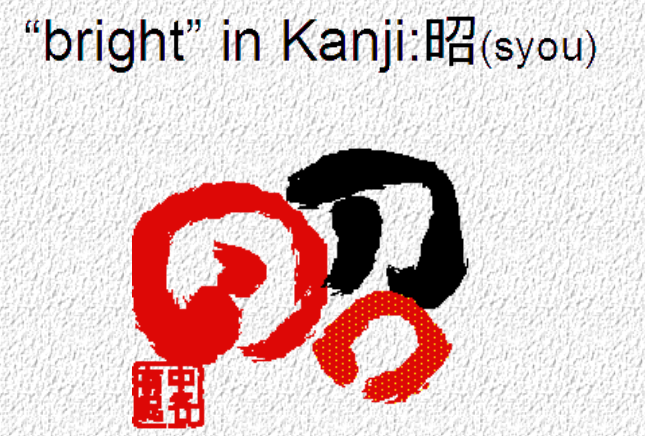
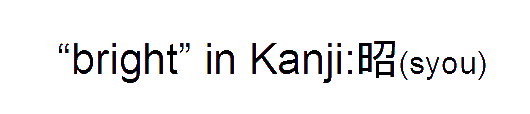
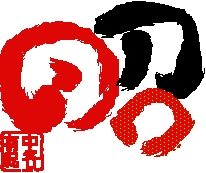
On the left side of this figure, you can see a circle representing the sun. On the right, a hand is beckoning, paired with an open mouth that seems to call out, ‘Come with me, the sun!’ Therefore, this character beautifully captures the idea of bringing that light inside, meaning a true ‘brightness’ or ‘clarity’ in one’s heart.
この漢字は、左側は「太陽(日)」、右側は手招きして呼び寄せる「招く(召)」を表しています。太陽の光を内側に招き入れ、隅々まで明るく照らすことから、「明るい」「光り輝く」「明らか」という意味を表します。


This character describes a hand spread wide to measure something. Specifically, the span from a person’s thumb to their index finger was used as a standard baseline, representing a size of about 30 centimeters.


This character describes the rising sun emerging just above the horizon. Because it captures the very beginning of a new day, it is traditionally used to represent the first day of the new year.