far(遠)

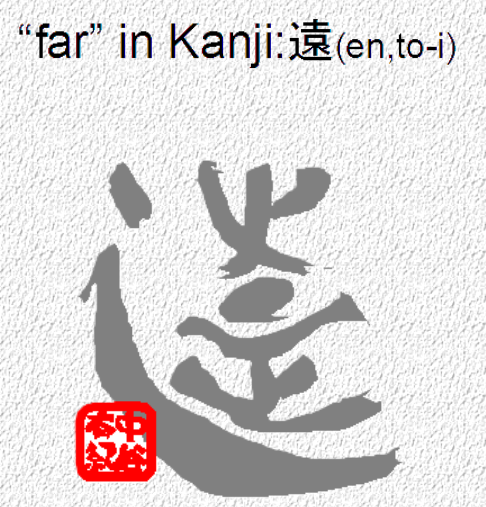
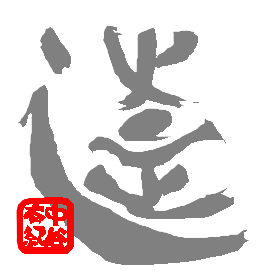
This character symbolizes the scene of a person walking slowly over a vast, long distance. Therefore, it perfectly captures the exact meaning of ‘far’.

果てしなく広がる広大な道のりを、ひとりの人がゆっくりと長い時間をかけて歩き続けている光景を描いた漢字です。目的地までの道のりや距離が遠く離れている様子をそのまま捉えており、「とおい(遠い・遥か)」を意味します。

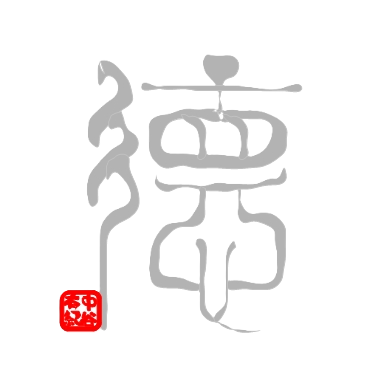
steel(鐵)

On the left side of this character, you can find a symbol for money or metal, while the right part combines elements signifying a weapon and a king. It reveals a historical truth: in ancient times, the tribe that mastered the art of making steel gained the power to become kings, growing incredibly strong and rich. In world history, steelmaking was first invented in ancient Turkey, and in local lore, a legendary indigenous tribe was famous for holding this advanced knowledge.

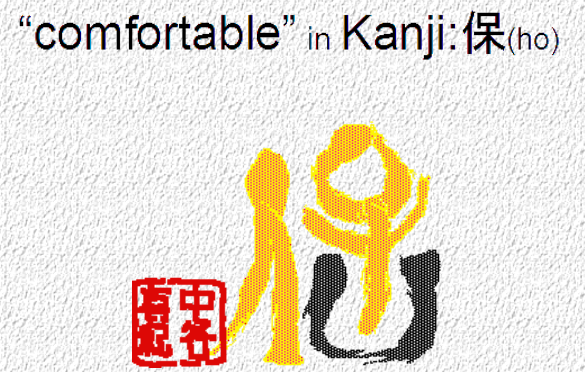
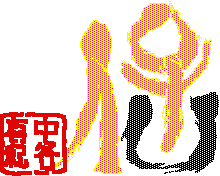
comfortable(保)

On the right side of this figure, you can see a baby sleeping peacefully in a basket, while on the left, a person—perhaps the father—stands firmly on their own two feet, watching over the infant with great care. This visual conveys a profound sense of feeling comfortable and being safely defended from the outside world. In this way, these characters often generate a whole new meaning derived from combining two distinct images.

この漢字は、左側は立ち守る「人(にんべん)」、右側は大切なおくるみに包まれた「赤ん坊(子)」を表しています。大人が子どもを大切に抱いて外の危険から守り育てる様子から、「守る・保つ(安心・保護)」という意味になりました。
people(民)

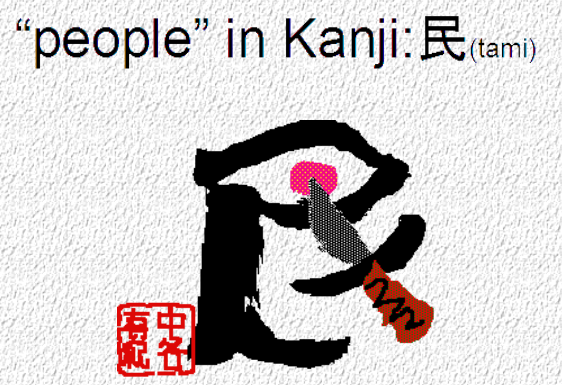
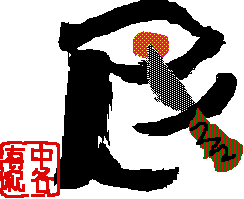
Why does this character mean ‘people’? On the left side of this figure, a person with a large eye is standing, while a large blade pierces their eye from the right. Why is it so terrible? In ancient, the populace existed entirely for their Emperor, not for themselves. They were expected to have no independent vision and no personal thoughts—only complete surrender to their ruler. This grim origin is how the character came to mean ‘people,’ a meaning it still carries today.