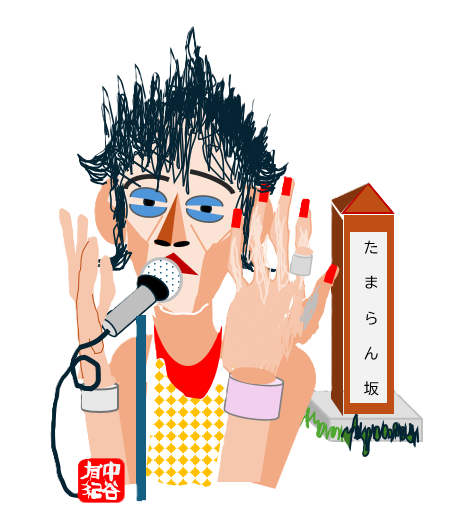
This gentle 200-meter slope marks the border between Kunitachi and Kokubunji. It is famous as the home of the late Kiyoshiro Imawano, Japan’s ‘King of Rock,’ who once boarded nearby. His rock band, RC Succession, captured his life here in the famous ballad ‘Tamaran-zaka,’ making this hill a legendary destination for rock fans.
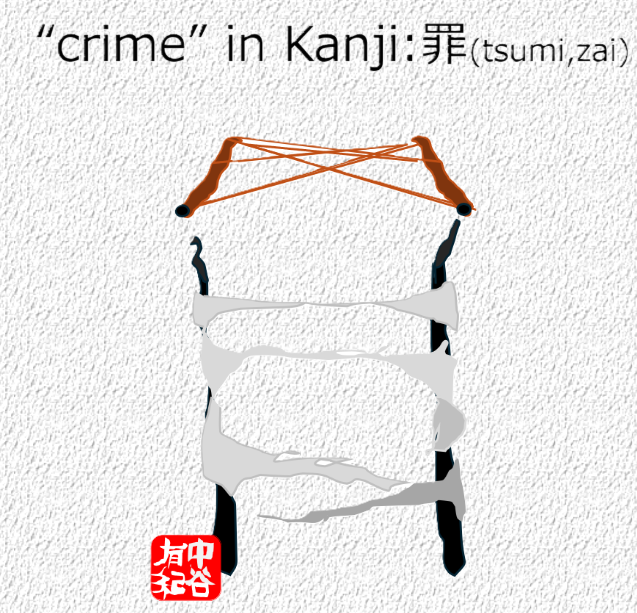
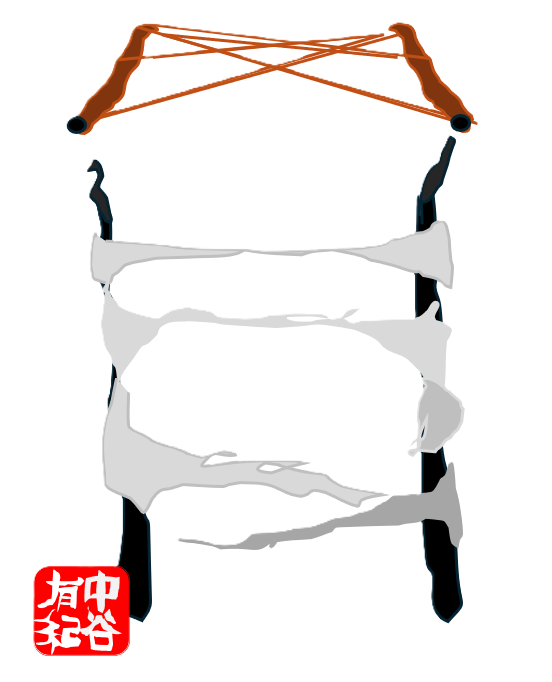
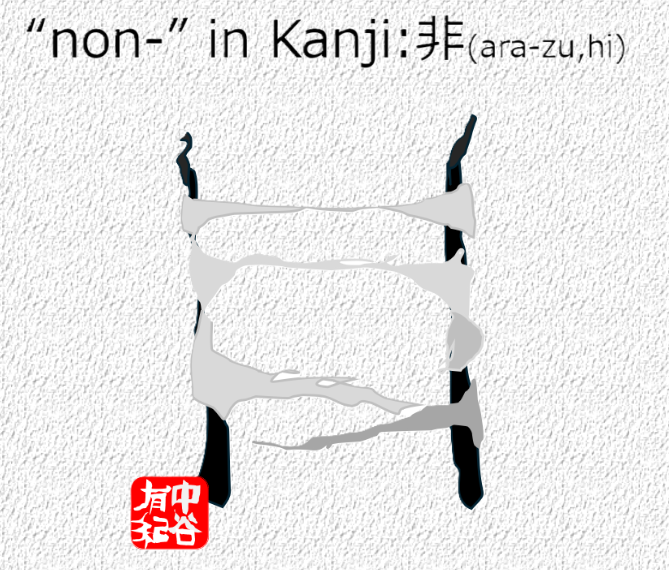
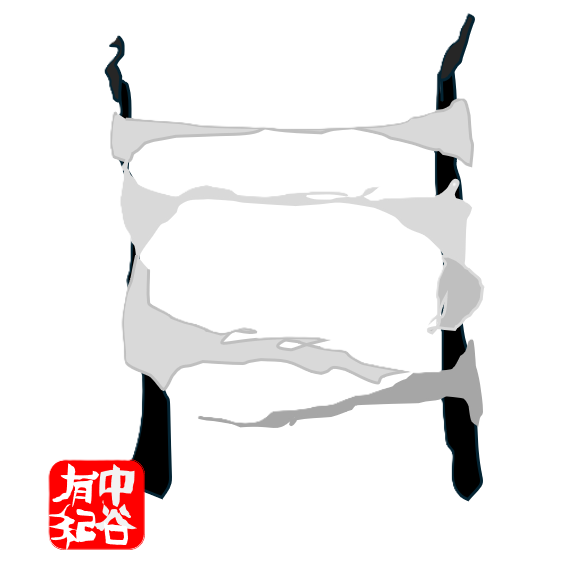
This kanji consists of two parts. The upper part depicts a fishing net, which symbolizes social rules and the law. Below it is something torn like a flag, representing the negative concept of ‘non-‘ or violation. Therefore, this kanji combines these ideas to mean ‘crime’.
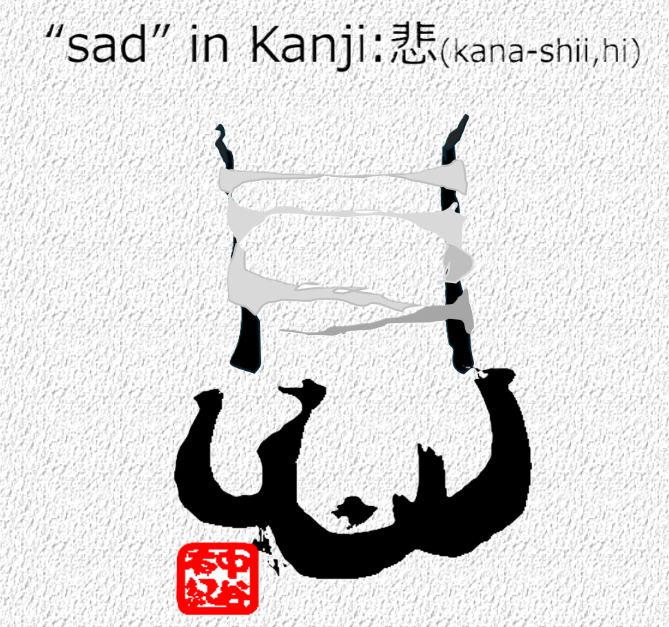
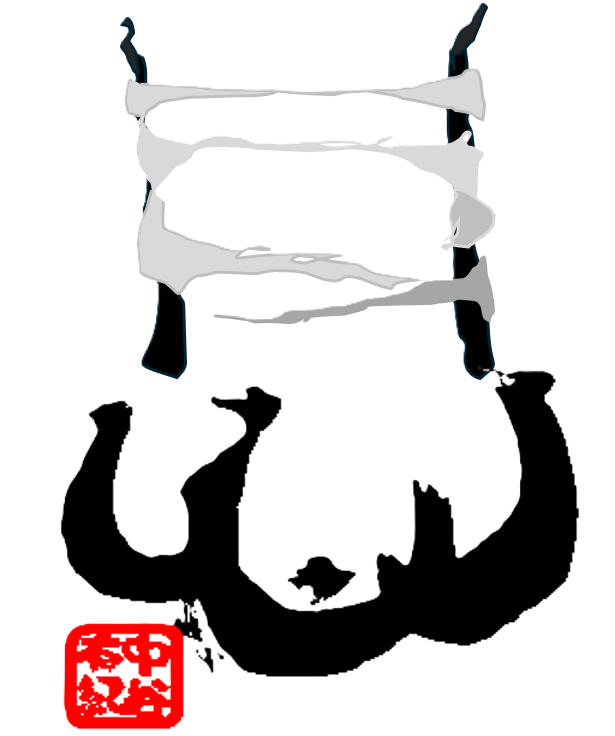
This kanji has two parts. The top represents a torn flag, meaning ‘not’ or ‘non-‘. The bottom is the symbol for ‘heart’. So, this kanji means ‘sad’ because it shows a heart being torn apart.
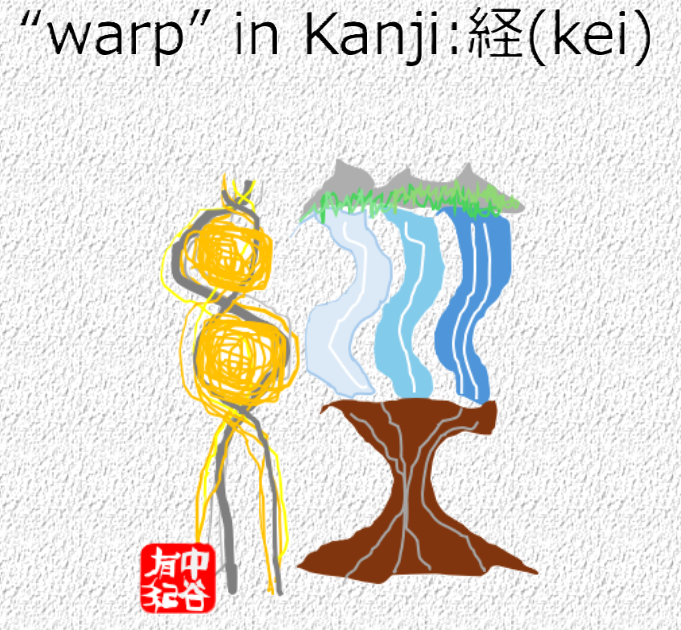
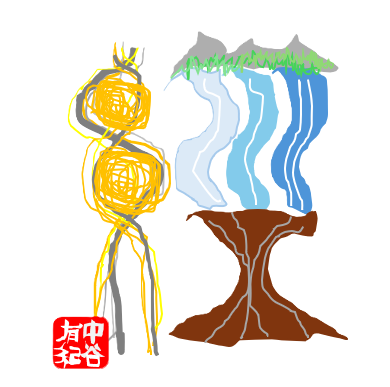
The left side of this kanji represents ‘thread,’ and the right side shows ‘a river flowing through the land.’ Since ancient times, it has meant ‘warp’ (the vertical threads in weaving), which forms the backbone of a fabric.
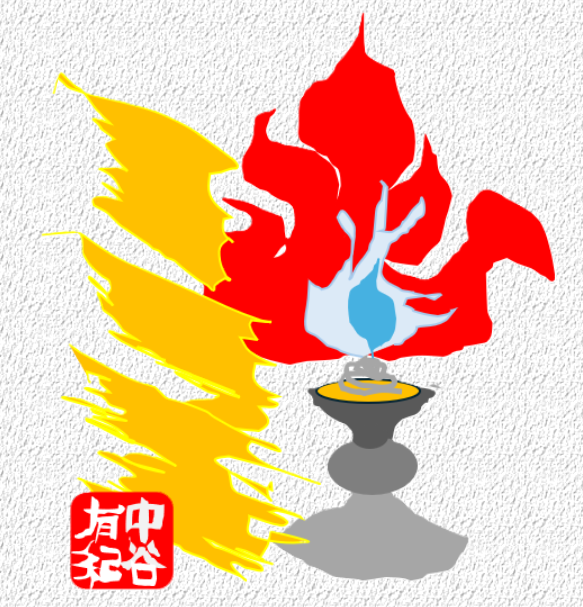
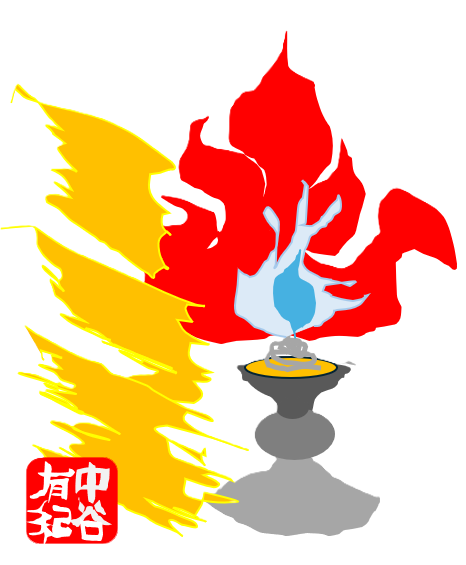
This kanji shows oil being poured from the left into a fire on the right, making the fire grow bigger. That is why it means to ‘pour’ something in order to boost its power or energy.
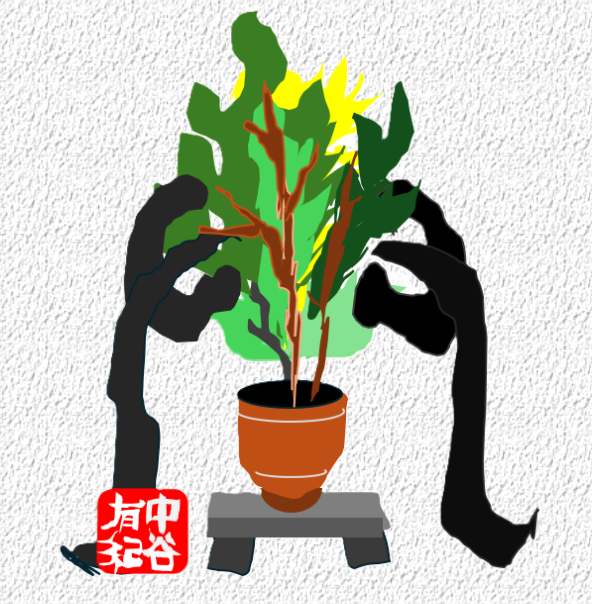
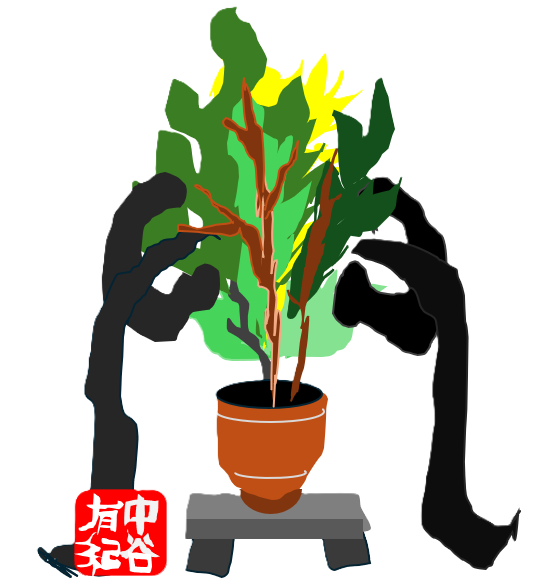
This kanji represents the act of people lifting up something invisible—like life, enthusiasm, or a dream—with their hands. Therefore, it carries the meaning of ‘founding’ or ‘creating’ something intangible through collective human effort.
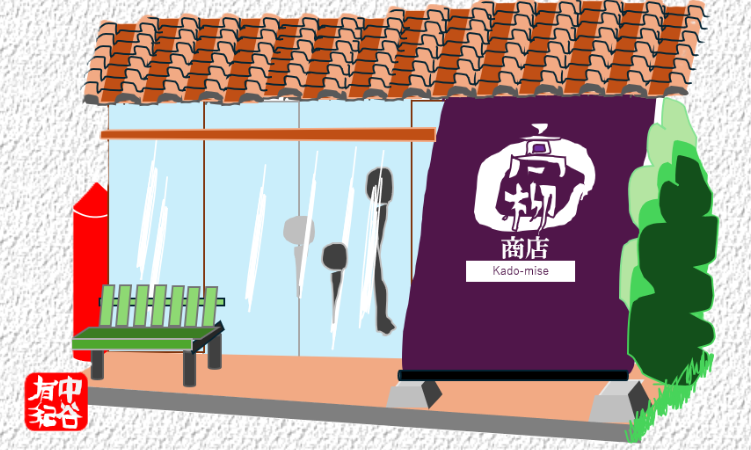
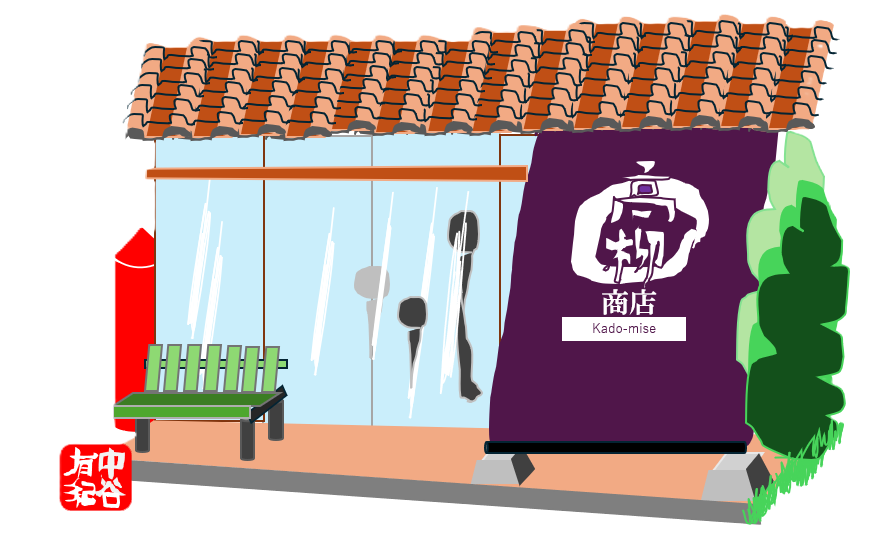
Every Japanese school neighborhood seems to have that one legendary general store, and for Yaho, it is Takayanagi Shouten. Founded all the way back in 1934, this neighborhood institution has spent generations supporting the daily lives of local residents. They sell everything from cheap nostalgic sweets (Dagashi) and school stationery for children, to a carefully curated selection of fine Japanese Sake for adults.
Located right on the northeastern corner of Kunitachi Dai-ichi (First) Elementary School, this historic shop is affectionately known by everyone in the neighborhood as “Kado-mise”—which literally means “The Corner Store.” It remains a warm, living piece of Yaho’s community history.
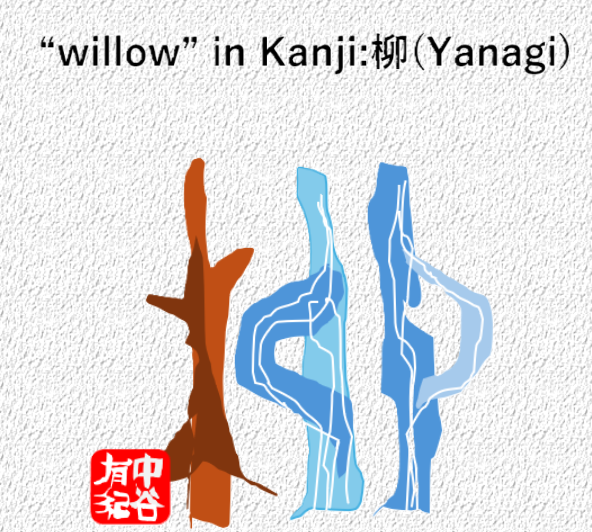
The architecture of this Kanji character tells a beautiful story of nature:
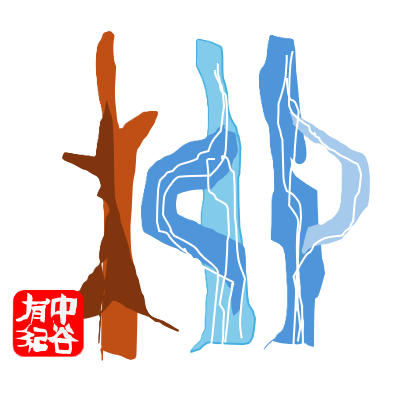
The Left Side: This part represents a “Tree” (木), rooted firmly in the earth.
The Right Side: This section visually captures the image of “Flowing Water” (水).
When these two elemental symbols blend together, they create the Kanji for “Willow” (柳)—a tree that sways and blossoms with the graceful, fluid elegance of running water.
About 1,400 years ago, around the 7th century, the Yaho area was ruled by powerful local leaders. The incredible evidence of their reign came to light when a cluster of ten Kofun (ancient burial mounds) was discovered right here in Yaho.
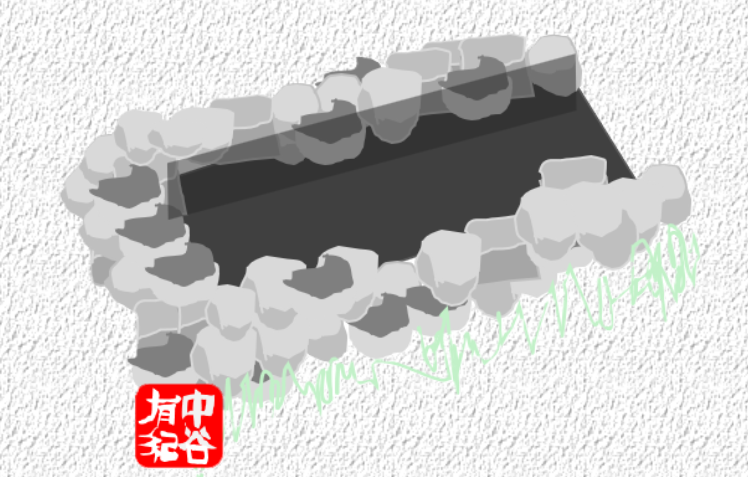
Today, one of these remarkable tombs has been meticulously reconstructed here in the Shiken-zaike district.
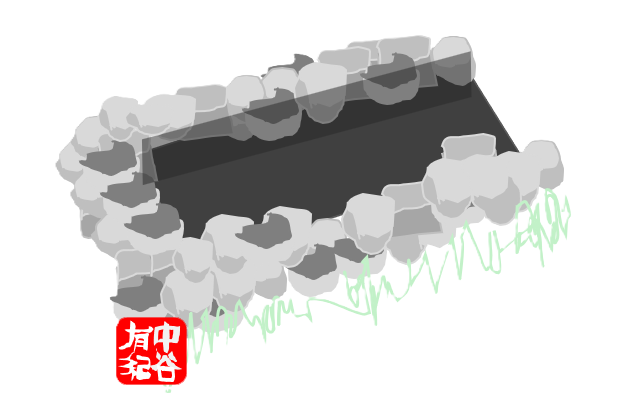
The tomb features a unique engineering style of the era: ancient builders gathered smooth river stones from the nearby Tama River and piled them up high to create a protective, enclosed burial chamber (Genshitsu). Originally, this sacred chamber was covered by a massive earthen mound that served as a grand, roof-like hill over the final resting place of the leader.