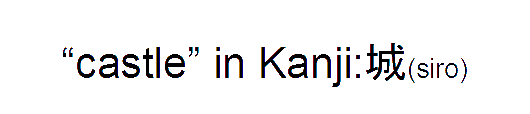
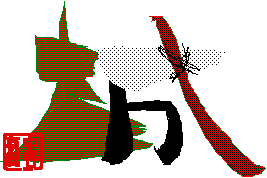
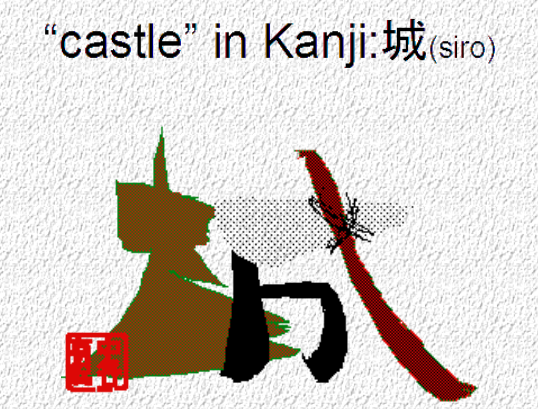
On the left side of this figure, you can find the symbol for land, and on the right, a sword. Therefore, this character represents a place built upon the earth and protected by weapons—meaning a ‘castle’.
The short story of Kanji pictures
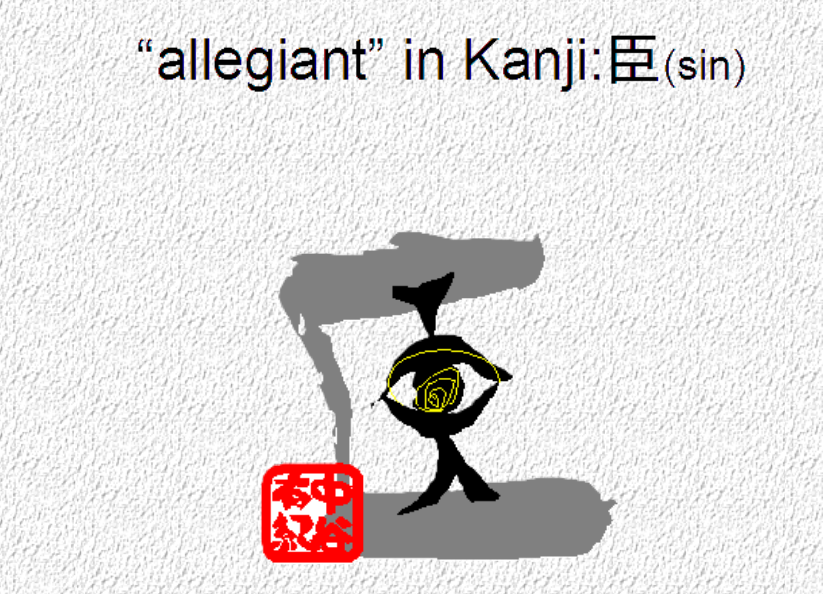

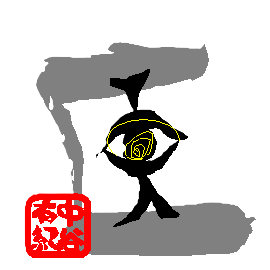
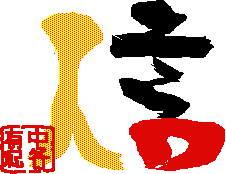
This character describes a man keeping a watchful eye and standing guard for his king. Therefore, it carries the profound meaning of an ‘allegiant’ or a ‘liege man’.
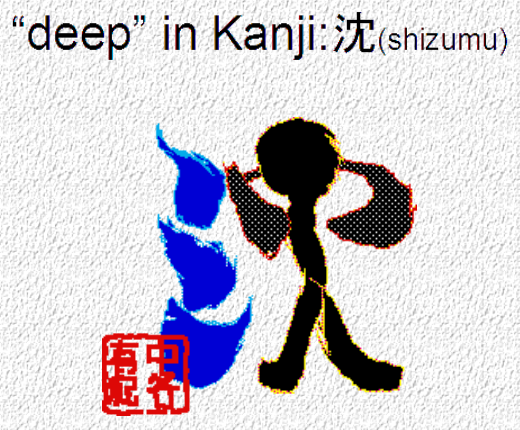
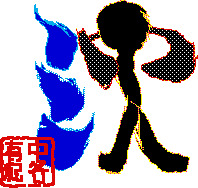
On the left side of this figure, you can see a splash, which represents water. And on the right… what do you think it is? It is a grim depiction of a person with a heavy object, like a stone or iron, fastened around their neck. This visualizes a severe ancient penalty or ritual where someone was weighted down and cast into the water. Therefore, this character carries the meaning of ‘sink’ or ‘submerge’.
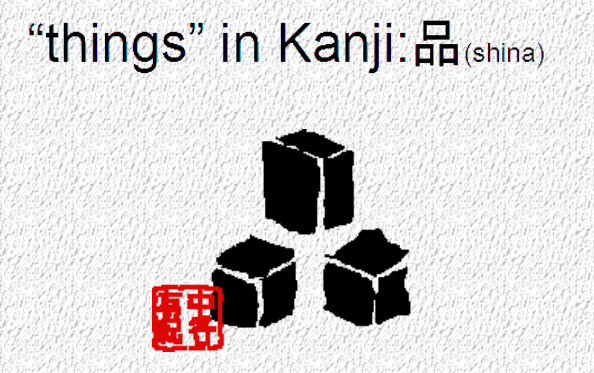
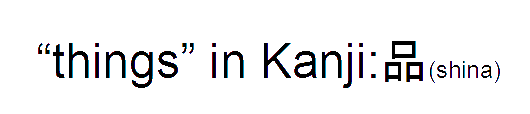
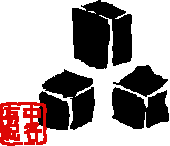
Inside this character, you can see a cluster of blocks or boxes. Therefore, it represents the concept of ‘things’ or ‘goods’ in general
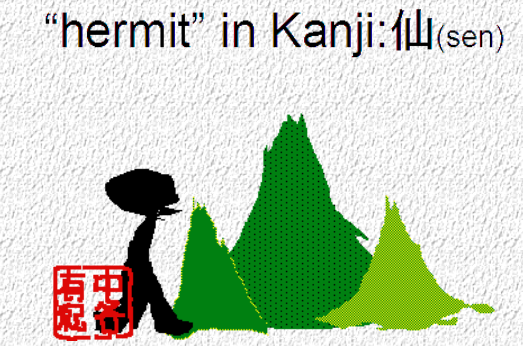

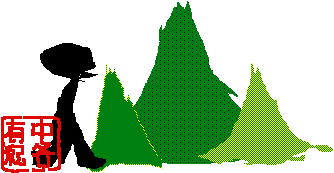
On the left side of this figure, you can see a person, and on the right, a mountain. This character describes someone who lives deep within the mountains, dedicating their life to discovering new inner talents and spiritual strength.
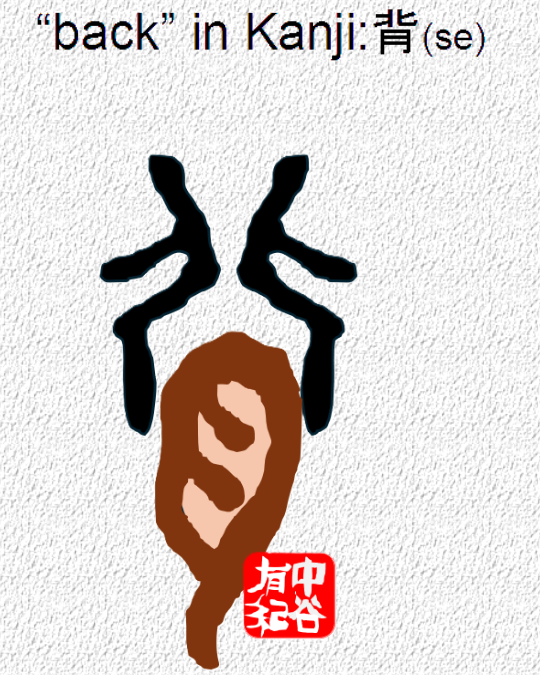

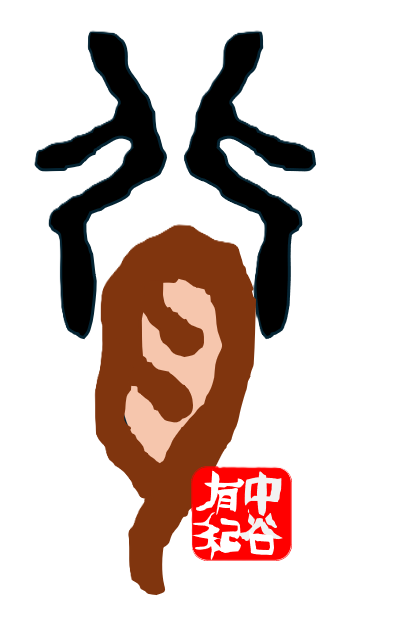
This kanji consists of two parts. The top radical represents two people sitting back-to-back, which originally meant “back.” Later, it came to mean “north” because ancient Chinese emperors always faced south when seated, putting their backs to the north. To restore and clarify the original meaning, the radical for “muscle” or “body” was added to the bottom, creating the kanji that means “back.”
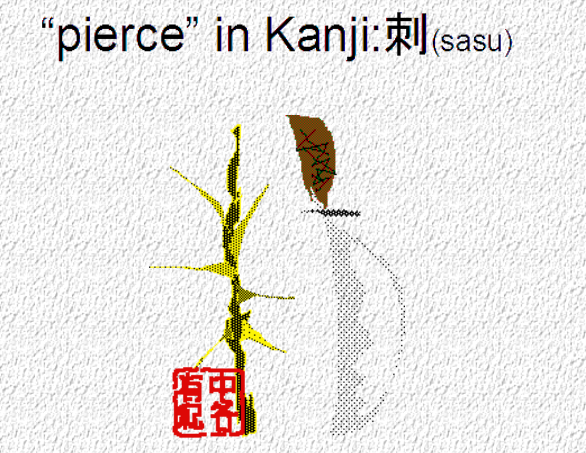
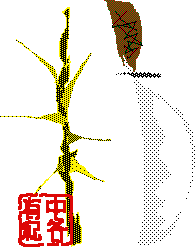
Just as every rose has its thorn, this character shows thorns on the left and a sword on the right, perfectly representing the meaning ‘pierce’
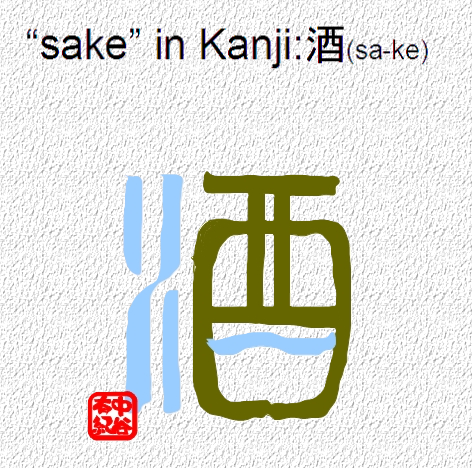
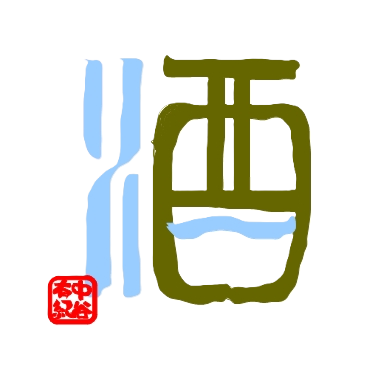
The word for this drink has already become part of the English language. In this figure, you can see a traditional sake cask on the right, and the symbol for water on the left. Therefore, this character means exactly that.