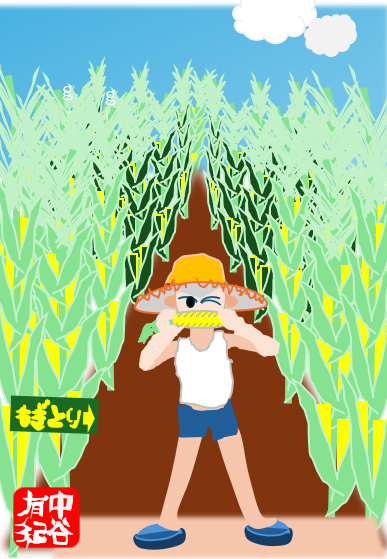
Nakaya Farm is famous for its ‘Picnic Corn,’ which is so sweet that you can eat it completely raw, straight from the summer field.
| 名称 | 中屋農園(6月下旬から7月中旬まで) |
| 所在地 | 〒186-0011 東京都国立市谷保6039 |
| Homepage | https://nakayafarm.amebaownd.com/ |
The short story of Kanji pictures
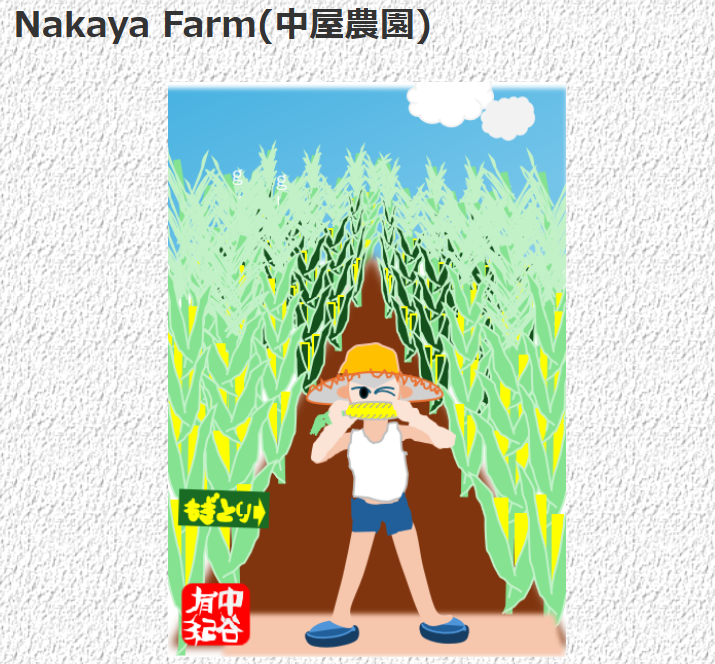
Nakaya Farm is famous for its ‘Picnic Corn,’ which is so sweet that you can eat it completely raw, straight from the summer field.
| 名称 | 中屋農園(6月下旬から7月中旬まで) |
| 所在地 | 〒186-0011 東京都国立市谷保6039 |
| Homepage | https://nakayafarm.amebaownd.com/ |
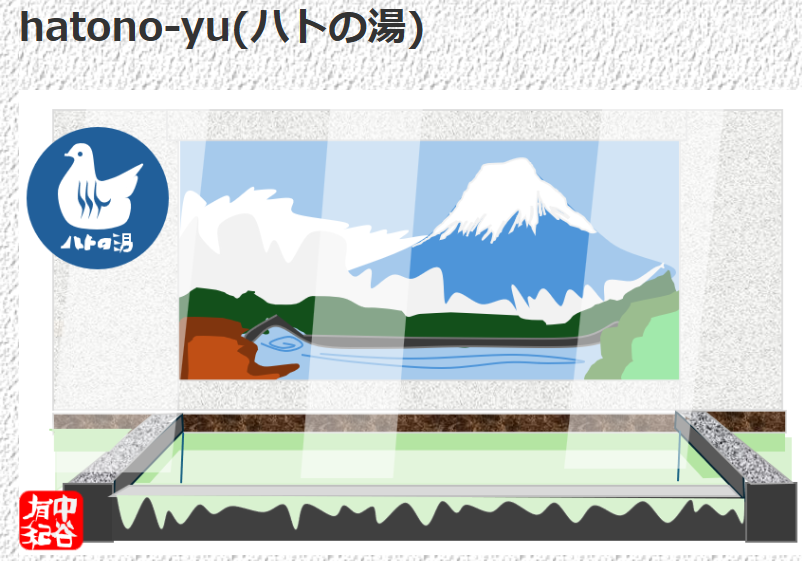
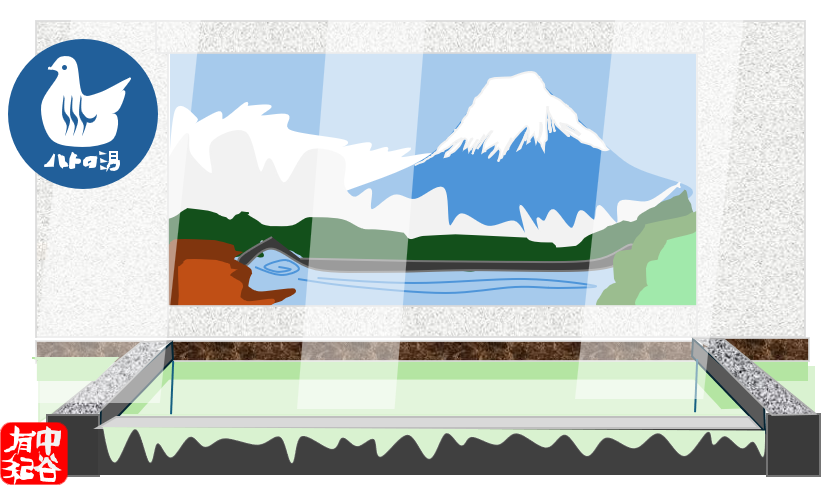
Opened in 1958, ‘Hatono-yu’ is currently the only public bath (sento) remaining in Kunitachi City, having been completely renovated in 2020.
The main bathroom features a traditional Japanese wall painting of Mount Fuji, beautifully crafted by the master sento artist, Kiyoto Maruyama.
Loved by local residents, Hatono-yu is also famous for its appearance in the movie ‘Summer Blooms,’ where the lead actress, Aki Asakura, is seen taking a relaxing bath!
| 名称 | 鳩の湯 |
| 所在地 | 〒186-0002 東京都国立市東2丁目8−19 |
| Homepage | http://hatonoyu.jp/index.html |
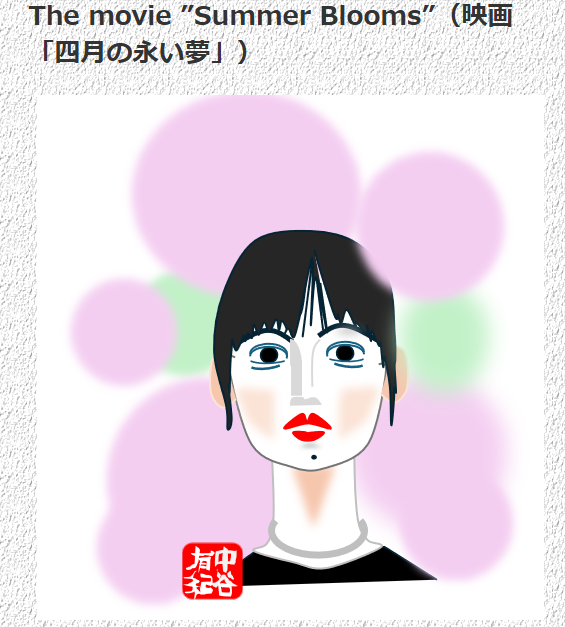
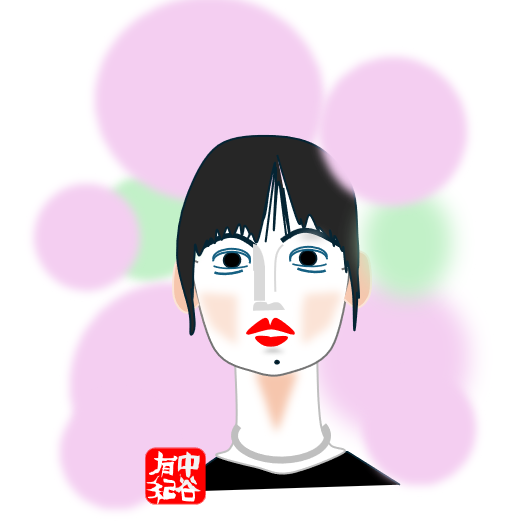
The movie Summer Blooms (literally “April’s Long Dream”) is a love story set in Kunitachi. It beautifully captures the everyday moments of a woman (played by Aki Asakura) who has lost her lover, as she gradually frees herself from grief and her inner pain. In June 2017, it made Japanese cinema history by winning two major awards at the Moscow International Film Festival!
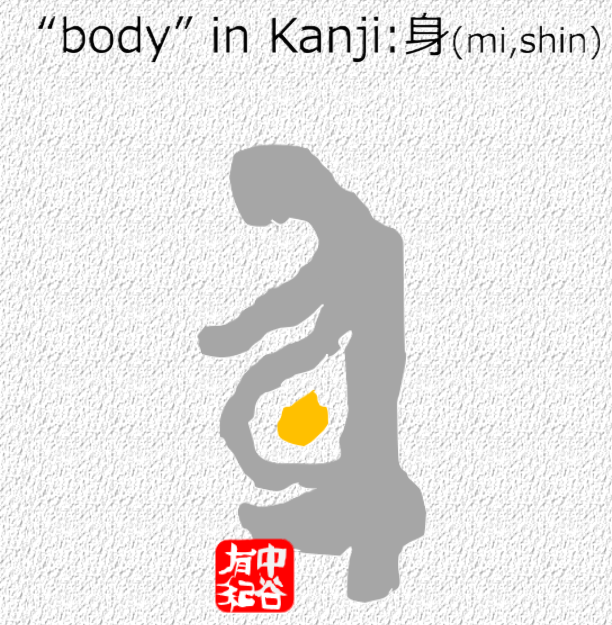

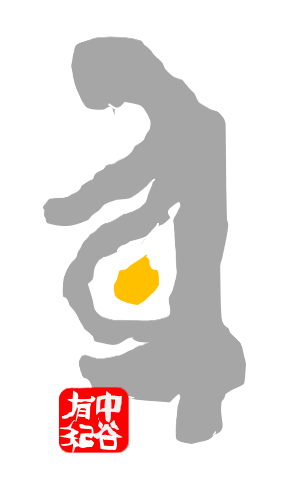
This kanji depicts a woman carrying a new life within her body. Therefore, it represents the ‘body’ as a vessel for the soul.
お腹の中に新しい命(赤ちゃん)を宿している女性の姿を描いた漢字です。魂を宿す器としての「からだ(身体・身)」を表しています。
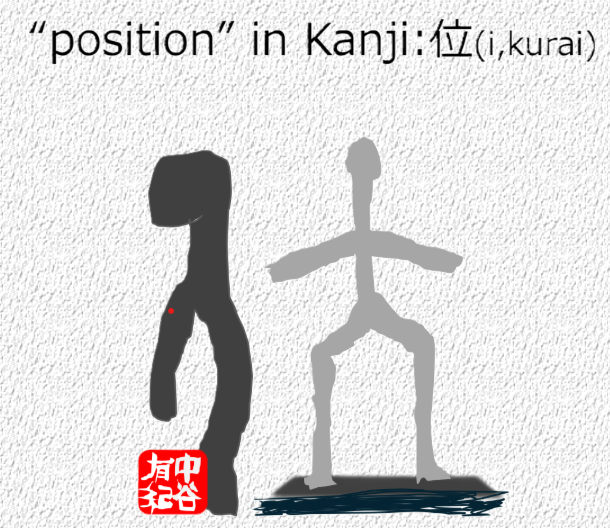

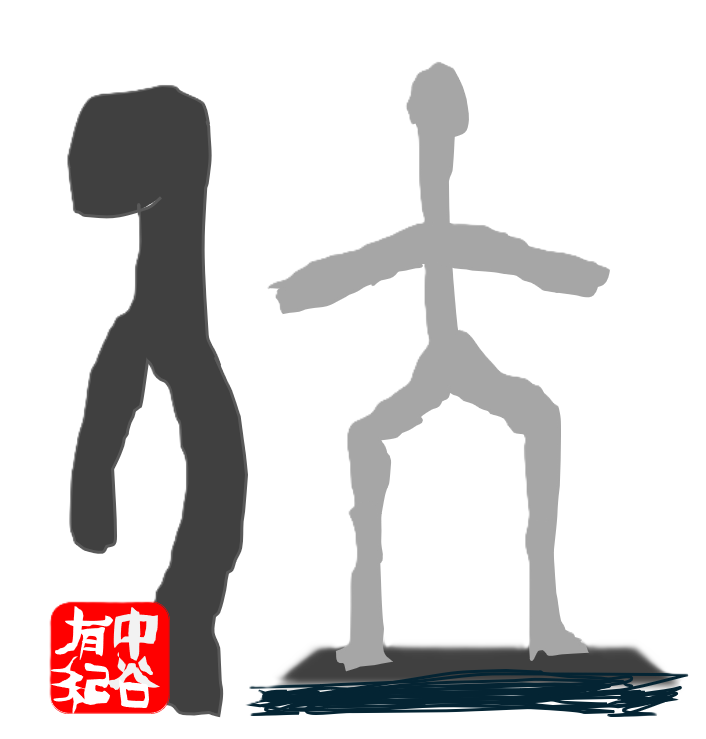
This kanji depicts a person standing firmly on the ground among other people. Therefore, it represents one’s ‘position’ or status within society or an organization.
人(亻)が大勢の人々の中でしっかりと地面に足を据えて立っている姿を描いた漢字です。社会や組織の中でその人が立っている場所や役割を表し、「くらい(地位・順位・位置)」という意味になりました。
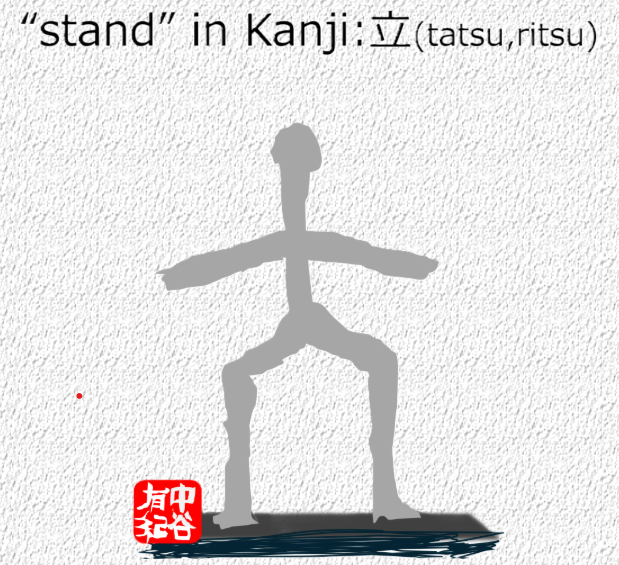

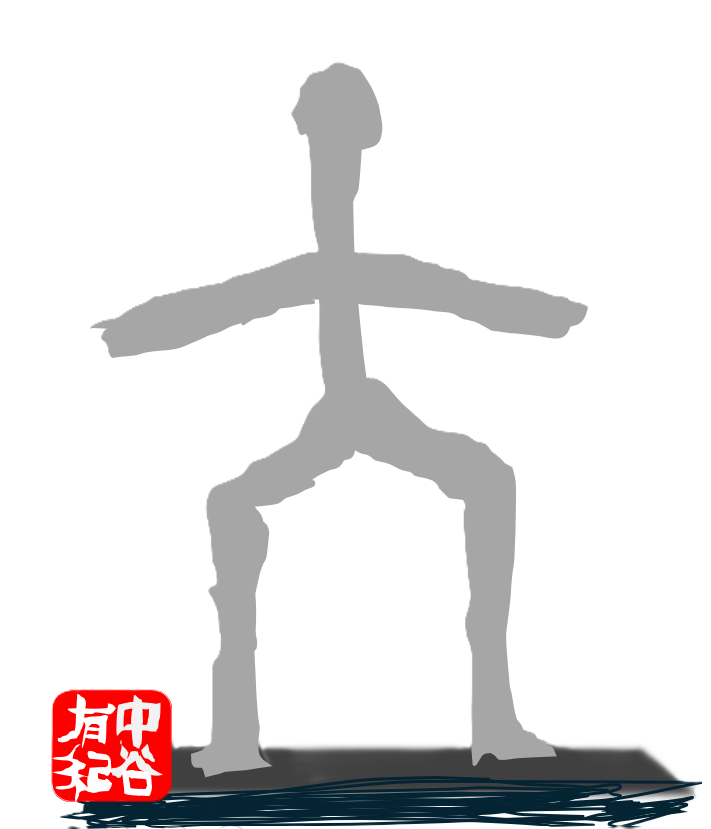
This kanji shows a person with their legs spread wide on the ground. That is why this kanji means to ‘stand’.
人が大地の上一面に両足をしっかりと踏ん張り、堂々と背筋を伸ばして立っている姿を描いた漢字です。自らの足で地面に起き上がる「たつ(立つ・起立)」を意味します。
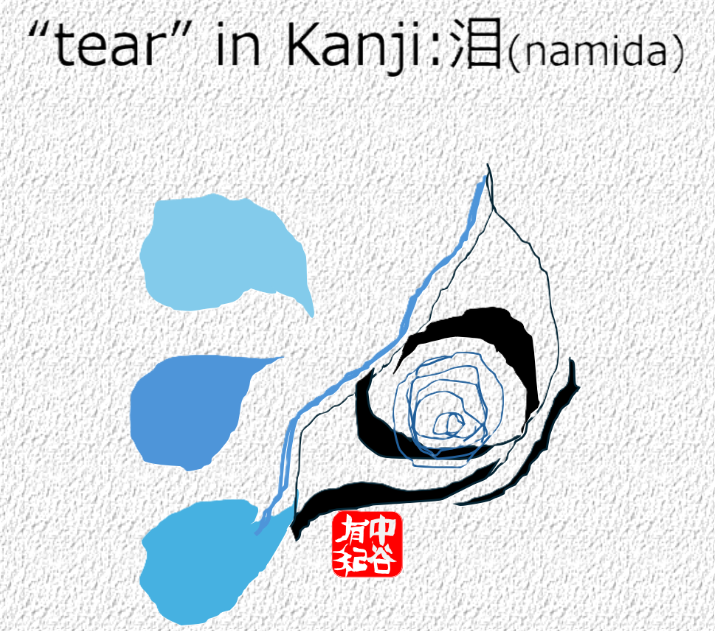

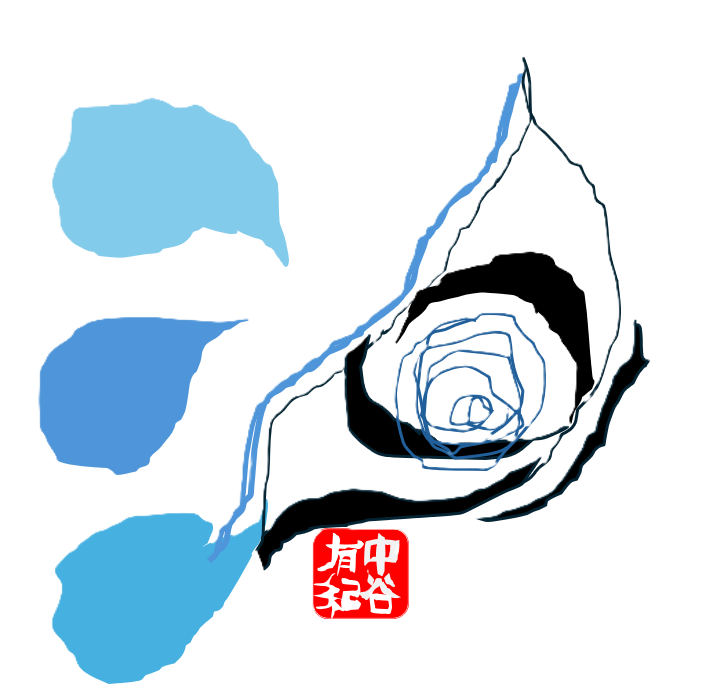
This kanji consists of ‘water’ on the left and an ‘eye’ on the right. As you can see, the combination of water and the eye creates the meaning of ‘tear’.
この漢字は、左側の「水(さんずい)」と、右側の「目」の2つからできています。目からポロポロとあふれ出る水滴、すなわち悲しいときや嬉しいときに流れる「なみだ(涙・泪)」をそのまま表した漢字です。
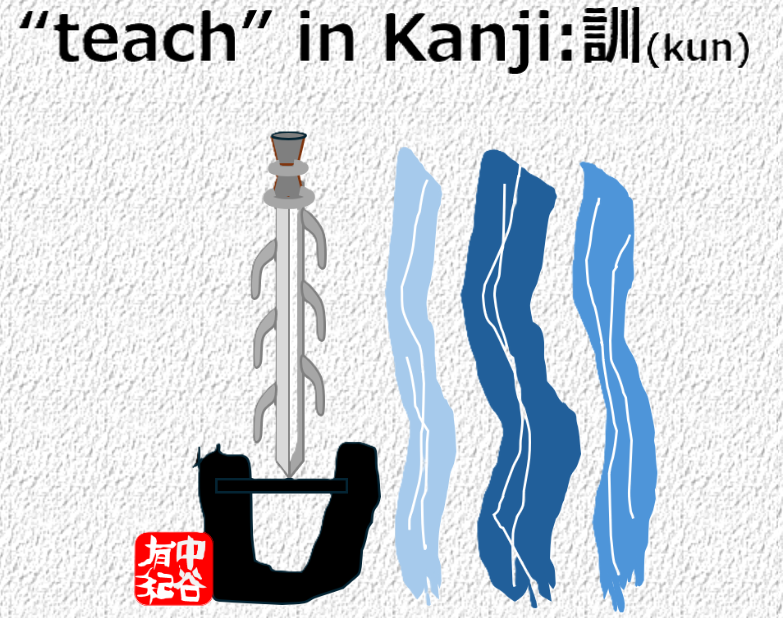

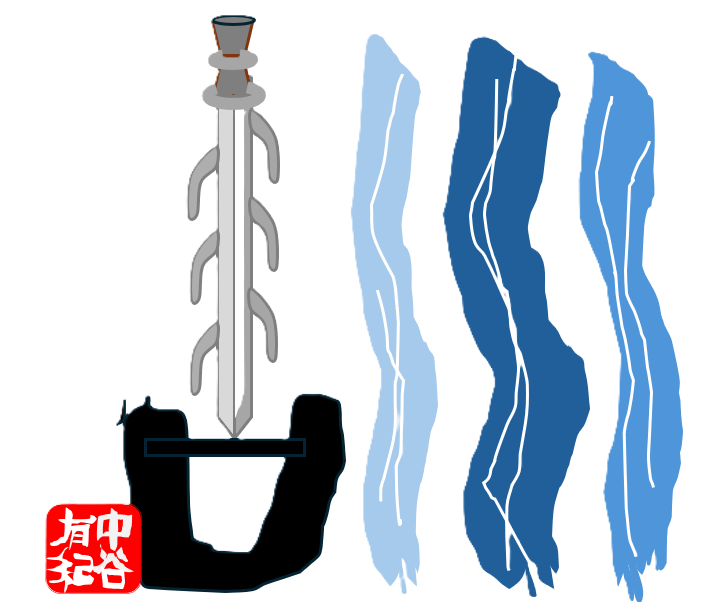
The kanji combines the radical for “speech” with the character for “river”. This implies explaining things kindly by flowing along with and gently embracing people’s natural emotions, just like a river.
この漢字は、左側は言葉を交わす「言(ごんべん)」、右側はよどみなくサラサラと流れる「川」です。水が自然と低い方へと逆らわずに流れていくように、相手の心に寄り添いながら優しく言葉を説き聞かせる様子から、「教える」「導く(教訓・訓令)」という意味になりました。
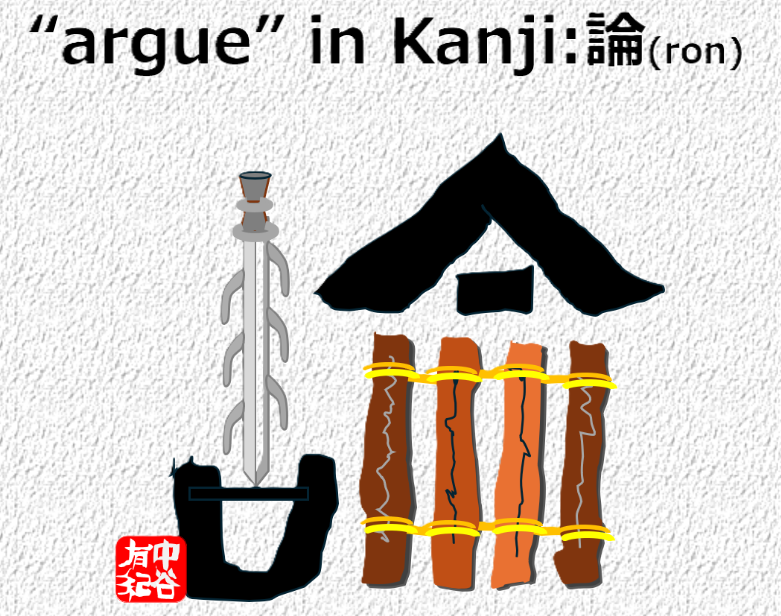

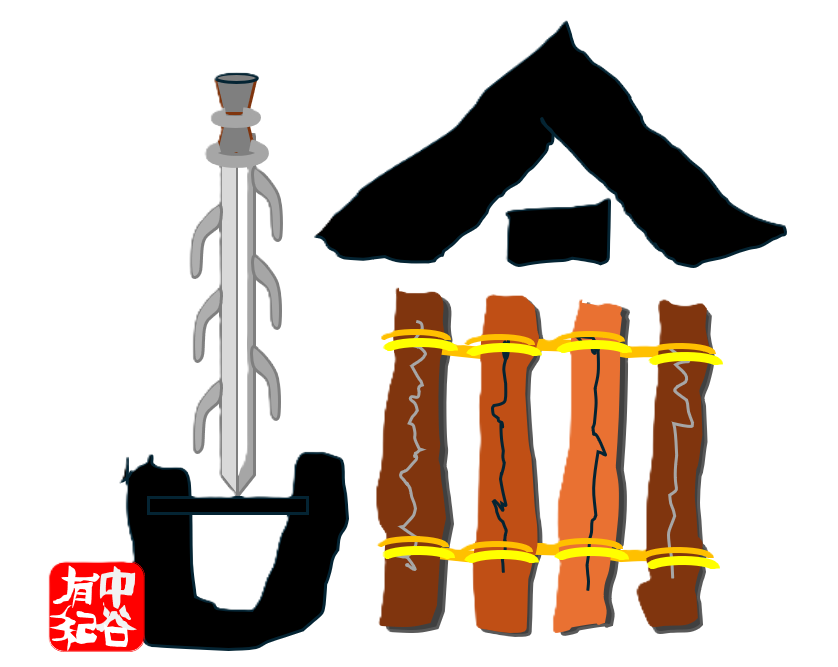
The kanji is composed of the radical for “speech” in the left,and elements representing a legal code written on wooden tablets in the right. This signifies explaining things to someone by following established rules and principles of the world. So this kanji means’argue’.
左側の「言(ことば)」と、竹簡(文字を書いた竹の札)を順序よく束ねて整理する様子(侖)が合わさった漢字です。筋道を立てて考えや意見を整理し、話し合うことから「論じる・議論する」という意味になりました。
The movie ‘Izakaya Choji’ was based on a novel by Hitomi Yamaguchi, a writer who dearly loved Yaho. The story portrays the intersecting lives of the various people who gather at a tiny bar called ‘Choji’ near Yaho Station. Starring the legendary actor Ken Takakura, the film brought a sense of drama and romance to the town of Yaho.