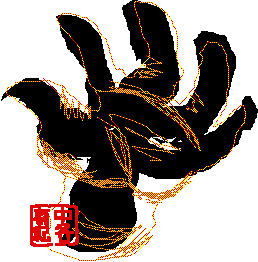
You can clearly see the shape of a hand in this figure. Therefore, this character directly represents ‘hand’.
The short story of Kanji pictures
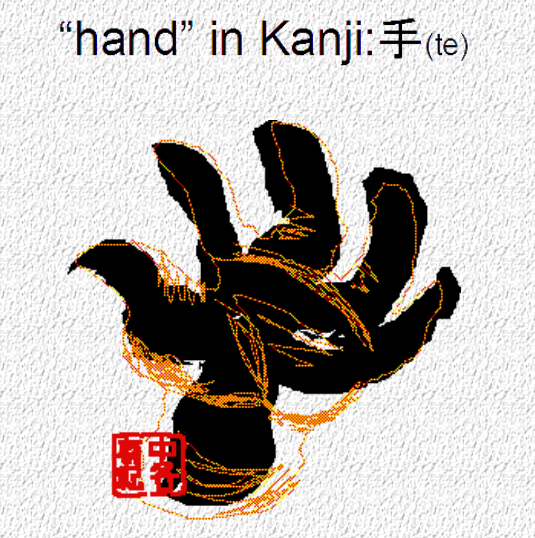
You can clearly see the shape of a hand in this figure. Therefore, this character directly represents ‘hand’.
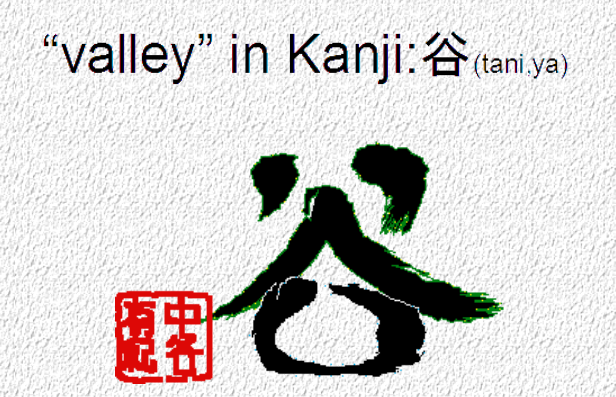

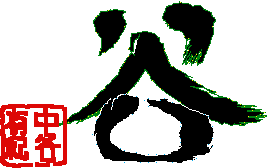
The upper part of this figure represents a ‘mountain,’ while the markings below depict a cave from which water rises, forming a river. Together, this shape symbolizes a fertile valley—a flat expanse of land embraced by mountains and blessed with plenty of water.
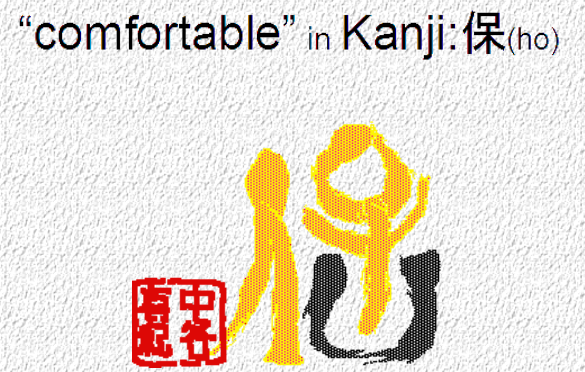

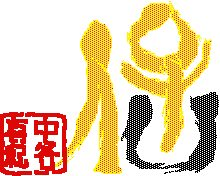
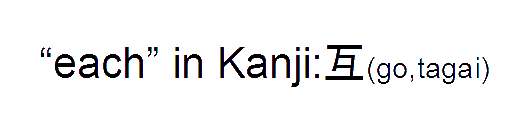
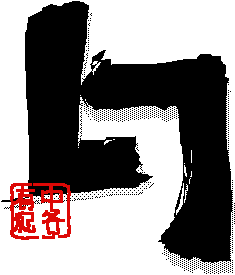
On the right side of this figure, you can see a baby sleeping peacefully in a basket, while on the left, a person—perhaps the father—stands firmly on their own two feet, watching over the infant with great care. This visual conveys a profound sense of feeling comfortable and being safely defended from the outside world. In this way, these characters often generate a whole new meaning derived from combining two distinct images.
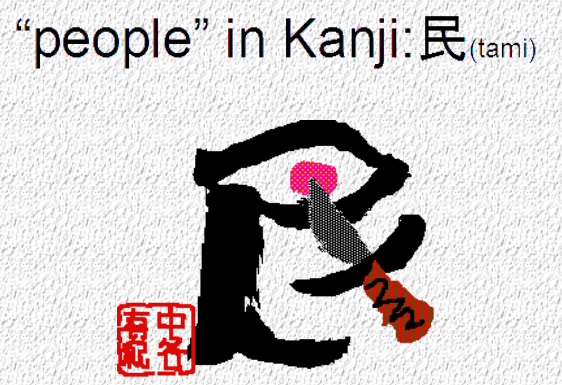

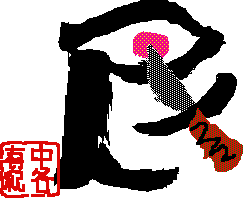
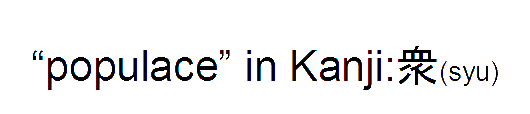
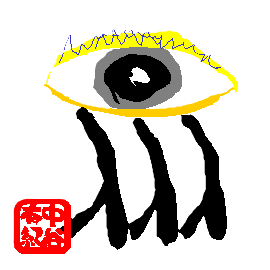
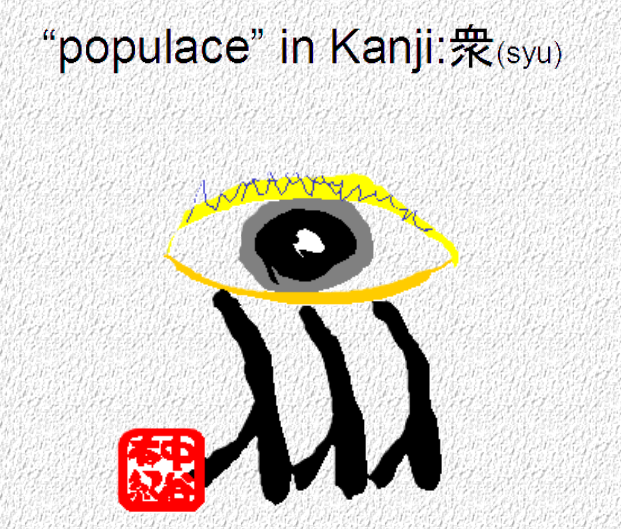
Why does this character mean ‘people’? On the left side of this figure, a person with a large eye is standing, while a large blade pierces their eye from the right. Why is it so terrible? In ancient, the populace existed entirely for their Emperor, not for themselves. They were expected to have no independent vision and no personal thoughts—only complete surrender to their ruler. This grim origin is how the character came to mean ‘people,’ a meaning it still carries today.
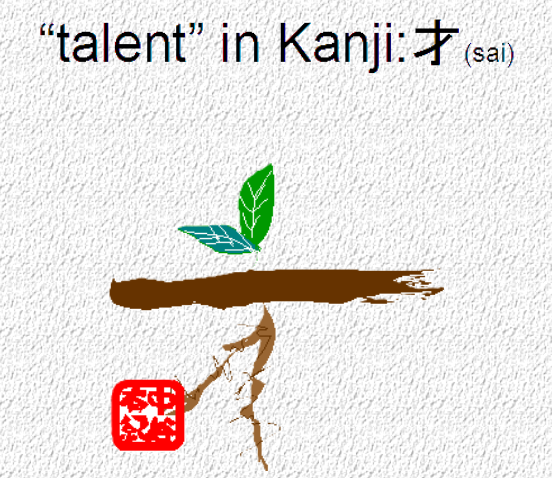

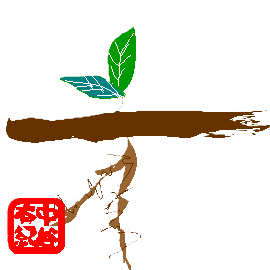
The image of nature growing back continuously beautifully symbolizes ‘a new talent’ rising up with endless potential.
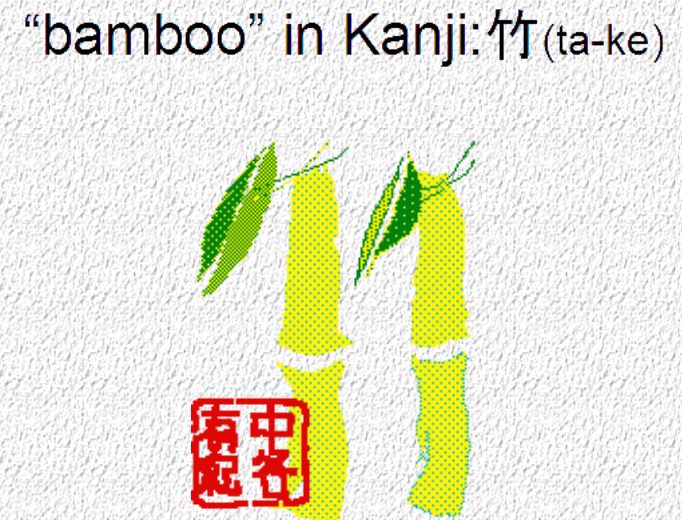

This character represents ‘bamboo,’ as you might already know. The shape is simply the plant itself!.
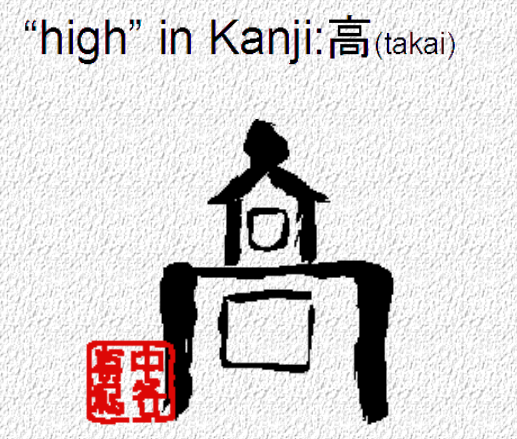

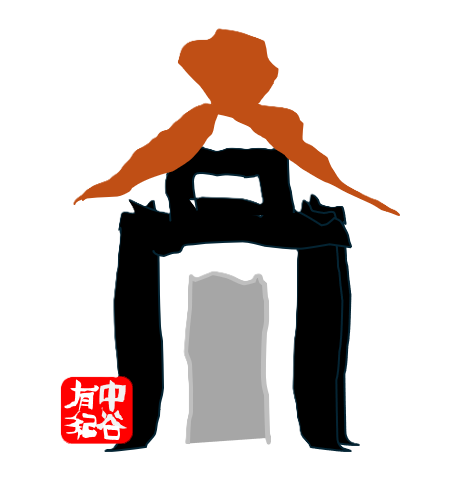
You can easily spot the shape of a castle in this figure. Evolving over time, this character has come to represent the concepts of ‘tall’ and ‘high’.
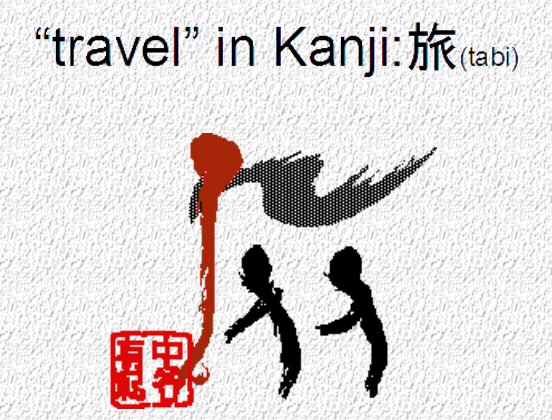

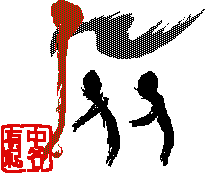
The origin of this character is quite fascinating. It depicts two people walking toward the left, right in front of a tall, grand pole bearing a large flag. In ancient times, people on a journey would travel exactly like this—marching together under a massive flag.