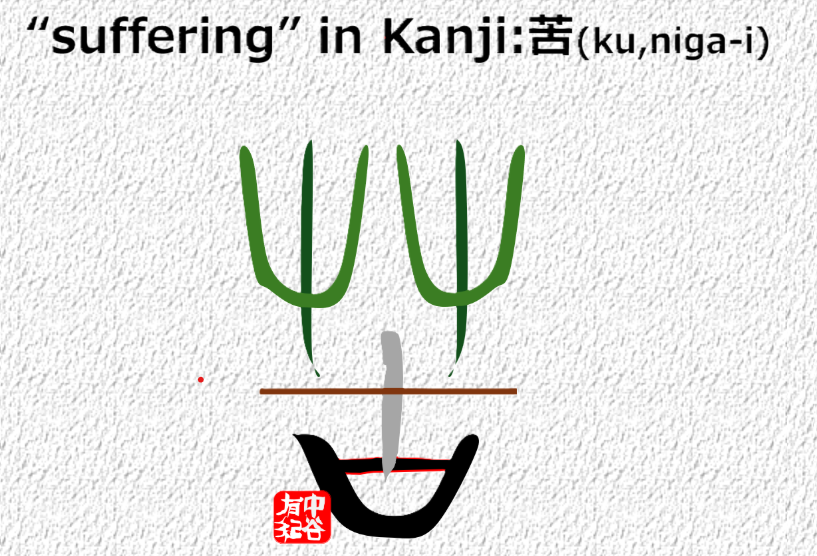

suffering(苦)

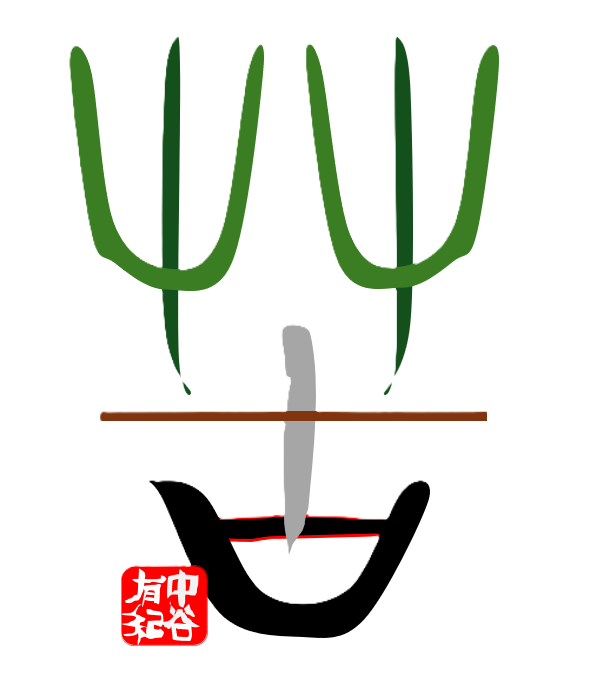
The upper radical signifies ‘plants’ or ‘leaves,’ while the lower component depicts a mouth stimulated by a harsh taste, meaning ‘bitter.’ Consequently, the kanji represents ‘bitterness’ and, by extension, ‘suffering.’ As the old proverb goes, ‘Pain is inevitable, suffering is optional.

この漢字は、上部は植物を表す「くさかんむり」、下部は舌を刺激するような刺激的な味を表す「古(口)」です。舌がピリピリとしびれるような強い苦味(にがさ)を表し、そこから人生の辛さや困難に耐え忍ぶ「くるしみ(苦痛・苦労)」を意味するようになりました。

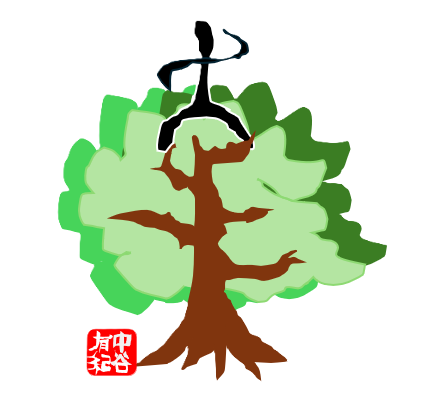
ride(乗)

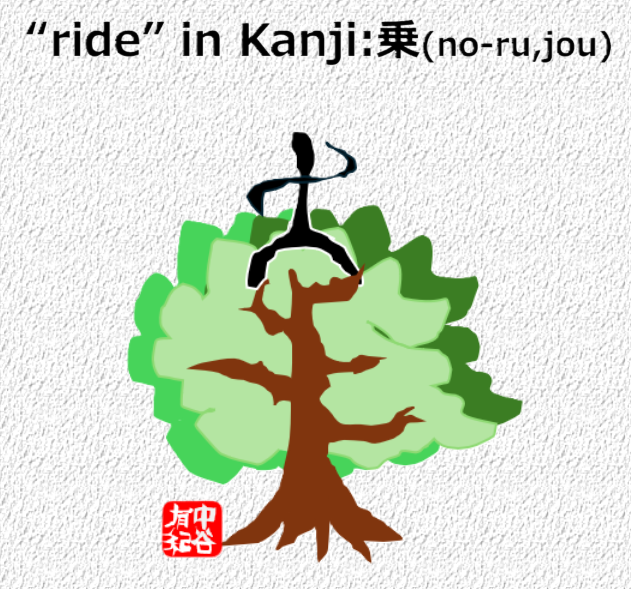
This kanji depicts a man at the top of a tree, watching his surroundings carefully. From the image of being positioned high up, it came to mean ‘to ride’ on things like horses or in automobiles.

木のてっぺんに登り、高い場所から周囲の状況を注意深く見張っている人の姿を描いた漢字です。高い位置の上に身を置くイメージから、馬や車などの上に身を乗せる「のる(乗る・乗車)」という意味になりました。

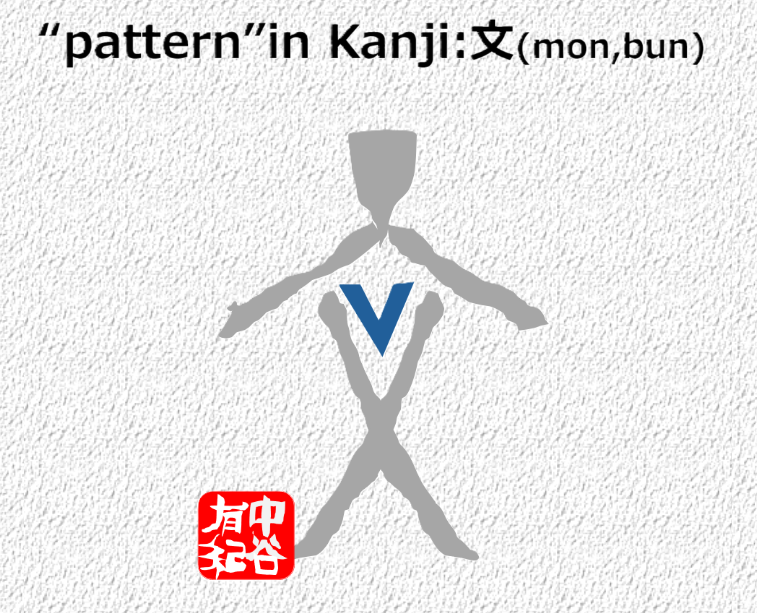
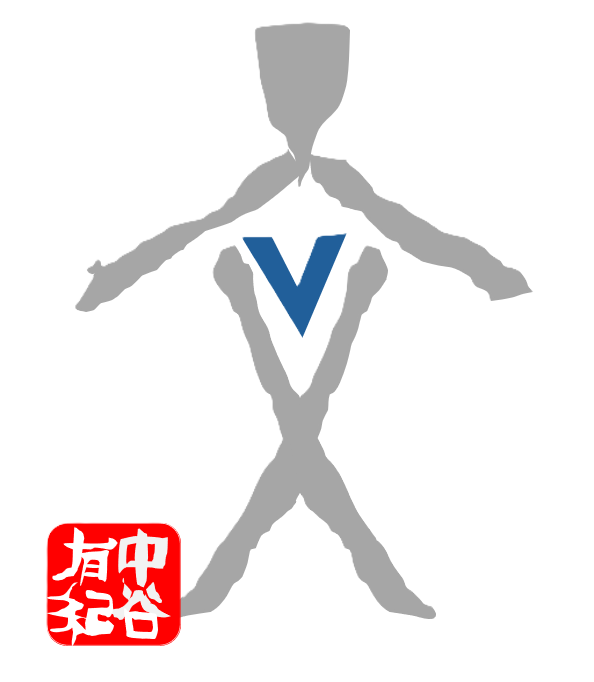
pattern(文)

Historically, there was a custom of tattooing the chests of adults. This is why this kanji came to mean ‘pattern’ and, by extension, ‘character’.

大昔、成人の証や魔除けとして胸に美しく刻み込まれた「入れ墨(タトゥー)」の模様を描いた漢字です。そこから、美しく整った「もよう(模様)」を意味し、さらには書き記された「文字・文章」を表すようになりました。

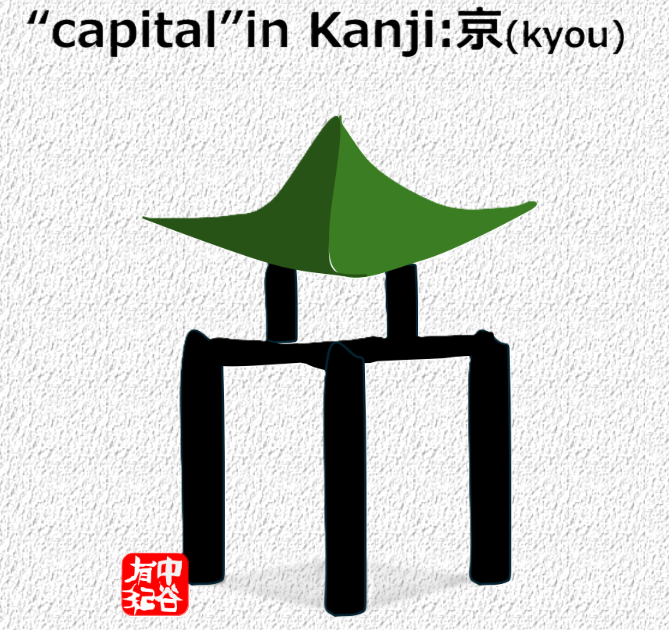
capital(京)

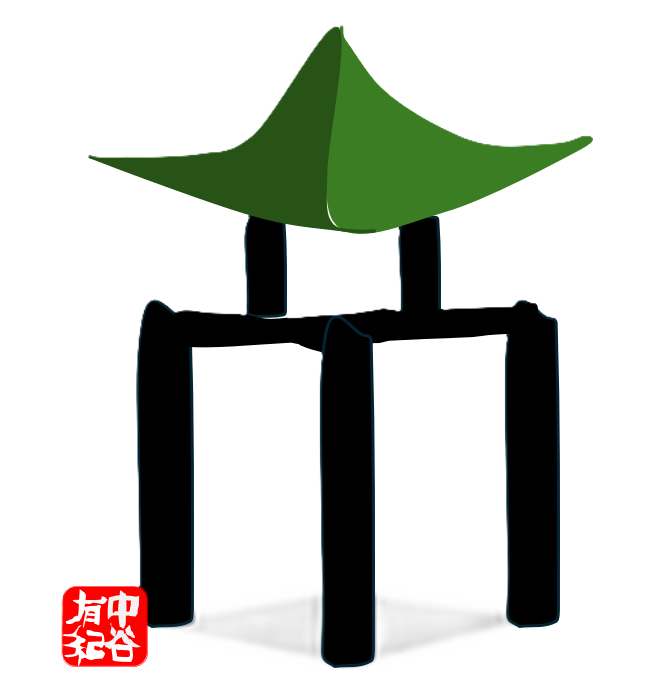
This kanji depicts a large building with tall pillars and a wide roof. Thus, it came to mean the place where such grand buildings gather—that is, ‘the capital.’ Both the former capital, Kyoto, and the current capital, Tokyo, have this kanji in their names.

高く盛り上げた土台の上に、立派な柱と大きな屋根を構えた豪壮な建物を描いた漢字です。そのような壮大な建物や宮殿が集まる場所であることから、「都(みやこ・首都)」を意味するようになりました(京都や東京の「京」です)。

lead-er(率)

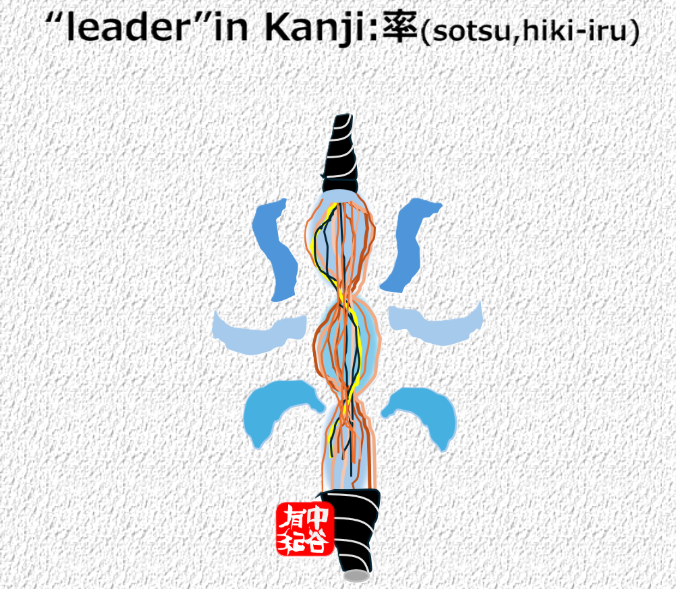
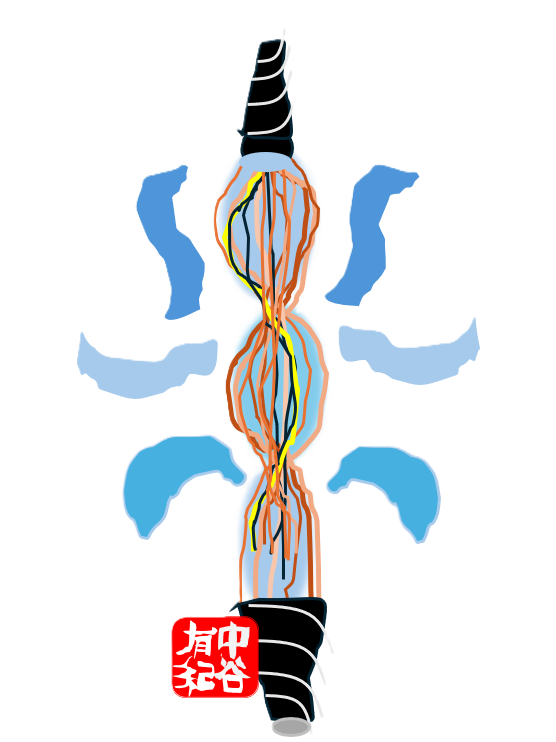
This kanji depicts wet threads being wrung out to dry. This action of squeezing and transforming things is why the kanji came to mean ‘to lead’ as a verb and ‘leader’ as a noun—someone with the great power to change a difficult situation.

水に濡れた糸の束をギュッと力いっぱい絞り上げている様子を描いた漢字です。物をぎゅっと締め上げて統制し、困難な状況をガラリと変えて人々を引っ張っていくことから、「ひきいる(統率・リーダー)」や「割合(比率)」を意味するようになりました。
Related Posts

eat(食)

This kanji represents food served in a covered bowl. Consequently, it carries the meanings of both ‘eat’ as a verb and ‘food’ as a noun.

ふたのついた食器にごちそうが盛られている様子を描いた漢字です。そこから、食べる動作である「たべる(食べる)」と、食べ物そのものを表す「しょく(食事・食物)」の両方の意味を持つようになりました。

calculate(算)

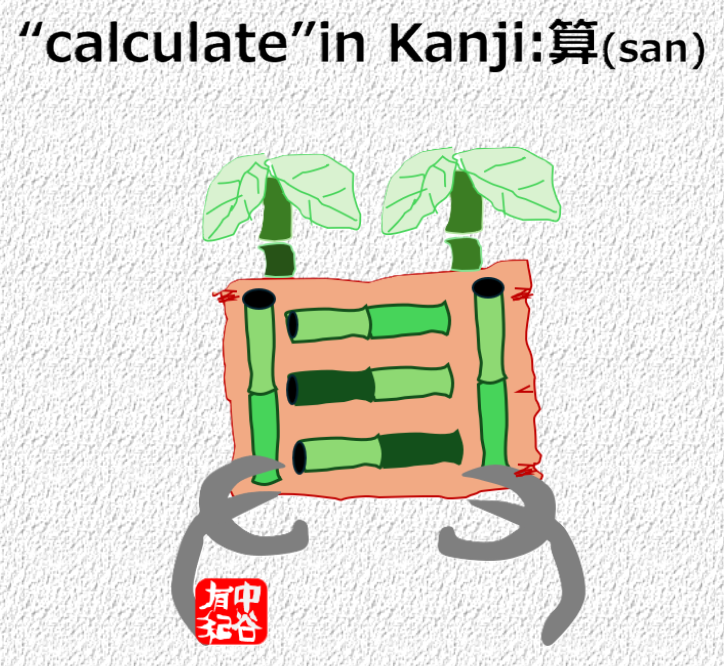
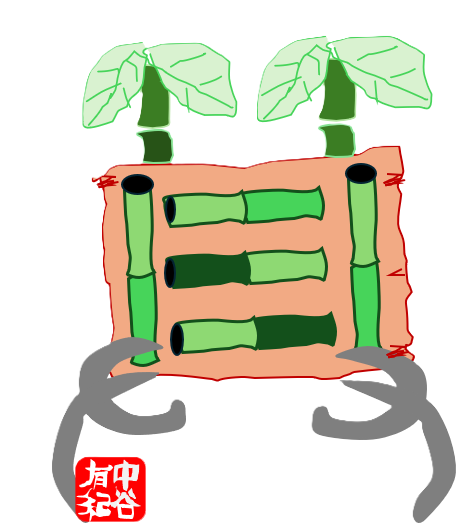
This kanji depicts holding bamboo sticks in both hands to calculate. By extension, it has come to mean ‘calculate’ or ‘mathematics’.

この漢字は、上部の「竹」は古代の計算用具である竹の棒(算木)、下部はそれを両手でそろえて並べている様子を表しています。数を数えたり順序を立てて割り出すことから、「計算する・数える(算術)」という意味になりました。

thunderstorm(雷)

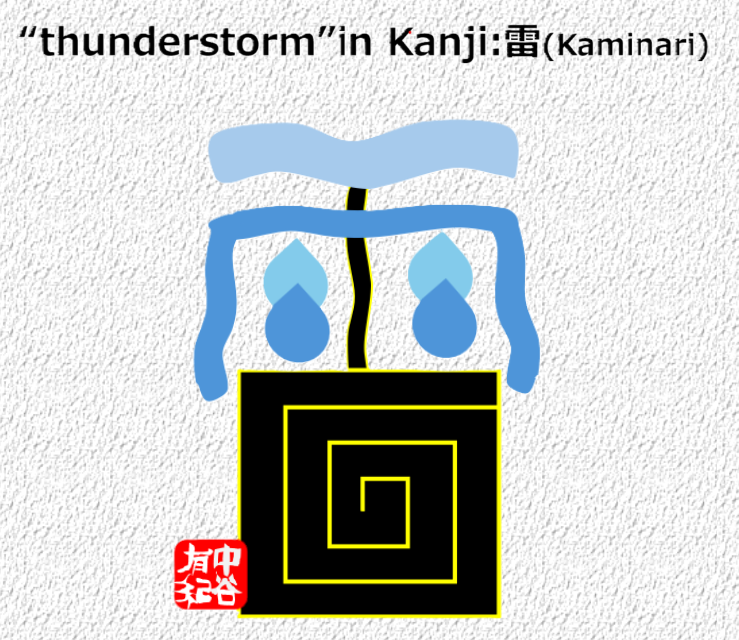
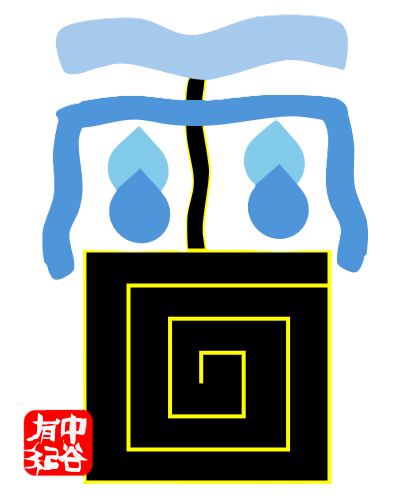
This kanji combines the radical for ‘rain’ at the top with the symbol for flashing lightning at the bottom. Therefore, this kanji carries the meaning of ‘thunder’ or ‘lightning’.

天空から降る「雨(あめかんむり)」の下に、ピカッと激しく光って四方に広がる稲妻(田・電光)を描いた漢字です。激しい雨とともに空でゴロゴロと鳴り響く「かみなり(雷・雷雨)」を表します。

cloud(雲)

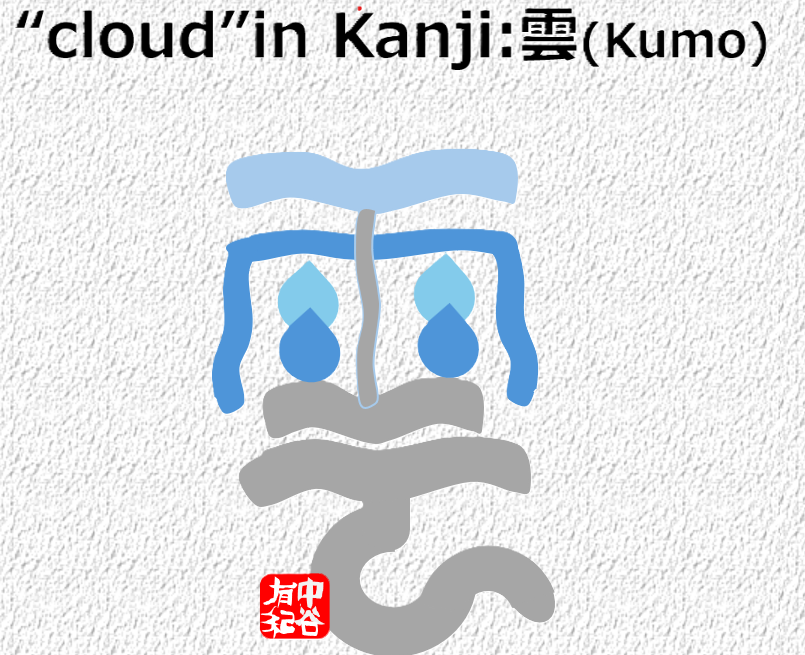
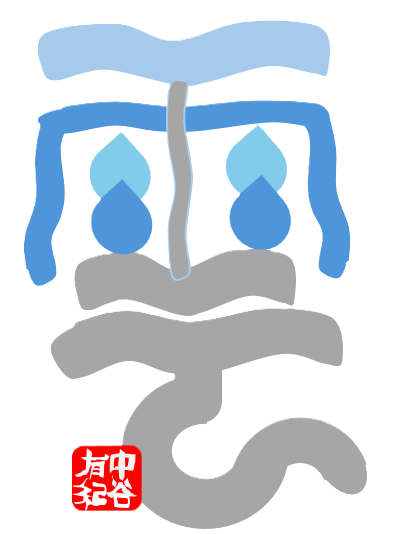
This kanji combines the radical for ‘rain’ at the top with the symbol for a moving cloud at the bottom. Therefore, this kanji carries the meaning of ‘cloud’.

この漢字は、上部は天から降る「雨」、下部は水蒸気が湧き上がってぐるぐると立ち込める様子(云)を表しています。空に水分が集まって白く広がる「雲(くも)」そのものを表します。

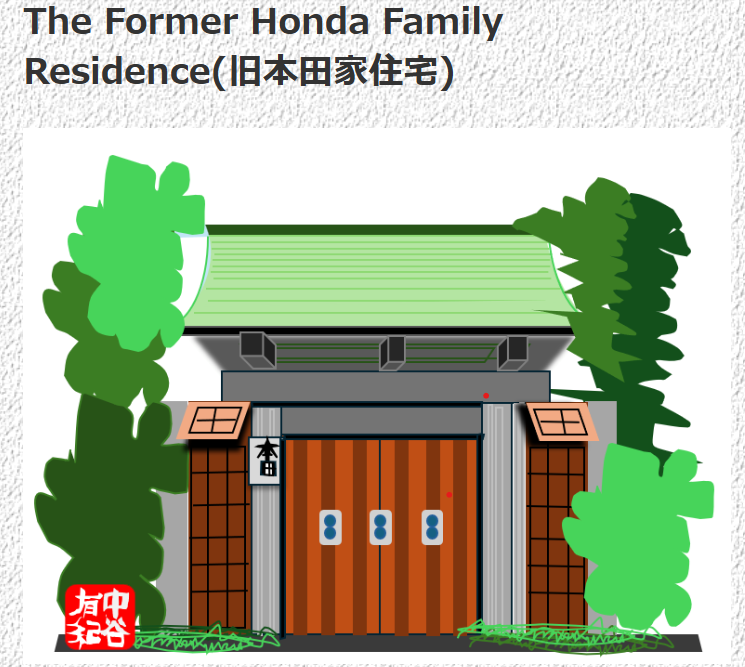
The Former Honda Family Residence(旧本田家住宅)

The Honda family has resided here in Yaho for over 300 years. As prominent local leaders, they historically supported the community as both veterinarians and physicians.

Since the Hondas were related to the Hijikata family, a young Toshizo Hijikata frequently visited this house to study literature and learn about world affairs.

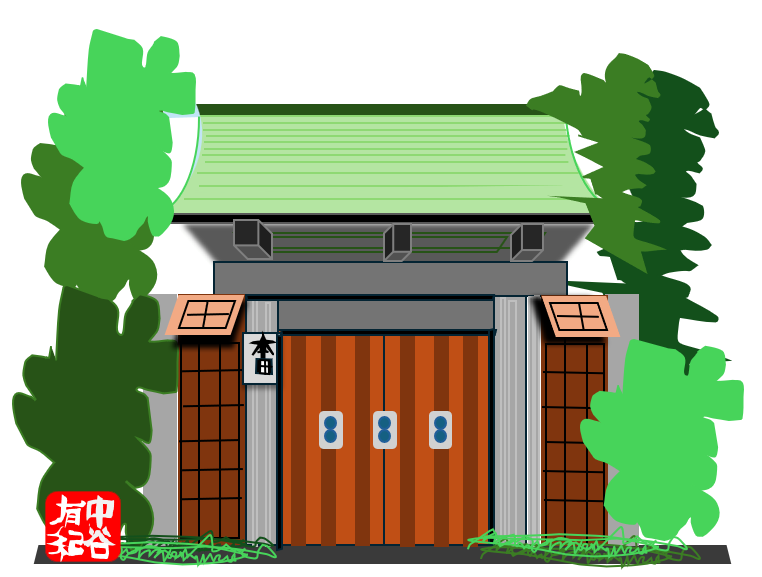
The Former Honda Family Residence still stands today. Even now, you can see the grand gate, which was specially built with extra height so that doctors could ride through it on horseback.

Where is Yaho?

Where is Yaho?

Town

Town

Culture

Culture

Nature

Nature

Yabo Tenmangu

Yabo Tenmangu

History

History

名称旧本田家住宅(※修復工事中)
所在地〒186-0011 東京都国立市谷保5122