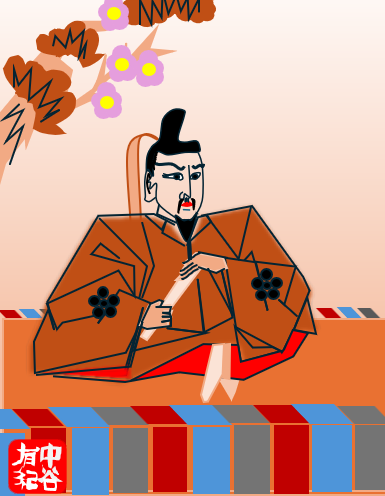
Sugawara no Michizane(菅原道真)

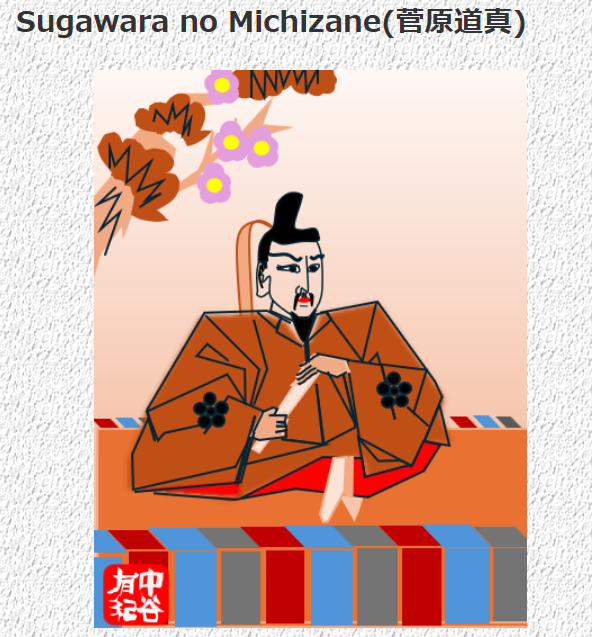
Sugawara no Michizane was so intelligent that the Emperor highly recognized his talents and promoted him to a high position in the court. However, this led to tragedy: his rivals framed him with false accusations, resulting in his exile to Kyushu, far from Kyoto, where he later passed away.

After his death, his spirit was said to have ascended into the sky and become a vengeful god of thunder, striking his rivals’ homes with fierce thunderstorms. Terrified by these disasters, the people built this shrine to appease his spirit and worship him as the deity of thunder in the year of 947.

In fact, the name “Tenjin” originally means “the God of Thunder”!
Where is Yaho?

Where is Yaho?

Town

Town

Culture

Culture

Nature

Nature

Yabo Tenmangu

Yabo Tenmangu

History

History


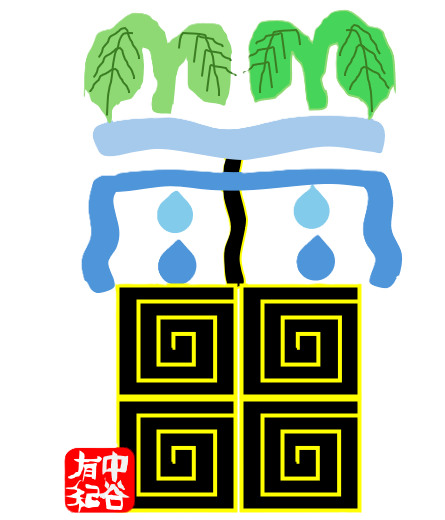
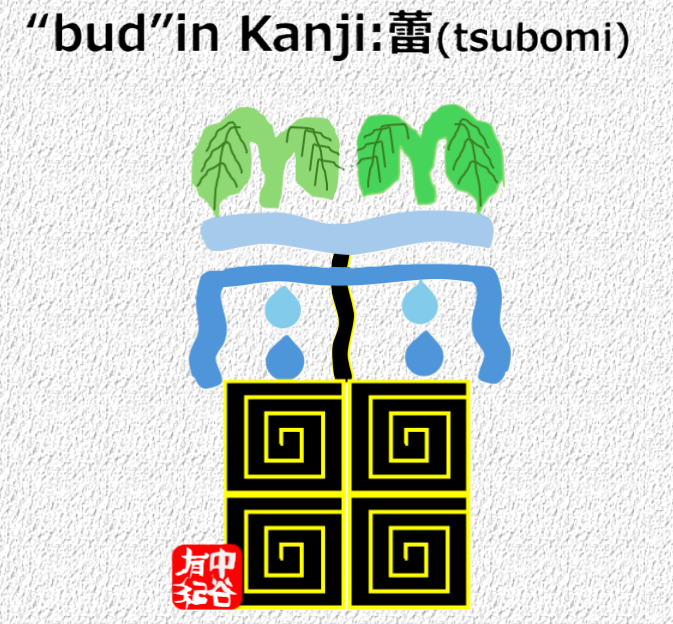
bud(蕾)

This kanji consists of two parts: the ‘grass’ radical on top, and the kanji for ‘thunderstorm’ below. So, why does this kanji mean ‘bud’? It is said that the flash of a thunderstorm resembles a flower bud bursting with bright light.

この漢字は、上部の植物を表す「くさかんむり」と、下部の「雷(かみなり)」の2つからできています。雷のピカッとした稲妻の閃光が、ぱっとまばゆく花開くつぼみの姿に似ていることから、植物の「つぼみ(蕾)」を意味するようになりました。

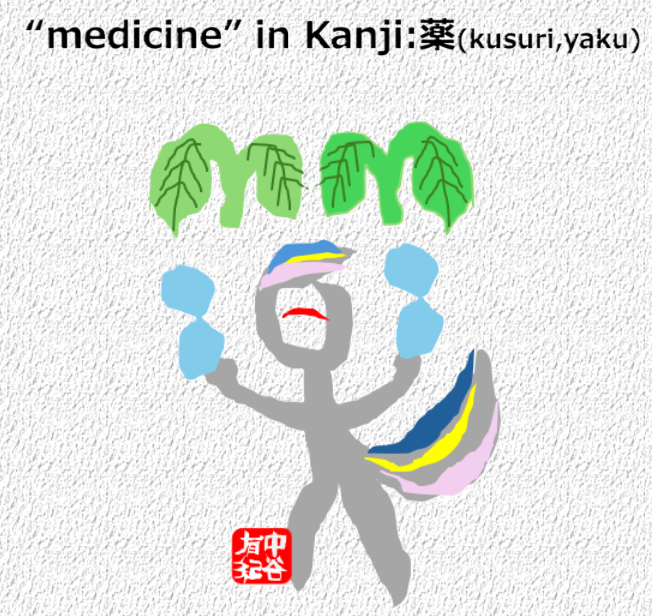
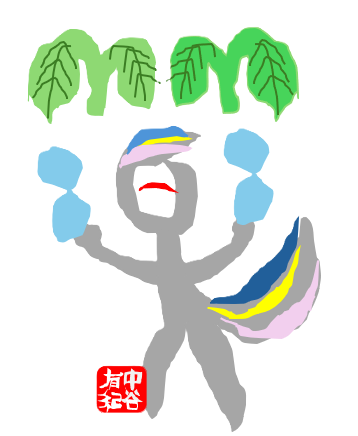
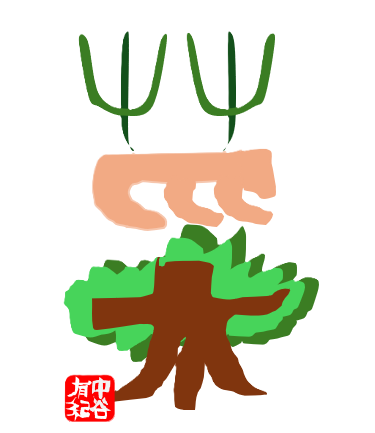
medicine(薬)

As you can see, this kanji consists of two parts: the ‘grass’ (leaf) radical on top, and a component below representing a man dancing with joy. Therefore, this kanji means ‘medicine’—something made from plants that brings happiness and relief to people.

この漢字は、上部の植物を表す「くさかんむり」と、下部の喜びに満ちて楽しく踊る人の姿(楽)の2つからできています。草木から作られ、人々の苦しみを和らげて心身を楽しく元気にしてくれるもの、すなわち「くすり(薬・良薬)」を意味します。

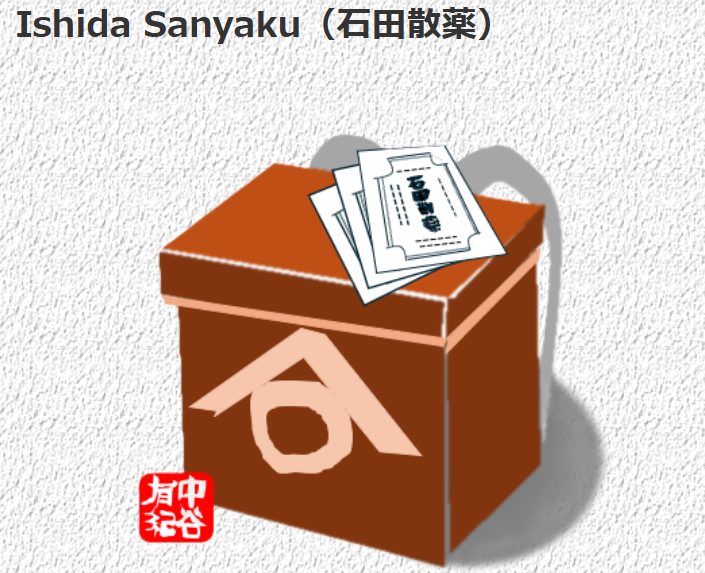
Ishida Sanyaku(石田散薬)

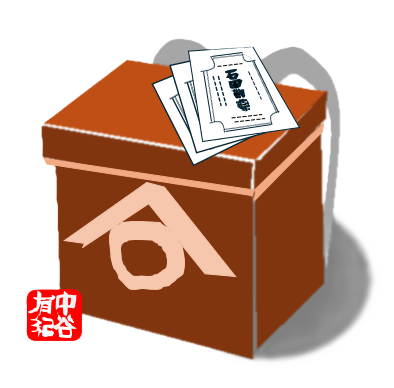
Ishida-Sanyaku, a renowned remedy for bruises and muscle aches, was created by Toshizo Hijikata’s family around 300 years ago. Back then, Ishida was a district of Yaho Village, and a young Toshizo would walk around the Yaho area selling this medicine, carrying a wooden basket on his shoulder.

名称土方歳三資料館
所在地〒191-0021 東京都日野市石田2丁目1−3
Homepagehttps://www.hijikata-toshizo.jp/
Where is Yaho?

Where is Yaho?

Town

Town

Culture

Culture

Nature

Nature

Yabo Tenmangu

Yabo Tenmangu

History

History


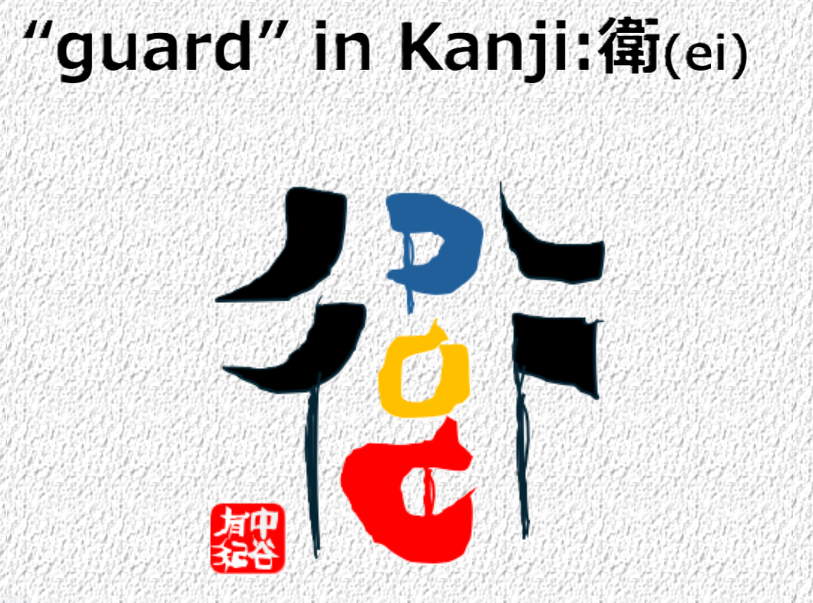
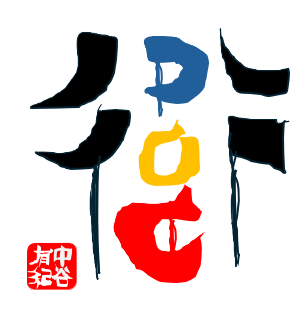
guard(衛)

This kanji has two parts: the ‘go’ radical is divided, and inside it is a symbol for walking around a perimeter. That is why this kanji means ‘to guard’ or ‘to protect’ by patrolling the area.

この漢字は、外枠の「行く(行)」の中に、境界線の周りをぐるぐると歩き回る記号が入っています。周囲を歩いて見回り(パトロール)をしながら敵を防ぐ様子から、「まもる(護衛・防衛)」という意味になりました。

Related Posts

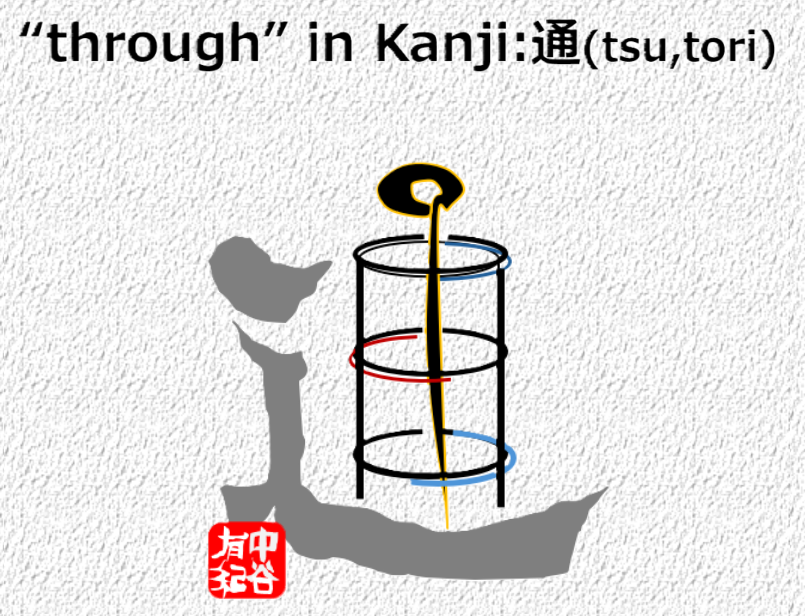
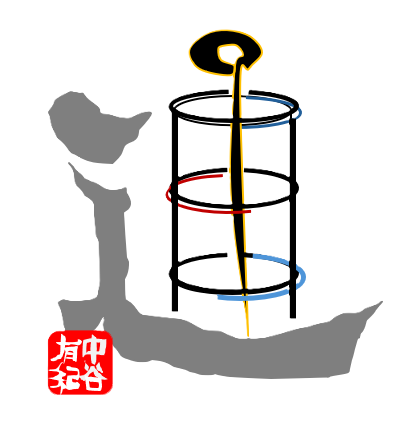
through(通)

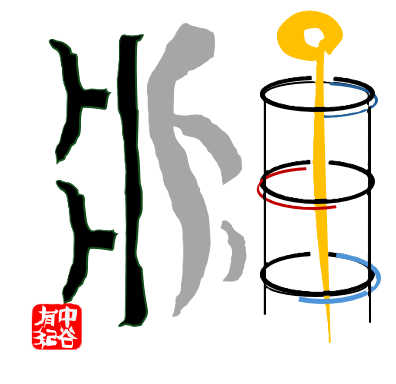
This kanji consists of the radical for ‘road’ on the left, and a symbol representing ‘something passing through a tube’ on the right. Therefore, it means ‘to pass through,’ and by extension, ‘street’ or ‘path.

Related Posts

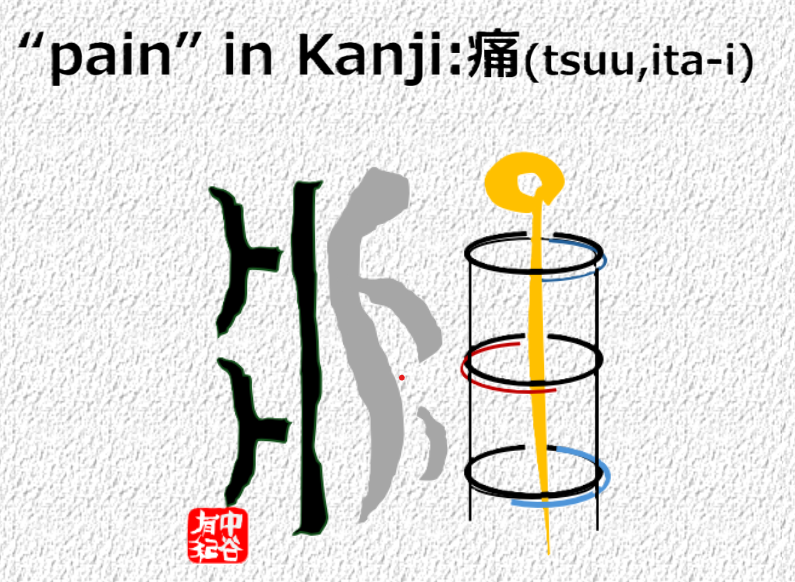
pain(痛)

This kanji consists of two parts.In the left,there is a man lying on the bed meaning being sick or ill.

In the right There is a symbol of something going through the tube.So this kanji means”Pain”that goes through out of your body.

この漢字は、左側は病気でベッドに横たわる人を表す「やまいだれ」、右側は細い管の中を何かが勢いよく突き抜ける様子を表しています。針で刺されたように痛みが身体を鋭く突き抜ける感覚を表し、「いたい(痛み・苦痛)」という意味になりました。