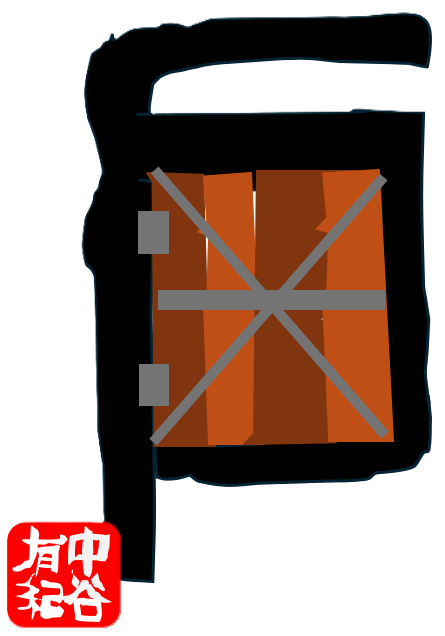
This kanji is a simple depiction of a door. As you can see, it simply means “door”!
この漢字は、昔の住居に取り付けられていた、片開きの「扉(とびら)」の形をそのまま描いた漢字です。出入り口の「戸(と・ドア)」を表します。

The short story of Kanji pictures
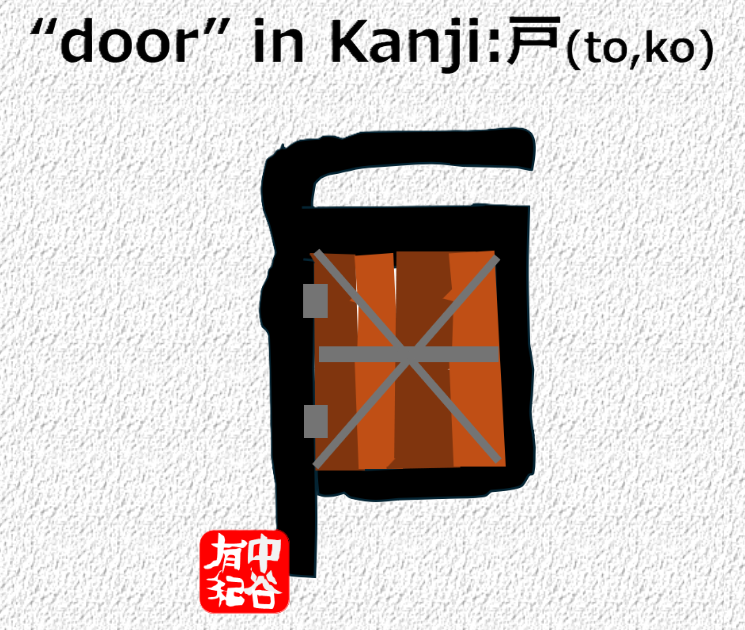
This kanji is a simple depiction of a door. As you can see, it simply means “door”!
この漢字は、昔の住居に取り付けられていた、片開きの「扉(とびら)」の形をそのまま描いた漢字です。出入り口の「戸(と・ドア)」を表します。
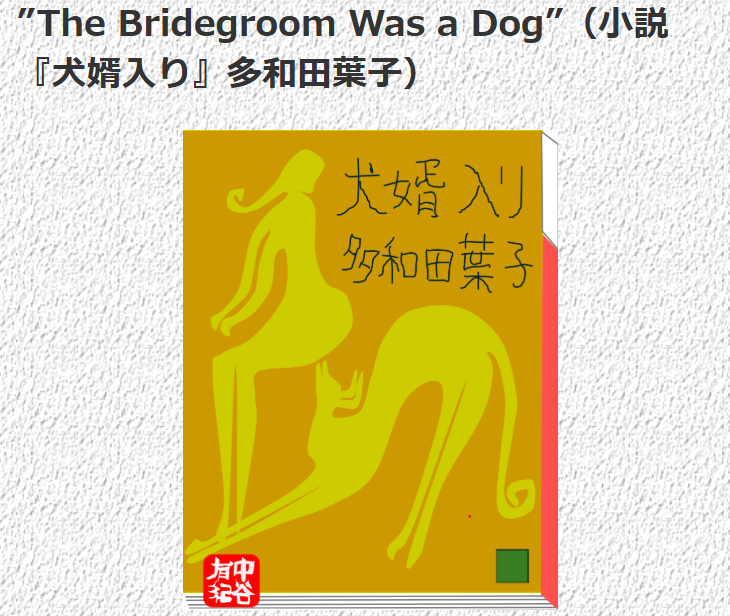
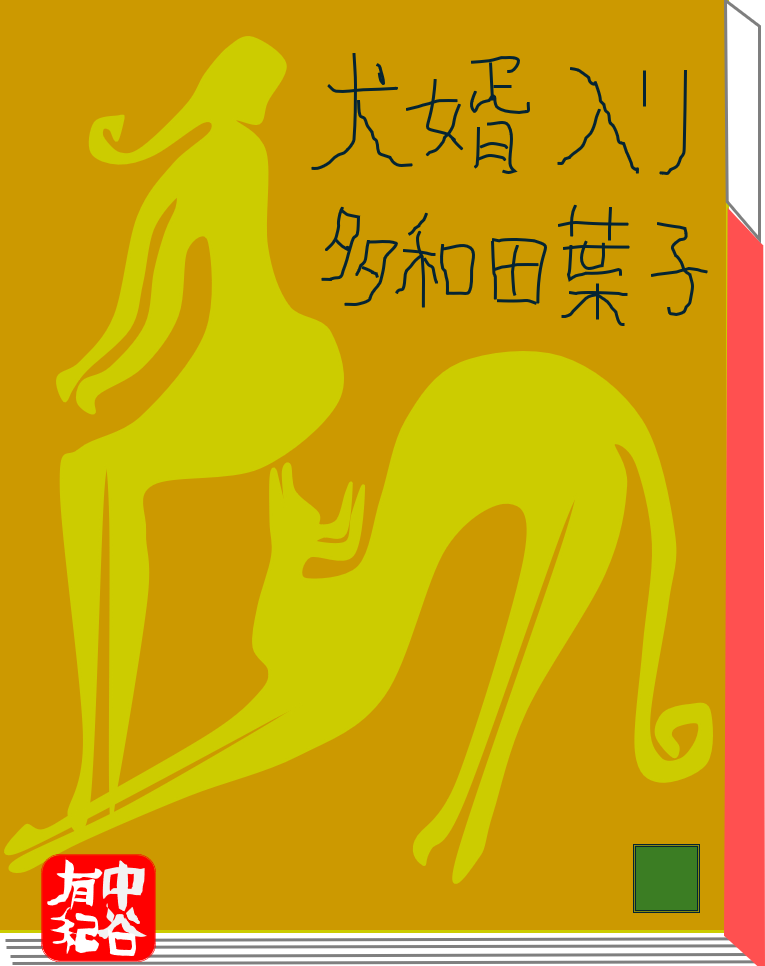
Although Yoko Tawada’s novel “The Bridegroom Was a Dog “does not explicitly name Kunitachi City, its setting is modeled after the Fujimidai Housing Complex. In the story, the area around Kunitachi Station is depicted as “Kita Ward” (North Ward), while the Yaho area is portrayed as “Minami Ward” (South Ward).
Highly acclaimed for offering a fresh perspective on folk tales hidden within modern urban life, the novel was awarded the prestigious Akutagawa Prize in 1993.
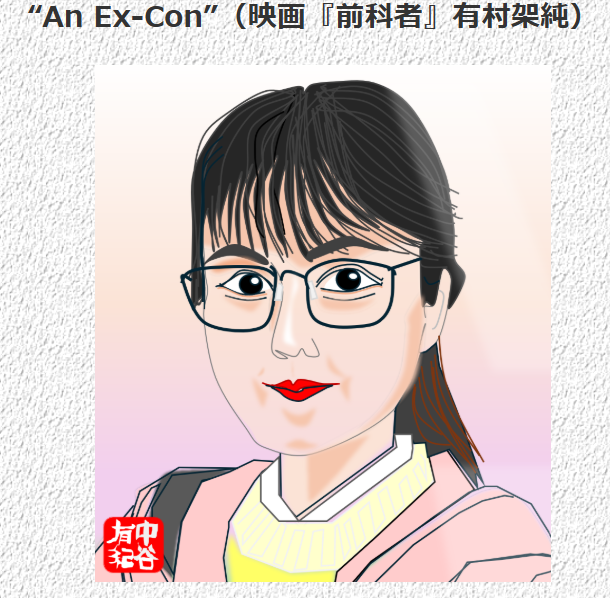

An Ex-Con is a compelling drama about a female volunteer probation officer who struggles to guide and rehabilitate people with criminal records. Kasumi Arimura delivers an extraordinary, award-winning performance as the lead character, taking home the Hochi Film Award for Best Actress in 2022. The film brings its story to life with authentic backdrops filmed throughout Kunitachi City, including Kunitachi City Hall and Yaho Park No. 4.
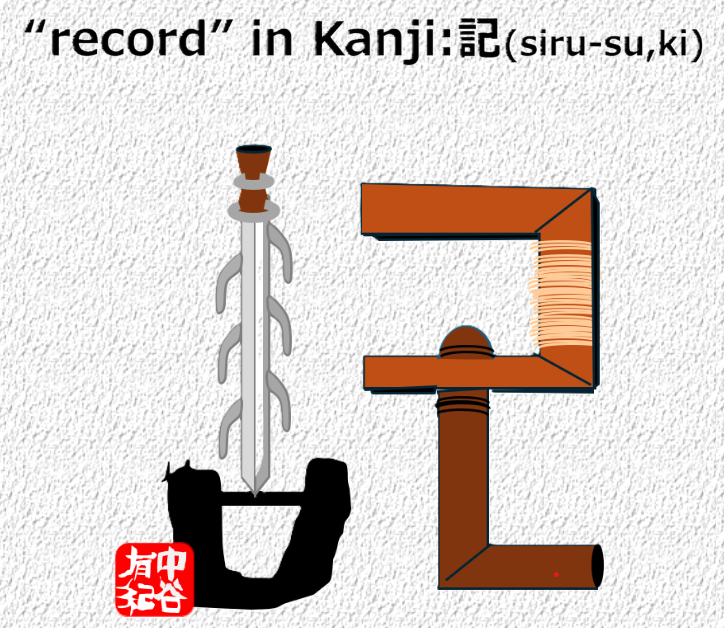

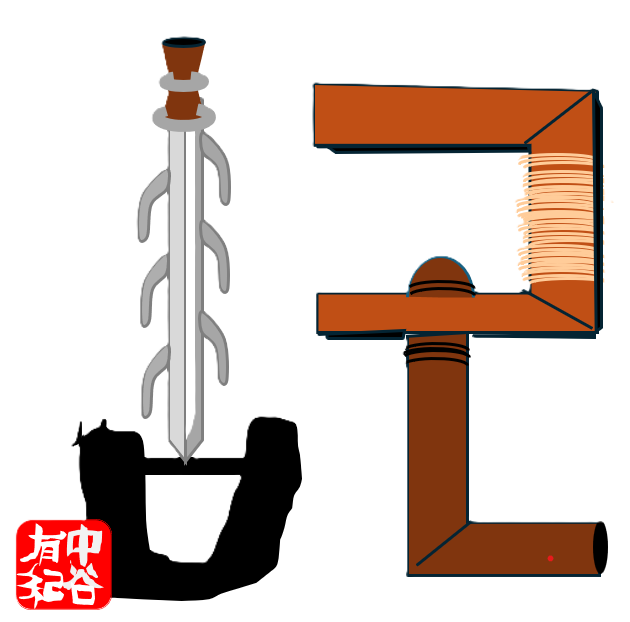
This kanji consists of two parts. On the left is the “word” radical, which originally represented a sacred oath made before God—one so absolute that breaking it meant punishment by the sword. On the right is the symbol for a thread reel. Together, this kanji means to write down or record someone’s words accurately, just like reeling thread onto a spool.


The movie Sidecar to the Dog (2007)tells the story of a strange summer friendship between a fourth-grade girl and Yoko—a woman who suddenly arrives as her father’s mistress after her mother runs away. Played by Yuko Takeuchi (1980–2020), Yoko brings a fresh wave of energy to the girl’s life.
Set right here in Kunitachi City, the film features Yoko riding her bicycle past local landmarks like the triangular-roofed Kunitachi Station, Daigaku-dori Avenue, and Aoyagi Inari Shrine. The dialogue is also peppered with references to famous figures connected to Kunitachi, such as Momoe Yamaguchi and Kiyoshiro Imawano.
| 映画コム「サイドカーに犬」 | https://eiga.com/movie/34026/ |
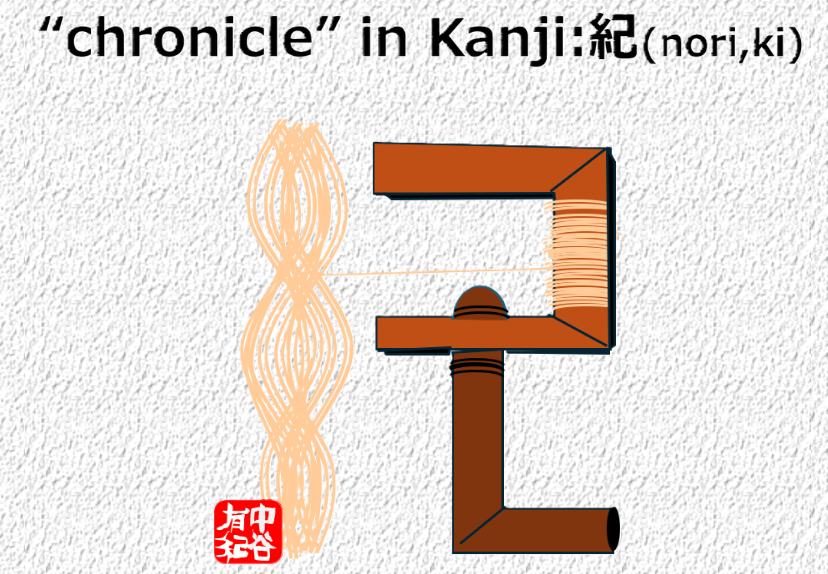

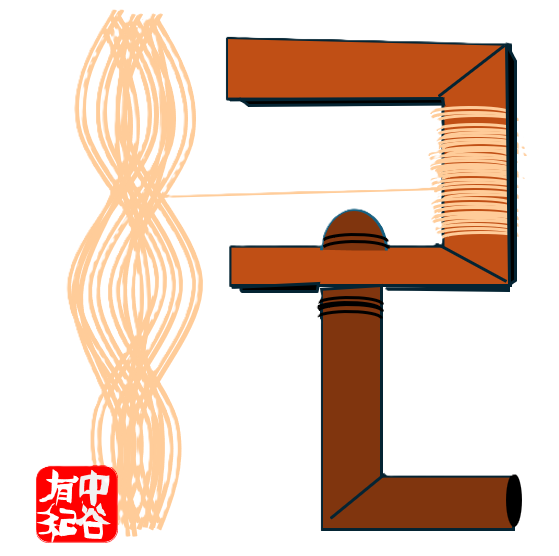
This kanji depicts a thread and a reel. Just like neatly winding thread onto a spool, it represents a chronicle—methodically recording history and societal rules step by step.
この漢字は、左側は「糸」、右側は糸巻きの形(己)を表しています。乱れた糸口をきちんと巻き取って整理するように、歴史や社会の秩序を順序立てて記録することから、「筋道・歴史の記録(年代記)」という意味になりました。
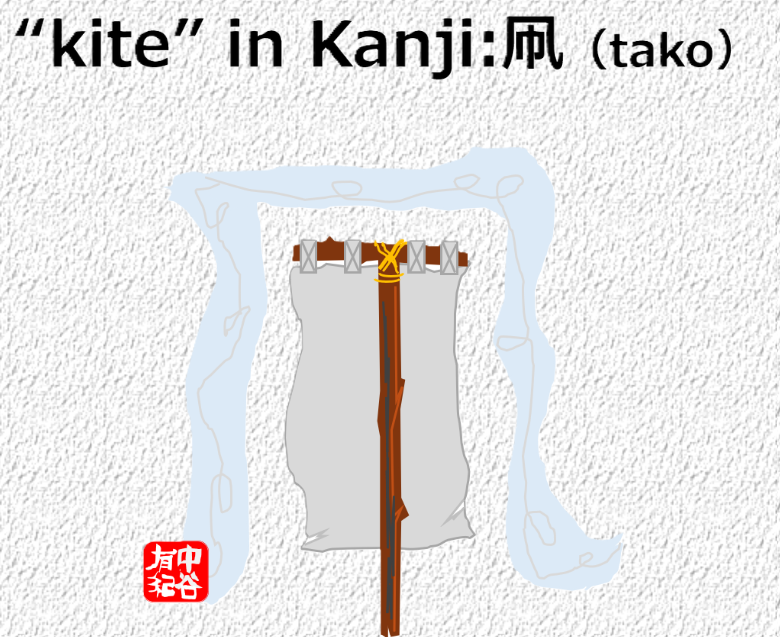
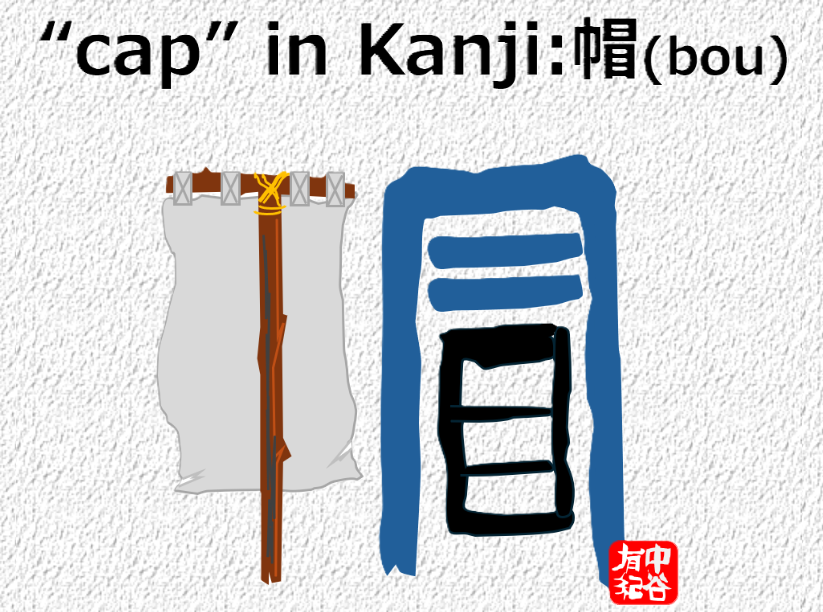

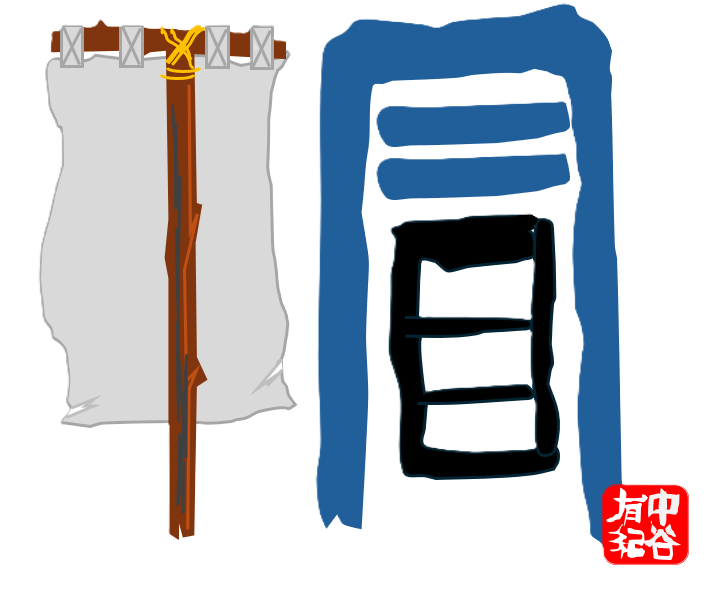
This kanji consists of two parts. On the left is the “cloth/flag” radical, and on the right is “venture”—which depicts someone moving forward with their eyes covered. Together, they represent a cap or hat made of cloth.
この漢字は、左側は布を表す「巾」、右側は頭から目を覆い隠すようにかぶる様子(冒)を表しています。布で作られた頭を覆うかぶり物であることから、「帽子(ぼうし)」を意味します。
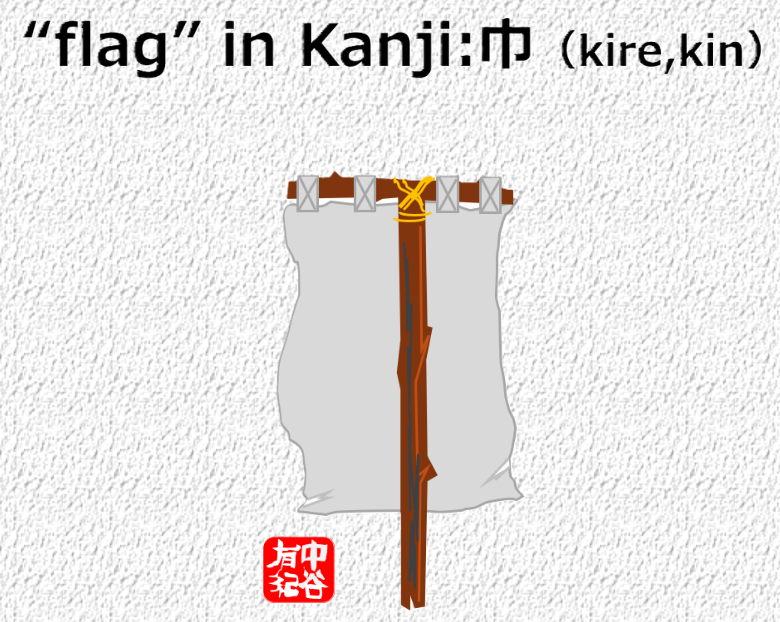

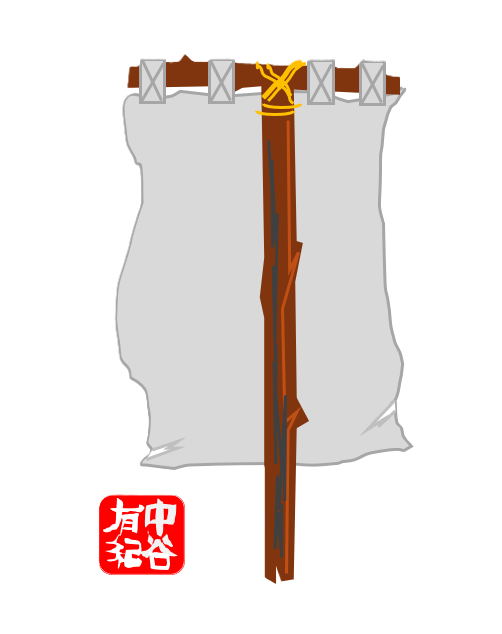
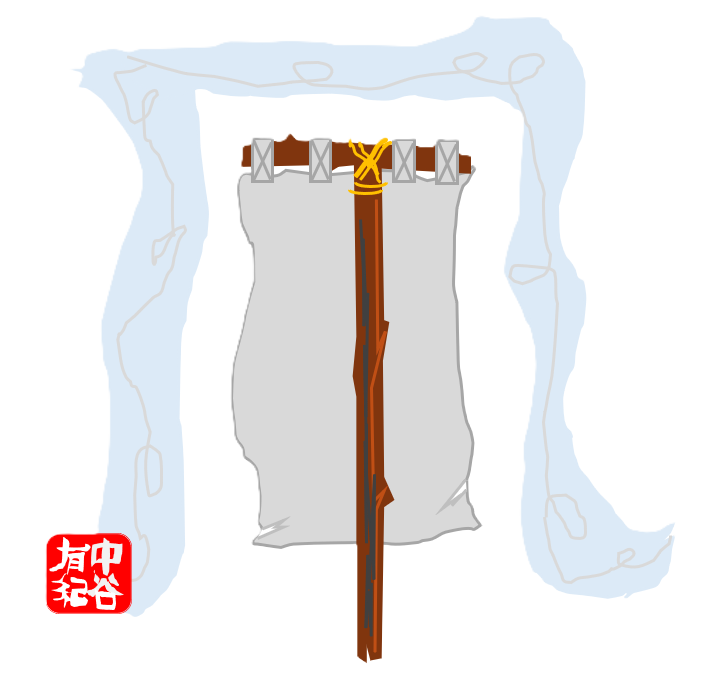
This kanji simply depicts a flag attached to a tall pole. As you can see, it originally refers to a “flag” or “banner“,”clothe”.
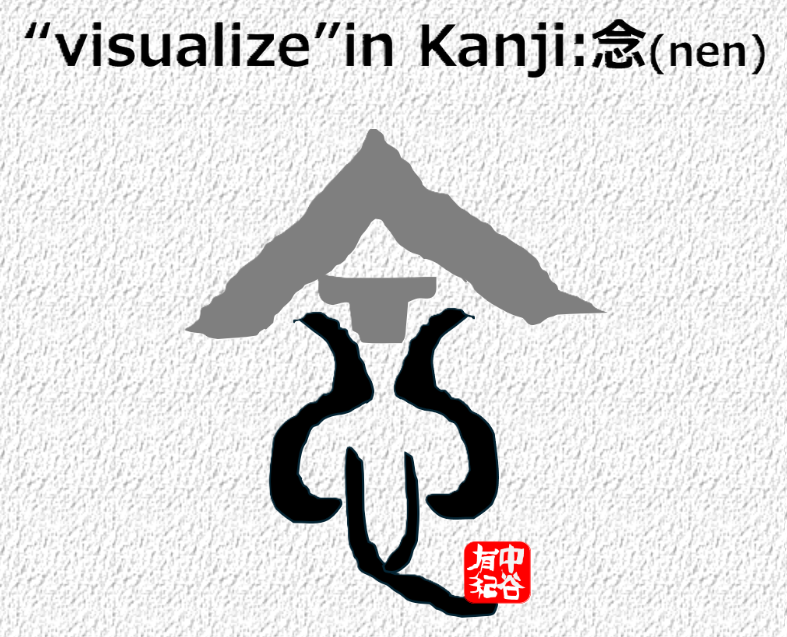

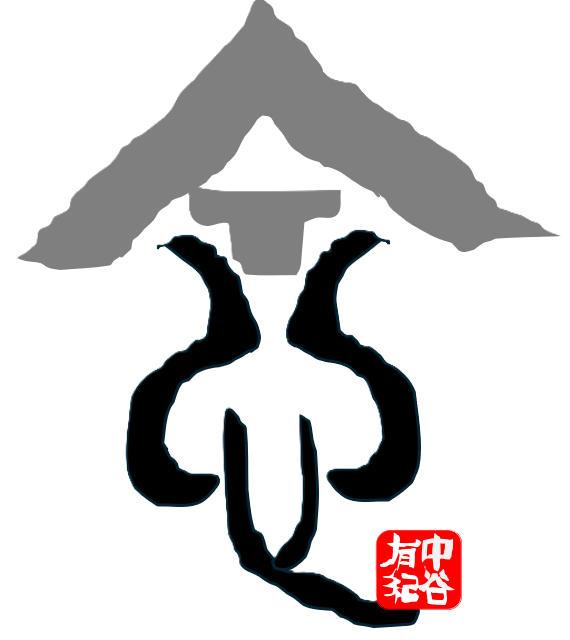
This kanji is made of two parts: a “cap” (or “now”) on top and a “heart” below, depicting a heart contained within oneself. It symbolizes keeping thoughts inside without speaking them aloud—essentially meaning “to hold in one’s mind” or “to visualize.”