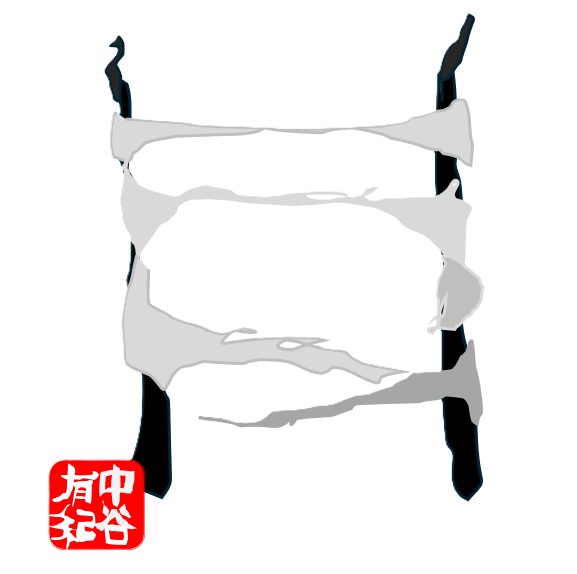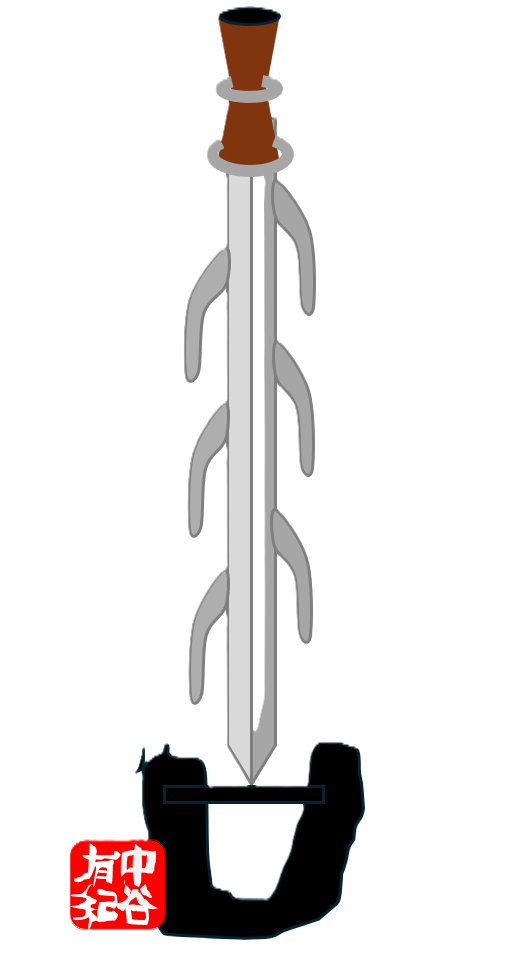
This kanji shows a sword and a mouth. It means, ‘I promise to God to tell the truth. If I break this promise, punish me with this sword.’ That is why this kanji represents ‘words’.
The short story of Kanji pictures
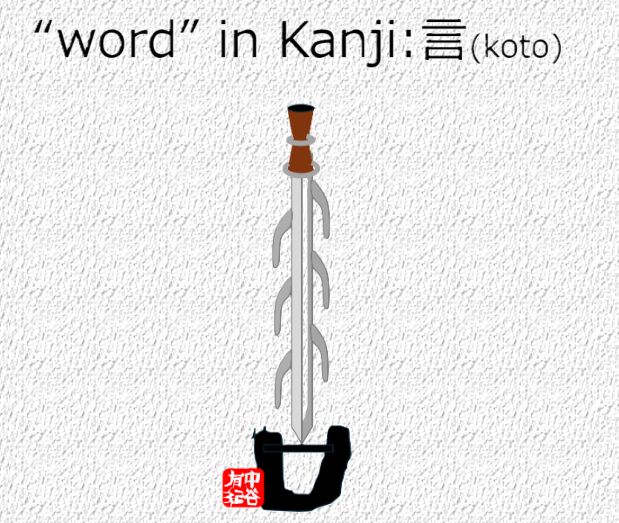
This kanji shows a sword and a mouth. It means, ‘I promise to God to tell the truth. If I break this promise, punish me with this sword.’ That is why this kanji represents ‘words’.
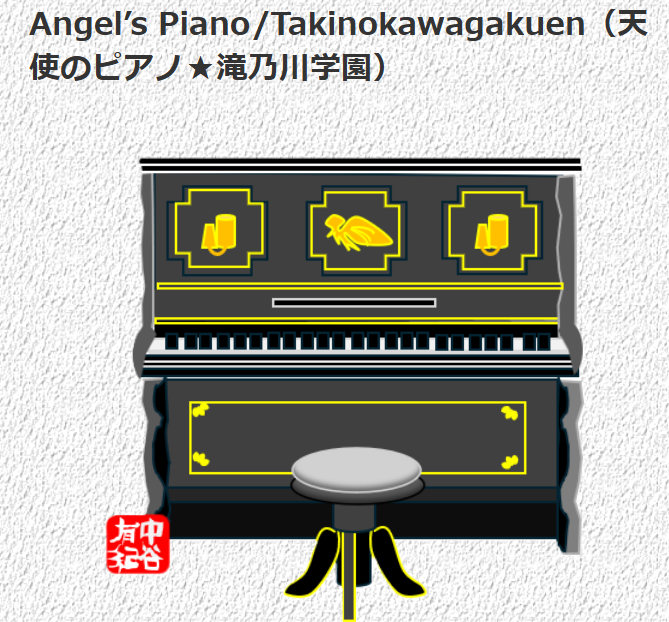
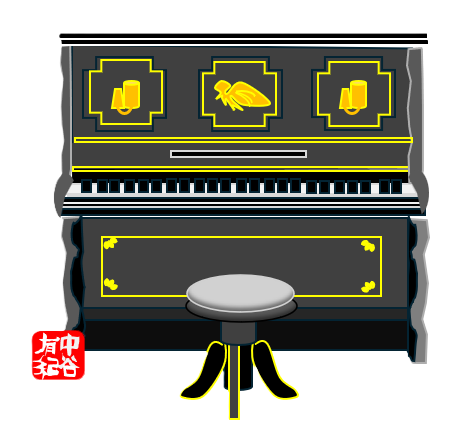
This is Japan’s oldest upright piano, imported in 1885. Fudeko Ishii, who started this facility for people with intellectual disabilities, used to play this piano at Christmas parties long ago. We call it the ‘Angel’s Piano’ because there is an angel emblem in the middle.
| 名称 | 滝乃川学園 |
| 所在地 | 〒186-0015 東京都国立市矢川3丁目16番地の1 |
| Homepage | https://www.takinogawagakuen.jp/ |
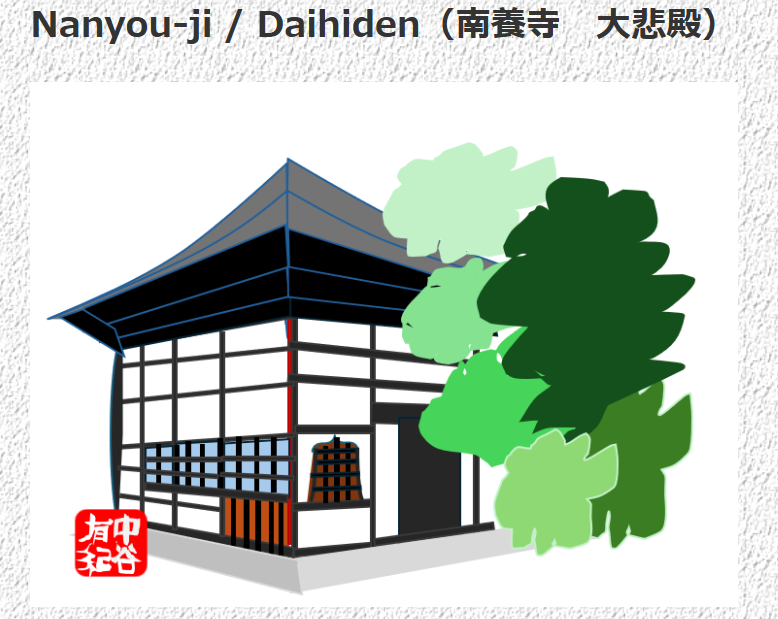
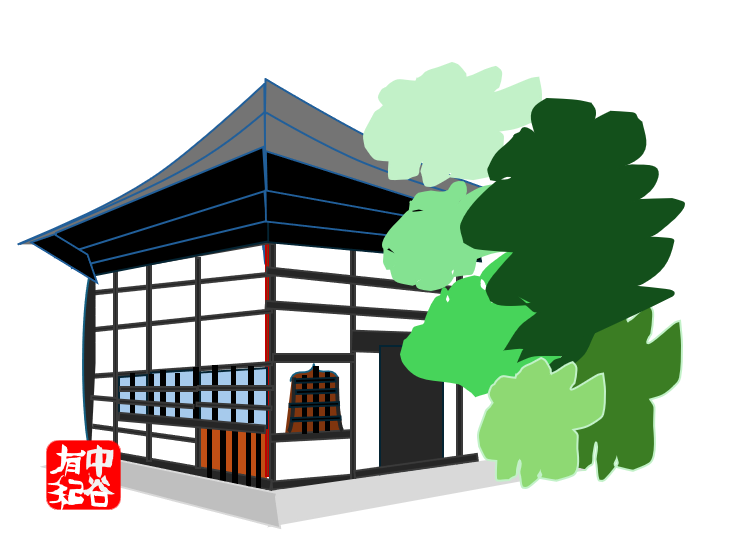
In 1793, this Kannon-do (a hall housing a Buddha statue) was relocated here to Nanyou-ji from Chiushi (eastern Yaho).The main pillar is slightly swollen into an oval shape. It is said that this was either an intentional design for earthquake resistance, or simply poor craftsmanship by the carpenter.
| 名称 | 南養寺 |
| 所在地 | 〒186-0011 東京都国立市谷保6218 |
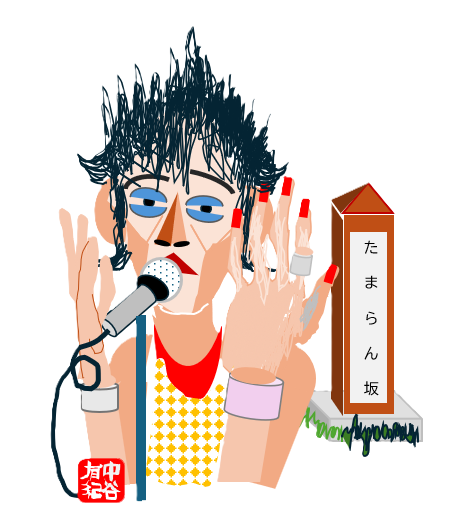
This gentle 200-meter slope marks the border between Kunitachi and Kokubunji. It is famous as the home of the late Kiyoshiro Imawano, Japan’s ‘King of Rock,’ who once boarded nearby. His rock band, RC Succession, captured his life here in the famous ballad ‘Tamaran-zaka,’ making this hill a legendary destination for rock fans.
| 名称 | たまらん坂標柱 |
| 所在地 | 〒186-0002 東京都国立市東3丁目4−1 |
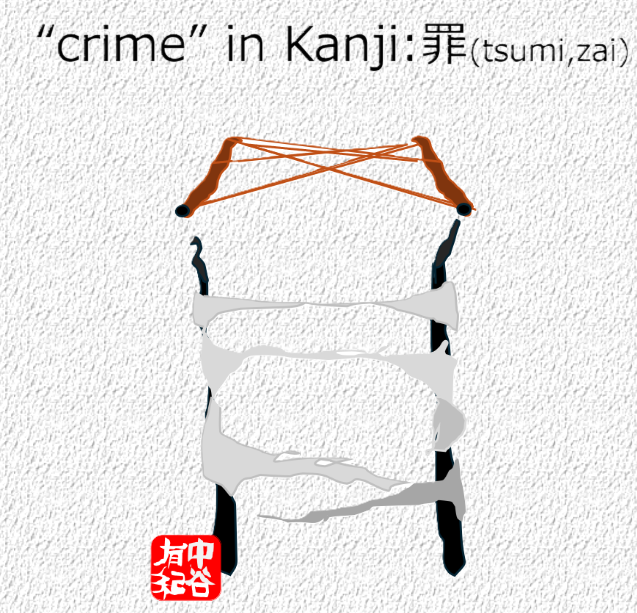

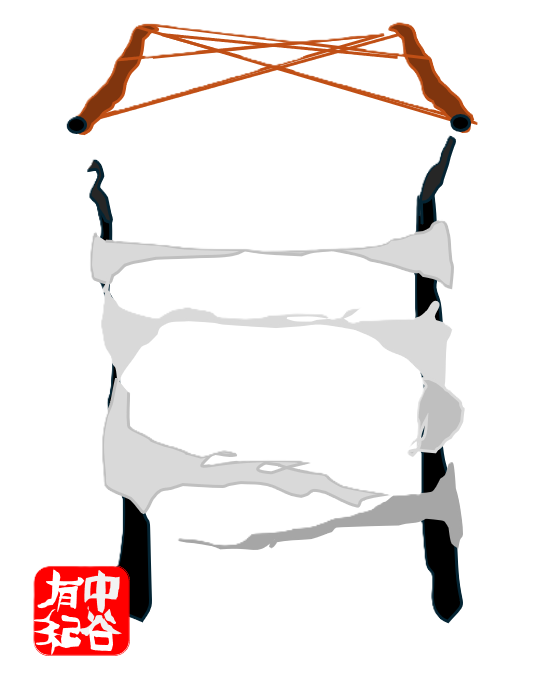
This kanji consists of two parts. The upper part depicts a fishing net, which symbolizes social rules and the law. Below it is something torn like a flag, representing the negative concept of ‘non-‘ or violation. Therefore, this kanji combines these ideas to mean ‘crime’.
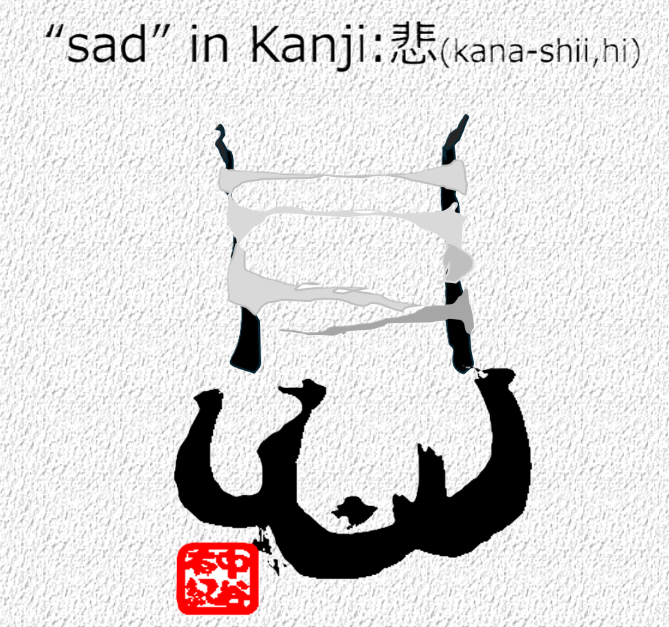

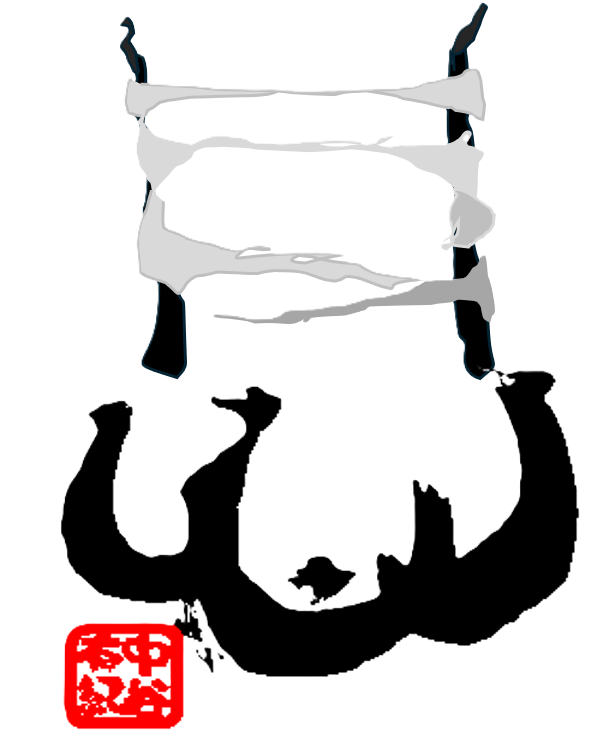
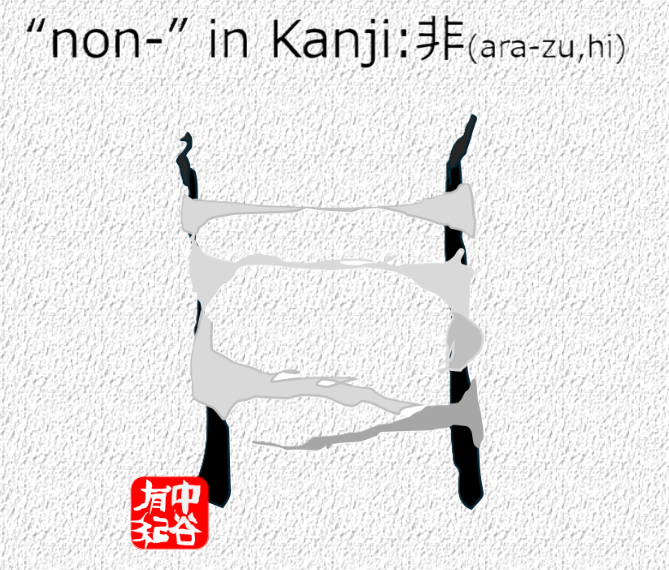
This kanji has two parts. The top represents a torn flag, meaning ‘not’ or ‘non-‘. The bottom is the symbol for ‘heart’. So, this kanji means ‘sad’ because it shows a heart being torn apart.
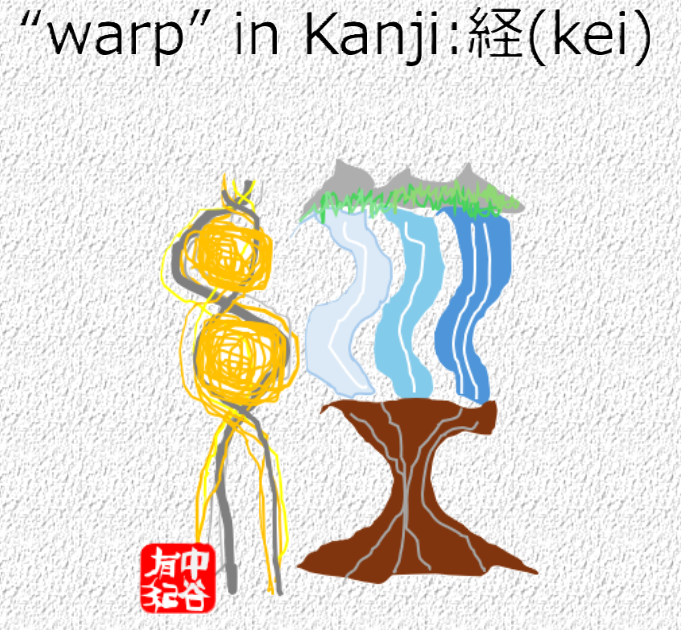

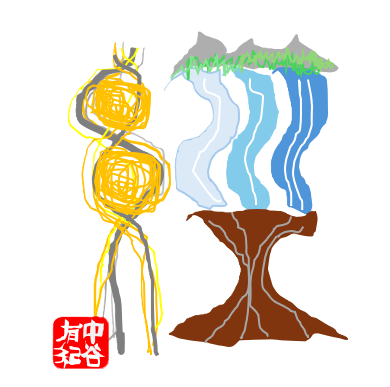
The left side of this kanji represents ‘thread,’ and the right side shows ‘a river flowing through the land.’ Since ancient times, it has meant ‘warp’ (the vertical threads in weaving), which forms the backbone of a fabric.
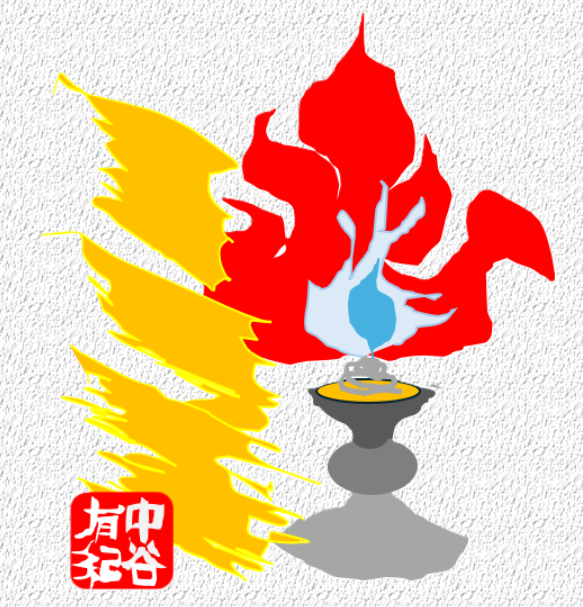

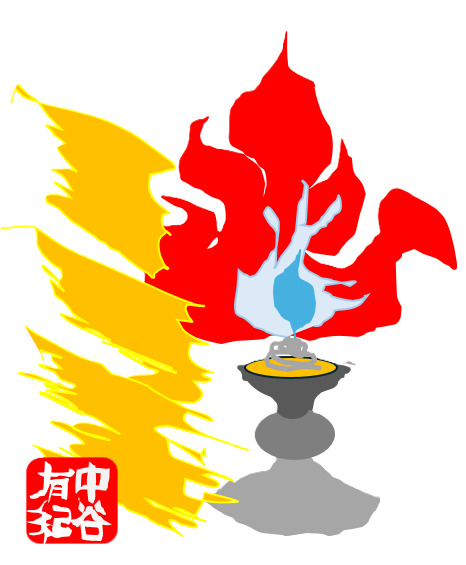
This kanji shows oil being poured from the left into a fire on the right, making the fire grow bigger. That is why it means to ‘pour’ something in order to boost its power or energy.
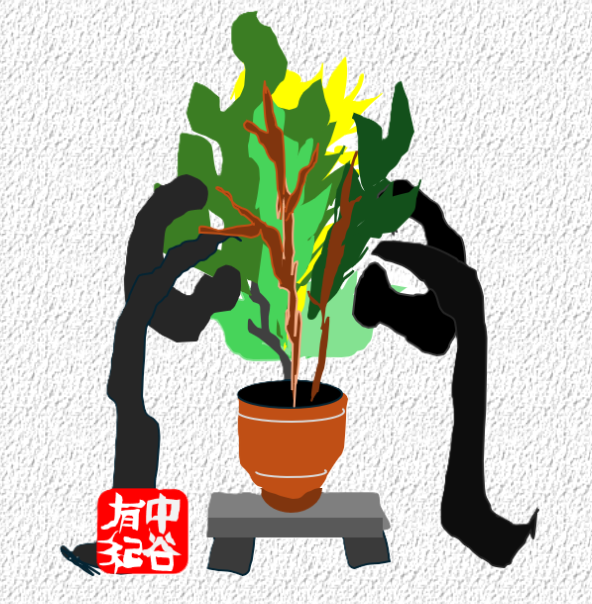

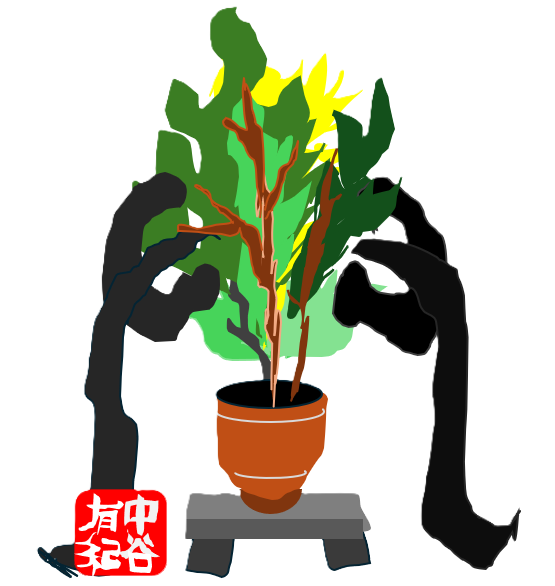
This kanji represents the act of people lifting up something invisible—like life, enthusiasm, or a dream—with their hands. Therefore, it carries the meaning of ‘founding’ or ‘creating’ something intangible through collective human effort.