
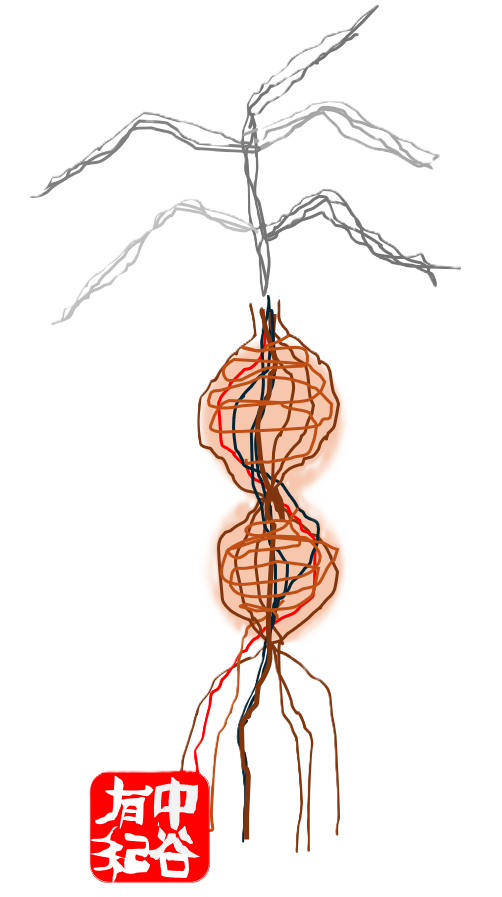
This kanji consists of two parts: unbundled, uncolored threads on top, and a bundle of colorful threads below. Therefore, this kanji came to mean ‘plain’ or ‘bare.’
The short story of Kanji pictures
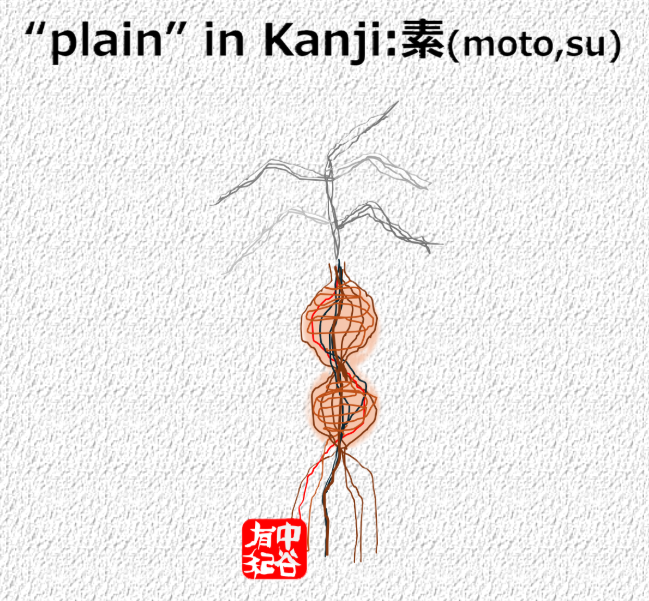
This kanji consists of two parts: unbundled, uncolored threads on top, and a bundle of colorful threads below. Therefore, this kanji came to mean ‘plain’ or ‘bare.’
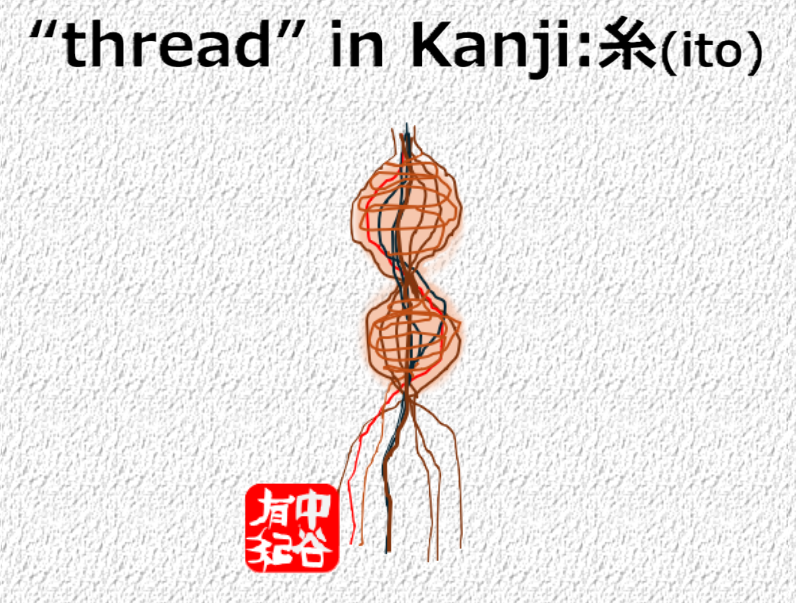

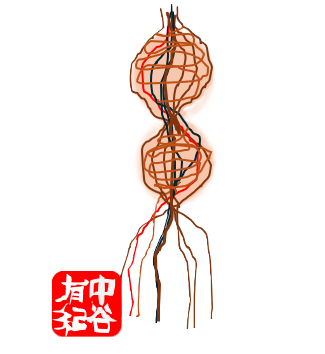
This kanji depicts a bundle of thread. As you might expect, it simply means ‘thread’.
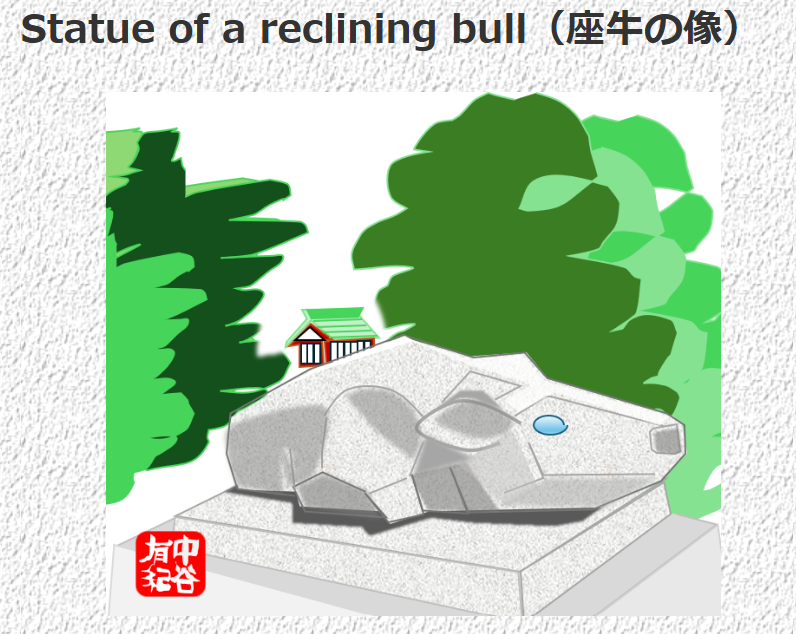
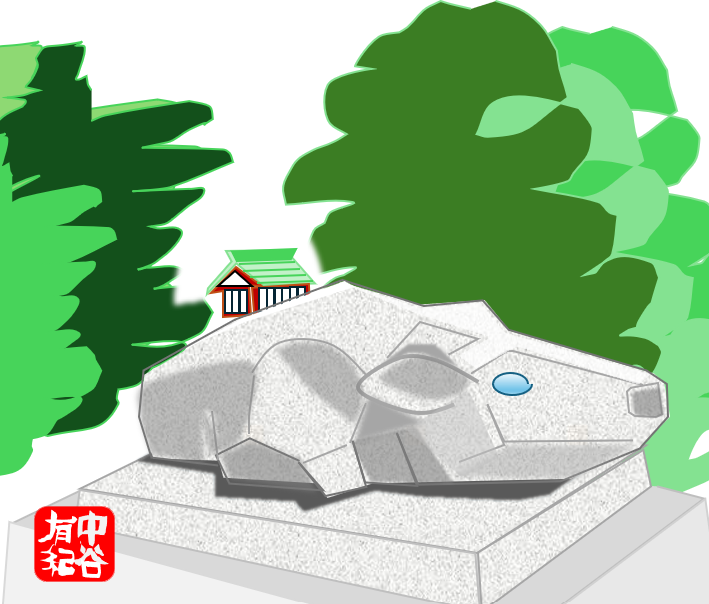
Legend has it that when Sugawara no Michizane passed away, a bull pulled the cart carrying his body. Along the way, the bull suddenly stopped and refused to move, seemingly out of grief for his death. This statue at Yabo Tenmangu Shrine represents the bull from this famous legend.
| 名称 | 谷保天満宮 |
| 所在地 | 〒186-0011 東京都国立市谷保5209 |
| HomePage | https://www.yabotenmangu.or.jp/ |
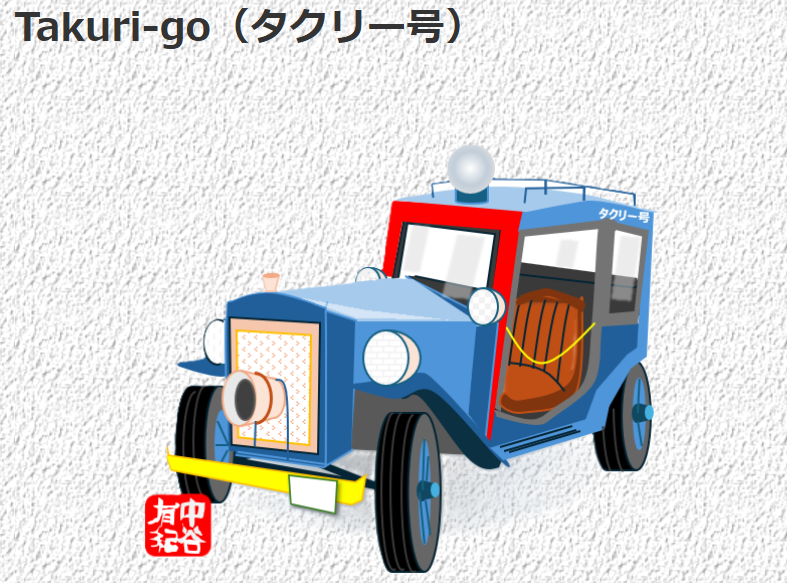
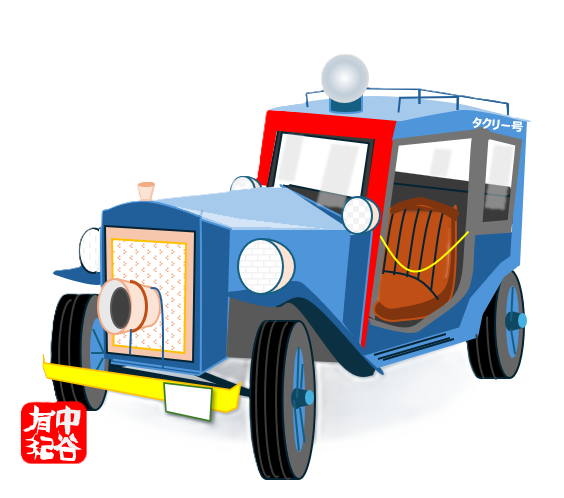
This painting depicts a replica of the ‘Takuri-go’ -Japan’s first domestically produced gasoline-powered automobile, manufactured in 1907.
It is in Yabo Tenmangu. now.
In 1908, a drive led by Prince Arisugawa Takehito at the wheel of this Takuri-go was held from Hibiya Park to Yabo Tenmangu Shrine. The party’s safe return to Tokyo became the origin of praying for traffic safety.
In honor of this event, Yabo Tenmangu holds the ‘Classic Car Festival’ every December, bringing classic cars from all over Japan together to parade through the shrine grounds and the local neighborhood.
| 名称 | 谷保天満宮 |
| 所在地 | 〒186-0011 東京都国立市谷保5209 |
| Homepage | https://www.yabotenmangu.or.jp/ |
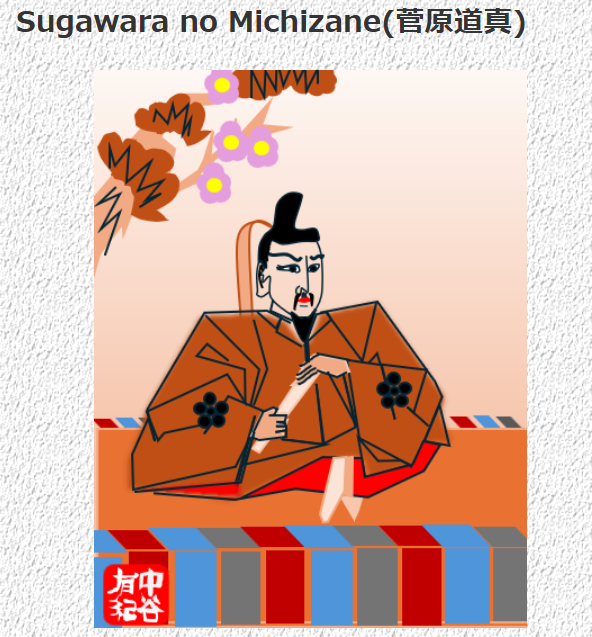
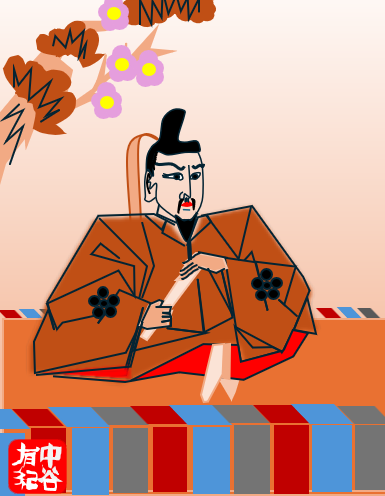
Sugawara no Michizane was so intelligent that the Emperor highly recognized his talents and promoted him to a high position in the court. However, this led to tragedy: his rivals framed him with false accusations, resulting in his exile to Kyushu, far from Kyoto, where he later passed away.
After his death, his spirit was said to have ascended into the sky and become a vengeful god of thunder, striking his rivals’ homes with fierce thunderstorms. Terrified by these disasters, the people built this shrine to appease his spirit and worship him as the deity of thunder in the year of 947.
In fact, the name “Tenjin” originally means “the God of Thunder”!
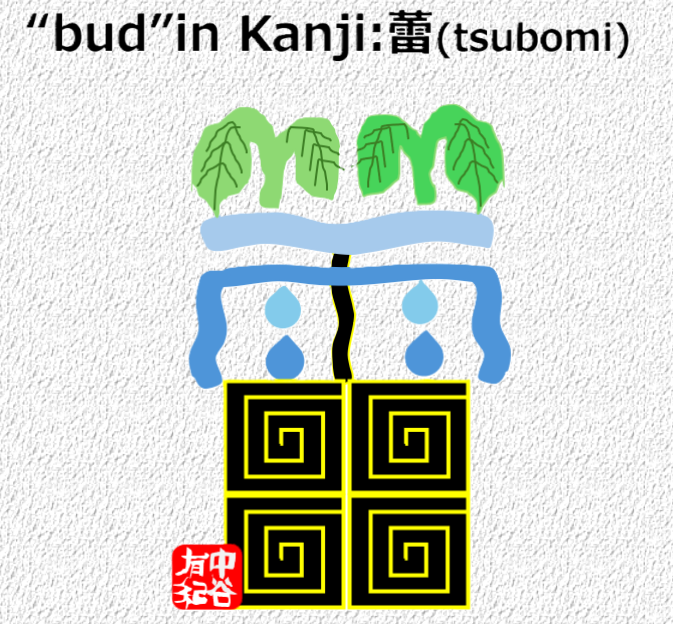

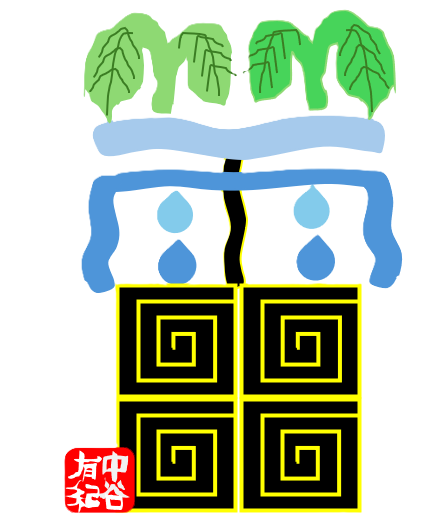
This kanji consists of two parts: the ‘grass’ radical on top, and the kanji for ‘thunderstorm’ below. So, why does this kanji mean ‘bud’? It is said that the flash of a thunderstorm resembles a flower bud bursting with bright light.
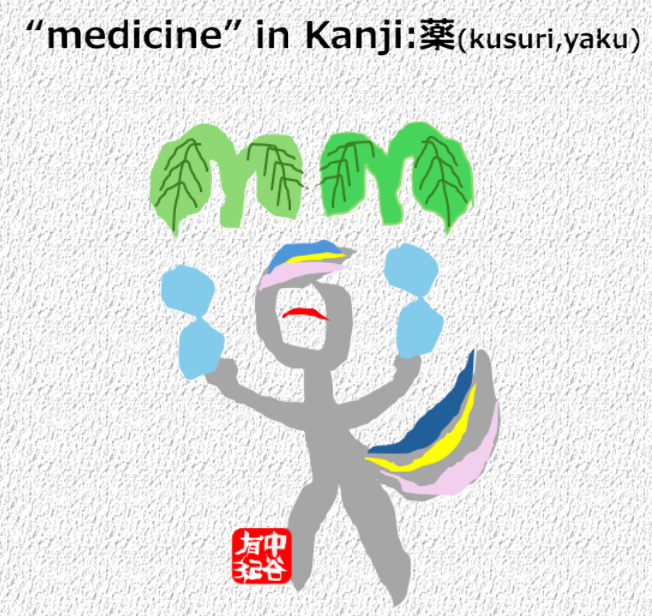

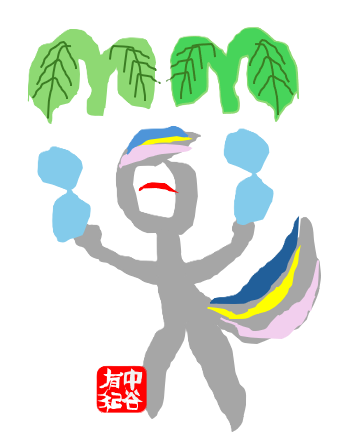
As you can see, this kanji consists of two parts: the ‘grass’ (leaf) radical on top, and a component below representing a man dancing with joy. Therefore, this kanji means ‘medicine’—something made from plants that brings happiness and relief to people.
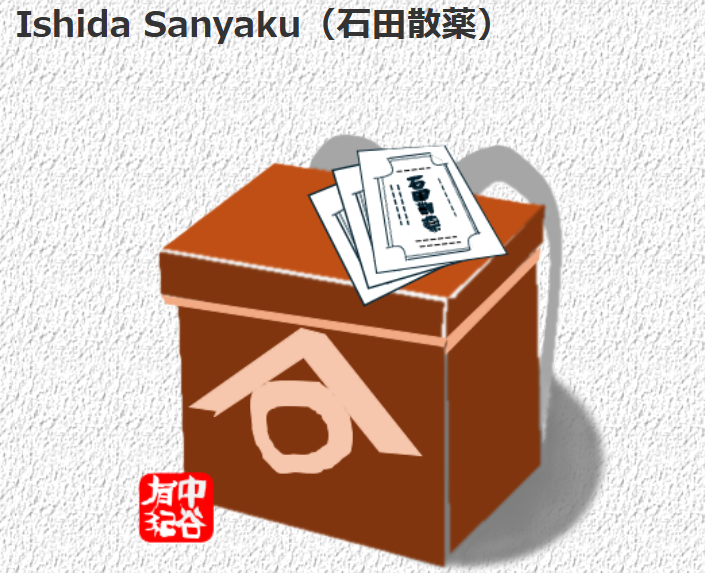
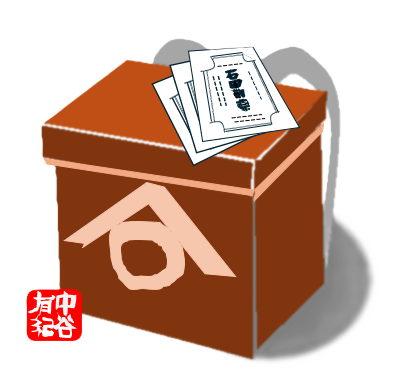
Ishida-Sanyaku, a renowned remedy for bruises and muscle aches, was created by Toshizo Hijikata’s family around 300 years ago. Back then, Ishida was a district of Yaho Village, and a young Toshizo would walk around the Yaho area selling this medicine, carrying a wooden basket on his shoulder.
| 名称 | 土方歳三資料館 |
| 所在地 | 〒191-0021 東京都日野市石田2丁目1−3 |
| Homepage | https://www.hijikata-toshizo.jp/ |
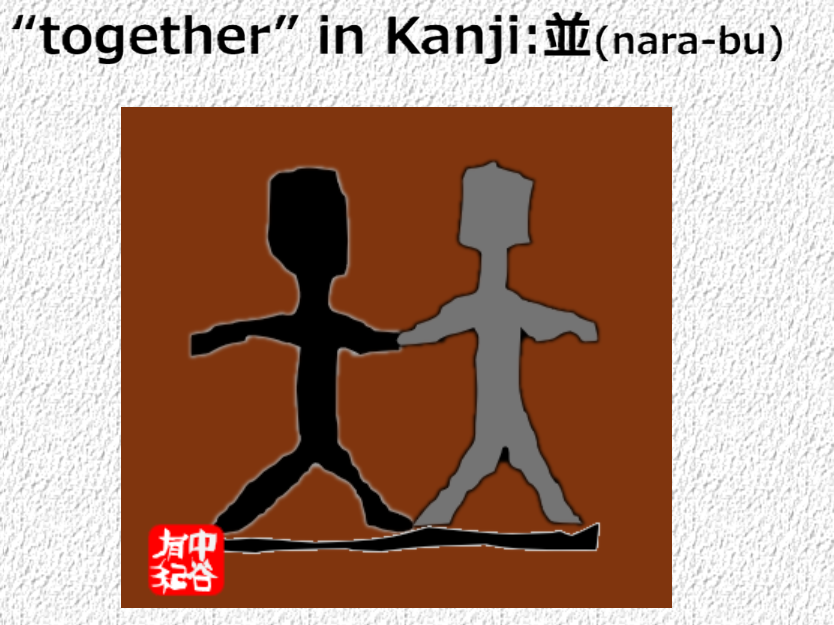

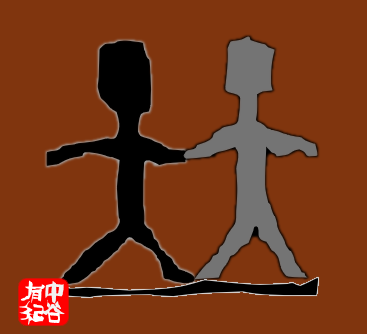
This kanji depicts two people standing side by side. So, as you can imagine, it means ‘together’ or ‘side by side.’
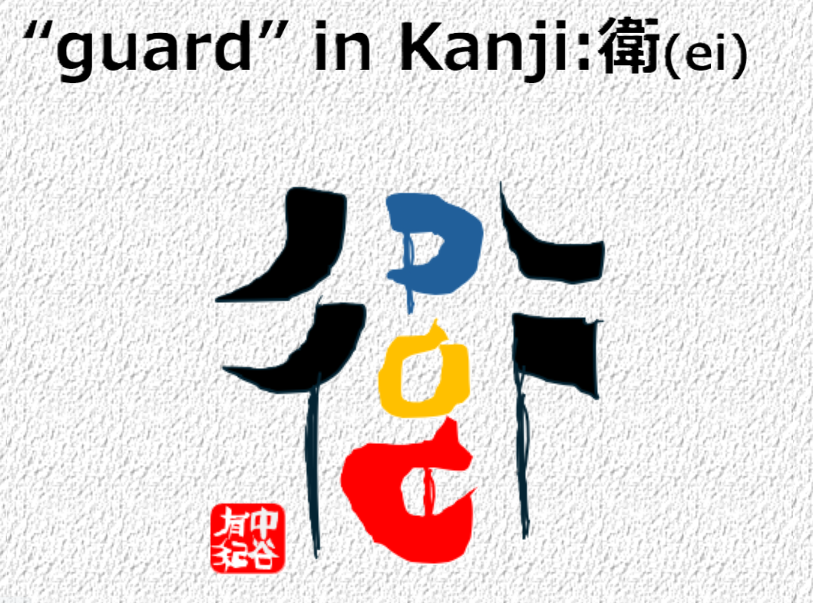

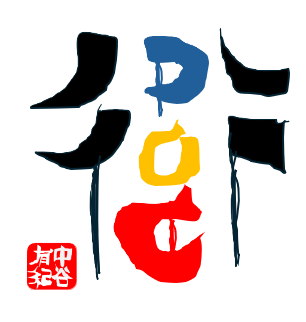
This kanji has two parts: the ‘go’ radical is divided, and inside it is a symbol for walking around a perimeter. That is why this kanji means ‘to guard’ or ‘to protect’ by patrolling the area.