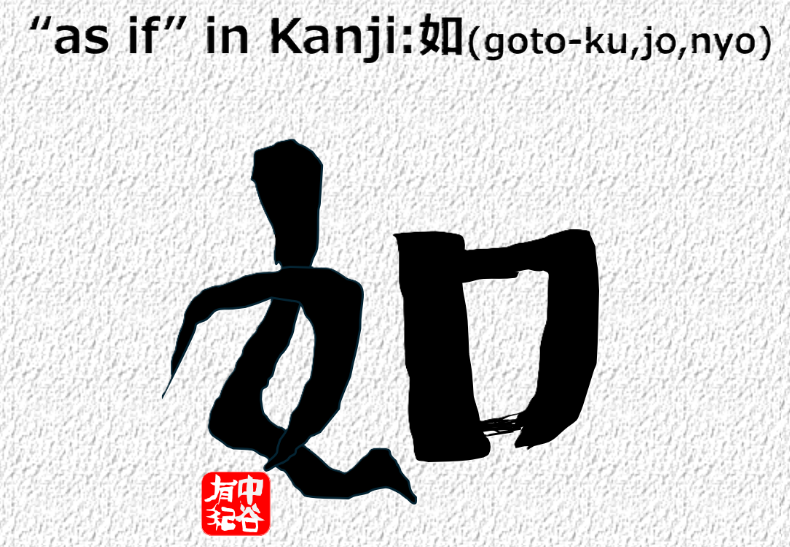

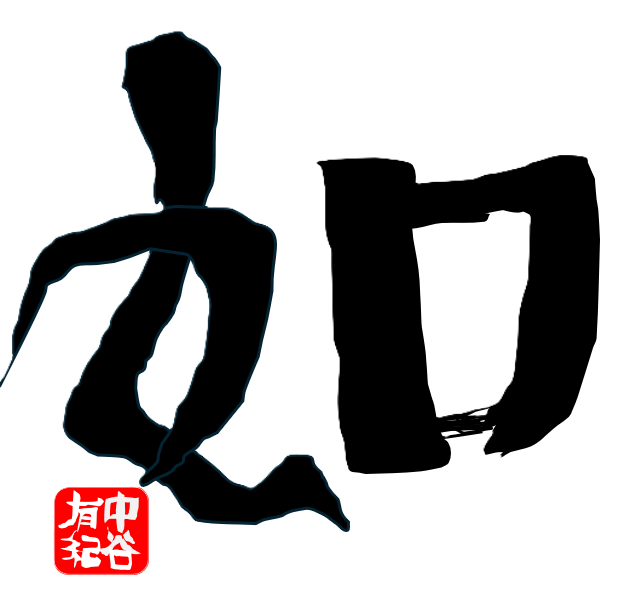
as if(如)

This kanji is made of two parts. On the left is the ‘woman’ radical, representing a female shaman kneeling in prayer. On the right is the ‘mouth’ radical, representing words received from the gods. Combined, this kanji originally depicted a shaman speaking on behalf of a deity—acting as if she were the god herself. Over time, it came to mean ‘as if’ or ‘like.’

Words & Phrases

  • 如何(ikaga):The progression of events or how a situation develops and turns out; the course of events.
  • 如雨露(jouro):Watering pot
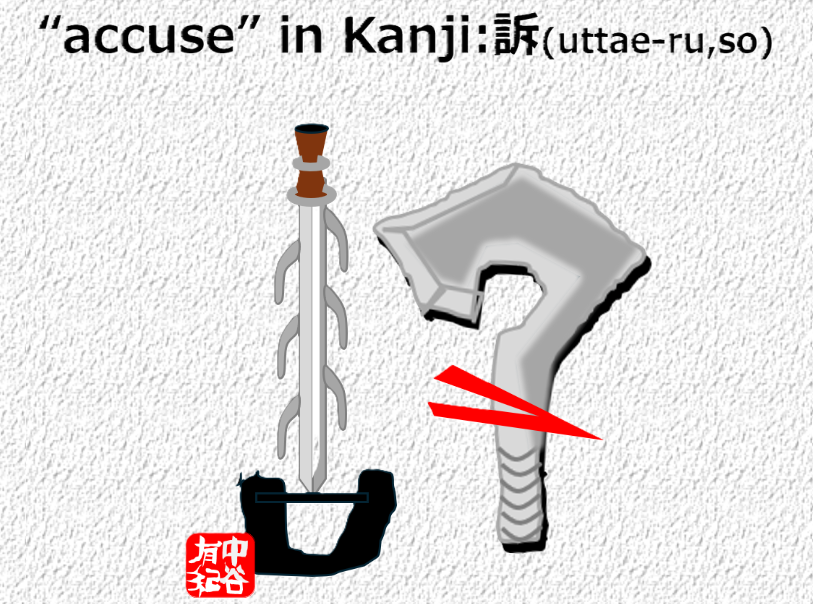
accuse(訴)

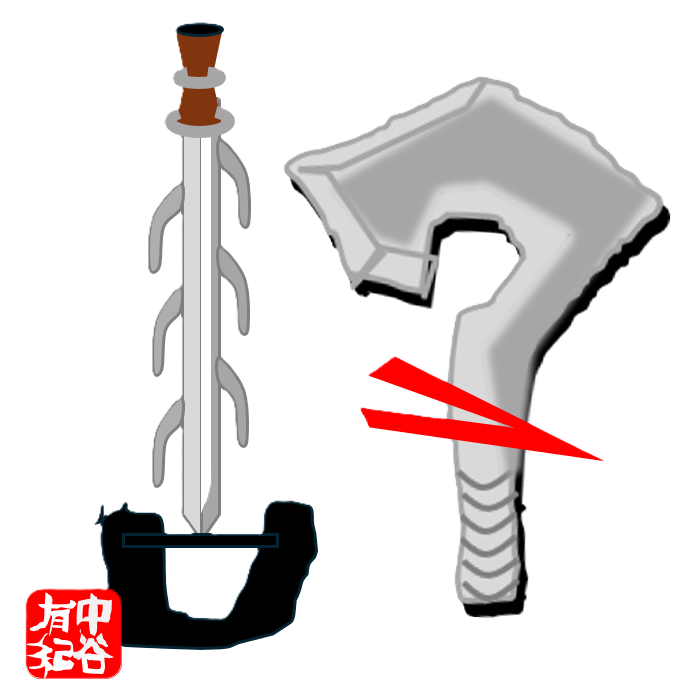
On the left side of this kanji is the ‘word’ radical, which combines a sword and a mouth to represent a sacred promise made to God. On the right is an element depicting an axe with a mark showing a reverse or repelling motion. Combined, this kanji came to mean ‘to accuse’ or ‘to voice opposition’ against an opponent.

Words &Phrases

  • 訴求(sokyu):Stimulating people’s desire to buy products or services through advertising and promotions.
  • 訴訟(soshou):Taking legal action by going to court to seek a ruling based on the law.

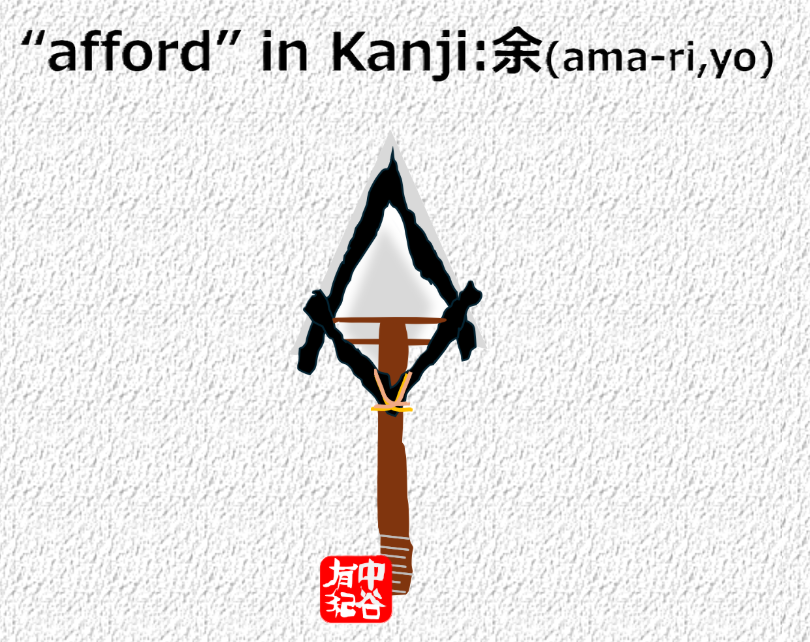
afford(余)

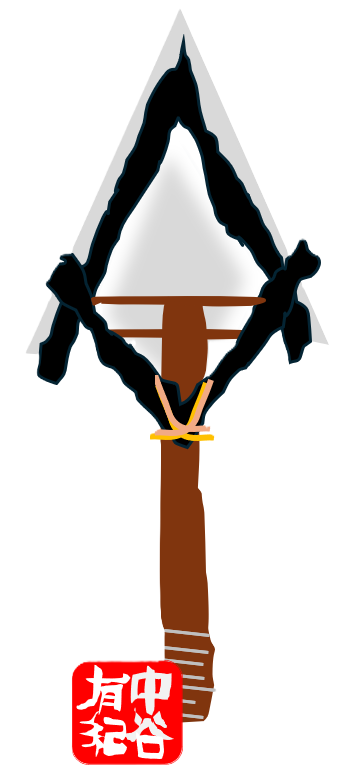
This kanji is said to depict an ancient farming tool that could dig deep into the soil and clear wide areas of land. Although exact historical details are unclear today, we know that this tool brought abundance and happiness to the people. Over time, this kanji came to represent extra space, surplus, or having enough to afford something.

Words &Phrases

  • 余韻(yoin):The lingering sound that remains after a bell is struck.
  • 余興(yokyou):A performance or party trick done to entertain guests at a banquet or gathering.
  • 余剰(yojou):What is left over after a part has been used, taken, or divided.
  • 余談(yodan):A side topic or comment that is separate from the main subject.

Related Posts

attack(攻)

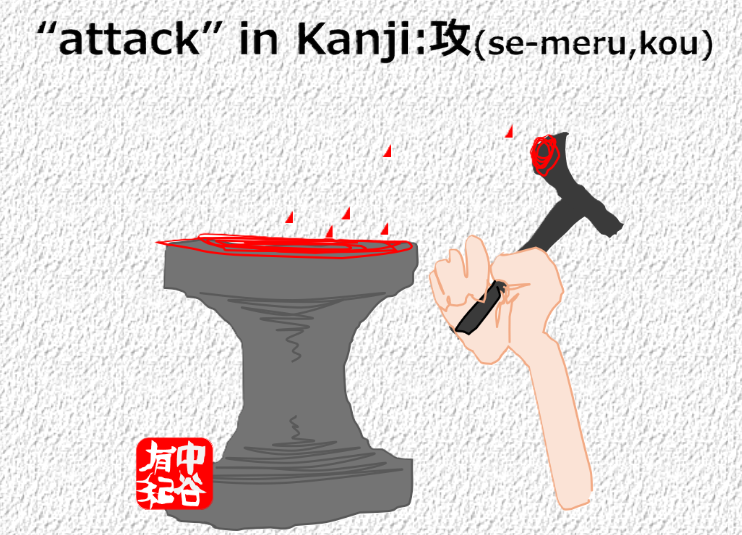
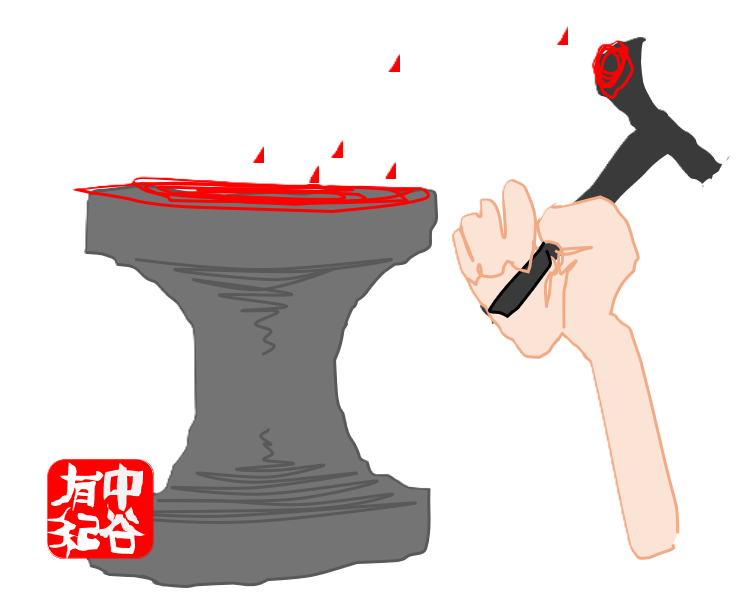
This kanji originally depicted someone using a hammer to forge something. Later, it came to mean “to craft a weapon.” By extension, it evolved to mean “to attack” or “to assault” someone, as crafting weapons ultimately leads to launching an attack.

Words &Phrases

  • 攻撃(kougeki):Attacking and striking down an enemy or opponent.
  • 攻守(kousyu):Both attacking the opponent and defending against attacks.

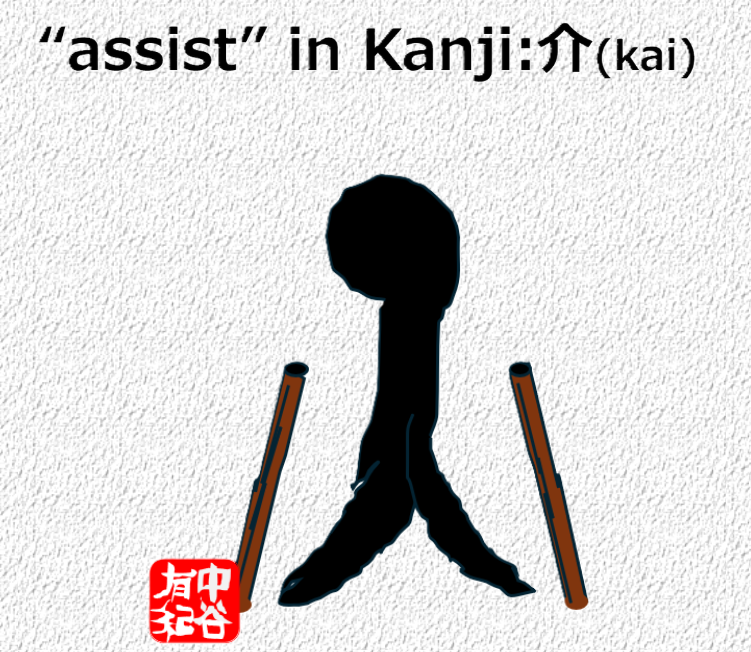
assist(介)

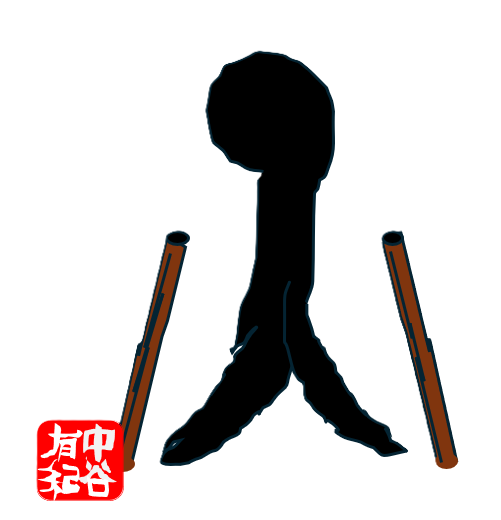
This kanji depicts a person wearing armor with protective gear on both sides. Because of this, it came to mean “to assist” or “to care for”.

Words &Phrases

  • 介護(kaigo):Providing daily assistance to the sick, the elderly, or people with disabilities who cannot take care of everyday tasks like eating, bathing, and dressing on their own.
  • 介入(kainyu):Forcing one’s way into a line, a conversation, or a space where one doesn’t belong.
  • 介抱(kaihou):Looking after and tending to sick or injured people to help them recover.

Related Posts

arrow(矢)

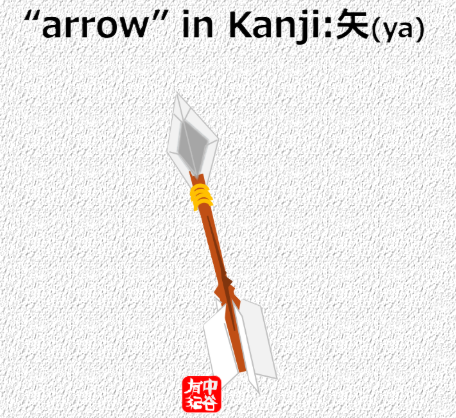
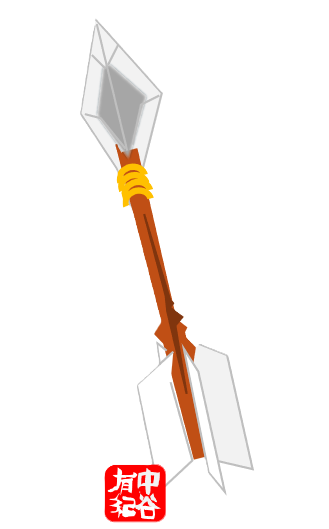
As you can see, this kanji depicts an arrow. Therefore, this kanji means ‘arrow.’ By extension, it came to be used to describe things that move fast, such as a swift river or heavy rain.

Words &Phrases

  • 矢面(yaomote):1)The direct line of incoming arrows. 2)The hot seat; a position where one bears the brunt of intense questioning or criticism.

administration(司)

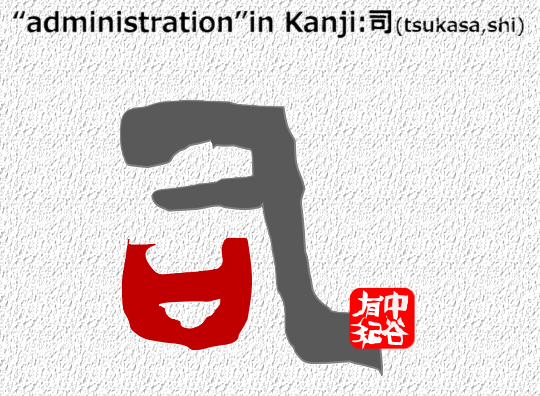
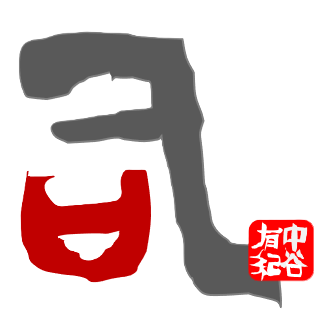
The character  is originally a mirror image of the kanji“后” (kou)that represents a person carefully listening to the words of their predecessor.

While “后(kou)” implies internal succession, this kanji means a successor who handles external affairs and public administration.Therefore, it came to mean “to govern,” “to manage,” or “an official in charge.”

Words &Phrases

  • 司会(shikai):Facilitating the proceedings of a meeting or event, or the person who serves in that role.
  • 司法(shihou):To adjudicate civil and criminal cases under the law