
as if(如)

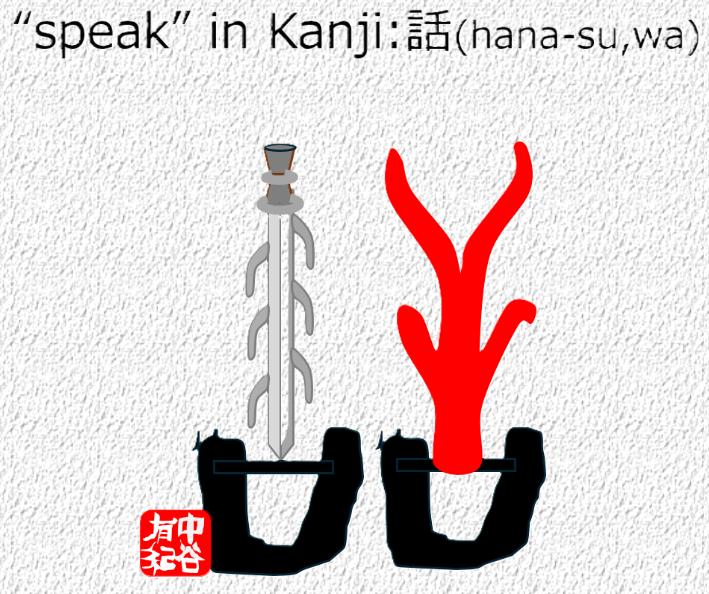
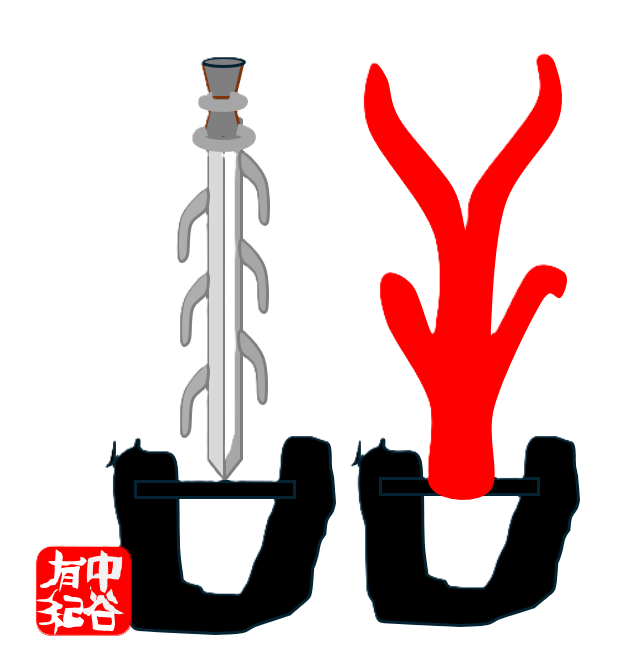
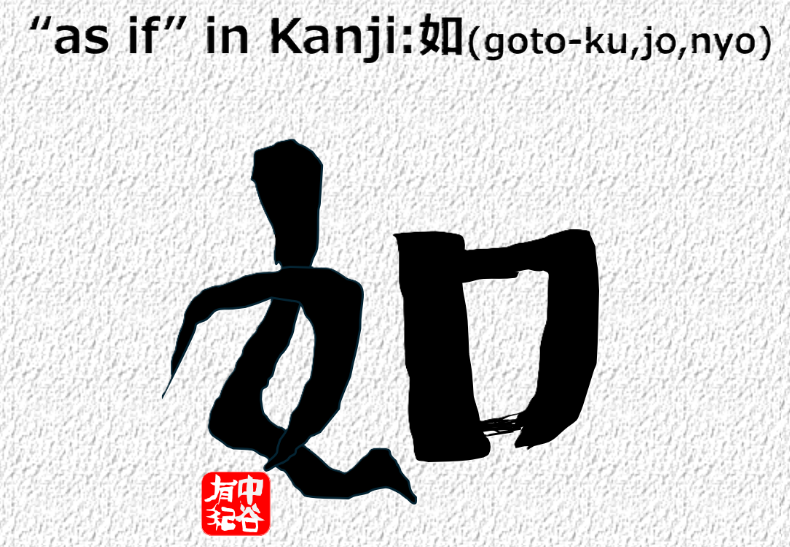
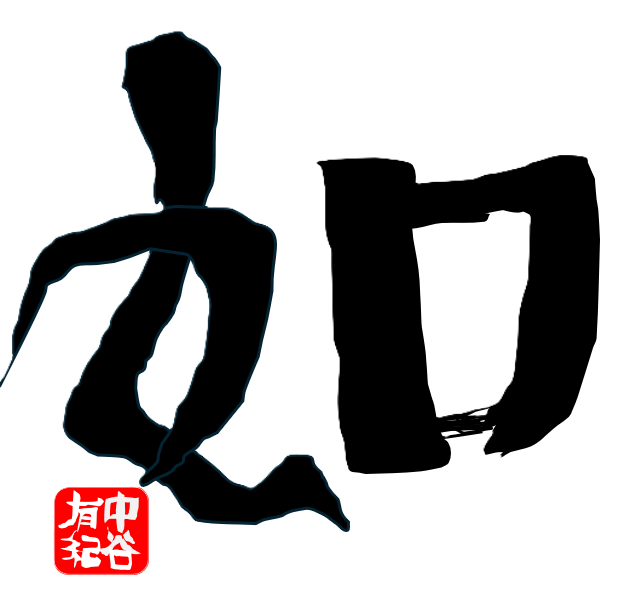
This kanji is made of two parts. On the left is the ‘woman’ radical, representing a female shaman kneeling in prayer. On the right is the ‘mouth’ radical, representing words received from the gods. Combined, this kanji originally depicted a shaman speaking on behalf of a deity—acting as if she were the god herself. Over time, it came to mean ‘as if’ or ‘like.’

Words & Phrases

  • 如何(ikaga):The progression of events or how a situation develops and turns out; the course of events.
  • 如雨露(jouro):Watering pot
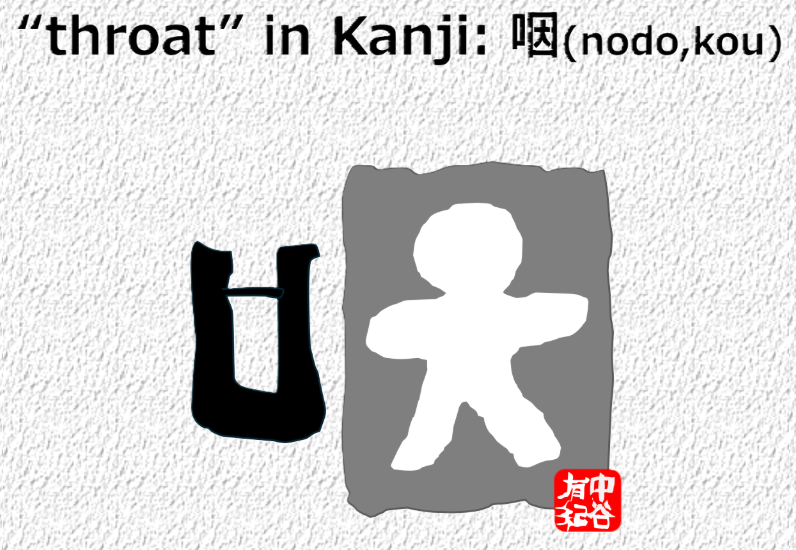
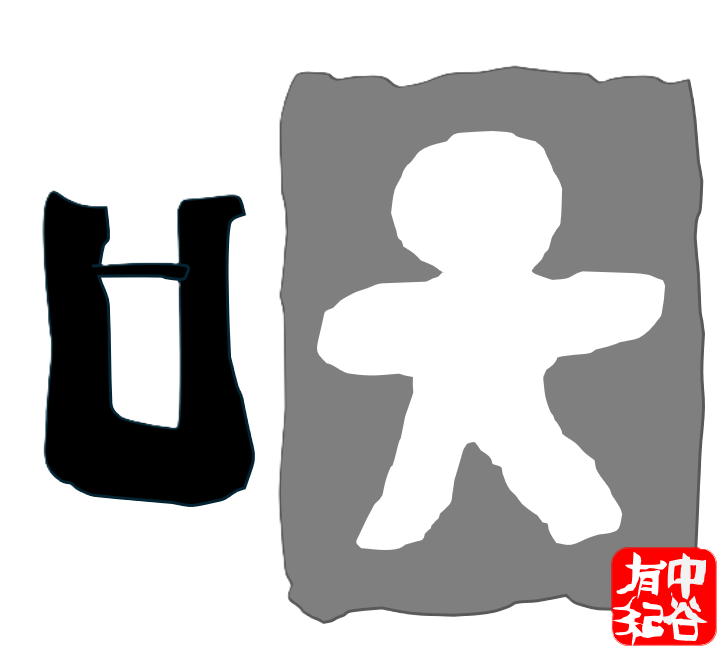
throat(咽)

This kanji is made of two parts. On the left is the ‘mouth’ radical. On the right is an element depicting a person lying down on a mat, which evolved over time to mean ‘cause,’ ‘root,’ or ‘origin.’ Combined, this kanji represents the root or deep origin of the mouth, which came to mean ‘throat.’

Words & Phrases

  • 咽喉(inkou):The throat as a whole

emotion(感)

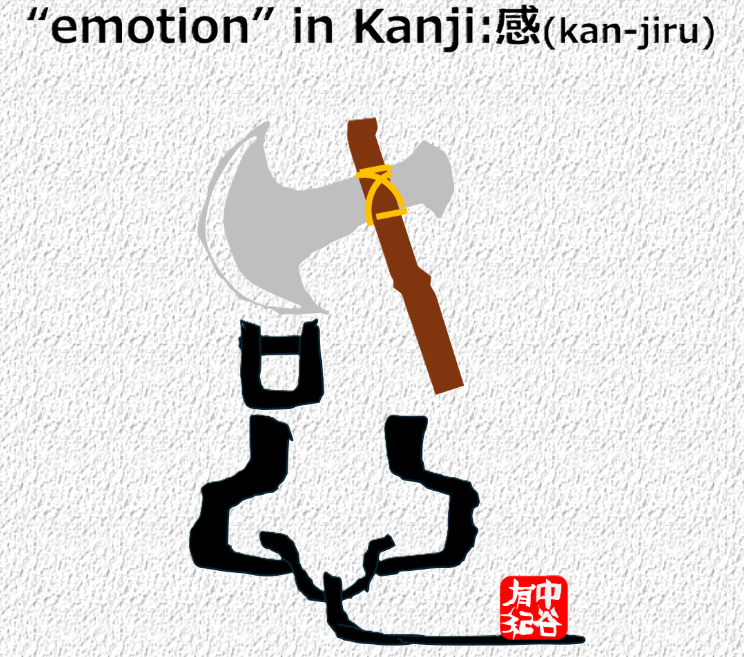
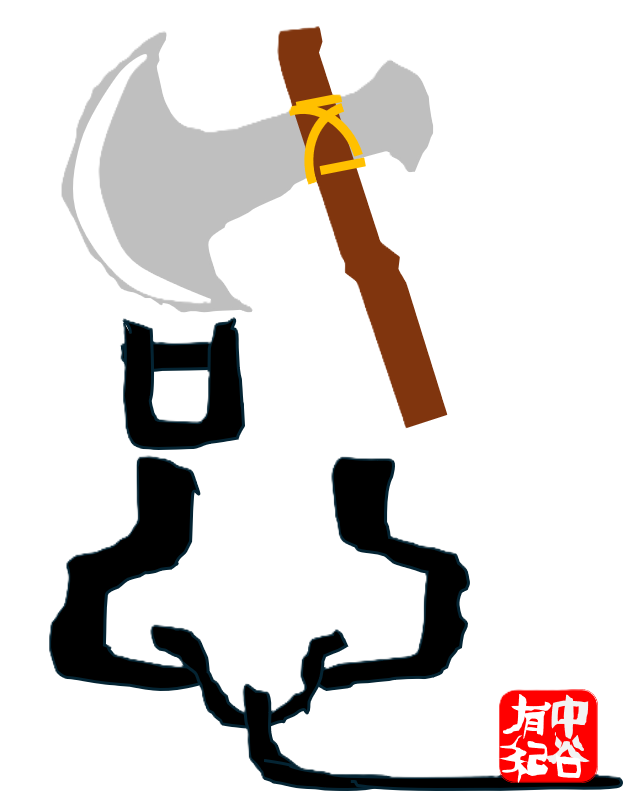
This kanji consists of three parts: a spear radical on top, a mouth radical in the middle, and a heart radical at the bottom. Combined, it depicts a heart beating fast and a mouth crying out when facing a large spear. Because of this, the kanji came to mean emotion, or feeling deeply before thinking.

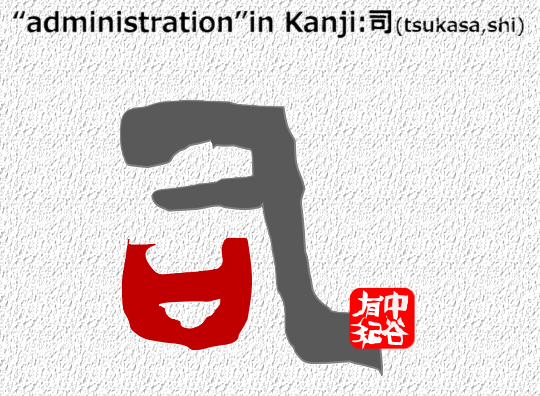
administration(司)

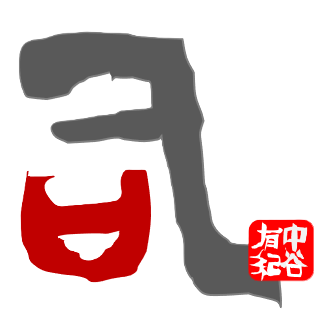
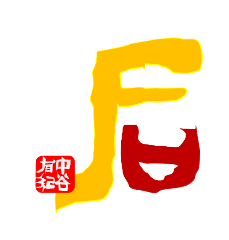
The character  is originally a mirror image of the kanji“后” (kou)that represents a person carefully listening to the words of their predecessor.

While “后(kou)” implies internal succession, this kanji means a successor who handles external affairs and public administration.Therefore, it came to mean “to govern,” “to manage,” or “an official in charge.”

Words &Phrases

  • 司会(shikai):Facilitating the proceedings of a meeting or event, or the person who serves in that role.
  • 司法(shihou):To adjudicate civil and criminal cases under the law

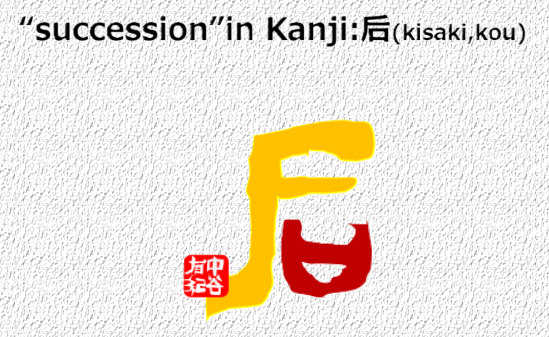
succession(后)

The Kanji originally represented a person carefully listening to the words of their predecessor.From this visual origin, its meaning evolved into “the successor who carries on the work of the founding ruler.“Later, this concept of a crucial royal successor led to its modern meaning of “queen” or “empress.”

Related Posts

suffering(苦)

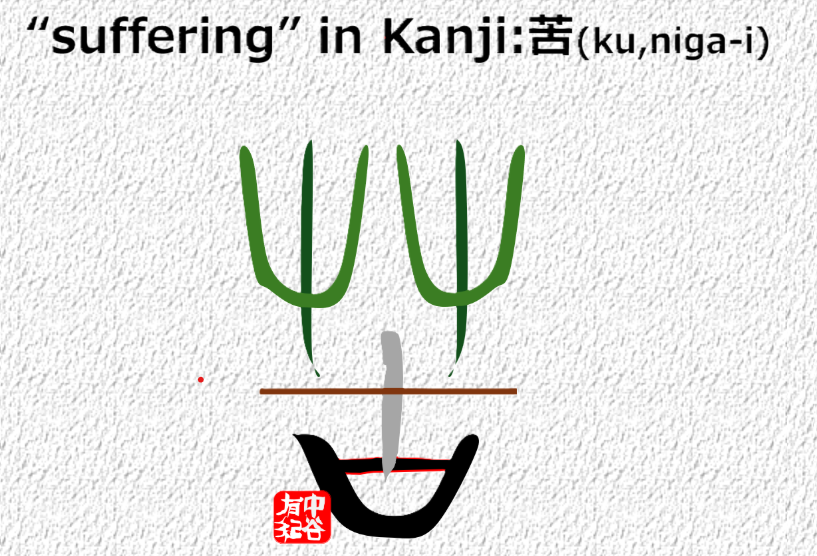
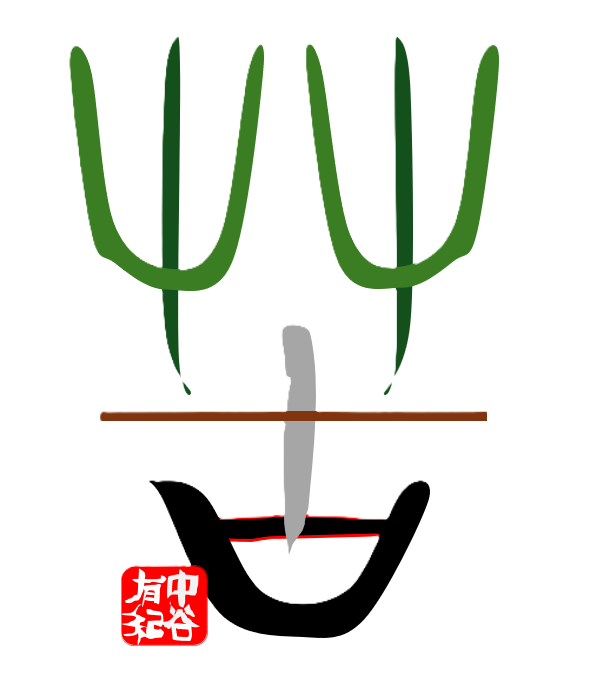
The upper radical signifies ‘plants’ or ‘leaves,’ while the lower component depicts a mouth stimulated by a harsh taste, meaning ‘bitter.’ Consequently, the kanji represents ‘bitterness’ and, by extension, ‘suffering.’ As the old proverb goes, ‘Pain is inevitable, suffering is optional.