Shishi-mai(獅子舞)

Every September, Yaho Tenmangu Shrine hosts its grand annual festival, known as ‘Reitaisai.’ The celebration comes alive with traditional cultural performances, including the dynamic lion dance (Shishi-mai), powerful Japanese drumming, and much more.

Where is Yaho?

Where is Yaho?

Town

Town

Culture

Culture

Nature

Nature

Yabo Tenmangu

Yabo Tenmangu

History

History


Related Posts

Komainu(狛犬)

These two wooden guardian dog sculptures are located in Yabo Tenmangu. Because of their profound importance to Japanese heritage, these statues are protected by the government and hold the distinction of being designated as Japan’s first national treasures.

Where is Yaho?

Where is Yaho?

Town

Town

Culture

Culture

Nature

Nature

Yabo Tenmangu

Yabo Tenmangu

History

History

Yabo Tenmangu(谷保天満宮)

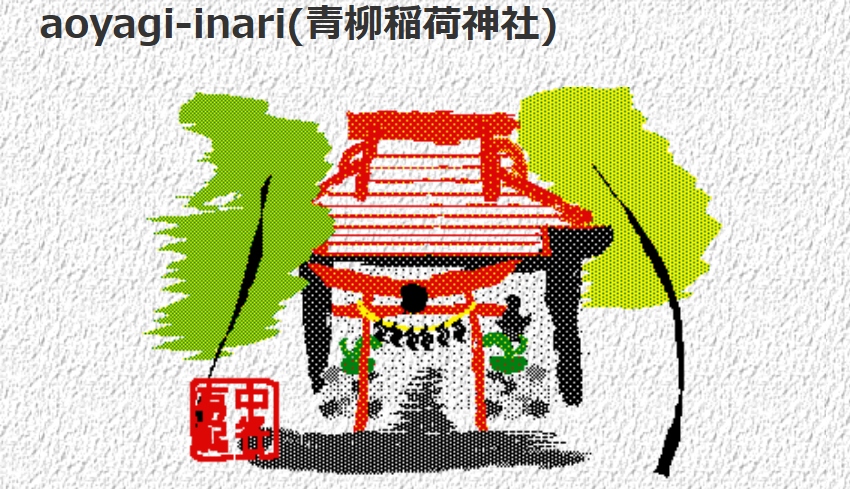
Yabo Tenmangu is a historic shrine with roots dating back to the 13th century. It is widely believed that those who visit this sacred space are blessed with the power of knowledge, as it serves as the home to a revered God of education.

SideStory1:The Secret Link Between “Yabo Ten” and a Famous Japanese Slang(野暮天は谷保天?)

ー江戸っ子が好んで使ったこの「やぼてん」という侮蔑語ー実はここ谷保天満宮がその起源といわれています。江戸時代、てもと不如意の谷保村・天満宮が、目白で本尊を市民に公開し、そこで寄付金を募ったところ、これを見ていた当時の狂歌の太田屬人が一首『神ならば出雲の國へ行くべきに、目白で開帳やぼのてんじん』と詠んだことにはじまる。以来この言葉は広辞苑にもなるほどの有名な俗語になってしまったのです。 

ーHave you ever heard the Japanese word “Yaboten”? In standard dictionaries like the Kojien, it is a well-known, old-fashioned slang word used to mock someone who is incredibly “uncool,” “unrefined,” or lacking in fashion sense (similar to calling someone a “country bumpkin” or “hopelessly out of touch”).

Surprisingly, this famous insult from the Edo period is said to have originated right here at Yaho Tenmangu Shrine!

Back in the Edo era, Yaho Village and its shrine found themselves desperately short on funds. Hoping to raise donations from wealthy Tokyoites, the priests packed up their sacred treasures and traveled to the bustling district of Mejiro in central Edo (modern-day Tokyo) to host a special public exhibition.

Watching this display, the legendary and witty Edo satirical poet, Ota Shokuzan, couldn’t resist poking fun at them. He brushed a famous, biting poem:

“If you were a true God, you should have traveled to the grand province of Izumo… yet here you are, hosting a side-show in Mejiro, you country-bumpkin Tenjin of Yaho!”

(Note: This was a brilliant multi-layered pun in Japanese, playing on the word “Yabo,” which means both the place name Yaho and the word for “uncool/rustic.”)

Word traveled fast. Thanks to the Edo people’s love for sharp-tongued humor, the shrine’s nickname “Yabo-Ten” quickly morphed into the popular slang “Yaboten” to describe anything hopelessly unrefined. It is a delightfully human, cheeky piece of local history hidden behind the serene beauty of the shrine today!

SideStory2:The Mystery of the Descending Path: Why Does the Shrine Go Down?(なぜ参道が下がっていくのか?)

ーふつう神社の社殿は平地より高いところにあるものですが、なぜか谷保天神の参道は階段をおりていきます。これは谷保天満宮の社殿が建立された当時は、甲州街道が境内の南側を通っていたため。現在の甲州街道は江戸時代からで、徳川家康が関ケ原の合戦の記念につくったという説があります。ちなみにこのように社殿が平地よち低い位置にある神社は日本広しといえどもここだけだそうです。

Usually, when you visit a Japanese shrine, the main hall sits high upon a hill or elevated ground. However, at Yaho Tenmangu, you will experience something incredibly rare: the sacred path actually leads down a flight of stairs to reach the main hall. In fact, it is said that this is the only shrine in all of Japan to feature such a unique, sunken structure.

The secret behind this mystery lies in the shifting lines of history and transportation.

When the shrine was originally built, the ancient Koshu-kaido (the main highway) ran along the south side of the grounds, down in the lower valley area near the river. Therefore, coming from the old highway, visitors naturally walked up into the shrine.

However, during the Edo period, the dynamic leader Tokugawa Ieyasu shifted the entire highway northward to its current location—a massive civil project rumored to commemorate his monumental victory at the Battle of Sekigahara. Because the main road moved to the higher ground on the north side, the modern entrance now forces us to walk down into the historic, lower sanctuary.

SideStory3:The Secret of the Plum Grove: Why Does the Shrine Bloom with Umé?(梅林があるのはなぜ?)

ー天神様となった菅原道真は梅花を愛し、数々の歌や詩に詠んでいます。中でも太宰府に流された時に、梅に別れを惜しんで詠んだ“東風吹かば、匂いおこせよ梅の花 あるじなしとて春な忘れそ”の和歌は有名です。谷保天満宮の境内に紅白約100本以上の梅があるのはこのためです。

ーSugawara no Michizane, the revered scholar who became the Deity of Learning (Tenjin), possessed a profound love for plum blossoms (Umé), leaving behind countless poems dedicated to their beauty.

Among his works, his most legendary poem was written in a moment of heartbreak, just as he was being unjustly exiled from the capital to distant Dazaifu. Saying a painful farewell to his beloved plum tree, he brushed these famous lines:

“When the eastern wind blows, send your fragrant scent across the land, oh plum blossoms. Even though your master is gone, never forget the spring.”

It is said that the tree loved him so deeply in return that it miraculously flew through the air in a single night to follow him to his place of exile—a legend known as the “Flying Plum” (Tobiume).

To honor this eternal bond between the God of Learning and his sacred blossoms, the grounds of Yaho Tenmangu are adorned with over 100 brilliant red and white plum trees, filling the air with their sweet fragrance every spring.

名称谷保天満宮
所在地〒186-0011 東京都国立市谷保5209
Homepagehttps://www.yabotenmangu.or.jp/

Where is Yaho?

Where is Yaho?

Town

Town

Culture

Culture

Nature

Nature

Yabo Tenmangu

Yabo Tenmangu

History

History


Sakura(桜)

Every spring, over a hundred cherry trees on Daigaku and Sakura streets blossom simultaneously. The trees on Daigaku Street are notably older and taller than those on Sakura Street, offering a beautiful contrast in their maturity and size.

SideStory:The Cherry Blossoms of Daigaku-dori(大学通りの桜)

**関栄一さん→
春 あたり一面をピンク色に染めてしまう大学通りの桜並木。今ではすっかり桜の名所にとなり、多くの人を楽しませてくれる。でも、この桜がいつ頃植えられたものなのか、知っている人はほとんどいないでしょう。あの桜並木は昭和9年頃から10年ころにかけて、当時の国立会が植樹したのものです。谷保村青年団国立支部にいて、木の成長を助けるために根本の草取りなどの作業にあたった関栄一さんに伺うと「あの頃の大学通りは石ころの多い道で、両側はずっと雑木林が続いていたな」とのこと。そして笑いながら「全部ソメイヨシノを植えたつもりだったが、花が咲いたら、ヤマザクラがあったな」と当時を思い出していらっしゃいました。樹齢は65年余、もうすでに枯れかかってきたものもあります。くにたちのまちの代名詞となっている大学通りの桜並木、次の世代へ桜を引き継いでいく時期に来たようです。

出典:第19回くにたちさくらフェスティバル実行委員会「桜を植えた男たち」(1996年)より

In spring, the cherry blossom trees along Daigaku-dori dye the entire area in a beautiful pink. Today, it has become a famous cherry blossom spot that brings joy to many people. However, few people probably know when these trees were planted.Those trees were planted around 1934 to 1935 by a local group called the “Kunitachi-kai.” We spoke with Mr. Eiichi Seki, who was a member of the Yaho Village Youth Association’s Kunitachi branch back then. He used to clear weeds around the roots to help the trees grow. “Back in those days, Daigaku-dori was just a rocky road, and thick woods stretched out on both sides,” he recalled. He then added with a laugh, “We thought we had planted only Somei-Yoshino trees, but when they bloomed, we realized some Yamazakura (wild cherry blossoms) were mixed in!”These trees are now over 65 years old, and some are already beginning to wither. As the symbol of Kunitachi, the time has come for us to pass these beautiful cherry blossoms down to the next generation.

Source: From “The Men Who Planted the Cherry Blossoms” (1996) by the 19th Kunitachi Sakura Festival Executive Committee


Where is Yaho?

Where is Yaho?

Town

Town

Culture

Culture

Nature

Nature

Yabo Tenmangu

Yabo Tenmangu

History

History

Jouya-tou(常夜灯)

Along the historic Koshu Kaido highway and its surrounding areas, you can still find several Joyato, which are traditional Japanese stone lanterns. In the past, local residents shared a beautiful custom: every night, they would take turns walking to these lanterns to light a candle inside. This fire served a dual purpose—not only did it illuminate the dark roads for travelers, but it was also deeply believed that the sacred flame would bring divine protection to the community.

名称上谷保の常夜灯
所在地〒186-0011 東京都国立市谷保6208−2
Where is Yaho?

Where is Yaho?

Town

Town

Culture

Culture

Nature

Nature

Yabo Tenmangu

Yabo Tenmangu

History

History


Related Posts

Sakura-Street(さくら通り)

Stretching two kilometers from west to east, Sakura Street is lined with cherry trees on both sides. Because it is narrower than Daigaku Street, the trees stand closer together, creating a spectacular tunnel of cherry blossoms across the sky every spring.

SideStory:The Cherry Blossoms of Sakura-dori(さくら通りの桜)

**鈴木正男さん
「そうだな あの頃の富士見台はなんにも無かった」桜の木を植えた造園業「植繁」の鈴木正男さんは、当時を思い目を細めながら話しはじめました。「まだ郵便局もなかったし、まわりは桑畑や原っぱがずっと続き、まるで畑の中に木を植えているみたいだったな」1969年富士見台団地の入居に合わせ、市道の両脇に209本の「ソメイヨシノ」が植えられました。それが今では、春になると淡いピンクの花のトンネルとなり、大学通りの桜並木とともにすっかり桜の名所となっています。鈴木さんは、自分が植えた桜の木を見上げ、「腕よりも細かったのが、こんなに太くなって、いっぱい花を咲かせてくれるのでうれしいね」と両手で抱えきれないほど大きくなった幹を撫でていました。桜の樹齢は45年余、今が盛り、今年の大いにみんなの目を、そして心を楽しませてくれそうです。 

出典:第19回くにたちさくらフェスティバル実行委員会「桜を植えた男たち」(1996年)より


“That’s right. Back then, there was absolutely nothing in Fujimidai.” Mr. Masao Suzuki started his story with a warm smile as he looked back on the past. He runs “Ueshige,” the landscaping business that planted the cherry trees. “There wasn’t even a post office yet. The area was just a long stretch of mulberry fields and open fields. It felt like we were planting trees right in the middle of a farm.” In 1969, to match the opening of the Fujimidai apartment complex, 209 Somei-Yoshino cherry trees were planted along both sides of the city road. Today, every spring, they form a beautiful tunnel of pale pink blossoms. Along with the trees on Daigaku-dori, it has become a famous cherry blossom spot. Looking up at the trees he planted, Mr. Suzuki gently stroked a trunk that had grown too wide to hold in his arms. “They used to be thinner than my arm,” he said happily. “I am so glad to see them grow this big and bloom so beautifully.” These trees are now over 45 years old and are currently in full bloom. This year again, they will surely delight everyone’s eyes and touch their hearts.

Source: From “The Men Who Planted the Cherry Blossoms” (1996) by the 19th Kunitachi Sakura Festival Executive Committee


Where is Yaho?

Where is Yaho?

Town

Town

Culture

Culture

Nature

Nature

Yabo Tenmangu

Yabo Tenmangu

History

History

French Street Lamp(フレンチランプ)

There is a refined, classy atmosphere to Kunitachi City. Just to make the local streets more fashionable, over a hundred antique street lamps were imported from Paris, France. Now, these historic lamps stand as one of the city’s most distinctive landmarks.

Where is Yaho?

Where is Yaho?

Town

Town

Culture

Culture

Nature

Nature

Yabo Tenmangu

Yabo Tenmangu

History

History

Daigaku Street in Xmas(Xmas)

Come Christmas time, these cherry trees on both sides turn into giant, brilliantly illuminated holiday trees!

Where is Yaho?

Where is Yaho?

Town

Town

Culture

Culture

Nature

Nature

Yabo Tenmangu

Yabo Tenmangu

History

History

Daigaku Street(大学通り)

As a major landmark of Kunitachi City, Daigaku Street stretches south for two kilometers from Kunitachi Station to Yaho Station. Its impressive 44-meter width dates back to the early Showa era, when it was actually used as an airfield runway for planes flying to Karuizawa in Nagano Prefecture. The name ‘Daigaku’ means ‘University,’ directly inspired by the presence of Hitotsubashi University.

SideStory:University Avenue Was Once an Airplane Runway!(「大学通りは滑走路だった。」)

ー広い大学通りは飛行機の滑走路でした。大正時代の後半、箱根土地開発株式会社(現・国土計画)はこの国立の他にも、当時軽井沢の別荘地分譲を手掛けていて、そのお客様に対するサービスとして、国立と軽井沢を結んで一日一回、飛行時間30分の定期航空路を開いていました。使用する飛行機は、陸軍から払い下げてもらった単葉機。その飛行機は箱根土地開発本社(現在の多摩信用金庫国立支店)の裏においてあり、谷保の子供にとっては羨望の的でした。

ーDid you know that the wide and beautiful University Avenue (Daigaku-dori) was originally designed to double as an airplane runway?

In the late Taisho era, the innovative Hakone-Tochi Development Company was simultaneously developing the high-class resort area of Karuizawa, alongside this new town of Kunitachi. As a premium and futuristic service for their wealthy clients, the company launched a daily scheduled flight connecting Kunitachi and Karuizawa, cutting the travel time down to just a 30-minute flight!

The aircraft they used was a vintage monoplane decommissioned and purchased from the Imperial Japanese Army. When it wasn’t soaring through the skies, the airplane was parked right behind the Hakone-Tochi headquarters (where the Kunitachi branch of the Tama Shinkin Bank stands today). For the local children of Yaho, this real-life flying machine parked right in their neighborhood was the ultimate object of envy and wonder. 


Where is Yaho?

Where is Yaho?

Town

Town

Culture

Culture

Nature

Nature

Yabo Tenmngu

Yabo Tenmangu

History

History


Related Posts

kunitachi station(国立駅)

This is Kunitachi Station, boasting a lovely pink hue reminiscent of Kunitachi’s springtime cherry blossoms.

SideStory:Who on Earth Will Get On or Off Here?(『国立駅だれが乗るやら降りるやら』)

ー赤いかわらのトンガリ屋根、ベージュ色の壁に設けられた大きな明かり窓。大正15年4月に開業した当時、東京でも1、2を誇るモダンな駅舎でした。箱根土地開発(現 国土計画)がこの駅舎をふくめこの地を宅地開発し、当時の一区画200坪で分譲されました。野外音楽堂も造られ、週末にはクラシックの演奏会などが催される学園都市が出現しました。開業当時「だれが乗るやら降りるやら」と新聞に書かれた田舎駅も、今では一橋大学や桐朋学園の学生たちを含めて一日10万人以上利用するようになりました。

ーWith its iconic pointed red-tiled roof and a large, elegant skylight set into beige walls, the original Kunitachi Station was a architectural marvel. When it first opened its doors in April 1926, it proudly stood as one of the most stylish and modern railway stations in all of Tokyo.

The area was developed by the Hakone-Tochi Development Company, which divided the land into generous residential lots of about 660 square meters (200 tsubo) per family. They even built an outdoor music hall where classical concerts echoed on weekends, giving birth to a high-class, European-style university town.

In its earliest days, surrounded by quiet fields, a local newspaper jokingly mocked the remote station, writing: “Kunitachi Station—who on earth will ever get on or off here?”

Today, that cynical joke has been completely rewritten. Fueled by the vibrant energy of students from the prestigious Hitotsubashi University and Toho Gakuen, this once-lonely country station has blossomed into a bustling landmark, now serving over 100,000 passengers every single day.

名称国立駅
所在地〒186-0001 東京都国立市北1丁目

Where is Yaho?

Where is Yaho?

Town

Town

Culture

Culture

Nature

Nature

Yabo Tenmangu

Yabo Tenmangu

History

History

History

History


Related Posts