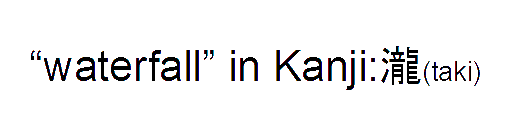
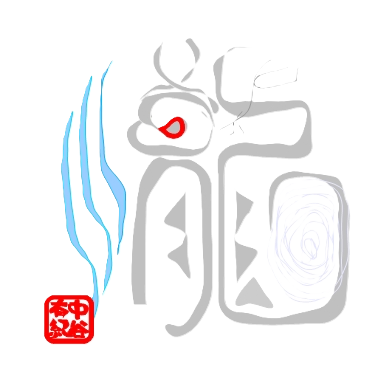
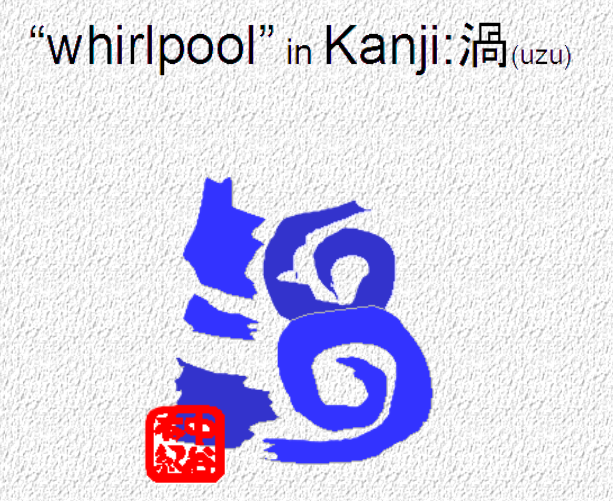
When seeing a massive waterfall, ancient people imagined a majestic dragon charging up into the sky, viewing it as the very avatar of a god. This character consists of two parts, beautifully embedding the symbol of that dragon on the right side.
The short story of Kanji pictures
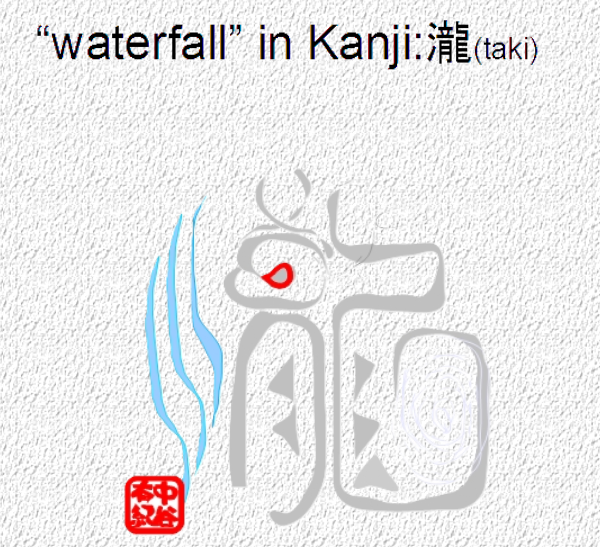
When seeing a massive waterfall, ancient people imagined a majestic dragon charging up into the sky, viewing it as the very avatar of a god. This character consists of two parts, beautifully embedding the symbol of that dragon on the right side.
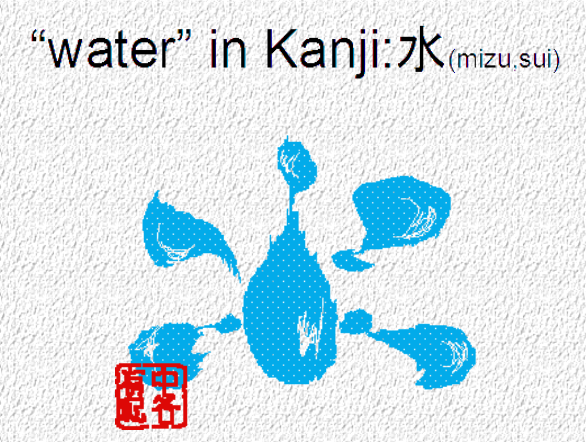
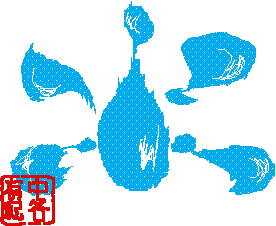
This character is beautifully simple, capturing only the dynamic outline of a water splash. Yes, true to its fluid form, this is the character that means ‘water’!
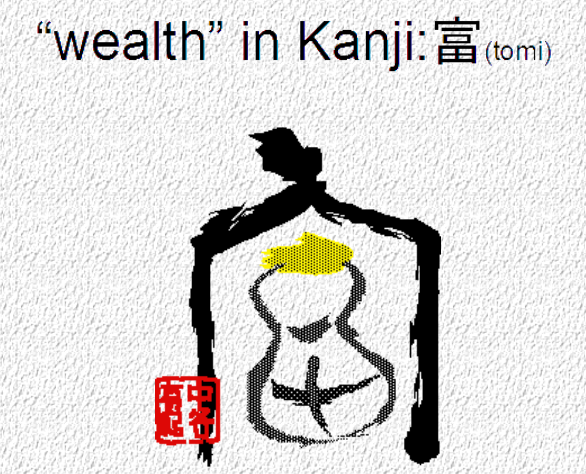
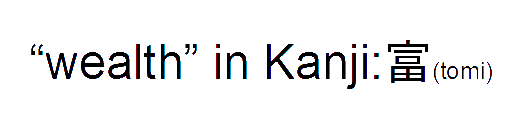
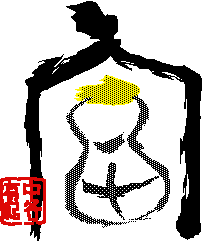
In this figure, you can see a large bottle resting beneath a grand roof. Just as you might imagine, that bottle is filled with a treasure trove of money. In ancient times, this is exactly how people saved their wealth. Therefore, this character remains the ultimate symbol for ‘wealth’ even today.


Words expressing destinations or directions are believed to have originated in primitive times. This character means ‘west,’ as it portrays a bird resting in its nest—signifying the place where they fly back to when the sun goes down.


This character means ‘way’ or ‘road.’ It depicts the scene of a person walking along a long path.


This kanji symbolizes a powerful presence that we cannot see with our own eyes—WIND. The outer framework of this character represents a ship’s MAST catching the breeze from behind, and right in the center, you can find an INSECT that awakens and appears with the arrival of the warm spring wind.