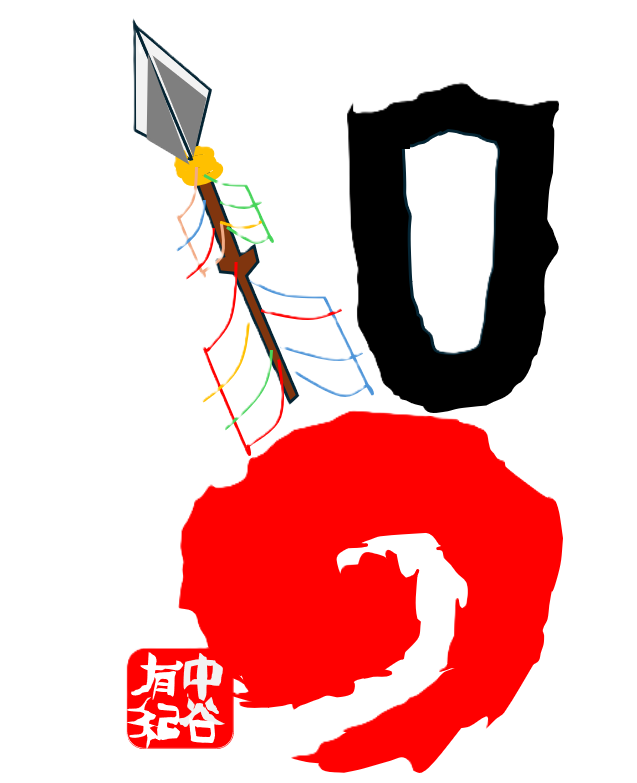
The upper section means “knowledge” (understanding words instantly, like an arrow). The bottom section is the sun. Together, the kanji represents applied, practical knowledge rather than pure logic or theory.
The short story of Kanji pictures
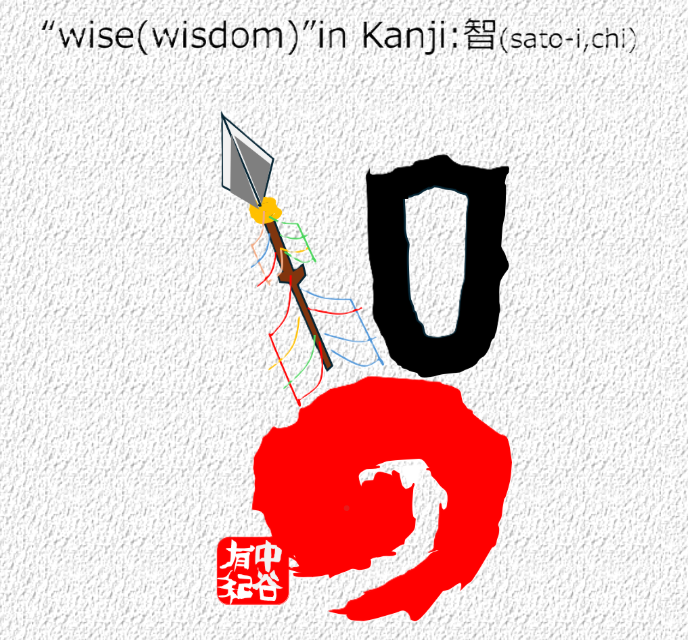
The upper section means “knowledge” (understanding words instantly, like an arrow). The bottom section is the sun. Together, the kanji represents applied, practical knowledge rather than pure logic or theory.
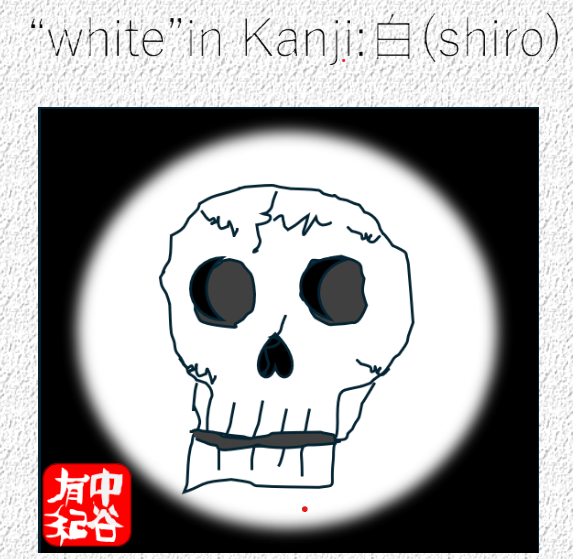

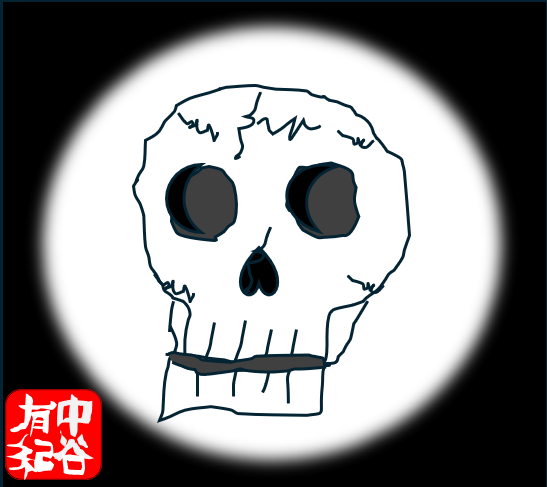
This kanji depicts a human skull. Because bones are white, it carries the meaning of the color ‘white’.
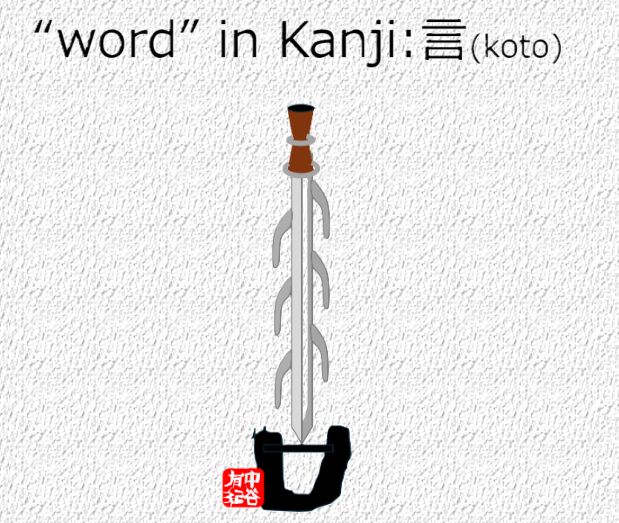

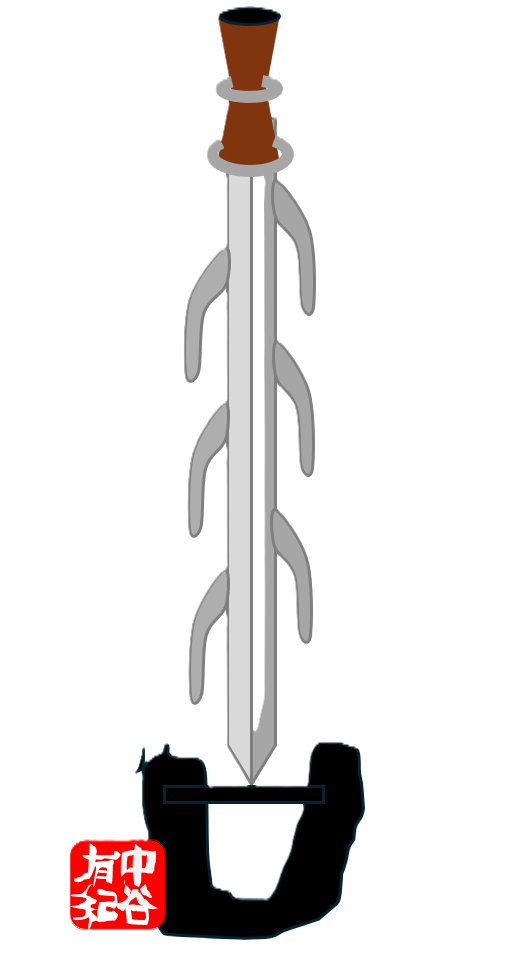
This kanji shows a sword and a mouth. It means, ‘I promise to God to tell the truth. If I break this promise, punish me with this sword.’ That is why this kanji represents ‘words’.
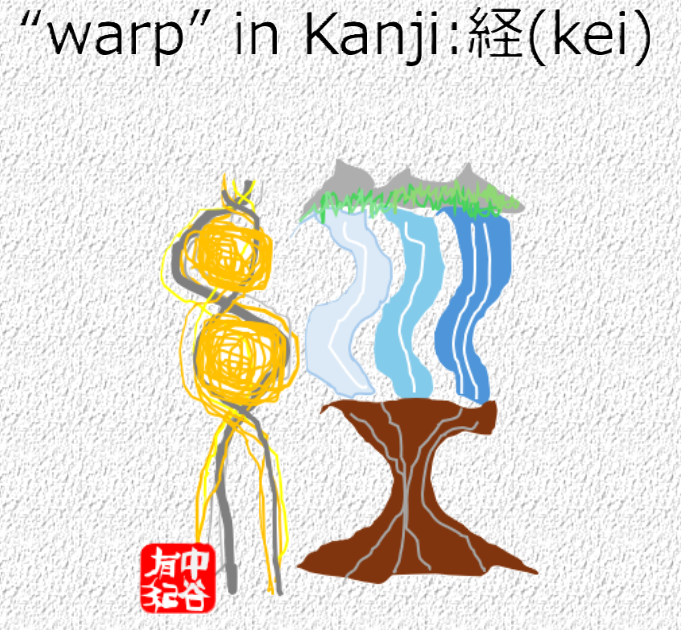

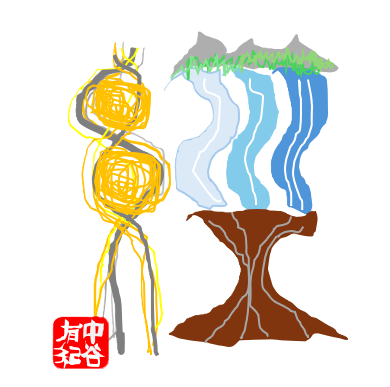
The left side of this kanji represents ‘thread,’ and the right side shows ‘a river flowing through the land.’ Since ancient times, it has meant ‘warp’ (the vertical threads in weaving), which forms the backbone of a fabric.
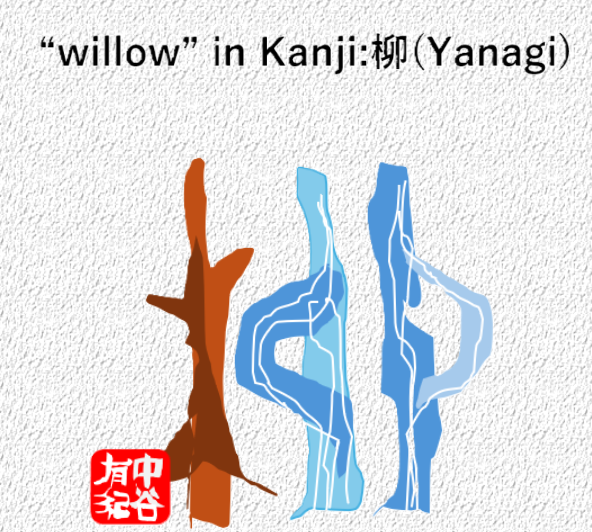

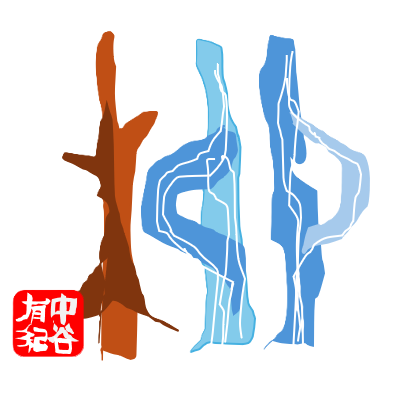
The architecture of this Kanji character tells a beautiful story of nature:
When these two elemental symbols blend together, they create the Kanji for “Willow” (柳)—a tree that sways and blossoms with the graceful, fluid elegance of running water.
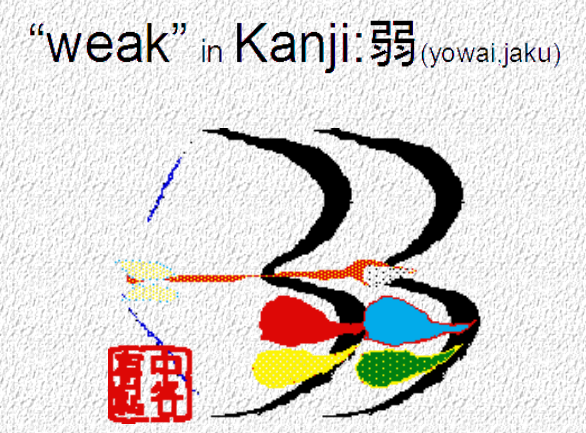
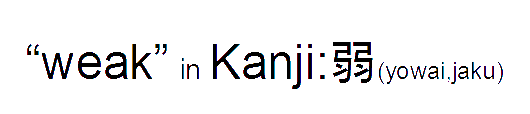
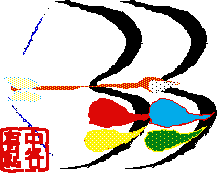
When looking at this figure, you can spot two bows decorated with colorful ribbons, which remarkably represents ‘weak.’ While a bow on its own symbolizes stoic, powerful arms, dressing it up with colored ribbons strips away its practical strength—turning it into mere decoration. Therefore, by using this vivid contrast, the character beautifully means ‘weakness’ in reverse.
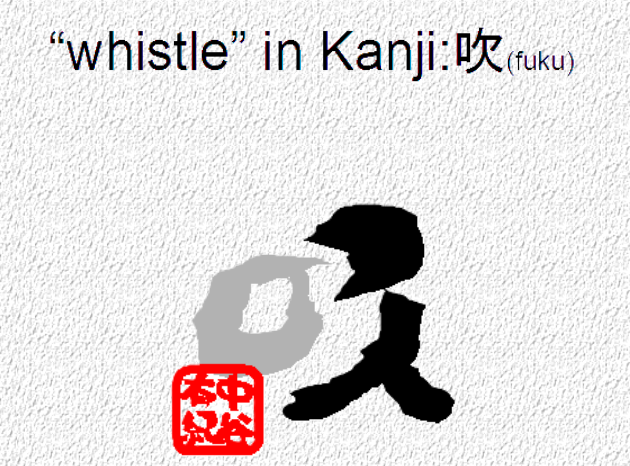
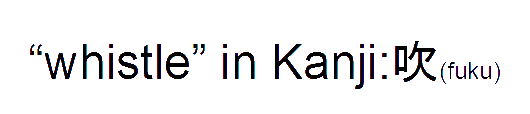
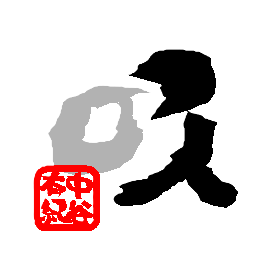
In this figure, you can clearly see a person whistling with their mouth wide open. This character perfectly captures that distinct, musical action to mean ‘whistle’.
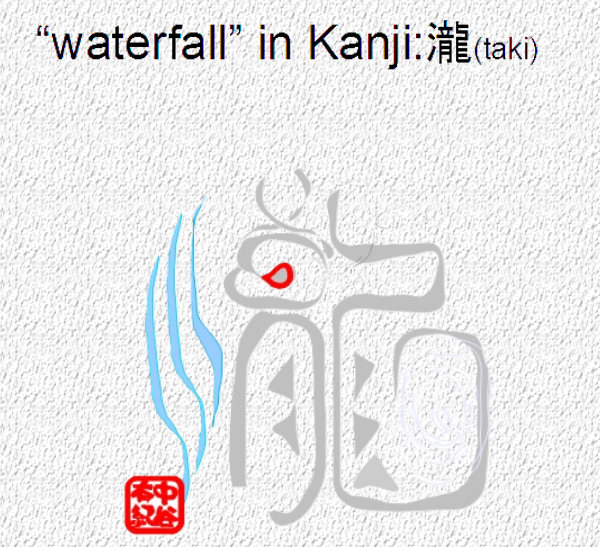
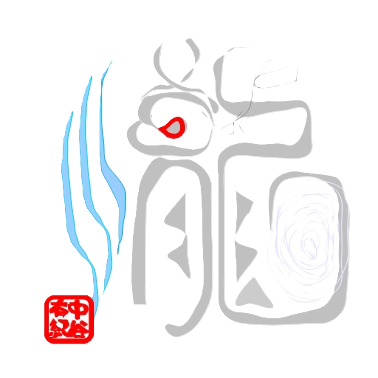
When seeing a massive waterfall, ancient people imagined a majestic dragon charging up into the sky, viewing it as the very avatar of a god. This character consists of two parts, beautifully embedding the symbol of that dragon on the right side.
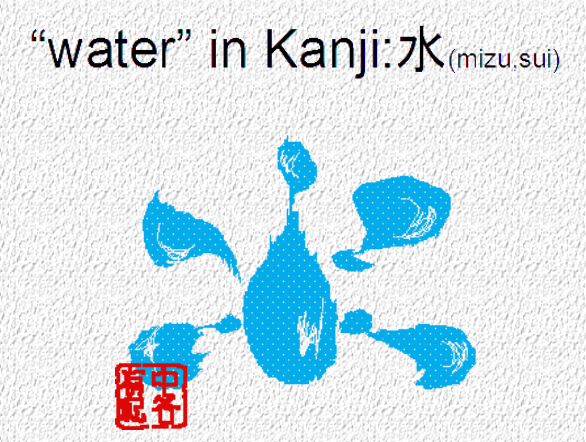

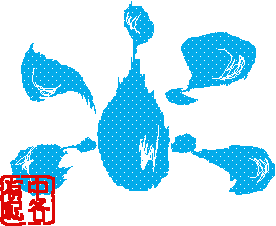
This character is beautifully simple, capturing only the dynamic outline of a water splash. Yes, true to its fluid form, this is the character that means ‘water’!