
un-(不)

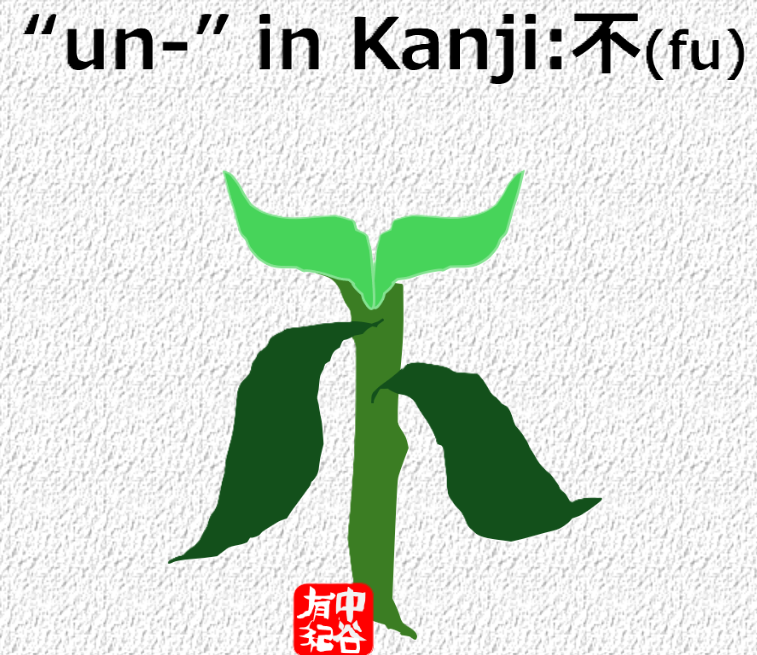
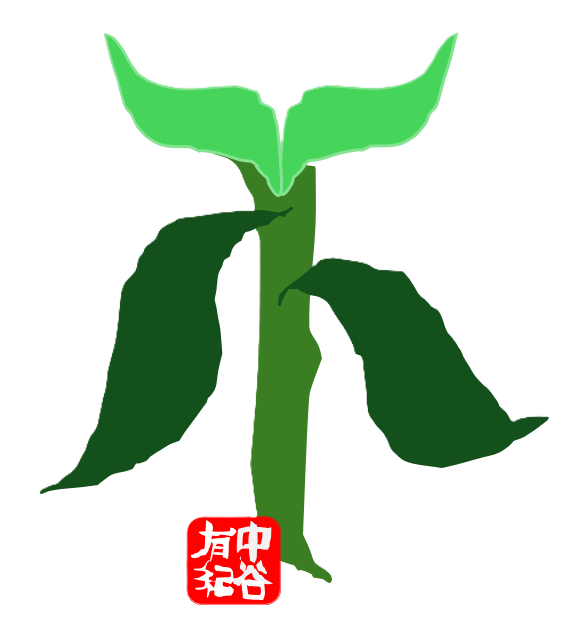
This kanji depicts a calyx without any flowers or fruit on it. Because of this, it originally represented a state where nothing substantial exists. By extension, it came to be used as a negative prefix—equivalent to ‘un-‘ or ‘non-‘—placed before words to mean ‘not’ or ‘without.

Words &Phrases

  • 不安(fuan):Something you are worried about, which leaves you feeling restless and uneasy.
  • 不機嫌(fukigen):Being in a bad mood
  • 不言実行(fugen jikko):Diligently doing what needs to be done without complaining or making excuses.
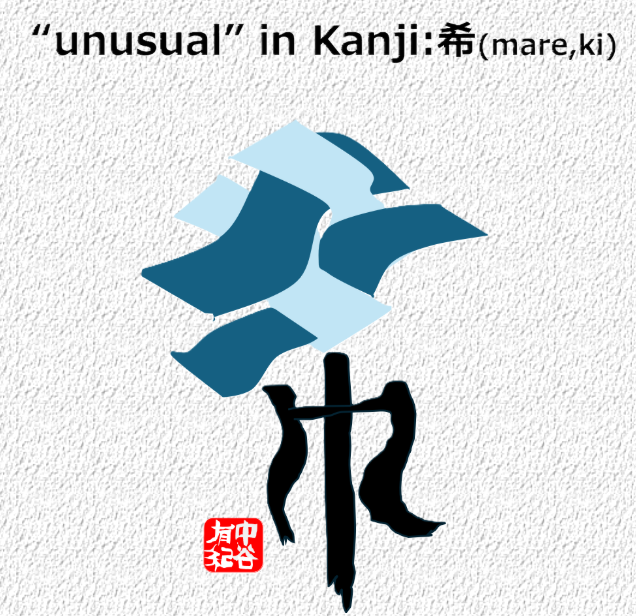
unusual(希)

This kanji is made of two parts. At the top is an element showing crisscrossed threads, representing a thin cloth with a loose, open weave—something so difficult to craft that it was considered very rare. At the bottom is the ‘cloth’ radical. Combined, this kanji originally represented a rare, loosely woven fabric. Over time, it came to mean ‘rare’ or ‘scarce,’ and by extension, ‘to wish for’ or ‘hope’ for something precious.”

Words &Phrases

  • 希少(kisyou):Something that happens very seldom, or exists in extremely small numbers.
  • 希望(kibou):Wishing for a better future, both in who you want to become and what you hope for others.

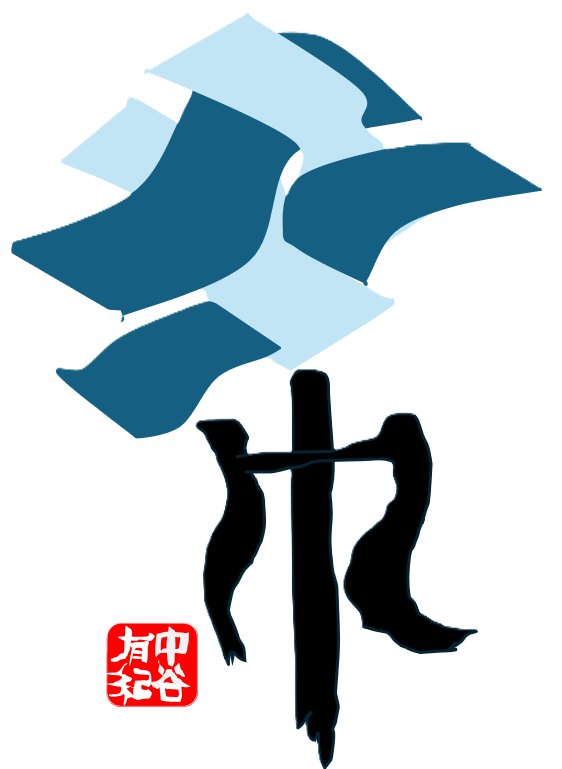
umbrella(傘)

Just look at the character—you can find an UMBRELLA exactly as it is in this shape! The top forms the wide canopy, the internal strokes look like the rib skeleton, and the center line is the handle. It is a perfect, literal pictogram of an umbrella!

Related Posts