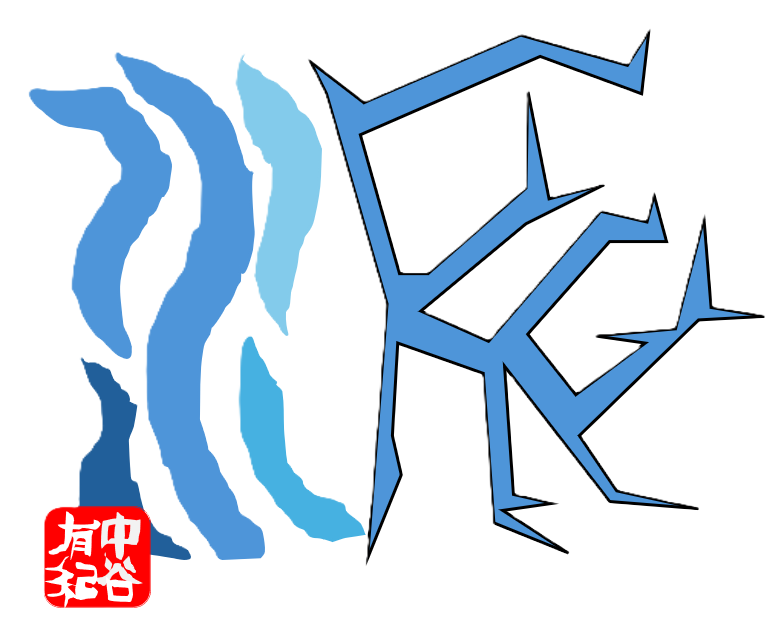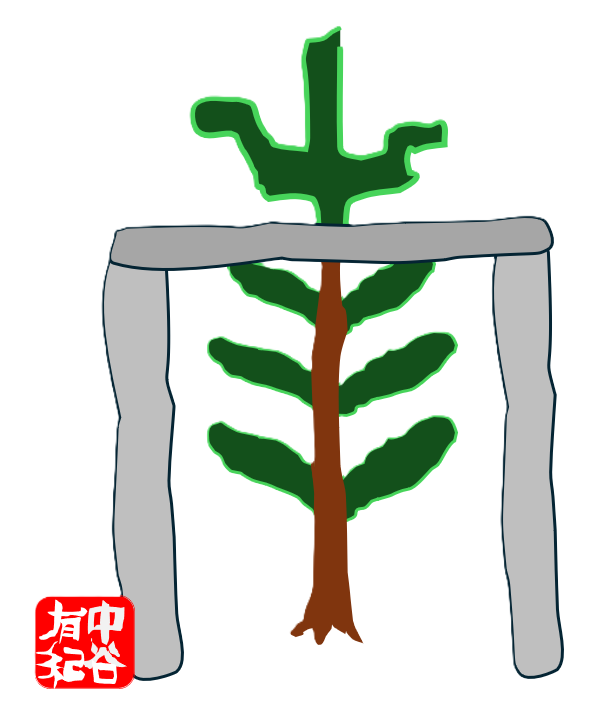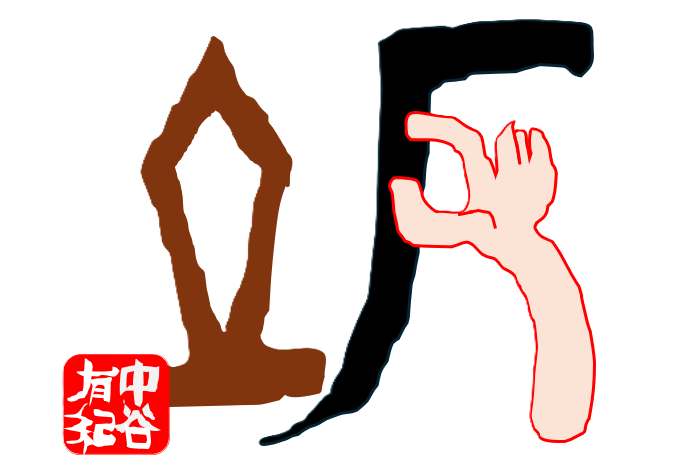
This kanji consists of the “land” radical on the left and a symbol on the right showing a hand reaching out to climb a slope. Together, it represents a steep slope that is difficult to climb.
The short story of Kanji pictures
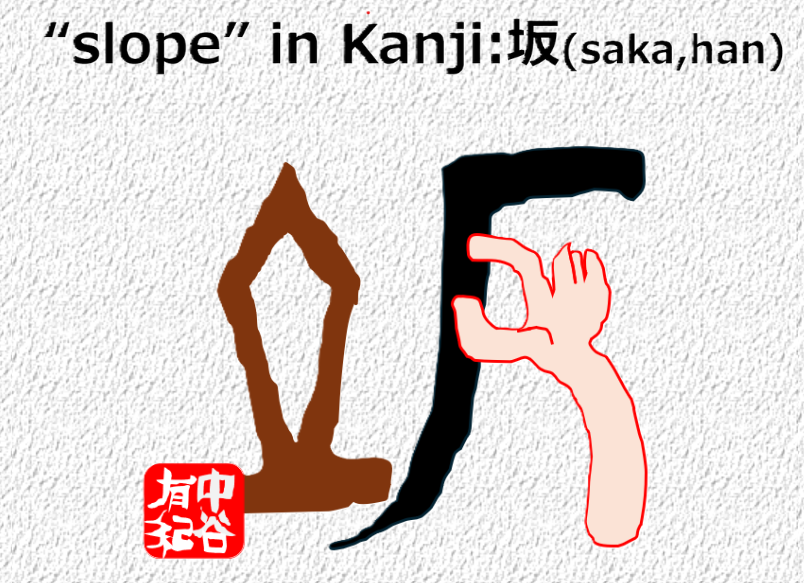
This kanji consists of the “land” radical on the left and a symbol on the right showing a hand reaching out to climb a slope. Together, it represents a steep slope that is difficult to climb.
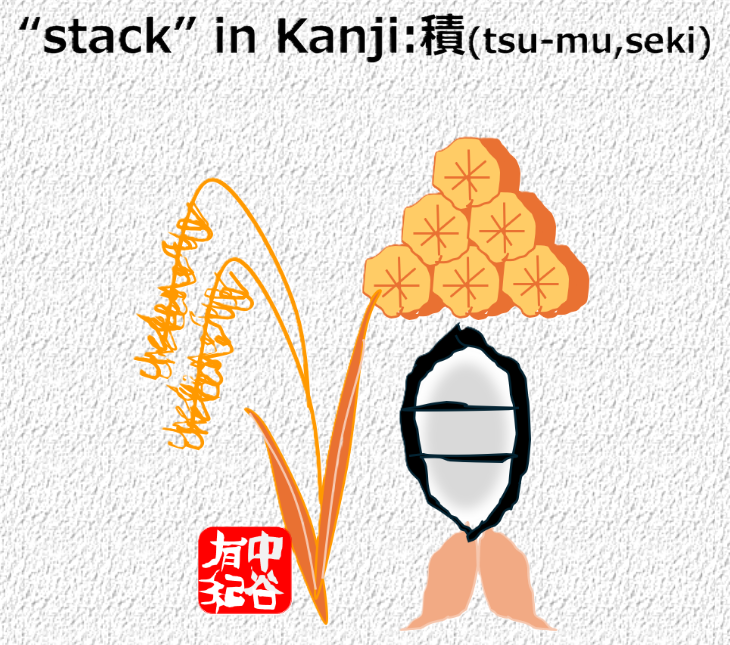

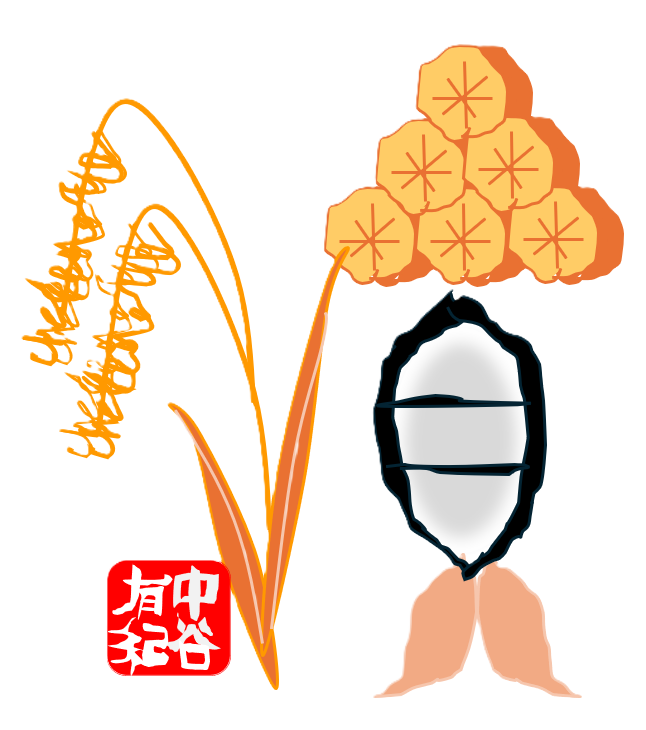
This kanji consists of three main elements. On the left is the “harvest” (grain) radical. On the top right is a symbol representing stacked rice bales, and on the bottom right is the “shell” radical, which served as currency in ancient times. Together, these elements depict taxes and valuable goods gathered from the people, creating the original meaning “to stack” or “to accumulate.” By extension, this kanji is now used for accumulating intangible valuables, such as gaining experience or building skills.
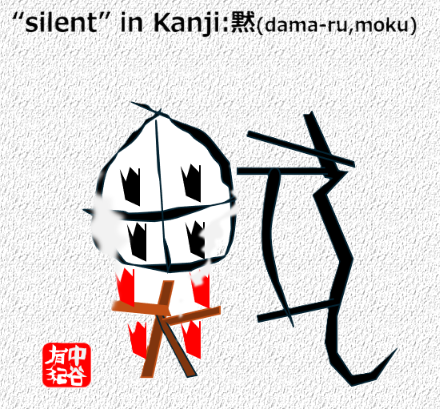

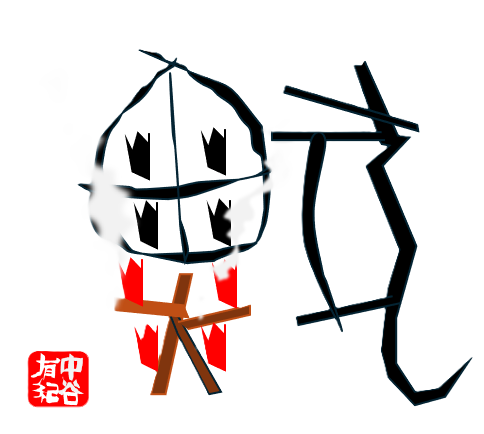
This kanji consists of two parts: the ‘black’ radical on the left (representing a vessel filled with soot) and the ‘dog’ radical on the right. It depicts a dog staying quiet in the dark, and therefore came to mean ‘to be silent’ or ‘to keep quiet.’
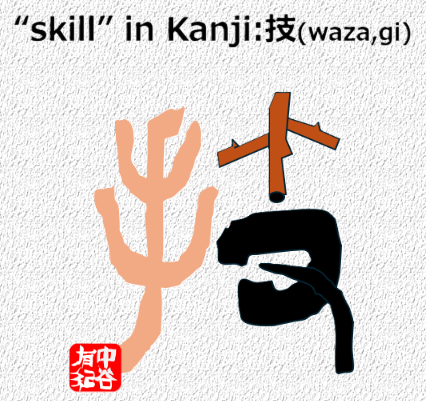

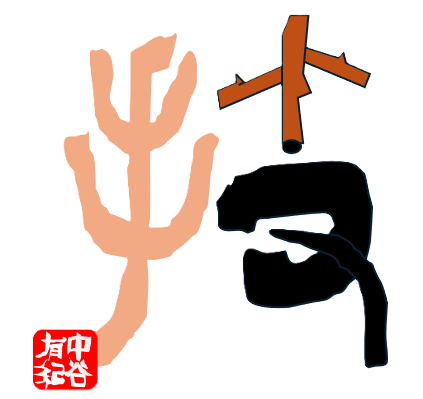
This kanji consists of two parts: the ‘hand’ radical on the left, and a hand holding a branch on the right. Therefore, this kanji came to mean ‘skill’ or ‘technique’—referring to the human ability to craft things meticulously by hand.
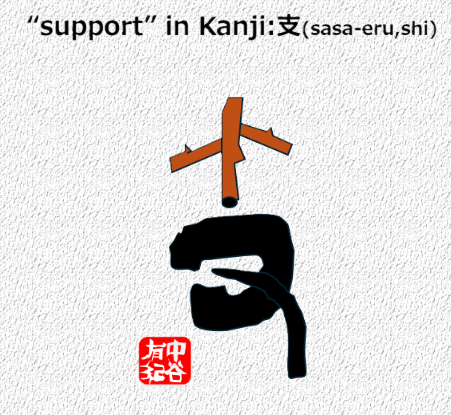

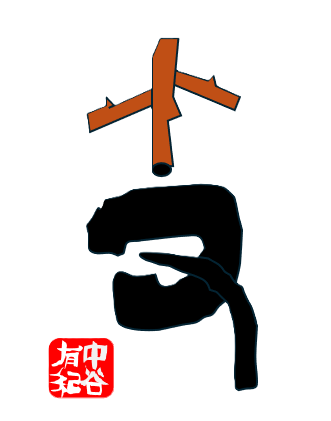
This kanji depicts a hand holding a tree branch. Originally, it had two main meanings: first, ‘a point where a path or stream branches off,’ and second, ‘to support something.’
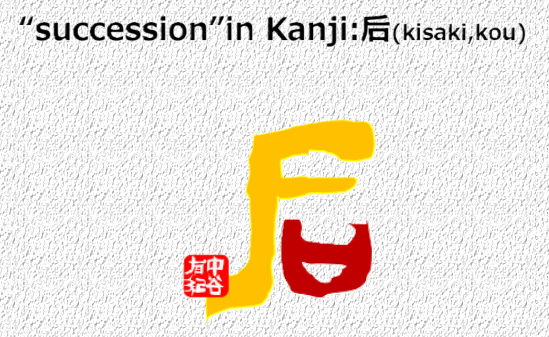

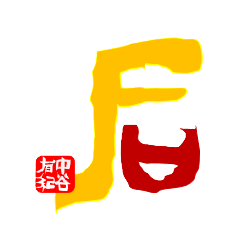
The Kanji originally represented a person carefully listening to the words of their predecessor.From this visual origin, its meaning evolved into “the successor who carries on the work of the founding ruler.“Later, this concept of a crucial royal successor led to its modern meaning of “queen” or “empress.”
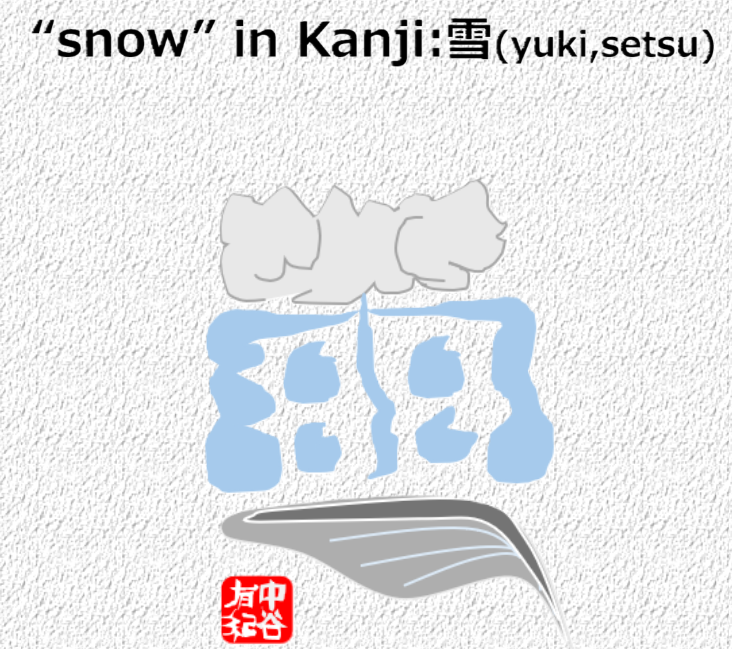

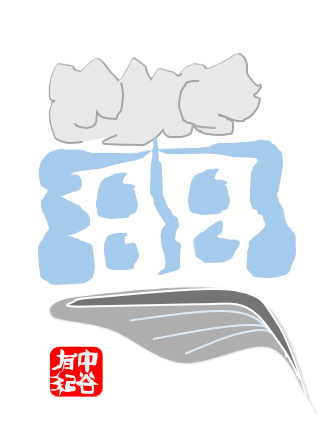
This kanji consists of two parts: the radical for ‘rain’ at the top, and ‘feathers’ below. Therefore, this kanji means ‘snow’—depicting rain that freezes and falls softly through the air like fluffy feathers.
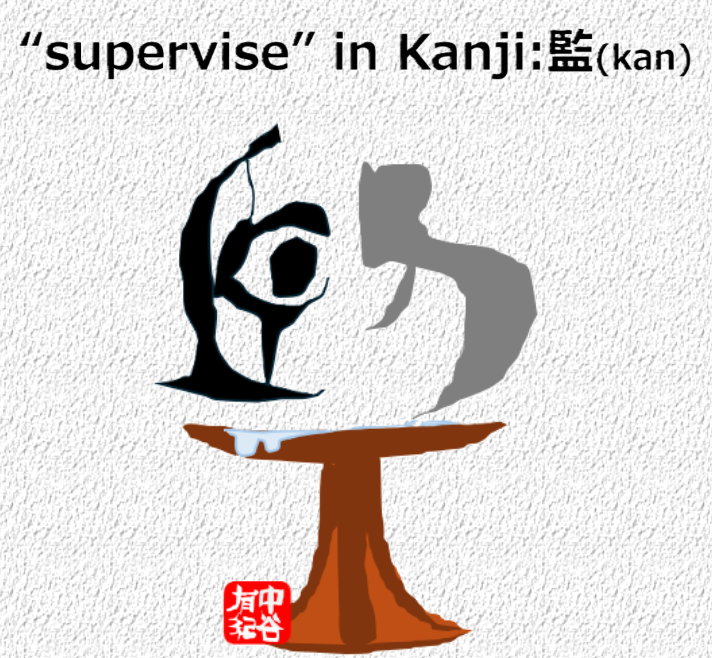

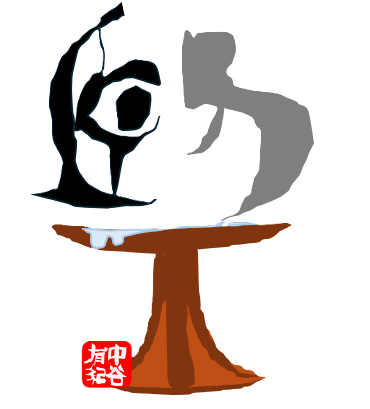
This kanji consists of three parts: a looking-down eye on the top left, a bending person on the top right, and a dish filled with water below. It depicts a person looking into a water mirror to inspect their reflection. By extension, this kanji came to mean ‘to supervise’ or ‘to monitor’ by examining everything closely.