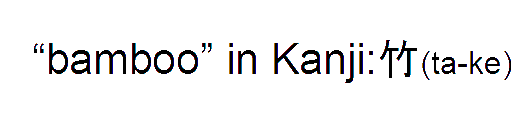
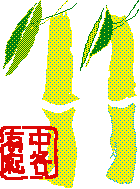
This character represents ‘bamboo,’ as you might already know. The shape is simply the plant itself!.
The short story of Kanji pictures
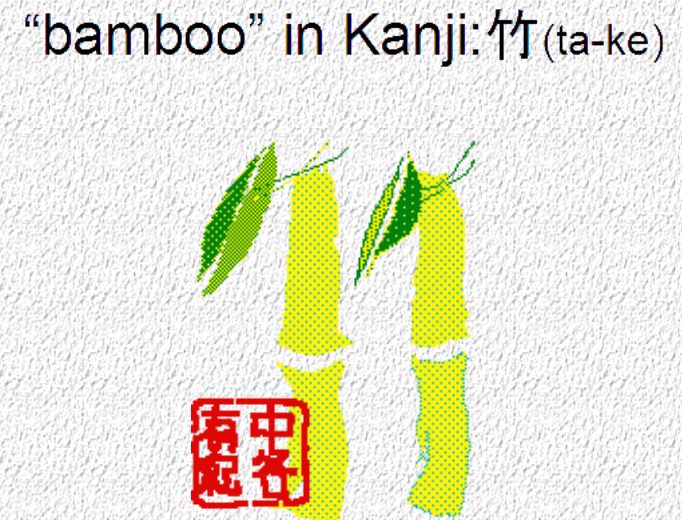
This character represents ‘bamboo,’ as you might already know. The shape is simply the plant itself!.
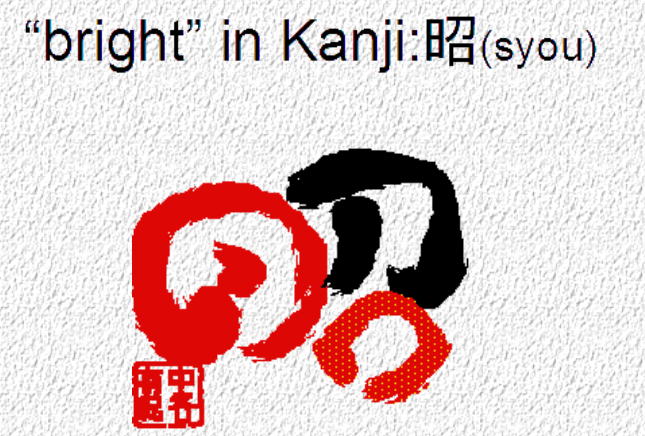
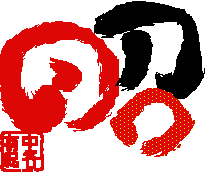
On the left side of this figure, you can see a circle representing the sun. On the right, a hand is beckoning, paired with an open mouth that seems to call out, ‘Come with me, the sun!’ Therefore, this character beautifully captures the idea of bringing that light inside, meaning a true ‘brightness’ or ‘clarity’ in one’s heart.
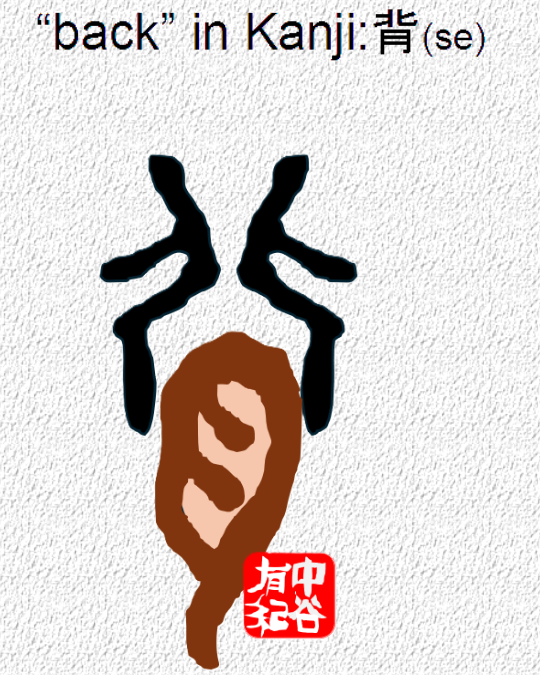

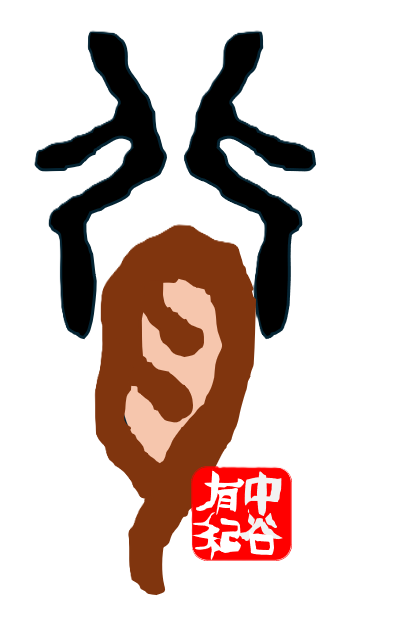
This kanji consists of two parts. The top radical represents two people sitting back-to-back, which originally meant “back.” Later, it came to mean “north” because ancient Chinese emperors always faced south when seated, putting their backs to the north. To restore and clarify the original meaning, the radical for “muscle” or “body” was added to the bottom, creating the kanji that means “back.”
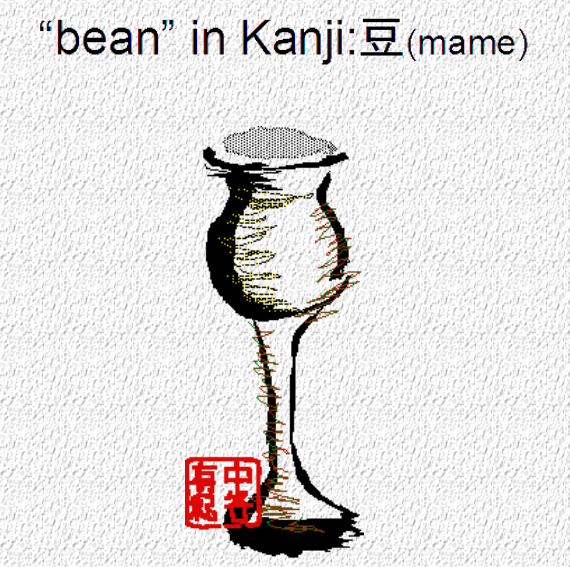
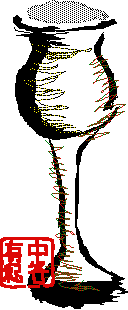
This character features a stand used for food or ritual offerings. The symbol for ‘beans’ originated from this very shape. In ancient times, beans were likely placed on this stand as an offering to the gods.
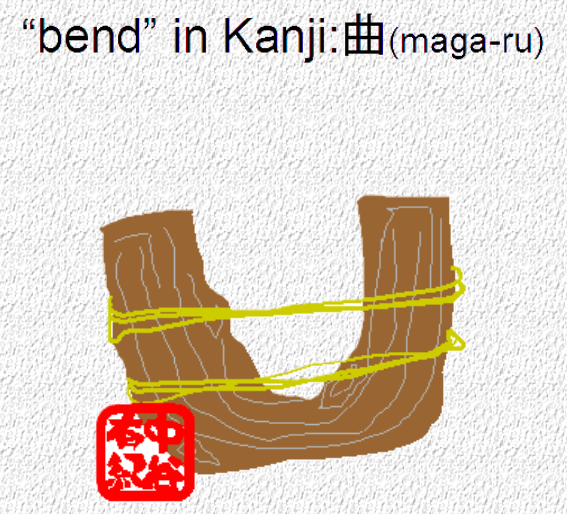
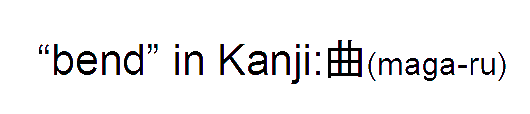
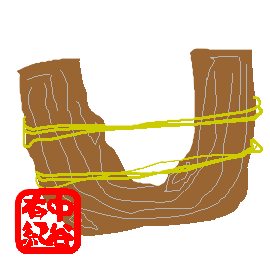
This character shows a piece of wood being bent and held in place with a tight rope. Therefore, it means ‘to bend’.
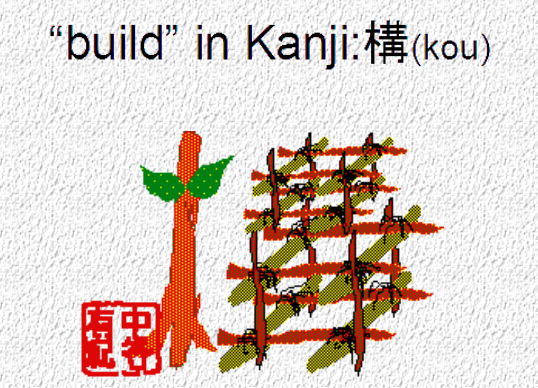

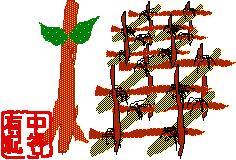
This kanji instantly makes it easy to imagine exactly what it means! On the left, you have the raw material of a massive, solid TREE. On the right, the intricate lines perfectly depict the wooden frames of a building being locked together. Combining the strong wood with precise architecture, this character serves as the ultimate visual definition of ‘BUILD’ or ‘STRUCTURE’
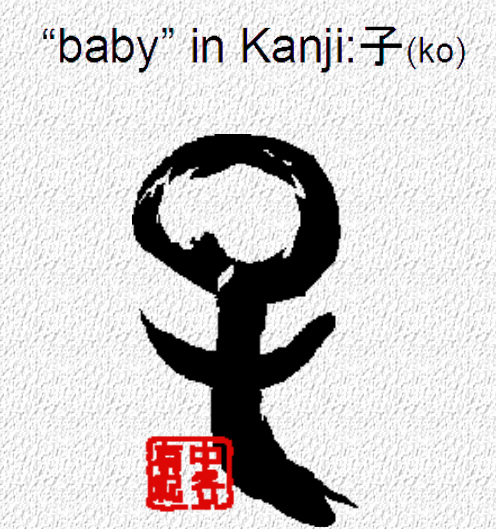

Just look closely at the character—you can easily find a cute BABY or CHILD exactly as it is in this shape! The top portion forms the round head, the long horizontal stroke represents the little arms spread wide for a hug, and the bottom center shows the wrapped body. It is a perfect, heartwarming pictogram of a child!
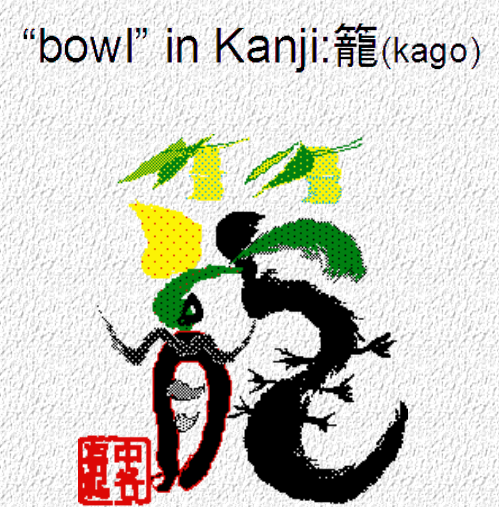

Why is a dragon hiding in a bamboo bowl? Because a dragon’s body is long, flexible, and covered in intricate scales. Just like a dragon, a traditional ‘KAGO’ is made by twisting bamboo into a tightly woven, scaled pattern. This striking character beautifully captures the artistic texture of a dragon’s skin!