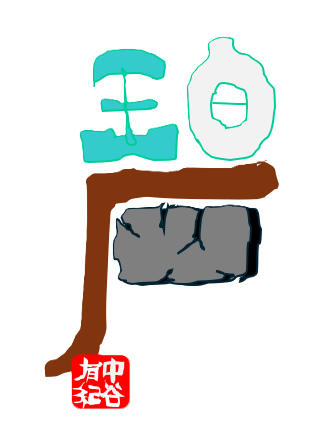
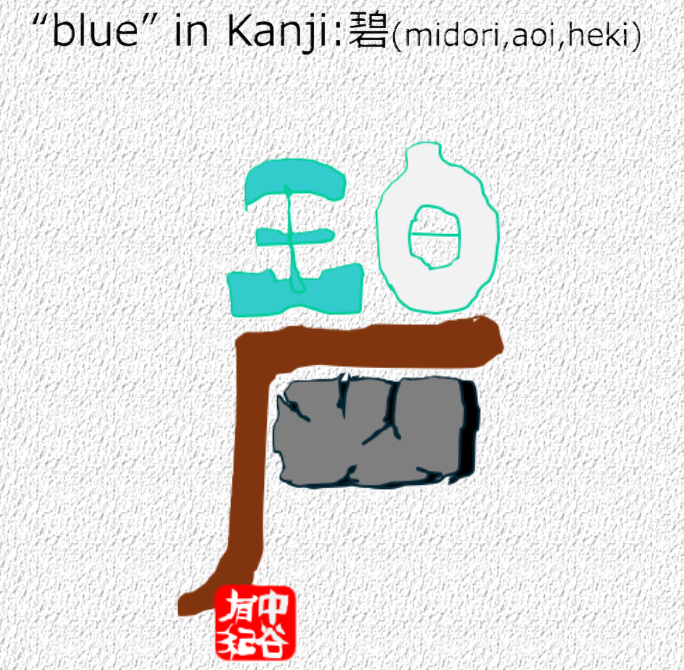
This kanji is made of three radicals: “jewel” on the top left, “light blue” on the top right, and “stone” at the bottom
.Combined, it means a clear blue color or a blue gemstone.
The short story of Kanji pictures
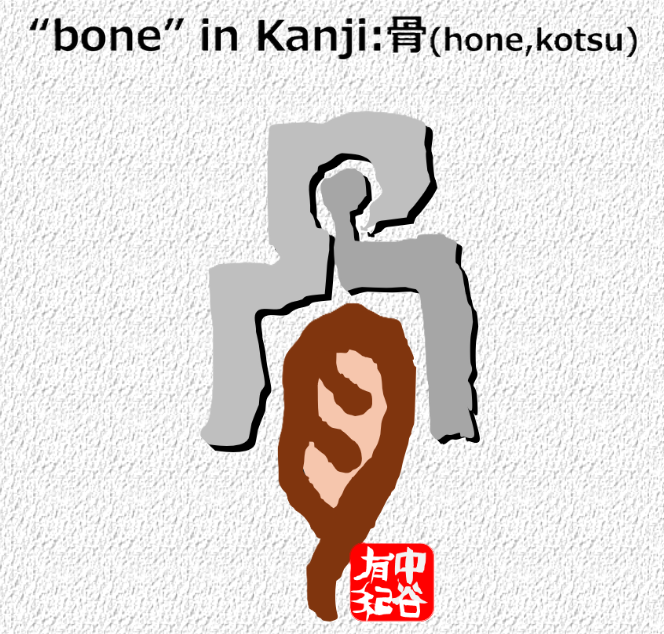

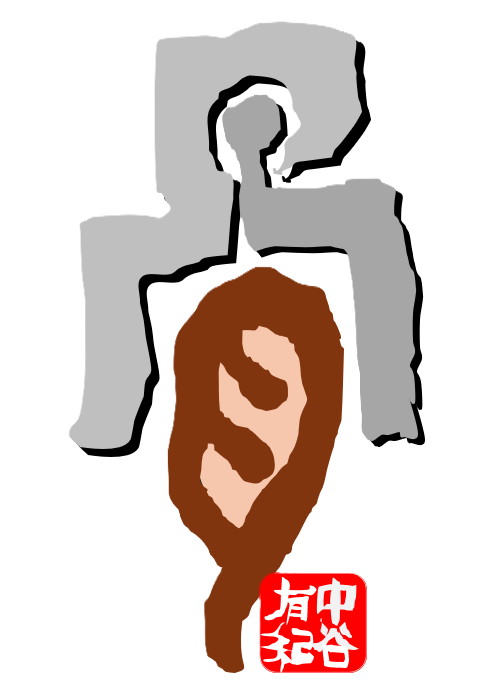
This kanji has two parts: the top radical represents a bone joint, and the bottom radical means “muscle” or “body.” Together, it originally meant a physical “bone.” Over time, its meaning expanded to describe the ability to move your body effectively, just as you imagine.

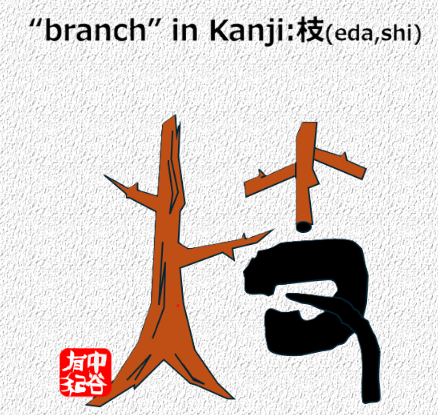

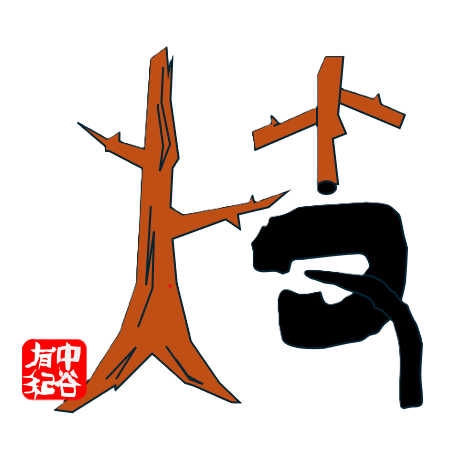
This kanji consists of two parts: the ‘tree’ radical on the left, and a hand holding a branch on the right. Originally, it referred to a tree branch itself. By extension, it came to mean ‘something that branches off from the main stream.’
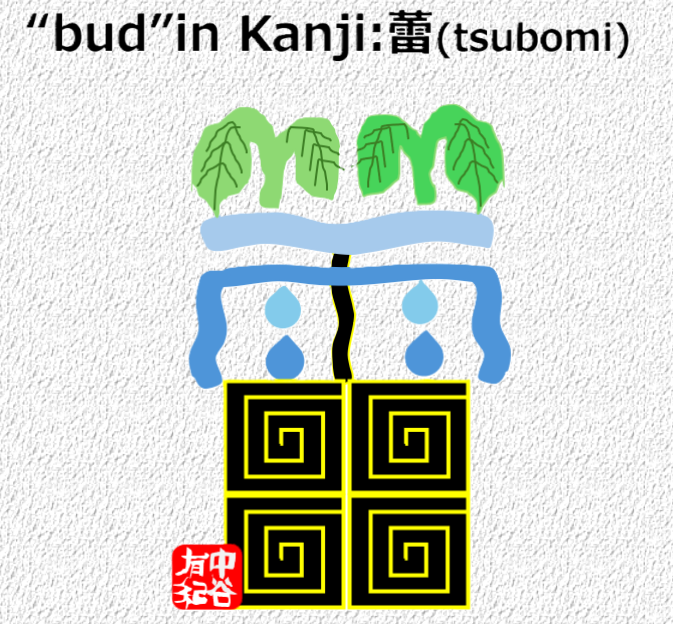

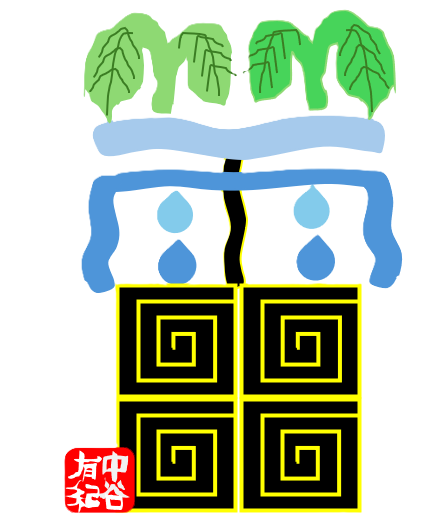
This kanji consists of two parts: the ‘grass’ radical on top, and the kanji for ‘thunderstorm’ below. So, why does this kanji mean ‘bud’? It is said that the flash of a thunderstorm resembles a flower bud bursting with bright light.
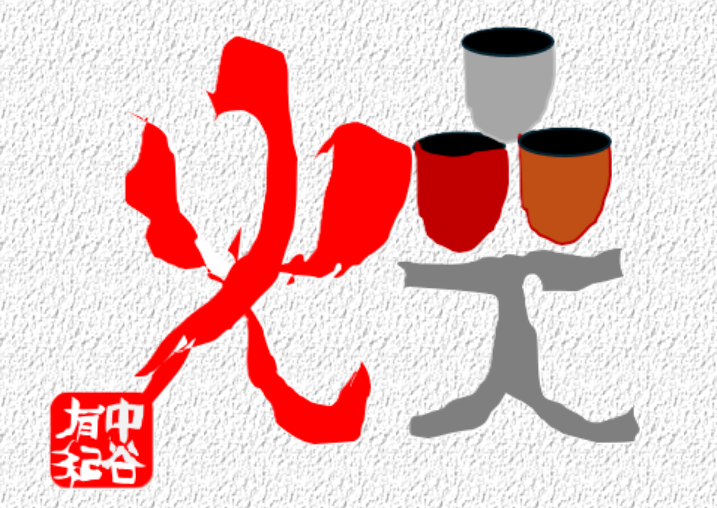

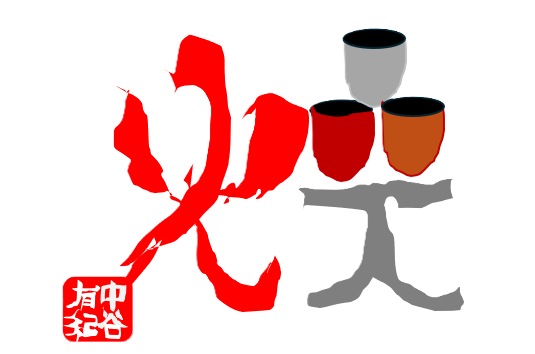
The left side of this kanji shows a large fire, and the right side shows pottery being baked. Because of this, the kanji means ‘to bake’ or ‘to burn’.
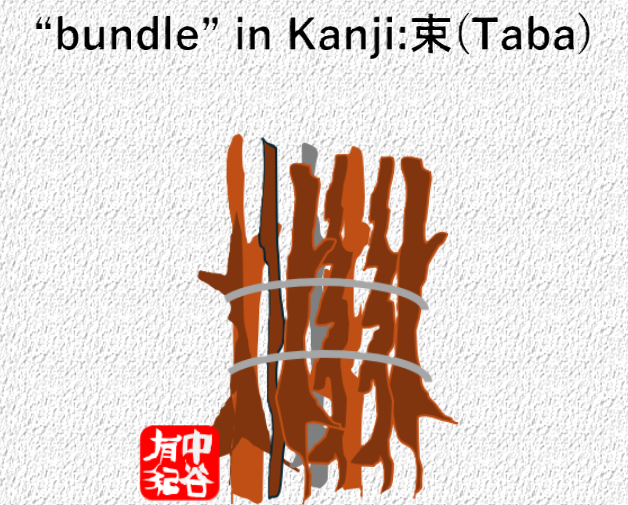

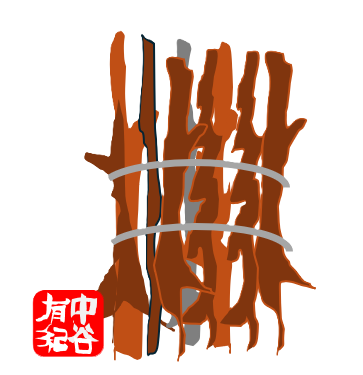
This Kanji character beautifully mimics a scene from ancient daily life.
The lines visually depict a cluster of gathered firewood being tightly tied together with a rope. Therefore, this character directly holds the meaning “to bundle,” “to tie together,” or “a bunch.” It is a beautiful, rustic snapshot of history frozen inside a single word.
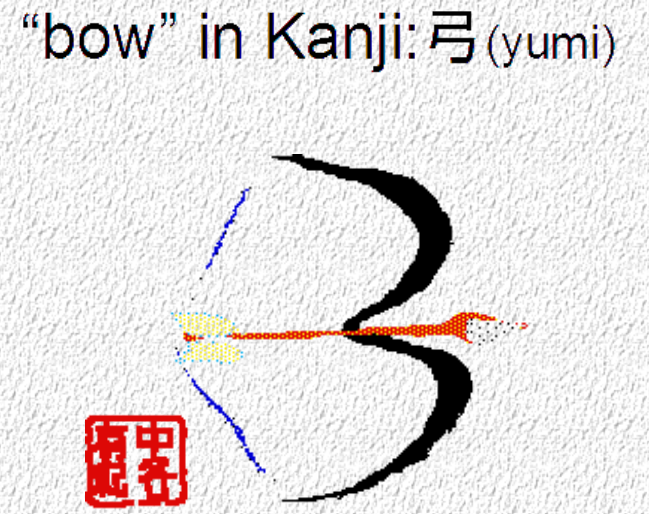

True to its visual form, this character directly symbolizes a ‘bow.’ In a single word, it embodies absolute ‘strength.’ Because of this intense energy, this shape is frequently used as a foundational component to describe the power and force of various things.