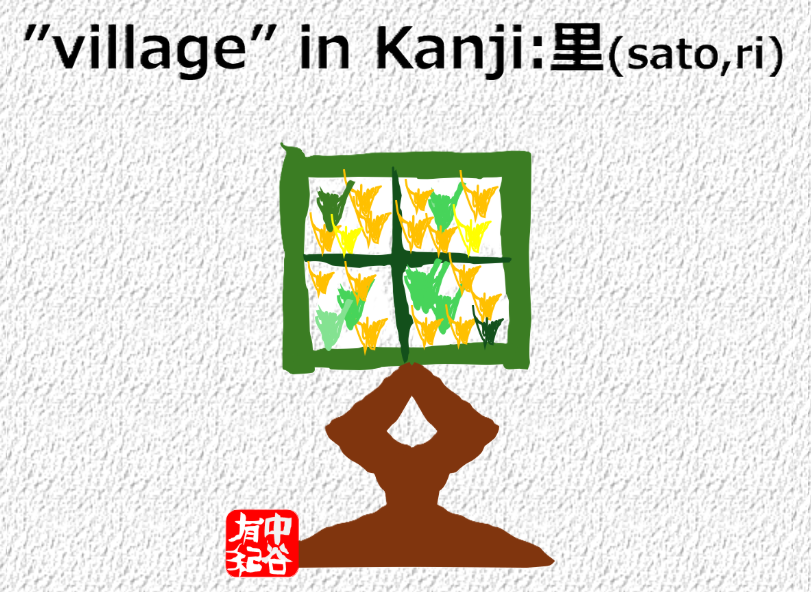

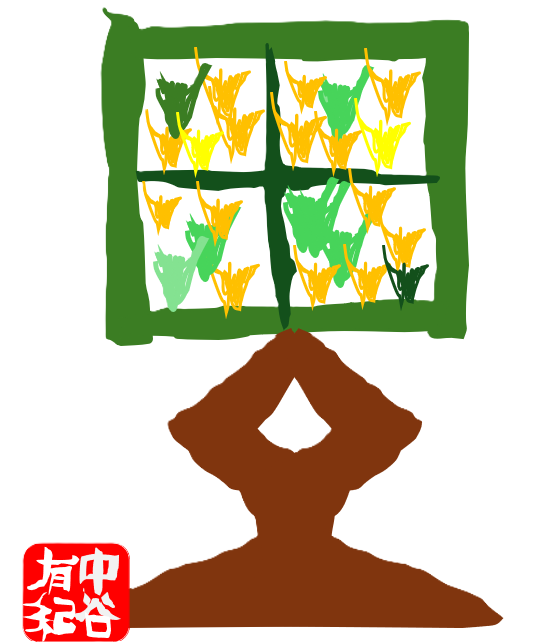
village(里)

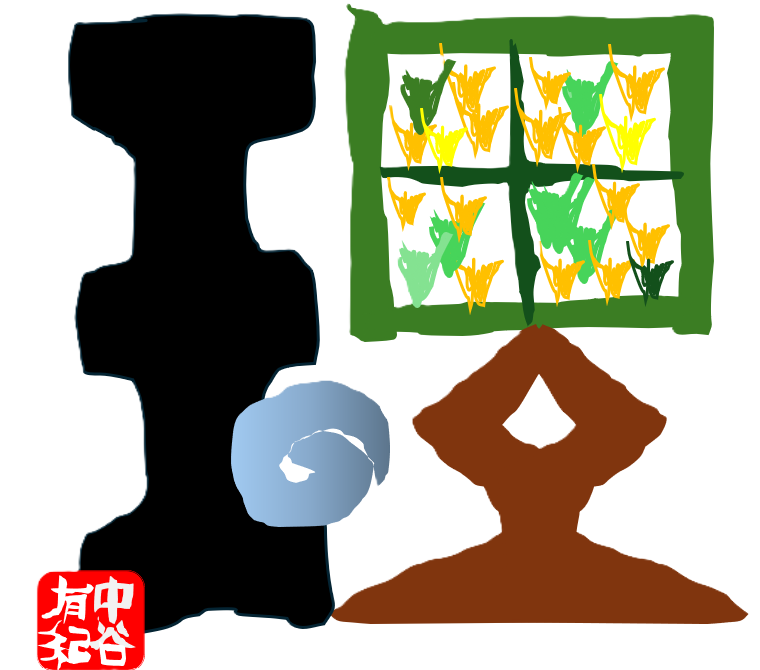
This kanji consists of two parts: the ‘rice field’ radical at the top and ‘earth’ or ‘soil’ at the bottom. Together, it originally depicted a plot of arable land where people gathered to farm and settle. Because of this, the character came to mean a ‘village,’ ‘hamlet,’ or ‘hometown,’ and was later also used as a traditional unit of distance.

Words & Phrases

  • 里心(satogokoro):A sentimental yearning for one’s birthplace or the place one used to call home.
  • 里山(satoyama):Woodlands and gentle hills adjacent to villages that are deeply connected to everyday living.
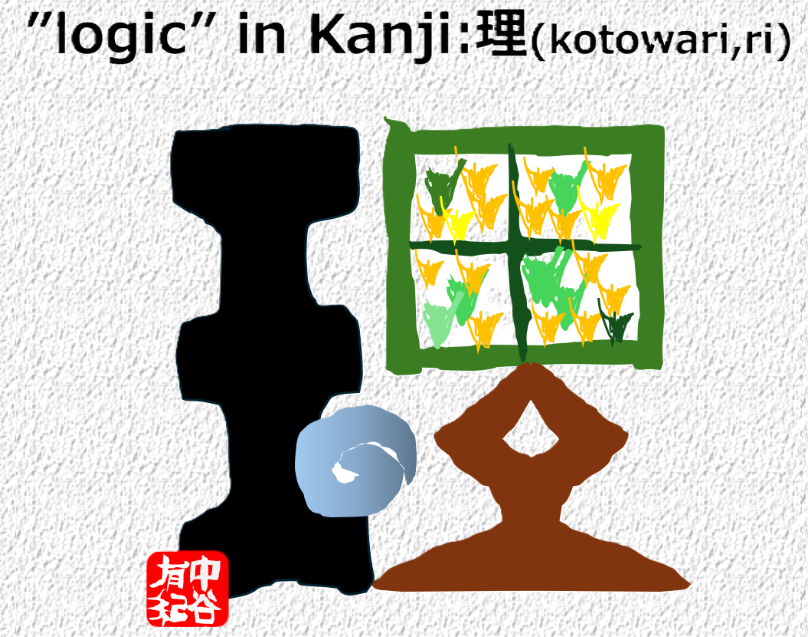

logic(理)

This kanji combines the ‘jade’ radical on the left with an element on the right signifying orderly lines and division. Together, it originally depicted carving jade along its natural grain. Following this natural grain came to symbolize following universal truth, giving the kanji its meanings of ‘reason,’ ‘principle,’ and ‘logic.’

Words & Phrases

  • 理想(risou):The supreme or most desirable state that one seeks and strives for in things.
  • 理念(rinen):A core philosophy of how things should be.
  • 理由(riyuu):The reasons, process, or logical sequence of how things came to be.
  • 理論(riron):The process of finding patterns and unity across separate events to construct a logically unified system.