
propriety(儀)

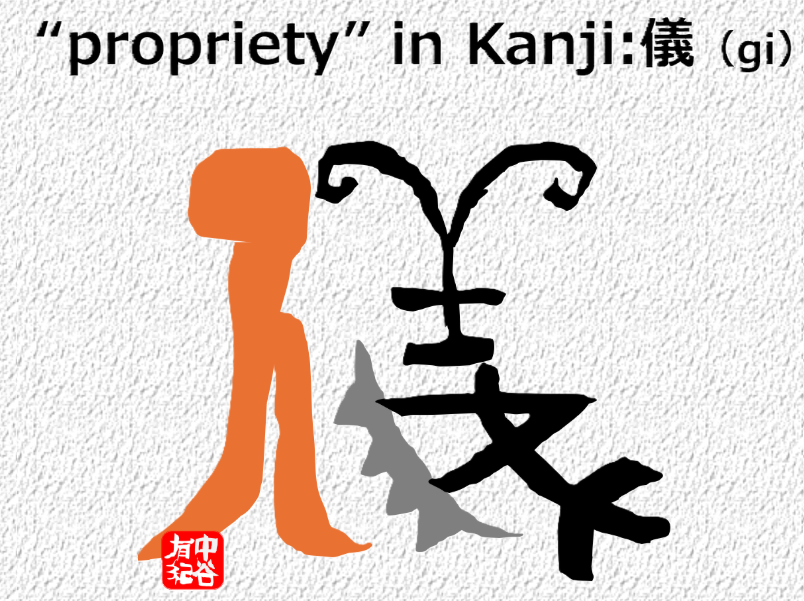
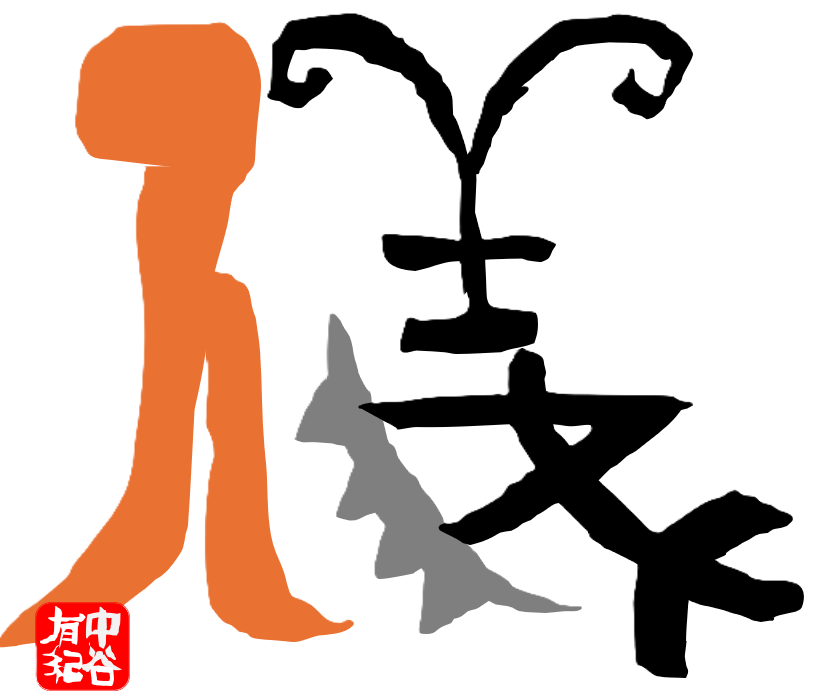
This kanji consists of two parts. On the left is the ‘human’ radical, which originally represented a man standing. On the right is the element for ‘righteousness,’ itself composed of a sheep and a curved saw used to carve sacrificial mutton for divine offerings. Combined, this kanji came to mean moral principles’ or propriety.’

Words & Phrases

  • 儀式(gishiki):ceremony
  • 儀礼(girei):ritual

sacrifice(犠)

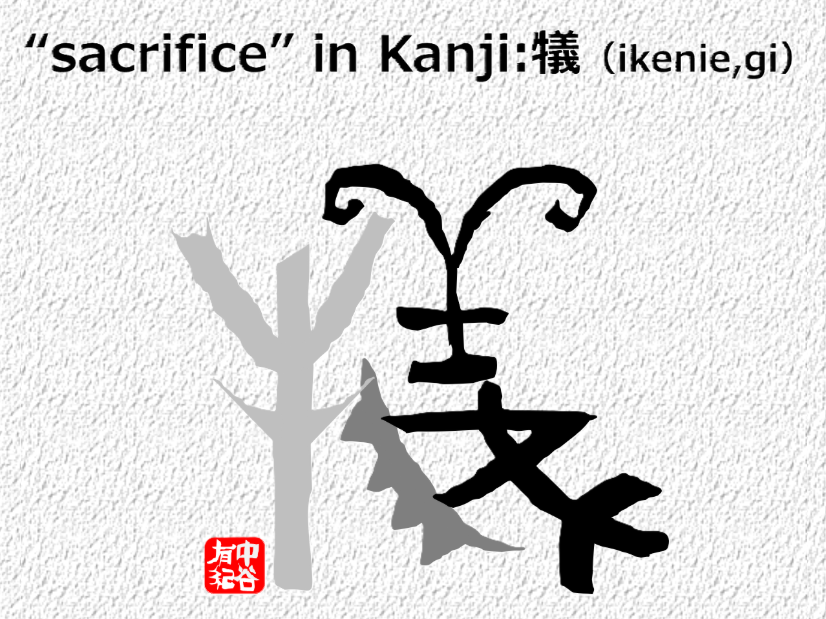
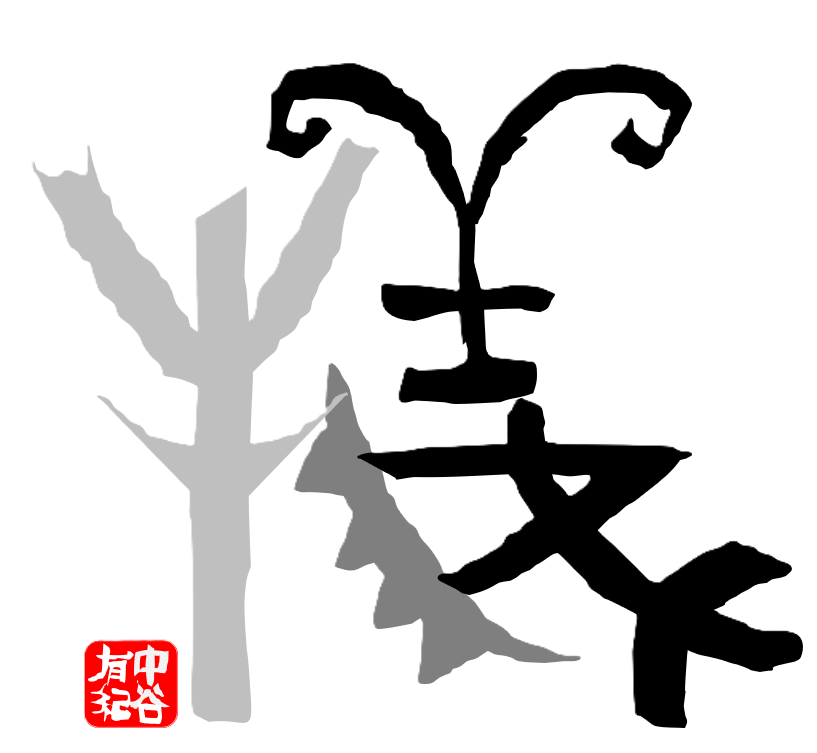
This kanji is made up of two parts. On the left is the “cow” or “bull” radical, which originally depicted a horned bovine face. On the right is the element for “righteousness” , itself composed of a sheep and a bladed saw once used to slaughter and carve sacrificial meat for sacred rites. Combined, the kanji originally signified livestock ritually offered to the gods, which later came to mean “to sacrifice” or “an offering made to the divine.”

Words & Phrases

  • 犠牲(gisei): sacrifice

righteousnes(義)

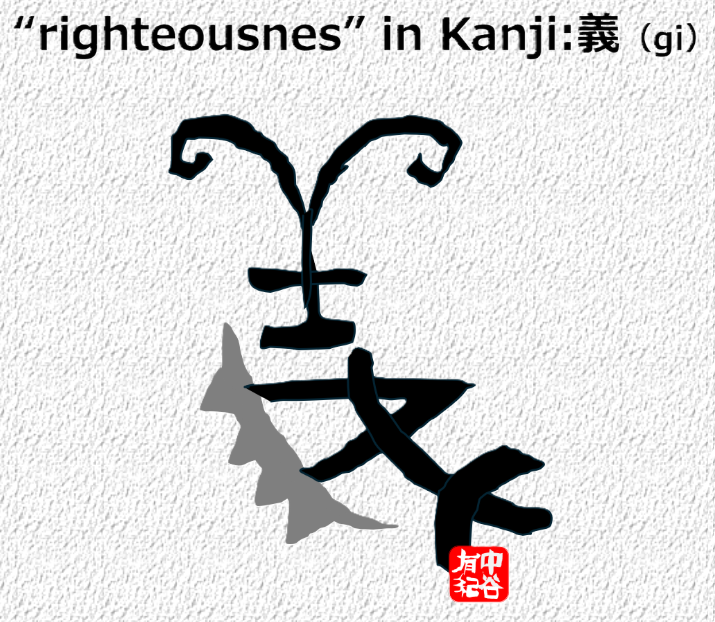
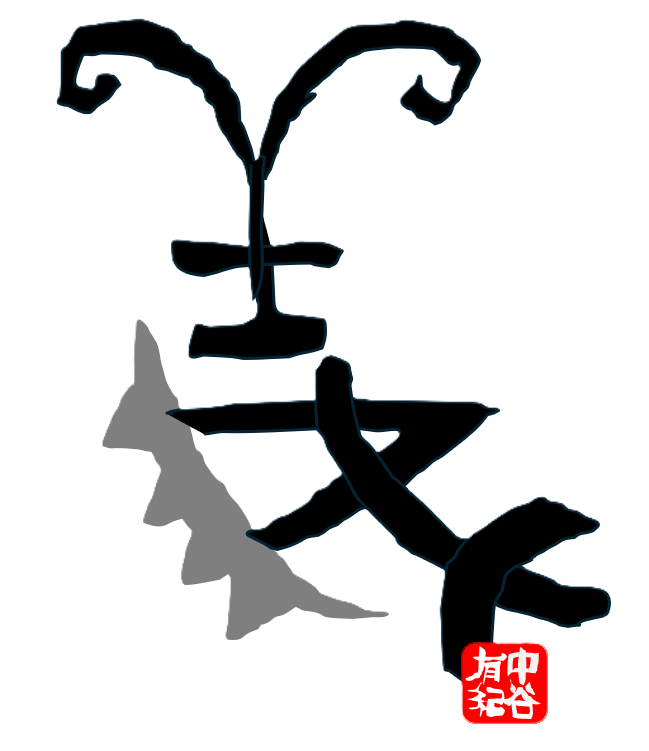
This kanji consists of two parts. At the top is the ‘sheep’ radical. Below it is a symbol representing a large curved saw or blade. Combined, this kanji is said to depict carefully carving mutton with a large blade as a sacrificial offering to the gods. By extension, this solemn and orderly sacred ritual came to symbolize doing what is moral and right, giving the kanji the meaning of ‘righteousness.’

Words & Phrases

  • 義理(giri):A social obligation you feel you must fulfill out of courtesy or to repay a debt of gratitude, even if you are reluctant to do it.
  • 義務(gimu):Something you are naturally expected to do as a duty.
  • 義を見てせざるは勇無きなり(giwomitesezaruwa yuunakinari):To see what is right and not do it is a lack of courage.