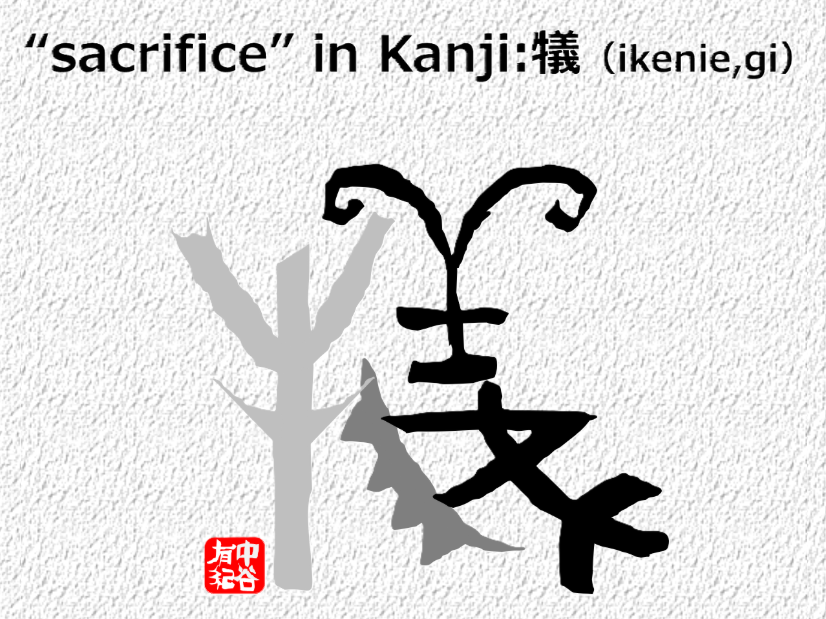

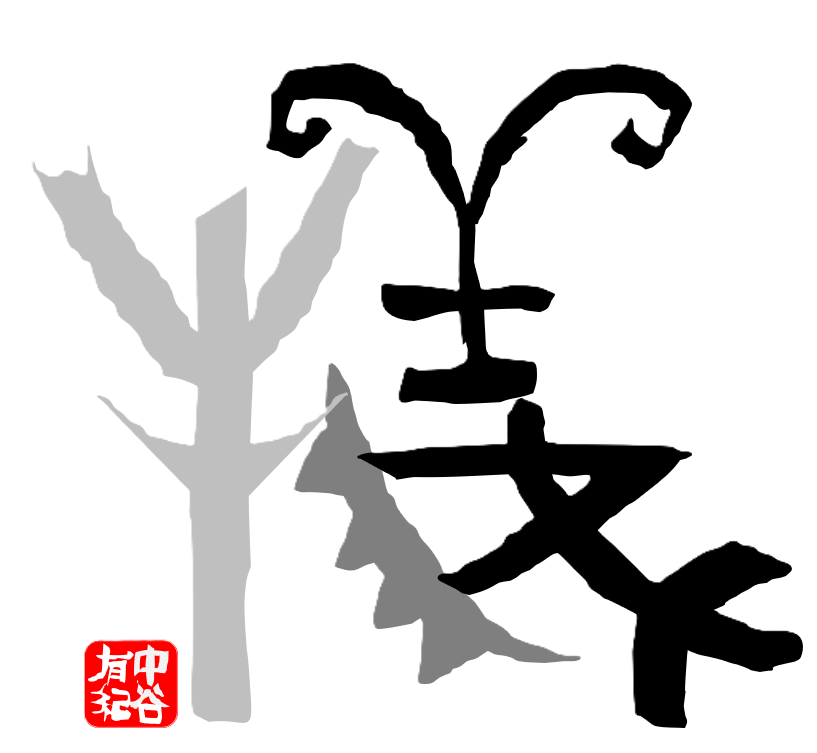
sacrifice(犠)

This kanji is made up of two parts. On the left is the “cow” or “bull” radical, which originally depicted a horned bovine face. On the right is the element for “righteousness” , itself composed of a sheep and a bladed saw once used to slaughter and carve sacrificial meat for sacred rites. Combined, the kanji originally signified livestock ritually offered to the gods, which later came to mean “to sacrifice” or “an offering made to the divine.”

Words & Phrases

  • 犠牲(gisei): sacrifice

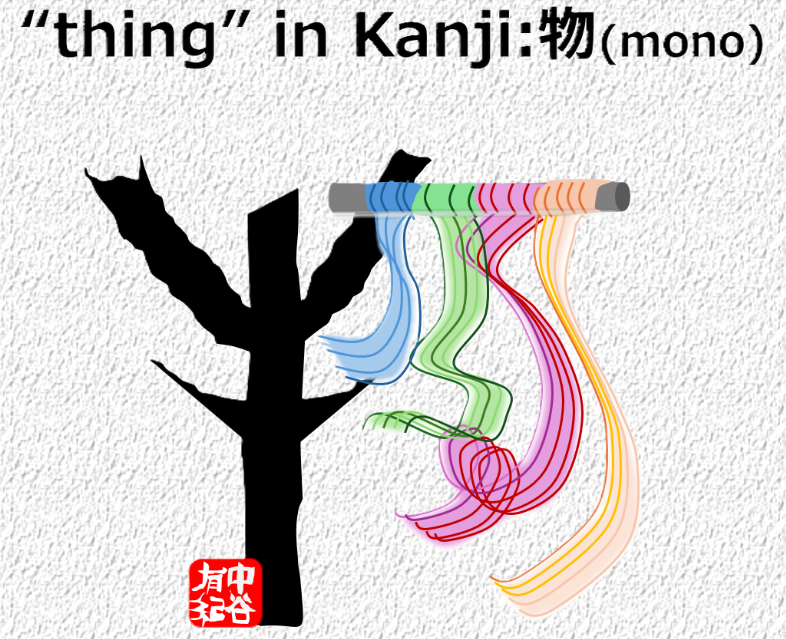
thing(物)

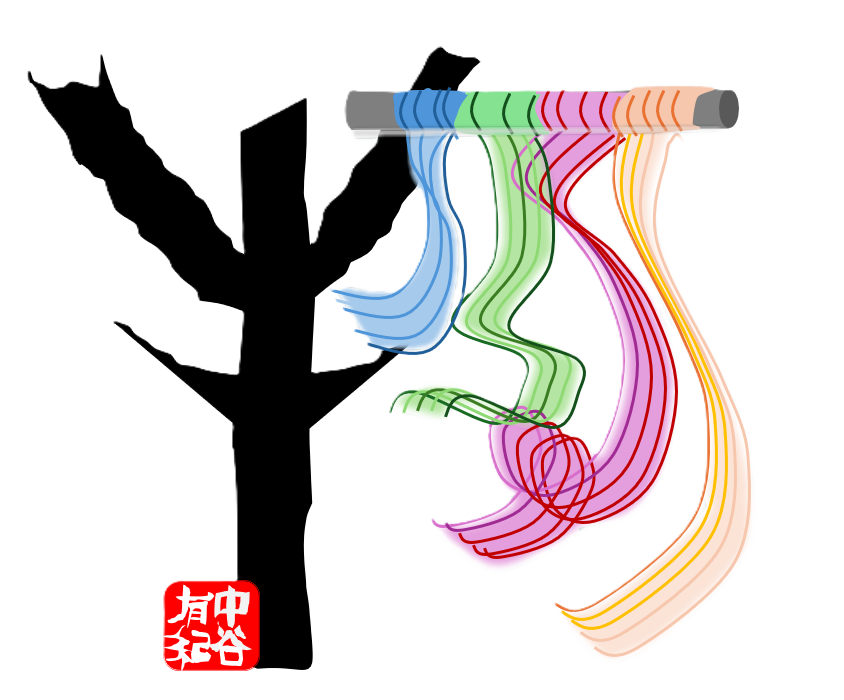
This kanji is made of two parts. On the left is the ‘bull’ radical, depicting a bull’s face with horns. On the right is the ‘do not’ radical, depicting cloths or streamers fluttering in the wind so quickly that they become blurred and vanish. Combined, this kanji originally represented various animals whose names people did not know. By extension, it came to mean everything that exists on Earth.

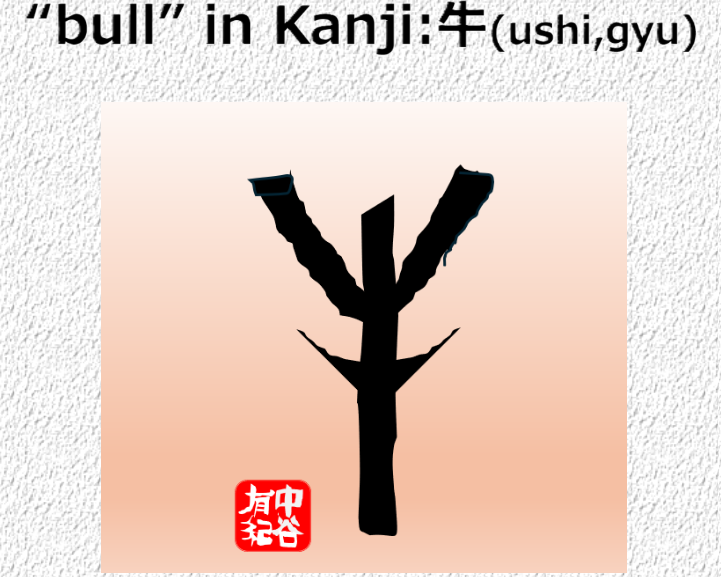
bull(牛)

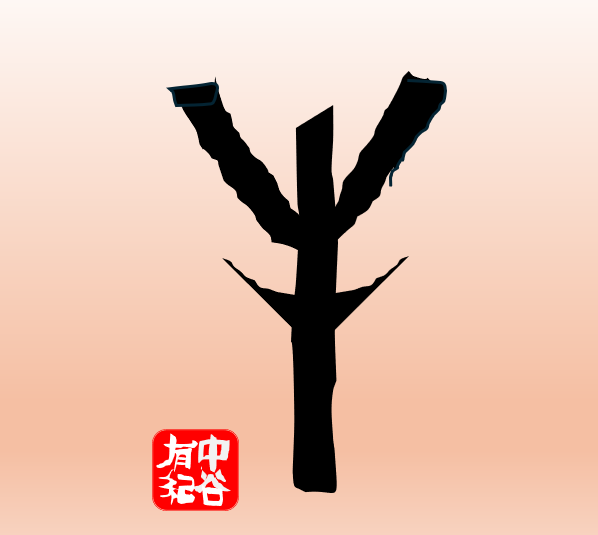
This kanji is a stylized representation of a bull’s face. In the modern kanji, only one horn is visible.

Words & Phrases

  • 牛乳(gyu-nyu):cow milk
  • 鶏口となるも牛後となる勿れ(keikou tonarumo,gyugo tonarunakare):Better to be the head of a chicken than the tail of a cow.