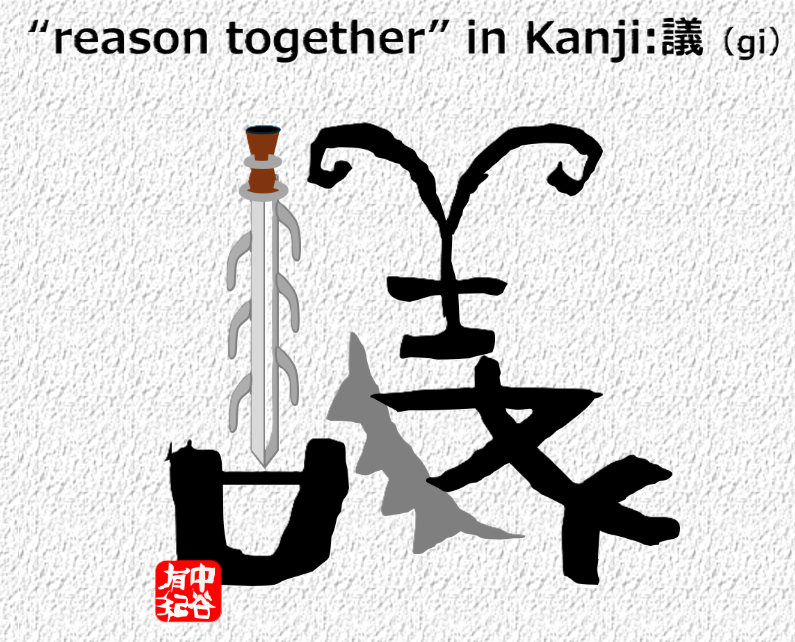

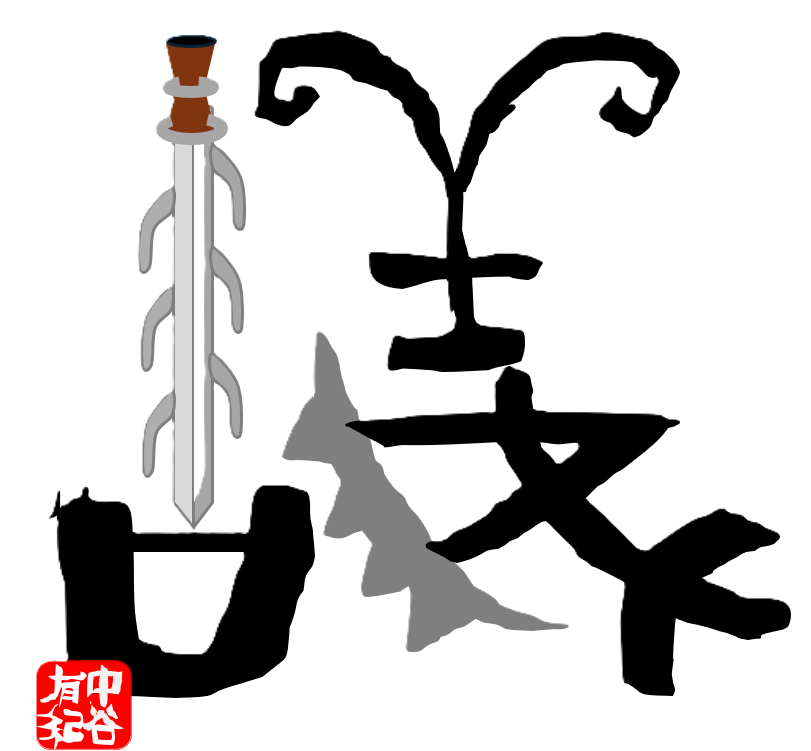
reason together(議)

This kanji consists of two parts. On the left is the ‘word’ radical, which originally represented a sacred oath sworn before the gods—one so absolute that breaking it brought punishment by the sword. On the right is the element for ‘righteousness,’ itself composed of a sheep and a curved saw used to carve sacrificial mutton for divine offerings. Combined, this kanji came to mean ‘to reason together’ or ‘to discuss in accordance with moral principles.’

Words & Phrases

  • 議会(gikai):The Diet
  • 議題(gidai):agenda

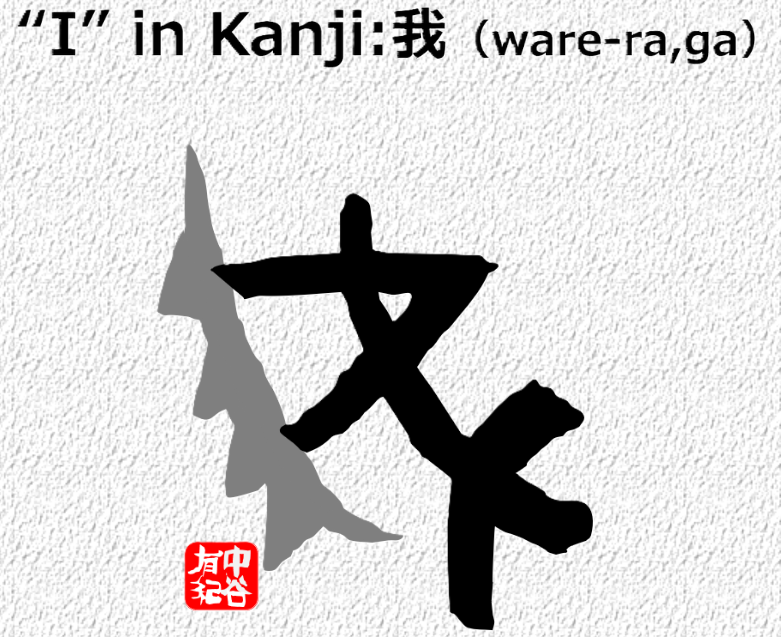
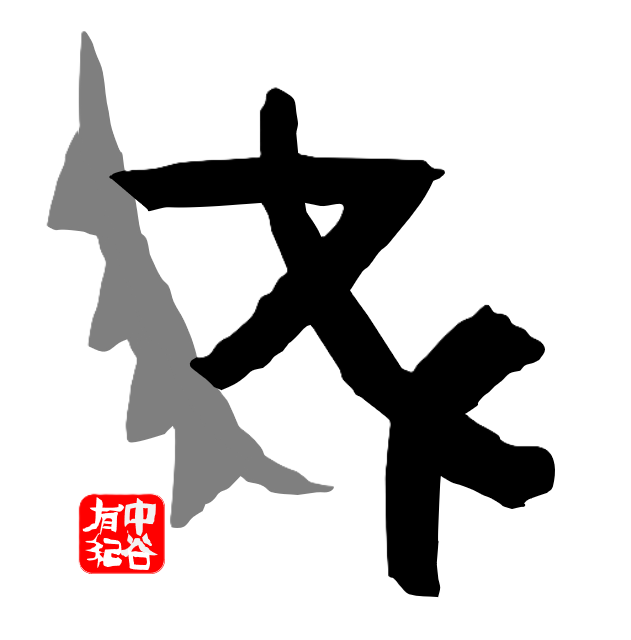
I(我)

This kanji originally depicted a weapon with a large, curved saw or serrated blade. Meanwhile, ancient Chinese had a word meaning ‘I’ or ‘me’ that shared the exact same pronunciation. Because of this phonetic match, people began borrowing this character to write ‘I.’ Over time, its original meaning of a bladed weapon faded, and the kanji came to mean exclusively ‘I’ or ‘myself’ when used as a standalone word.

Words & Phrases

  • 我執(gashuu):attachment to the self / ego-attachment
  • 我慢(gaman):patience,endurance,tolerance
  • 我田引水(gaden insui):draw water to one’s own mill