This kanji depicts an outline of dog lying its head upside.So this kanji means “dog”.And in case of this kanji is used as the radiclal with other parts of kanji, it comes to mean “animals”.
The short story of Kanji pictures

This kanji depicts an outline of dog lying its head upside.So this kanji means “dog”.And in case of this kanji is used as the radiclal with other parts of kanji, it comes to mean “animals”.
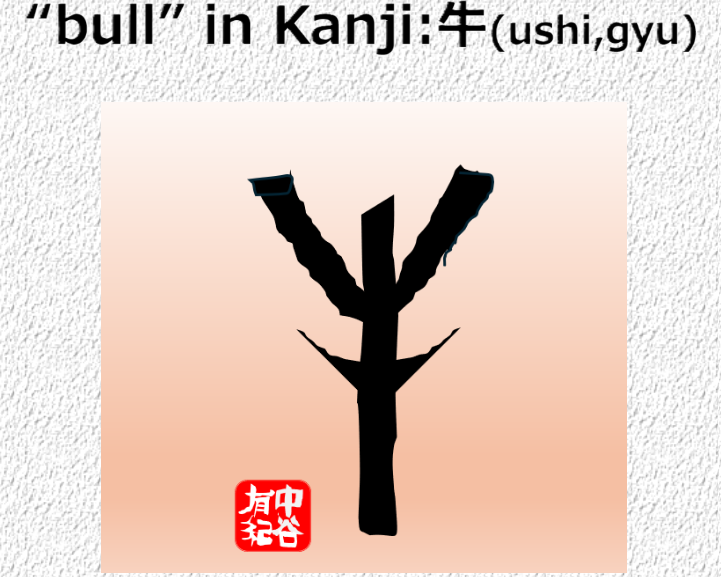

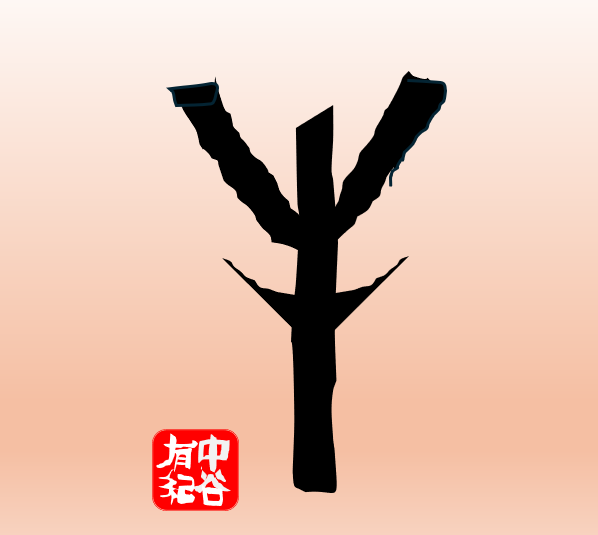
This kanji is a stylized representation of a bull’s face. In the modern kanji, only one horn is visible.

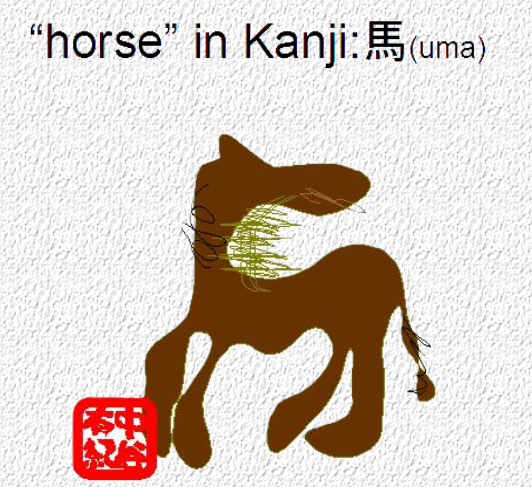
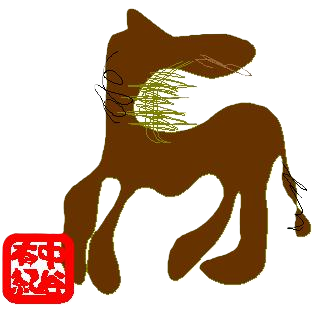
This character symbolizes the shape of an animal that was deeply intertwined with the lives of primitive people. In its lines, you can spot a silhouette just like the iconic Ferrari logo—yes, this character means ‘horse.’ This majestic horse is heading right, firmly standing on its legs, with its tail swept down!
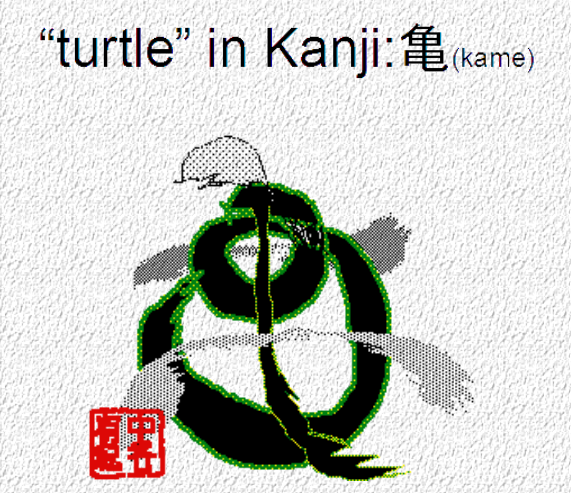
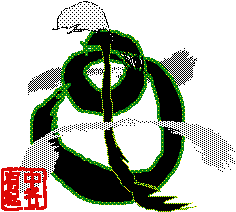
This character carries a beautifully simple meaning that you will easily recognize too. As you can see, it directly describes the shape of a turtle viewed from above!
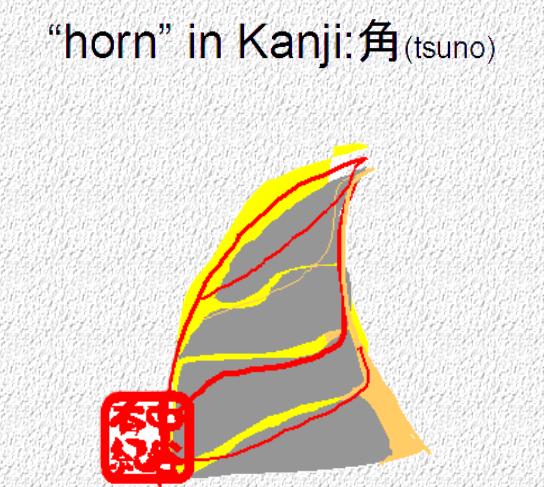
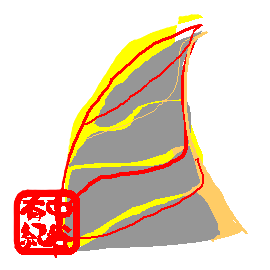
This shape captures nothing but the sharp form of a rhinoceros horn, perfectly standing for ‘horn’ itself!
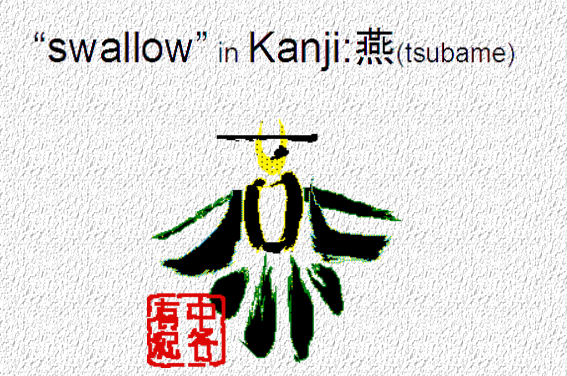
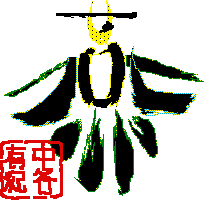
Imagine watching a swallow heading up into the sky, gracefully folding and beating its wings from above. Since ancient times in China, the swallow has been a symbol of good fortune and happiness. Because of this auspicious meaning, this character is frequently used in town names and other celebratory places.
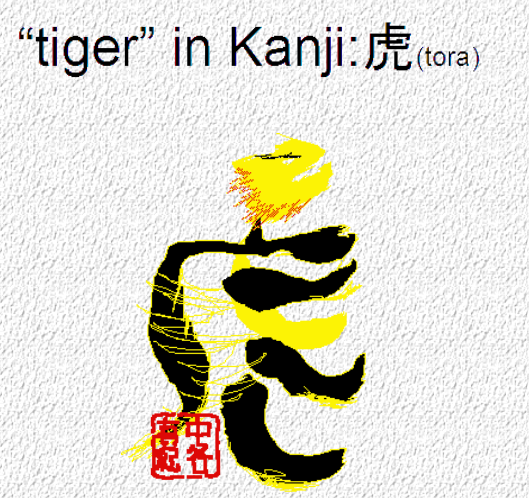
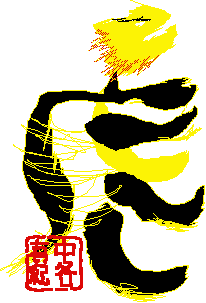
This character simply symbolizes the fierce figure of a tiger heading up, looking to the sky with powerful energy!
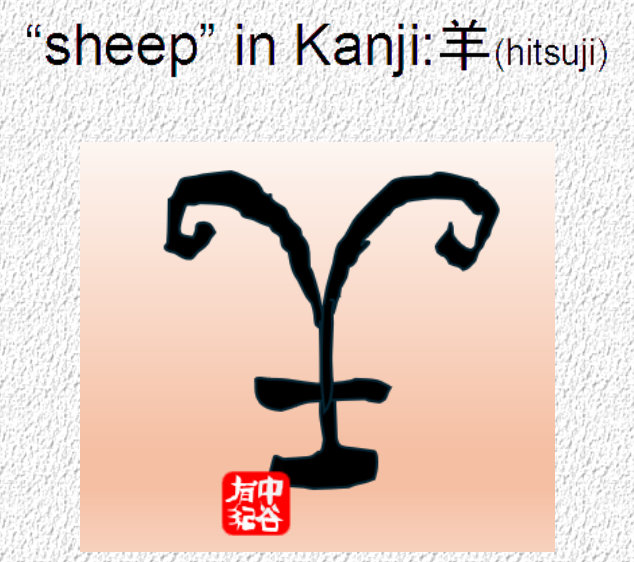

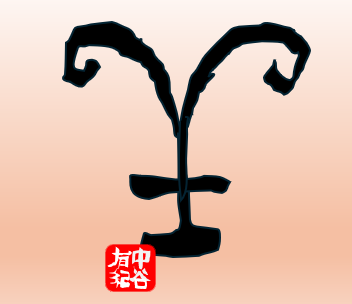
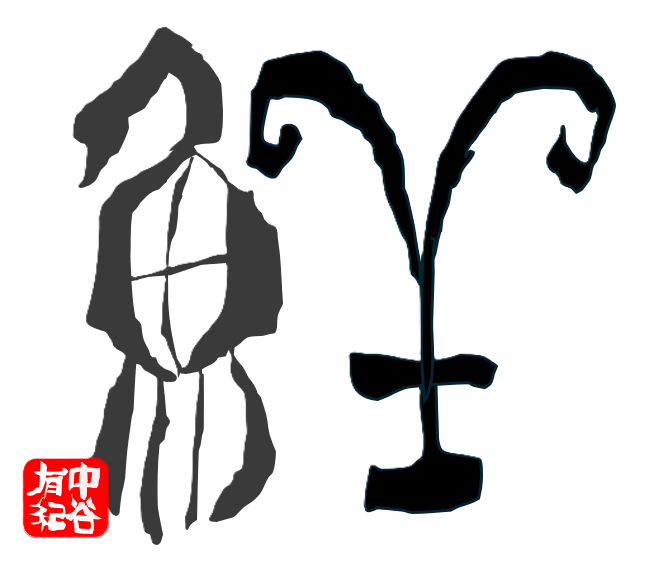
This kanji is deeply rooted in the daily lives of ancient people. It is a literal drawing of a SHEEP’s face, captured from a direct, front-row view. If you look closely, you can see its curved horns, ears, and long nose!