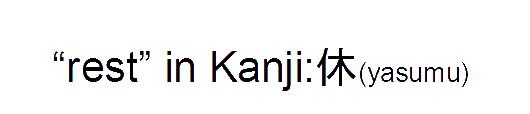
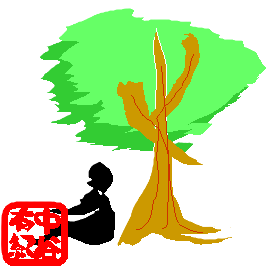
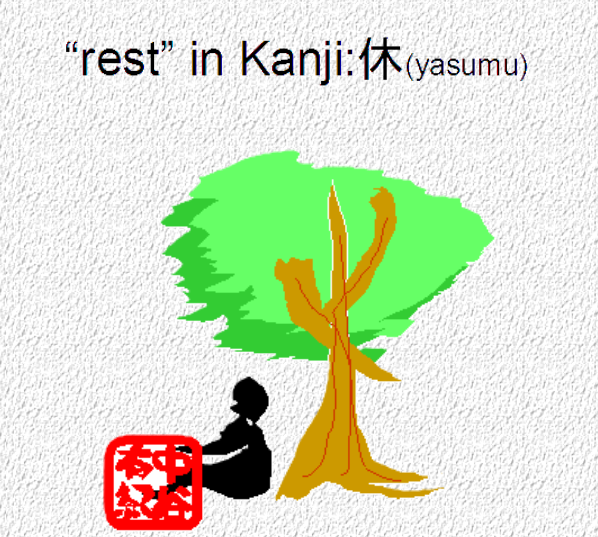
In this figure, you can see a person taking a comfortable rest under a big, shading tree. Yes, as you can see, this character beautifully captures that peaceful moment to mean ‘rest’!
The short story of Kanji pictures
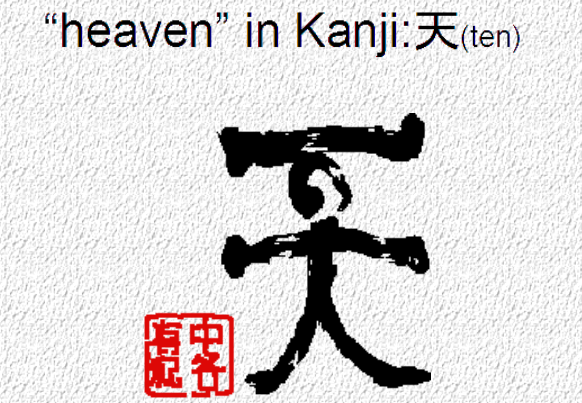
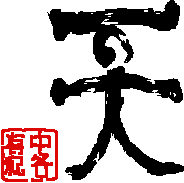
In this figure, you can see a human standing with their arms and legs spread wide. Above their head, a single line is drawn to represent ‘the space far above mankind.’ Therefore, this character means ‘heaven’ in a single word.
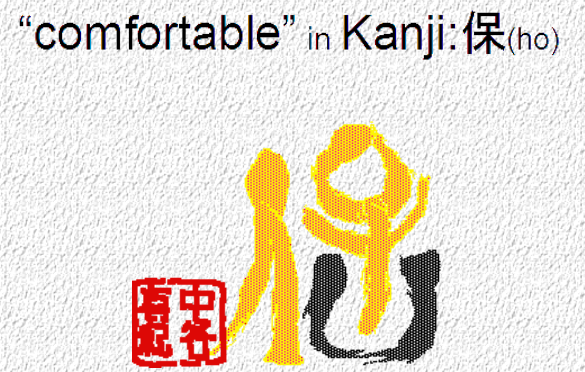

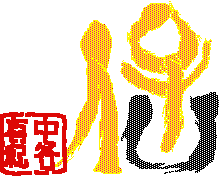
On the right side of this figure, you can see a baby sleeping peacefully in a basket, while on the left, a person—perhaps the father—stands firmly on their own two feet, watching over the infant with great care. This visual conveys a profound sense of feeling comfortable and being safely defended from the outside world. In this way, these characters often generate a whole new meaning derived from combining two distinct images.
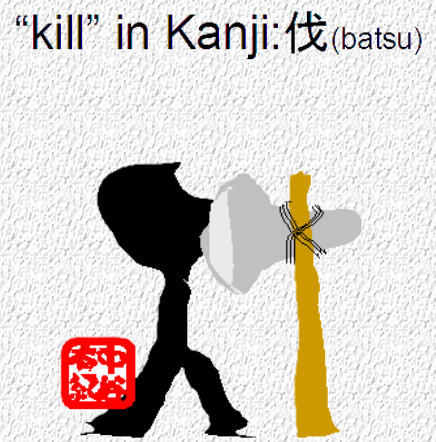
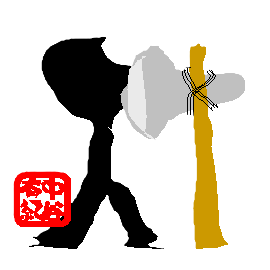
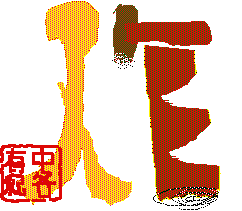
This kanji advances perfectly from the raw terror of the last one! On the left side of this figure, you can find a MAN standing straight. On the right, a large combat weapon—a giant AX or halberd—is positioned right against his neck. Because it visualizes the direct action of striking a neck or trunk, this character means ‘CHOP DOWN,’ ‘CUT WOOD,’ or ‘KILL’ in Japanese.
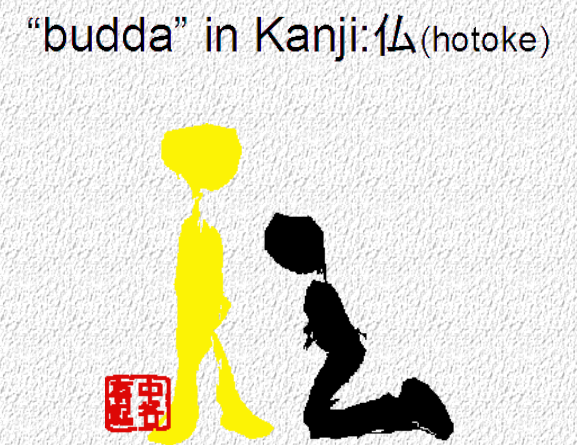
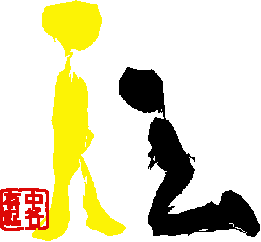
On the left side of this character, you can see a MAN standing. On the right, there is another MAN kneeling and praying to him. The one standing represents the ‘BUDDHA,’ whose sole purpose is to save and comfort the people who pray to him.
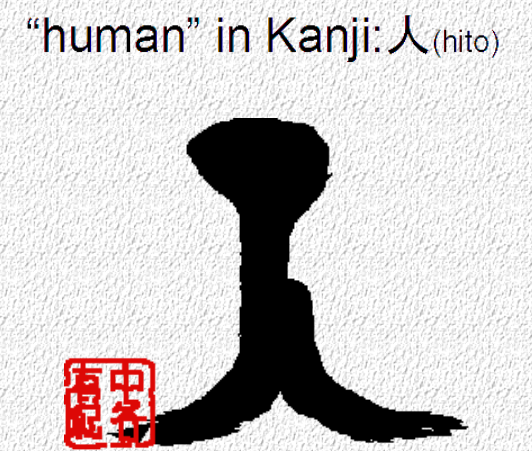
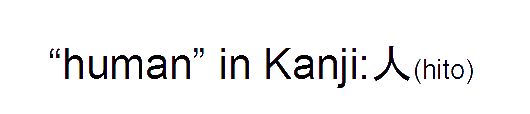
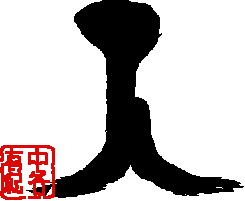
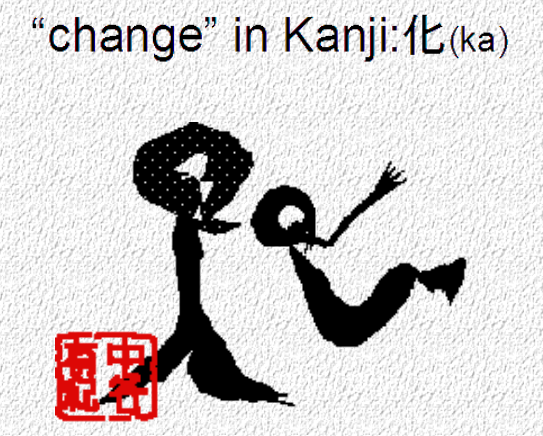
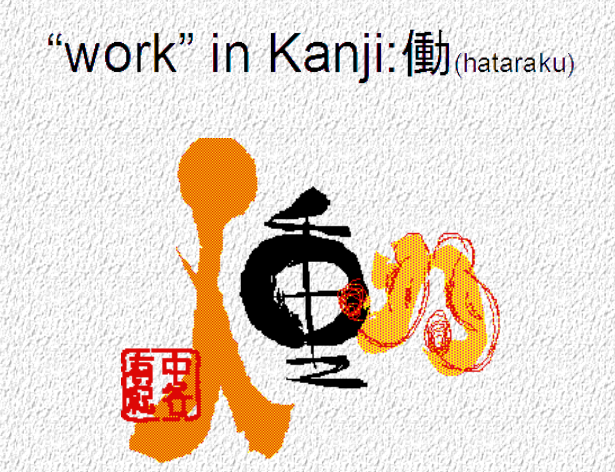
In the world of kanji, the character for ‘HUMAN’ (Hito) is one of the most essential words due to its incredible versatility. It acts as the ultimate storyteller, combining with other characters to express the full spectrum of human passion, action, and feelings.
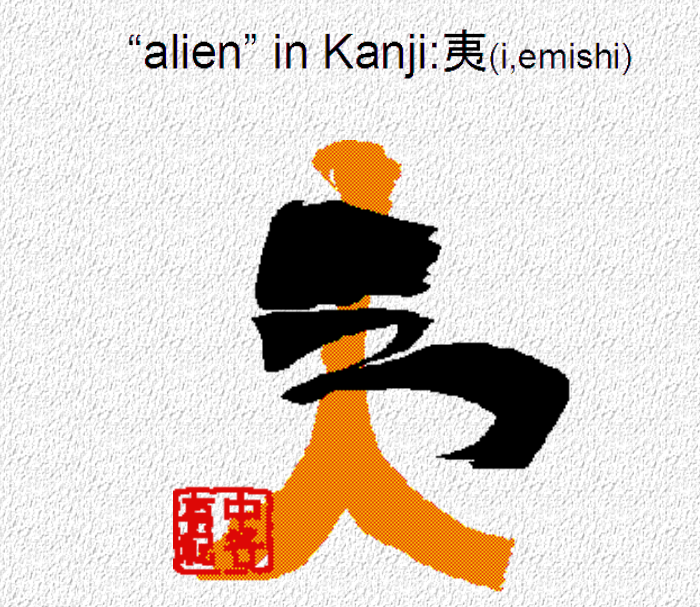

In ancient Japan, the central government in the west considered the eastern tribes to be enemies. They called these people the ‘Emishi.’ This kanji was created to reflect the unique clothing and style of the Emishi people.