
write(書)

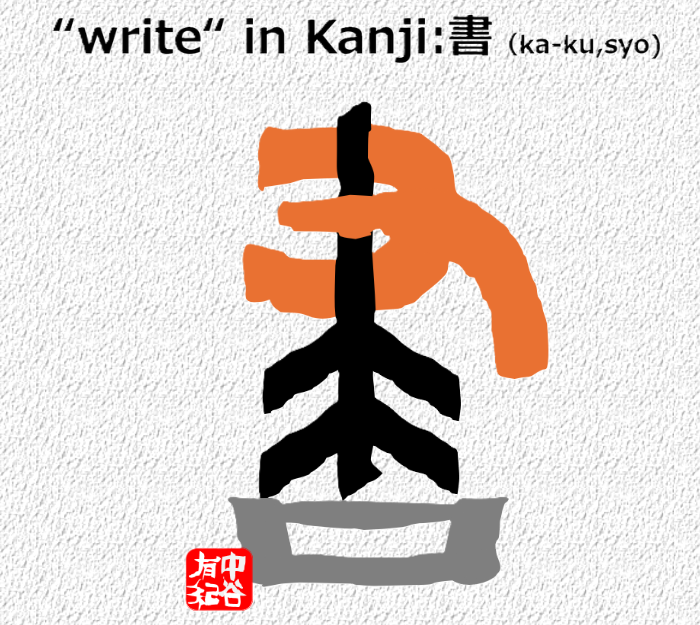
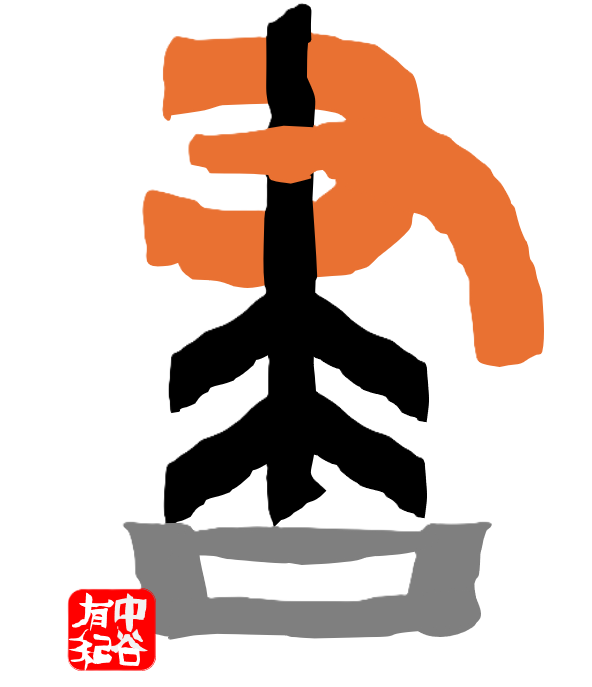
This kanji consists of two parts: a hand holding a brush at the top to write a norito (a sacred ritual prayer) to the gods, and a vessel below designed to hold it. Combined, the character originally meant ‘to write a ritual prayer,’ and over time its meaning broadened to ‘to write’ or ‘writing’ in general.

この漢字は2つの部分からできています。上部は神様へ捧げる祝詞(のりと・神聖な祈りの言葉)を書き記すために手で筆を持つ姿「聿(ふで)」、下部はそれを納める器(または口に出す言葉を表す「曰」)を表しています。これらが組み合わさり、もともとは神様への祈りの言葉を丁寧に書き記すことを意味していましたが、やがて時代とともに意味が広がり、文字や文章全般を「かく(書く・書き記す)」や「しょ(書物・文書)」という意味になりました。

Words &Phrases

  • 書道(syo-dou):A Japanese traditional calligraphy
  • 書簡(syokan): sending a letter

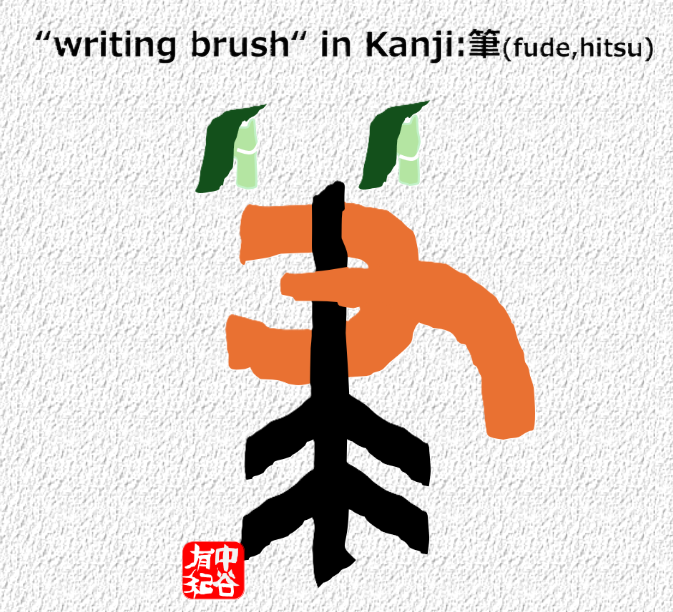
writing brush(筆)

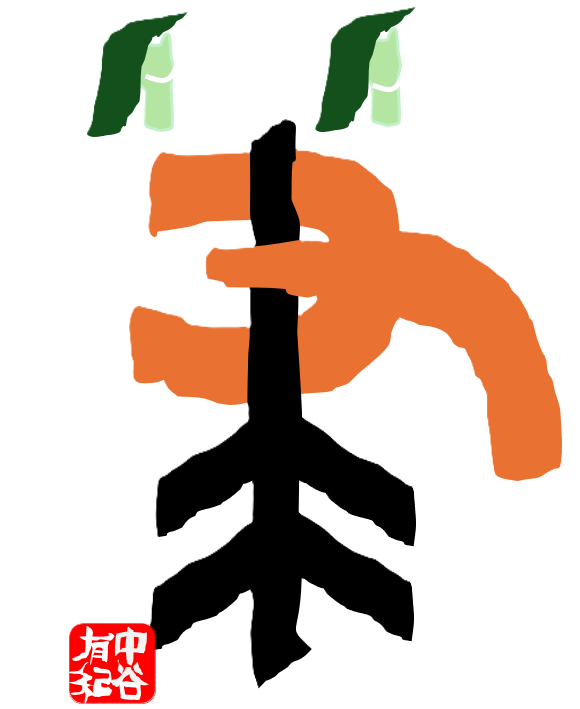
This kanji consists of two parts: the ‘bamboo’ radical on top and the ‘brush’ element below, which shows a hand holding a brush to write. Combined, they portray a writing instrument with a bamboo handle, giving the character the meaning of ‘writing brush’ or ‘pen.’

この漢字は、2つの部分からできています。上部は植物の竹を表す「竹(たけかんむり)」、下部は手で筆をしっかりと握って文字を書く姿を表す「聿(ふで)」です。これらが組み合わさり、軸(持ち手)に竹を使った文字を書く道具の姿をそのまま表したことから、「ふで(筆・筆記用具)」という意味になりました。

Words & Phrases

  • 鉛筆(enpitsu):pencil
  • 筆箱(fudebako):pencil case
  • 達筆(tappitsu):be good at writing letters.

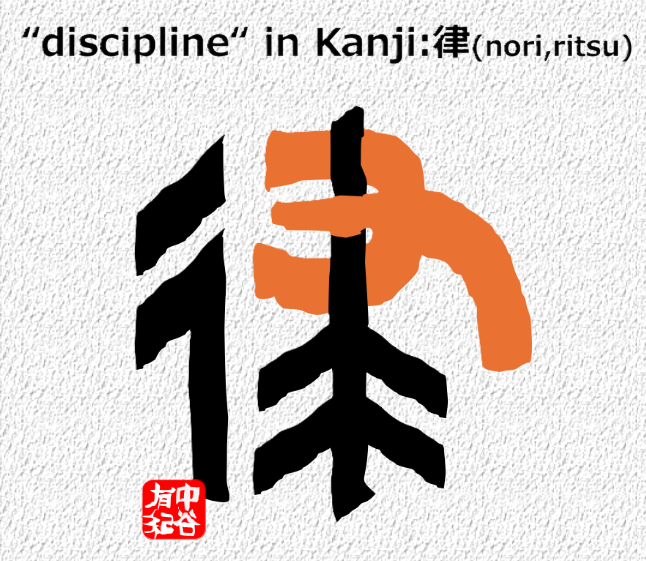
dicipline(律)

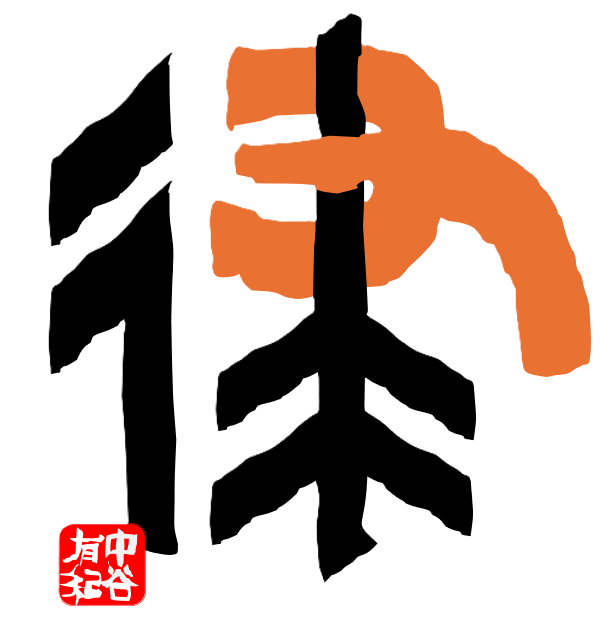
This kanji consists of two parts: the ‘movement’ or ‘crossroads’ radical on the left, which depicts the path one walks, and the ‘brush’ element on the right, showing a hand holding a brush to write. Combined, they portray writing down the proper rules of conduct for people to follow, giving the character the meaning of ‘law,’ ‘discipline,’ or ‘regulation.’

この漢字は2つの部分からできています。左側は人が歩んでいく道筋を表す「ぎょうにんべん(行・交差点)」、右側は手で筆を握って文字を書き記す様子を表す「聿(ふで)」です。これらが組み合わさり、人々が歩むべき正しい道筋や行動のルールを筆できちんと書き記す様子を表したことから、「おきて(法律・律法)」や「規律・定め」という意味になりました。

Words & Phrases

  • 律令(ritsuryou):an ancient law written in words.
  • 律儀(richigi):conscientious