
sunshine(陽)

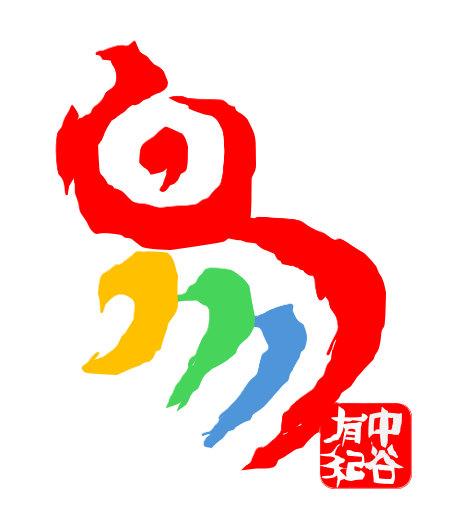
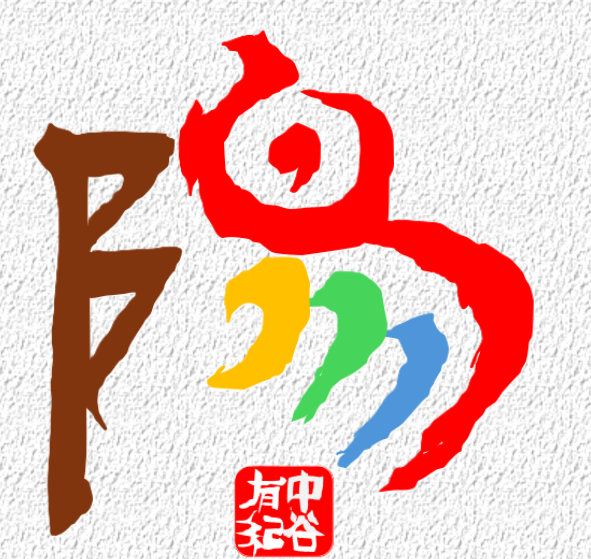
This character brings together ‘hill steps’ on the left and the ‘sun’ shining brightly on the right. Together, they picture sunlight pouring down onto a hillside, giving the kanji the meaning of ‘sunshine,’ ‘a sunny spot,’ or ‘the bright side.’

この漢字「陽」は2つの部分からできています。左側は段々になった丘や土手を表す「こざとへん(阜)」、右側は明るく輝く太陽とその光を表す「昜」です。これらが組み合わさり、丘の斜面に太陽の光がたっぷりと降り注ぐ様子を描いたことから、「ひなた(日向・太陽)」や「あかるい(明るい・陽気)」という意味になりました。

Words &Phrases

  • 太陽(taiyou):the sun
  • 陽気(youki):pleasant weathe,cheerful,lively
crystal(晶)

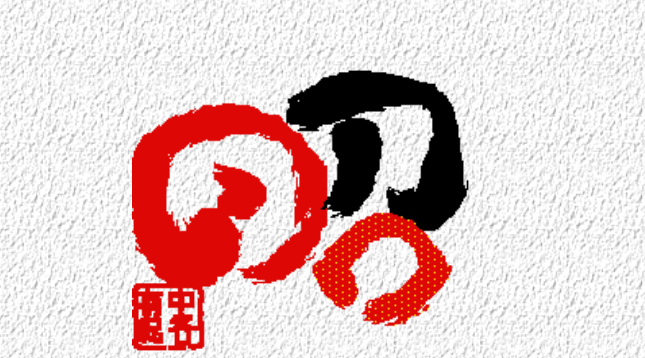
Some kanji are made by repeating the same character three times to emphasize its meaning. This kanji combines three ‘sun’ radicals to represent intense brightness, shining like a crystal.

「日(太陽)」を3つ重ねた漢字です。太陽の強い光が重なり合い、きらきらと澄んで美しく光り輝く様子から、「水晶」や「澄みきって輝く」という意味を表します。

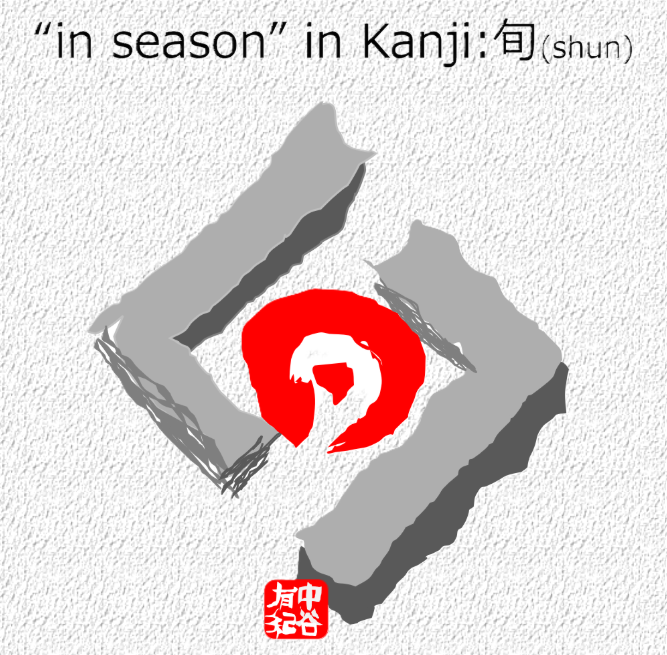
in season(旬)

The kanji 旬 (shun) has no direct English equivalent. Depicting the sun enclosed within a frame, it captures a seasonal moment at its absolute peak—symbolizing Japan’s deep appreciation for nature’s seasonal gifts, from fresh food to changing landscapes.

Similarly, the kanji for Haiku (句) encloses a “mouth” instead of the “sun,” representing capturing the essence of the seasons into spoken verse (5-7-5 syllables).

この漢字は、枠の中に太陽を包み込んだ形を描いた漢字です。太陽の動きの短い一区切りを表し、物事や自然の恵みが最も輝く絶頂の瞬間を表すようになりました。日本人が大切にする、季節ごとに最も美味しい食材や見頃の時期を指す「旬(しゅん)」を象徴しています。

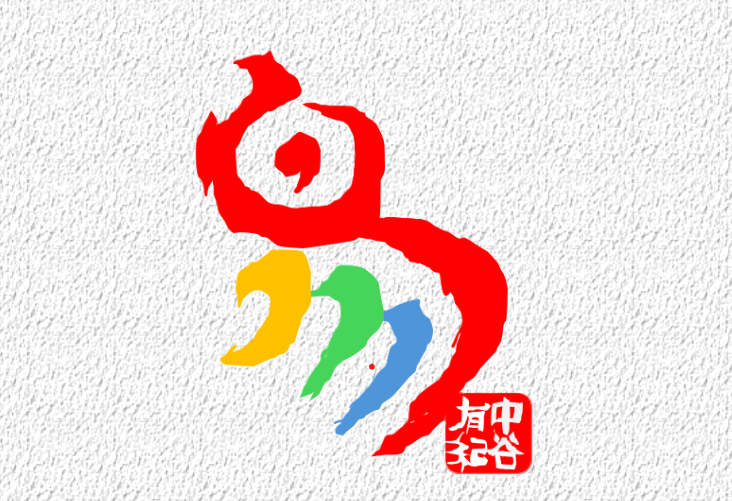
easy(易)

This kanji depicts the sun radiating bright light. Depending on your perspective, the light appears in various colors. Because of this, the kanji came to mean “easy to change” or “easy.”

太陽が明るい光を放っている様子を描いた漢字です。見る角度によって光の色がさまざまに移り変わることから、「変わりやすい」という意味になり、そこから転じて「簡単・やさしい(平易・容易)」という意味を表すようになりました。

bright(昭)

On the left side of this figure, you can see a circle representing the sun. On the right, a hand is beckoning, paired with an open mouth that seems to call out, ‘Come with me, the sun!’ Therefore, this character beautifully captures the idea of bringing that light inside, meaning a true ‘brightness’ or ‘clarity’ in one’s heart.

この漢字は、左側は「太陽(日)」、右側は手招きして呼び寄せる「招く(召)」を表しています。太陽の光を内側に招き入れ、隅々まで明るく照らすことから、「明るい」「光り輝く」「明らか」という意味を表します。

Words & Phrases

  • 昭和(Showa):Shōwa; the Japanese era name corresponding to the reign of Emperor Shōwa (Hirohito), spanning from December 25, 1926, to January 7, 1989.

Related Posts

sun(日)

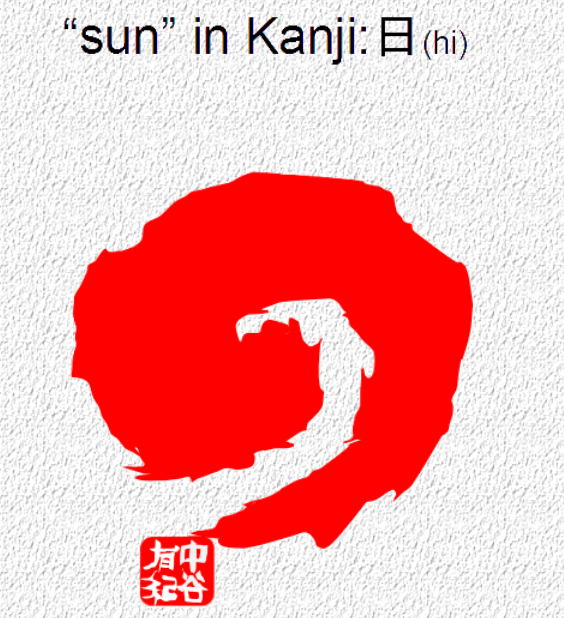
The character for the sun is remarkably simple. As you can see, it is represented by nothing more than a basic round mark.

大空に丸く輝く「太陽」の形をそのままシンプルに線で描いた漢字です。昼間を明るく照らす「ひ(太陽・日光)」や、一日を表す「ひ(日にち)」を意味します。

light(明)

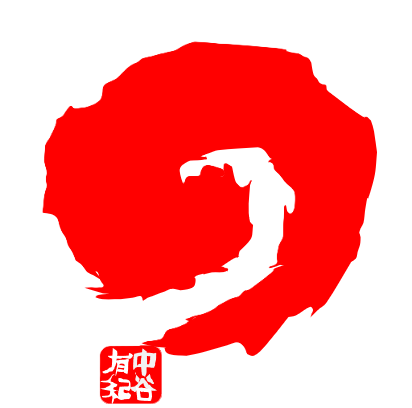
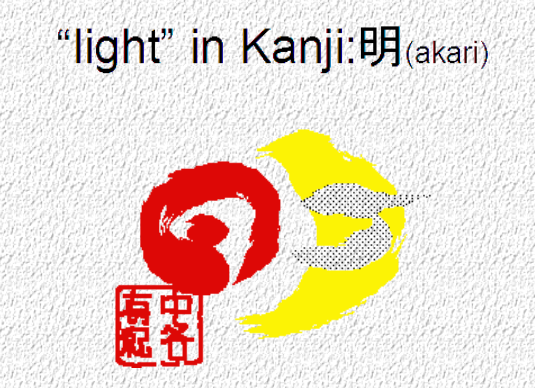
Yes, this character combines the sun and the moon. It simply means ‘brightness’ in the sky.

空に輝く「太陽(日)」と「月」の2つを組み合わせた漢字です。昼の光と夜の光がひとつになり、世界を隅々まで明るく照らし出すことから、「あかるい(明るい・明白)」を意味します。

star(星)

This kanji means ‘STAR’ or ‘PLANET.’ It perfectly describes a scene of a brilliant celestial body shining high above a person’s head. The character is beautifully split into two parts: the sparkling planet on top, and the human looking up below.

夜空高くきらきらと輝く天体(日)と、その下で地上から空を見上げている人の姿(生)を描いた漢字です。暗闇の空に澄んだ光を放つ「ほし(星・星座)」を表します。

spring(春)

This kanji consists of two main parts. At the bottom, you can see the ‘SUN’ as a warm circle. The upper part represents a ‘PLANT’ that is now growing and pushing up from under the land. Therefore, this kanji means ‘SPRING’—the beautiful season when plants grow under the warm sun.

暖かく照りつける太陽(日)の光の下で、大地を押し分けて青々とした草木の若芽(屯+艹)がぐんぐんと芽吹いている様子を描いた漢字です。寒さが緩み生命が萌え出る季節である「はる(春・春季)」を表します。

fine(晴)

On the left side of this character, you can see the ‘SUN.’ On the right, it depicts a fresh green plant growing from clean water in a tank. Together, they represent ‘glowing beautifully in a great environment.’ Over time, its meaning shifted, and today it is used to mean ‘FINE’ or ‘CLEAR WEATHER’ in Japanese.

この漢字は、左側は「太陽(日)」、右側は澄んだ水槽の水から青々と育つみずみずしい植物を描いています。恵まれた清らかな環境の中で美しく光り輝く様子を表しており、そこから転じて、空に雲ひとつなく澄み渡る「はれる(晴れ・晴天)」を意味するようになりました。