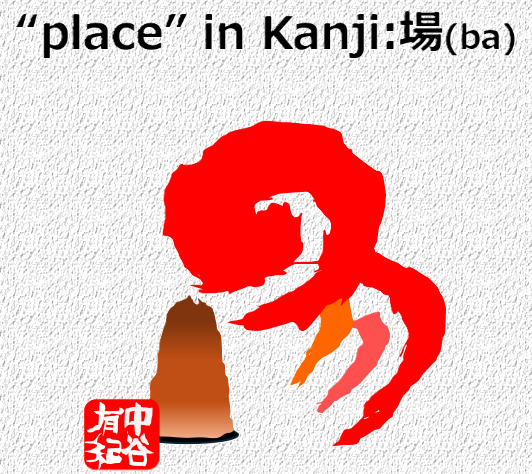

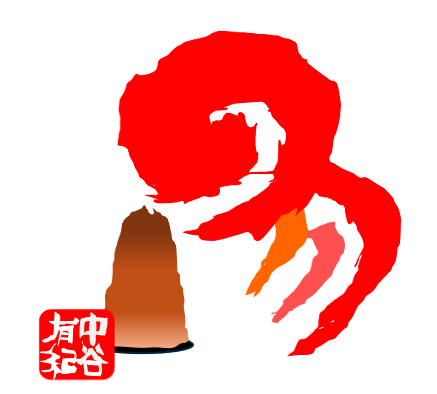
place(場)

This kanji consists of two parts. On the left is the “earth” or “soil” radical, and on the right is a component showing the sun shining down on the ground. Together, it originally meant a sacred place illuminated by the sun. By extension, it came to mean simply a place where people gather.

この漢字は、左側は「土(土地)」、右側は太陽が大地を明るく隅々まで照らしている様子(昜)を表しています。もともとは太陽の光が降り注ぐ神聖な祭りの広場を意味し、そこから人々が集まる特定の空間「ば(場所・広場)」を表すようになりました。
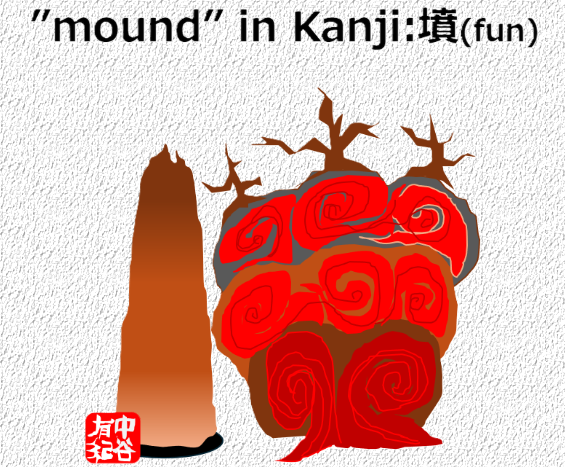

mound(墳)

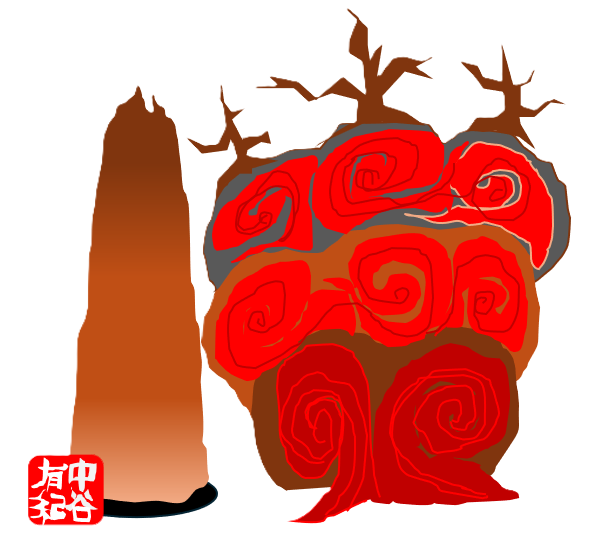
This kanji has two parts. The left side is the radical for “earth” or “soil.” The right side shows something rising up from inside, like a mountain swollen with magma. Combined, it means a “mound,” “hill,” or “ancient tomb.”

この漢字は、左側は「土」、右側はマグマが盛り上がる山のように内側から土がぐっと高く盛り上がる様子を表しています。土を高く盛り上げて作った土手や、古代の有力者を埋葬した「お墓(古墳・墳墓)」を意味します。

slope(坂)

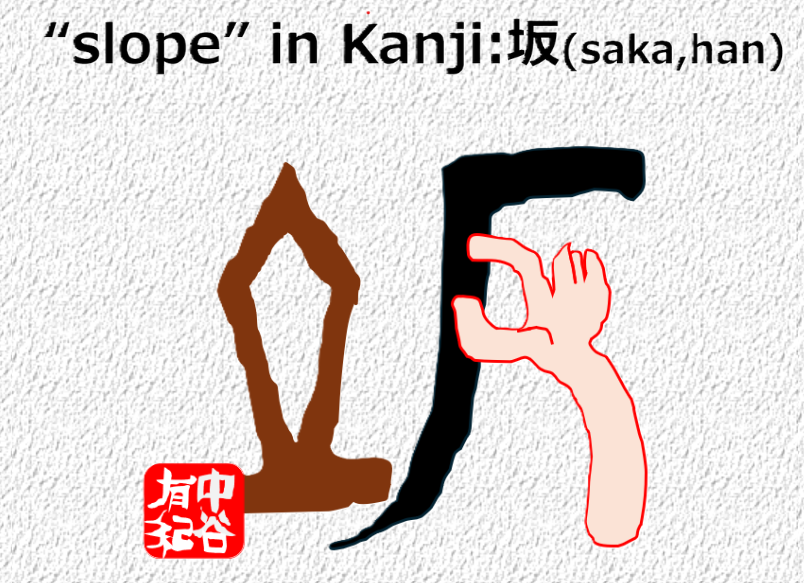
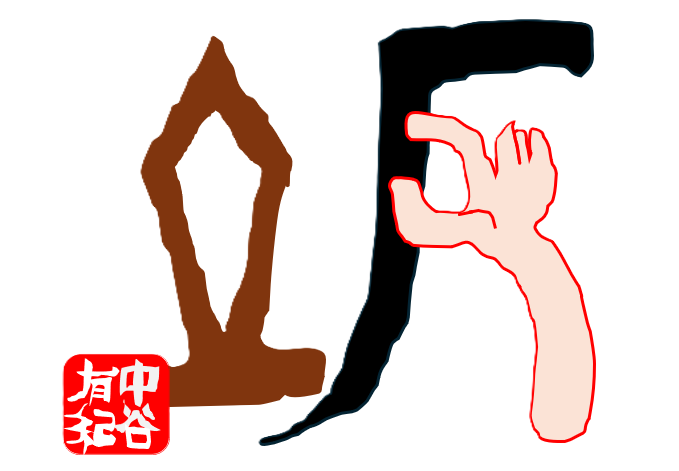
This kanji consists of the “land” radical on the left and a symbol on the right showing a hand reaching out to climb a slope. Together, it represents a steep slope that is difficult to climb.

この漢字は、左側は「土(土地)」、右側は手足を伸ばして斜面をよじ登ろうとしている人の姿を描いています。傾斜が急で手をつきながらでなければ登るのが難しい険しい傾斜地、「さか(坂道・傾斜)」を表します。

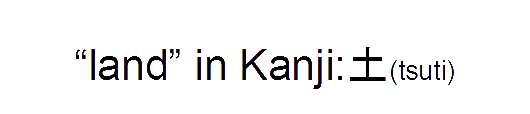
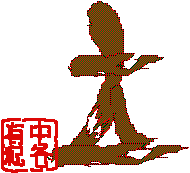
land(土)

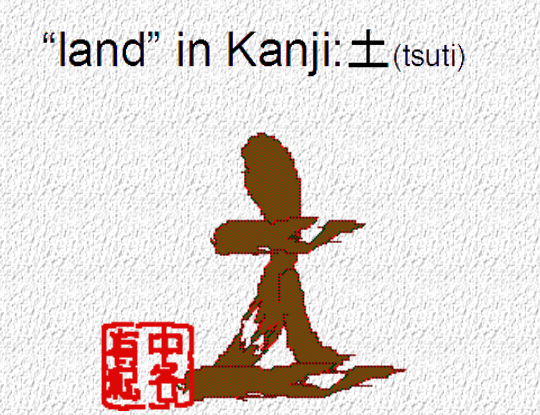
Ancient people believed that all living things were born from the land. Deeply revering this source of life, they mounded the earth high and prayed for longevity. This figure directly symbolizes that sacred, mounded earth, meaning ‘land’.

古代の人々は、すべての生命は母なる大地から生まれると信じていました。この漢字は、生命の源である土地を深く崇め、土を高く盛り上げて生命の繁栄を祈った神聖な塚の形を描いており、「つち(土・大地)」を意味します。

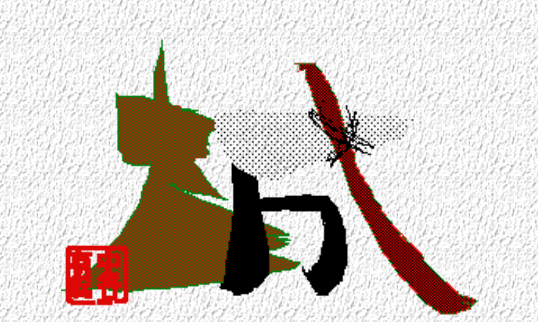
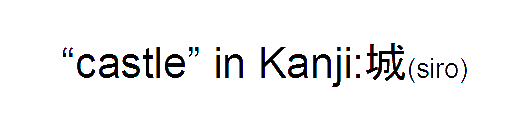
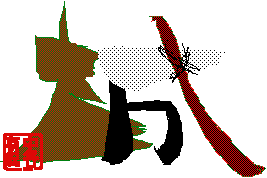
castle(城)

On the left side of this figure, you can find the symbol for land, and on the right, a sword. Therefore, this character represents a place built upon the earth and protected by weapons—meaning a ‘castle’.

この漢字は、左側は材料である「土」、右側は武器(戈)を持って敵を防ぎ完成させる様子(成)を表しています。土を固めて城壁を築き、武器で固めて外敵から守る場所であることから、「城(しろ)」を意味します。